Whether Pond Water Gives a Springer Spaniel an Infection
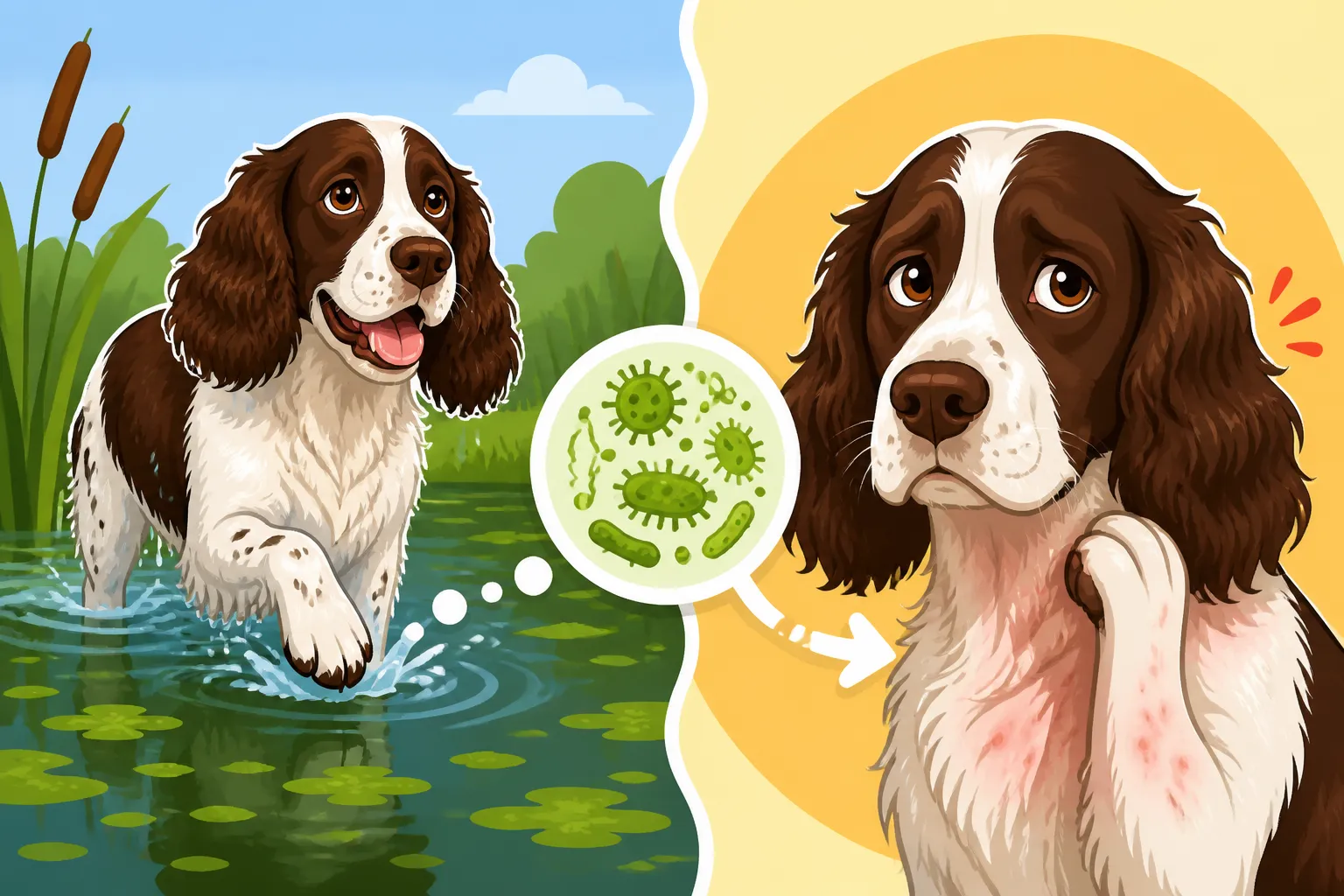
As a Springer Spaniel parent, you know the absolute joy of watching your furry friend dive headfirst into any body of water they can find. That enthusiastic splash, the wagging tail as they retrieve a stick from the murky depths – it's pure bliss for them, and often a heartwarming sight for us. But let's be honest, that joy often comes with a nagging worry: Is all this pond water exposure going to make my Springer sick? It’s a completely valid concern, and the short answer is yes, pond water can absolutely give your beloved Springer Spaniel an infection, sometimes several types. This guide will walk you through the very real risks associated with pond water, the specific infections to watch out for, and crucially, how you can help protect your water-loving companion while still letting them indulge in their natural instincts.
Why Pond Water Poses a Unique Threat to Springer Spaniels
Springer Spaniels, with their dense double coats and those wonderfully expressive, long drop ears, are practically built for flushing game out of wetlands and retrieving from water. It's in their DNA! This innate love for water means they're often more exposed to the elements than many other breeds. Unfortunately, the very features that make them excellent gundogs also make them more susceptible to certain issues when pond water comes into play. It's not just "dirty" water; it's a complex brew of potential pathogens.
The Allure of the Water: Why Springers Love It
It’s almost impossible to keep a Springer Spaniel out of the water. Whether it's a stagnant puddle on a trail, a gently flowing creek, or a full-blown farm pond, they see it as an invitation to a grand adventure. This isn't just a quirk; it's instinct. Their breed history involves working in diverse terrains, often alongside water. They have an impressive drive to explore and retrieve, and water is often part of that equation. This deep-seated love means we, as owners, need to be extra vigilant, because saying "no" to every splash is often impractical and, frankly, a bit heartbreaking given how much they enjoy it. We just need to manage the risks.
Unseen Dangers: Bacteria, Algae, and Parasites
The water in ponds is rarely pristine. Unlike a swimming pool with controlled chemicals, ponds are natural ecosystems teeming with life – some good, some not so good for your dog.
- Bacteria: Ponds can harbor a multitude of bacteria. Leptospira bacteria, for example, is a serious concern. It's often found in water contaminated by wildlife urine and can cause Leptospirosis, a severe disease that affects organs like the liver and kidneys. Another common culprit is E. coli, which can lead to nasty gastrointestinal upsets.
- Algae: Blue-green algae (cyanobacteria) is a particularly insidious threat. It thrives in warm, still, nutrient-rich water and can produce toxins that are extremely dangerous, even fatal, if ingested. Even a small lick from a dog after swimming in affected water can be devastating. These blooms can look like pea soup, spilled paint, or green mats on the water's surface, but sometimes they're less obvious.
- Parasites: Ponds are prime breeding grounds for parasites. Giardia is a common intestinal parasite found in contaminated water, causing diarrhea and digestive issues. Various types of worms, while often transmitted through other means, can also be present in stagnant water.
- Other Irritants: Beyond biological threats, ponds can contain plant matter, debris, and agricultural runoff that can cause skin irritation or physical injury if ingested or caught in fur.
Common Infections and Ailments From Pond Water
Given their natural inclination and physical attributes, Springer Spaniels are particularly prone to certain types of infections and problems after a dip in questionable water sources. It's not just about what they drink, but what the water leaves behind on their skin and in their ears.
The Perpetual Problem: Ear Infections
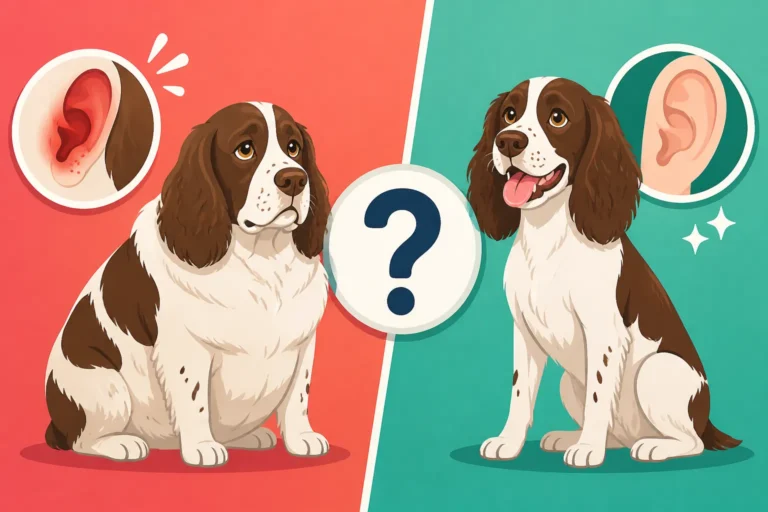
This is probably the number one concern for most Springer Spaniel owners who allow their dogs near water. Those beautiful, long, floppy ears are fantastic for framing their sweet faces, but they create a warm, moist, dark environment perfect for bacteria and yeast to flourish. When water gets trapped in the ear canal – and trust me, pond water will get trapped – it doesn't dry out easily.
- Moisture and Debris: Pond water isn't just wet; it's often full of microscopic debris, mud, and organic matter. This irritates the delicate skin of the ear canal and provides a feast for opportunistic bacteria and yeast. You might notice your dog shaking their head constantly or scratching vigorously at their ears. Why a Springer Spaniel's Ears Are Never Quite Healthy delves deeper into why their ears are so prone to issues.
- Chronic Issues: If not addressed promptly, an occasional ear infection can quickly become a recurring nightmare. A single swim can kickstart a cycle of inflammation and infection that's hard to break. This is why understanding How Often a Springer Spaniel Gets Ear Infections is so important, as pond water often plays a significant role in recurrence. Look for Signs a Springer Spaniel Has an Ear Infection like redness, discharge, odor, or pain when touching their ears. Over time, chronic infections can lead to serious complications, including hearing loss, as discussed in Whether Chronic Ear Disease Deafens a Springer Spaniel.
Skin Irritations and Hot Spots
That thick, lovely coat Springers possess is fantastic for insulation and protection in the field, but it can also trap moisture against the skin for extended periods after a swim. This creates another perfect breeding ground for bacteria and yeast, leading to skin irritations.
- Hot Spots: Acute moist dermatitis, commonly known as hot spots, can erupt quickly. These are red, inflamed, often oozing lesions that are intensely itchy. Your Springer will lick, chew, and scratch at them, making the problem worse and enlarging the irritated area. Pond water, especially if it contains irritating substances, can trigger these. The persistent dampness of a dense coat, particularly in warmer weather, contributes significantly.
- Allergies: If your Springer is prone to allergies, the chemicals or biological components in pond water could exacerbate their skin sensitivities, leading to generalized itchiness or flare-ups. This might require careful investigation into whether a specific allergen is present in the pond, though often the moisture itself is the primary trigger.
Internal Threats: Giardia and Leptospirosis
While ear and skin infections are common, the internal dangers from pond water are often more serious and potentially life-threatening.
- Giardia: This microscopic parasite is found worldwide and is a frequent contaminant in water sources. If your Springer ingests giardia cysts from pond water, it can lead to giardiasis, causing diarrhea (often foul-smelling and sometimes greasy), vomiting, weight loss, and general lethargy. Puppies and dogs with compromised immune systems are particularly vulnerable.
- Leptospirosis: This bacterial disease is transmitted through the urine of infected wild animals (like rodents, raccoons, deer) that contaminates water sources like ponds, puddles, and slow-moving streams. Dogs can contract it by drinking contaminated water, swimming in it, or even just walking through it if they have open cuts or wounds. Symptoms can range from mild (fever, lethargy, muscle pain) to severe (kidney failure, liver damage, jaundice, vomiting, diarrhea), and it can be fatal. The good news is there's a vaccine for Leptospirosis, which is a key preventative measure that many vets recommend for water-loving dogs.
Proactive Prevention and Essential Aftercare
The good news is that you don't necessarily have to ban your Springer Spaniel from all water fun. With some diligent prevention and a consistent aftercare routine, you can significantly reduce the risks of pond water infections.
Before the Splash: Assessing the Pond and Vaccinating
Preparation is half the battle when it comes to keeping your water dog healthy.
- Visual Inspection: Before letting your Springer plunge in, take a good look at the water. Avoid ponds that have visible green or blue-green algae blooms, which often look like spilled paint, scum, or pea soup on the surface. Also steer clear of water that appears stagnant, smells foul, or has a lot of debris floating in it. Cloudy or excessively muddy water is also best avoided, as it can hide other dangers and carries more irritants.
- Vaccinations: Discuss the Leptospirosis vaccine with your veterinarian. This vaccine is highly recommended for dogs that frequent natural water sources, hiking trails, or areas with wildlife. It’s an essential layer of protection against a very serious disease. Regularly consult your vet about your dog's lifestyle to ensure all necessary preventative measures are in place.
- Training for Control: A solid "leave it" or "come" command can be a lifesaver. If you spot something suspicious in the water, you want to be able to call your dog away from it immediately. Whether a Springer Spaniel's Recall Can Be Trusted is critical here.
Post-Swim Routine: Essential Cleaning and Drying
Once the fun is over, the real work begins. A thorough cleaning routine is paramount, especially for those prone to ear and skin issues.
- Immediate Rinse: As soon as possible after your Springer emerges from a pond, give them a good rinse with clean, fresh water. This helps wash away surface contaminants, mud, and any irritating algae or bacteria clinging to their coat. You can use a garden hose or even a large jug of water you brought along. If you let them swim in a lake, consider Whether a Springer Spaniel Should Be Rinsed After a Lake.
- Thorough Drying: This is non-negotiable for Springer Spaniels. Pay particular attention to their ears and any feathered areas. Gently pat their ears dry, both the outer flap and as far into the ear canal as you can reach with a soft towel without inserting anything. Drying a Springer Spaniel's Ears After Swimming is vital. For their coat, towel dry thoroughly, or even use a dog-specific blow dryer on a cool setting, especially around their armpits, groin, and feathering, where moisture loves to linger and mats love to form.
- Ear Cleaning: After drying, use a vet-approved ear cleaning solution. This helps to further remove debris and dry the ear canal. Ask your vet which ear cleaner suits a Springer Spaniel, as some are better for preventing infections than others. How Often a Drop Eared Springer Spaniel Needs Cleaning becomes much more frequent after water activities. You can find excellent ear cleaners on platforms like Chewy or Amazon. Remember to never use cotton swabs (Q-tips) down the ear canal, as this can push debris further in and damage the eardrum.
Protective Measures: Grooming and Regular Checks
Ongoing care extends beyond the immediate post-swim.
- Regular Grooming: Keeping your Springer’s coat well-groomed, especially the feathering, can make drying easier and reduce matting, which can trap moisture. While a show Springer might have more elaborate feathering, even field-bred Springers benefit from regular brushing and some judicious trimming to prevent knots and keep their coat healthy.
- Paw and Skin Checks: After any outdoor adventure, including a pond dip, make it a habit to perform a full body check. This is covered in What to Check on a Springer Spaniel After a Day in Cover. Look for any cuts, scrapes, insect bites, or embedded debris. Pay close attention to their paws, checking between the pads for thorns, burrs, or small cuts. Early detection can prevent minor issues from becoming major problems. You might even consider a good shampoo, perhaps from Ollie, if you're concerned about skin health after exposure to various elements.
- Parasite Prevention: Ensure your Springer is on a year-round, broad-spectrum parasite preventive that covers fleas, ticks, and common intestinal worms. While pond water is a direct source for some parasites, strong overall prevention helps keep your dog healthier. For working Springers, Whether a Field Springer Spaniel Needs More Parasite Cover is a conversation to have with your vet.
| Risk Factor | Potential Infection/Problem | Prevention/Mitigation Strategy |
|---|---|---|
| Stagnant/Contaminated Water | Leptospirosis, Giardia, E.coli | Vet-recommended vaccinations (Lepto), avoid stagnant water, teach "leave it" command. |
| Blue-Green Algae | Cyanotoxin poisoning | Never allow swimming in water with visible algae blooms. |
| Moisture in Ears | Bacterial/Yeast Ear Infections | Thorough ear drying, regular ear cleaning with vet-approved solution. |
| Dense Coat Trapping Moisture | Hot Spots, Skin Irritations | Thorough towel/blower drying, immediate rinsing, regular grooming. |
| Debris/Parasites in Water | Physical irritation, Giardia, worms | Rinse coat thoroughly, perform full body check, year-round parasite prevention. |
Recognizing the Warning Signs and When to Seek Help
Even with the best preventative measures, sometimes things go wrong. Knowing what to look for and when to call your veterinarian is crucial for your Springer Spaniel's well-being.
Early Indicators of Trouble
Being observant can make all the difference. After a pond outing, keep an eye out for these common signs of potential issues:
- Ear Problems: Excessive head shaking, scratching at the ears, rubbing ears on furniture or the ground, a foul odor coming from the ears, redness or swelling, or discharge (waxy, yellowish, or brownish). If you see any of these, it's a strong indicator of an ear infection brewing.
- Skin Issues: Persistent licking or chewing at a particular spot, redness, inflammation, hair loss, scabs, or moist, oozing lesions (hot spots). Check their paws and between their toes for any irritation or embedded objects.
- Gastrointestinal Distress: Vomiting, diarrhea (especially if it’s severe, bloody, or contains mucus), loss of appetite, lethargy, or abdominal pain. These could signal a bacterial infection or parasitic issue like giardia.
- General Malaise: Unusual lethargy, fever (your dog might feel unusually warm to the touch), decreased activity, or a reluctance to move. These are non-specific signs but always warrant attention, especially if your dog has recently been in pond water.
When to Go Beyond Home Remedies
Many of us try to handle minor issues at home first, but with potential pond water infections, it's often best to err on the side of caution.
- Immediate Vet Visit: If you suspect blue-green algae poisoning (rapid onset of weakness, seizures, difficulty breathing, vomiting), this is an emergency. Get to an emergency vet immediately. Similarly, if your dog develops severe vomiting or diarrhea, becomes extremely lethargic, or shows signs of intense pain, a vet visit is urgent.
- Prompt Vet Consultation: For ear infections, don't wait. A mild ear scratch can quickly escalate. Call your vet as soon as you notice symptoms. They can diagnose the specific type of infection (bacterial, yeast, or both) and prescribe the correct medication. Home remedies or over-the-counter solutions often only mask the problem or aren't effective against the specific pathogen. For persistent skin issues like hot spots, a vet visit is also necessary for proper cleaning, medication, and possibly antibiotics or anti-inflammatory drugs.
- Follow-Up Care: If your dog is diagnosed with something like giardia or leptospirosis, follow your vet's treatment plan precisely. This often involves courses of medication, and sometimes follow-up tests to ensure the infection has cleared. Remember, for serious conditions, early and accurate veterinary intervention is key to a good outcome.
Ultimately, while the joy your Springer Spaniel gets from pond water is immense, it's accompanied by real risks. By understanding these risks, implementing careful preventative measures, and maintaining a vigilant eye for any warning signs, you can strike a healthy balance. Enjoy those splashes, but always with a plan for keeping your furry partner safe and healthy!
Disclaimer
This article is for general informational purposes only and does not constitute professional advice. Laws, prices and regulations vary by location and change over time. Consult a qualified professional for guidance on your specific situation.