Signs a Springer Spaniel’s Thyroid Has Failed
It's a sinking feeling, isn't it? That subtle shift in your beloved Springer Spaniel – maybe they’re a little slower on walks, their glorious coat isn't quite as lush, or they just seem… off. You try to tell yourself it's just age, or the changing seasons, but deep down, you worry. This guide is here to help you understand the potential signs of a failing thyroid in your Springer, so you can recognize the symptoms and seek the right help.
Understanding Hypothyroidism in Springer Spaniels
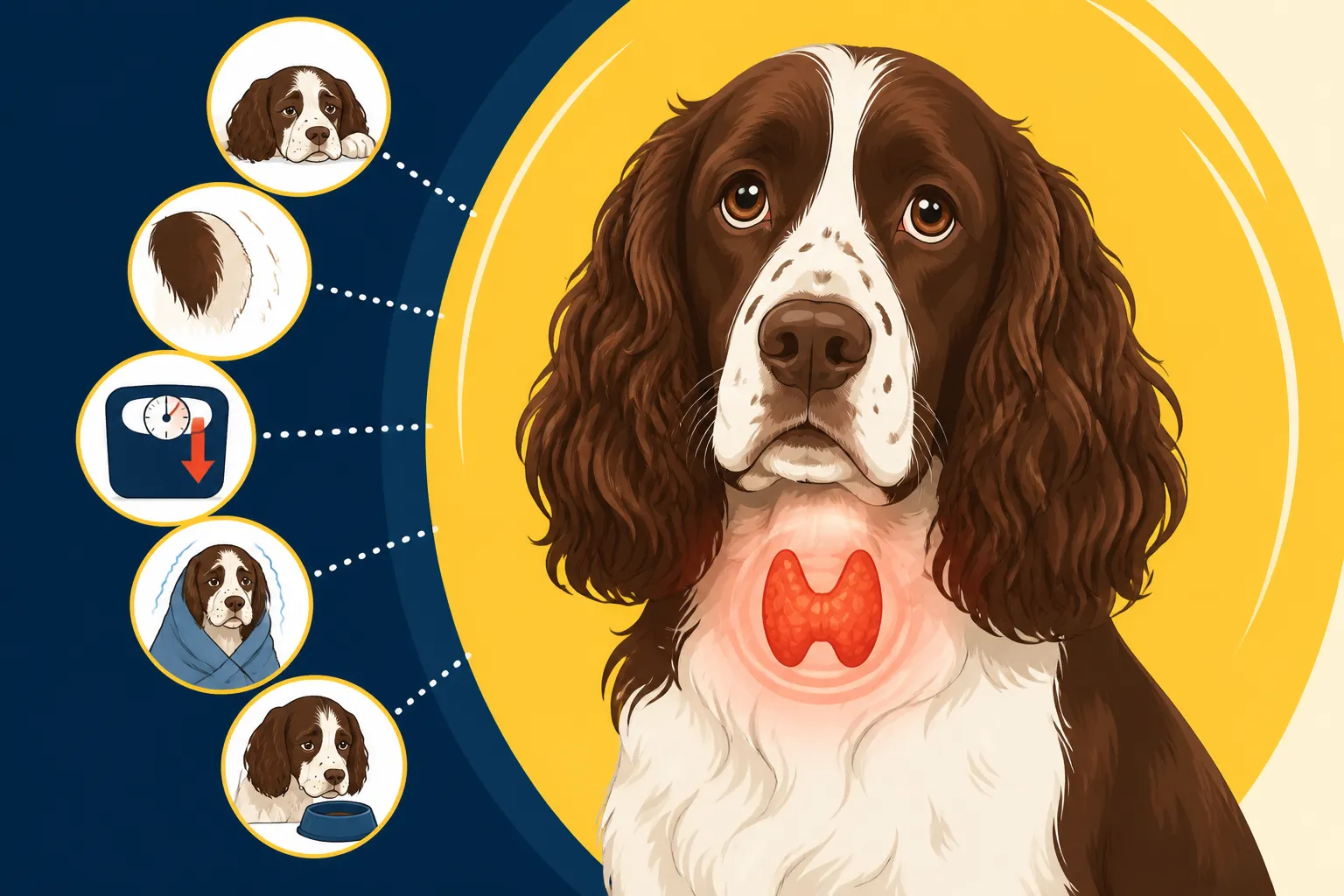
When we talk about a dog's health, the thyroid gland often flies under the radar until something goes wrong. It's a small, butterfly-shaped gland located in your Springer's neck, but it plays an absolutely huge role in regulating their metabolism. Think of it as the master control panel for how fast or slow everything in their body runs.
What is Canine Hypothyroidism?
Canine hypothyroidism is a condition where the thyroid gland doesn't produce enough thyroid hormones. These hormones, primarily T3 and T4, influence nearly every cell in the body. When production dips, the body essentially slows down. For dogs, this is overwhelmingly primary hypothyroidism, meaning the problem lies directly with the thyroid gland itself, rather than a problem in the brain signalling the thyroid.
While it can affect any breed, some breeds are more predisposed, and while Springer Spaniels aren't at the very top of that list like Golden Retrievers or Dobermans, they absolutely can and do develop it. It’s usually an acquired condition, meaning they're not born with it but develop it later in life, typically middle age (around 4-6 years old) and older. It's often caused by an immune-mediated destruction of the thyroid gland, where the body mistakenly attacks its own thyroid tissue, or by atrophy of the gland.
The Insidious Nature of Early Symptoms
This is where the frustration really sets in for us owners. The early signs of hypothyroidism are rarely dramatic. They creep up on you, often so subtly that you might dismiss them as normal aging, a lack of exercise, or even just a bad mood. You might notice your Springer just isn't quite themselves, but pinpointing why is the challenge.
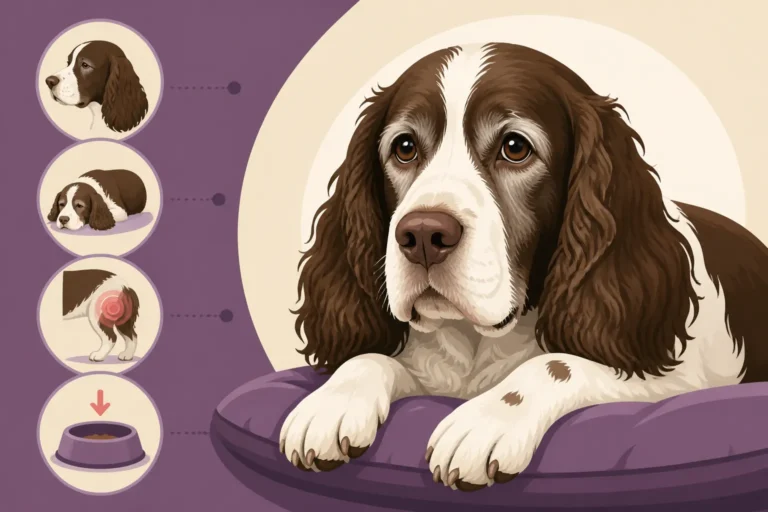
Perhaps your once-bouncy companion is now more content to snooze on the couch. Maybe their appetite is still robust, but they're starting to pack on a few extra pounds. These changes are so easily rationalized away, especially as your Springer moves into their senior years. It's critical to remember that while some slowing down is natural as your dog ages, significant, unexplained changes should always raise a red flag. What might seem like your dog Signs a Springer Spaniel Is Getting Old could actually be an underlying medical issue that is treatable.
Common Physical Signs of a Failing Thyroid
The physical manifestations of hypothyroidism are usually the most noticeable, though they still require a keen eye and often a process of elimination to properly attribute.
Changes in Coat and Skin
One of the classic indicators of a sluggish thyroid is a noticeable decline in your Springer's coat and skin health. Their beautiful, often dense coat, which you pride yourself on keeping groomed, might start to tell a different story.
You might observe symmetrical hair loss, particularly on the trunk, tail, or flanks. This isn't usually patchy or itchy, like with allergies, but more of a thinning that starts to look unkempt. The tail can sometimes lose so much hair it’s referred to as a "rat tail." The coat itself often becomes dry, dull, and brittle, losing its natural luster. If your Springer has been clipped for any reason, you might notice that the hair takes an unusually long time to grow back, or simply doesn't grow back at all in certain areas. This is a tell-tale sign that their metabolism isn't regulating hair follicle cycles correctly. Furthermore, the skin itself might thicken and become darker, a condition known as hyperpigmentation, sometimes taking on an almost leathery, "elephant skin" texture. Because the skin barrier is compromised, your Springer may also become more prone to secondary skin infections like pyoderma or seborrhea, leading to flaky, greasy skin. If you’ve ever wondered Whether a Springer Spaniel's Coat Thins With Thyroid Disease, hypothyroidism is a strong contender.
Weight Gain and Lethargy
This duo of symptoms often goes hand-in-hand and can be particularly frustrating for active Springer Spaniel owners. Your Springer is a breed known for its energy and boundless enthusiasm for walks, retrieves, and just generally being on the go. When that starts to wane, it's hard not to notice.
You might find your dog gaining weight, even if their diet hasn't changed or you've even tried to cut back a bit. This isn't just a few extra pounds; it can be significant, making your dog look noticeably heavier despite their frame. This weight gain isn't necessarily due to overeating but rather a slowed metabolism that isn't burning calories efficiently. Coupled with this is a profound sense of lethargy. Your Springer may become less enthusiastic about their usual activities, preferring to nap rather than play. Walks might become shorter and slower, and they might seem more sensitive to cold temperatures, always seeking out a warm spot. This decreased activity isn't just laziness; it's a genuine systemic slowing down of their bodily functions. While some slowing is expected as part of Caring for a Springer Spaniel Past Nine, when it feels excessive or happens relatively quickly, thyroid issues should be considered.
Behavioral and Other Less Obvious Indicators
Beyond the more visible physical changes, hypothyroidism can also subtly affect your Springer's demeanor and, in rarer cases, even their neurological function. These signs can be even harder to pinpoint, often being mistaken for personality quirks or just "getting older."
Temperament Shifts and Mental Dullness
A less obvious, but equally impactful sign of hypothyroidism can be a shift in your Springer Spaniel’s temperament. Because their entire system is slowing down, this can extend to their mental processes. You might notice a general dullness or disinterest in things they once enjoyed. They might seem less engaged, less responsive, or generally "out of it."
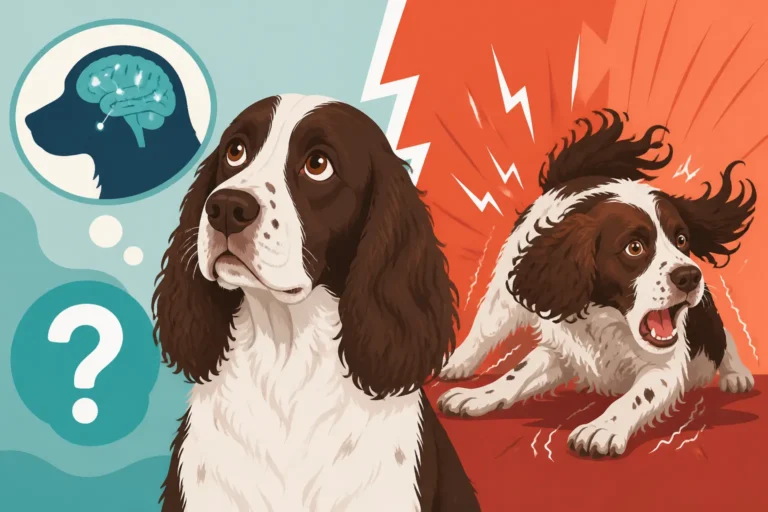
While less common and usually associated with more severe, long-standing cases, some owners report their hypothyroid dogs becoming more anxious, irritable, or even displaying uncharacteristic aggression. It’s vital to distinguish this from other behavioral issues or conditions like Rage Syndrome in an English Springer Spaniel, but if other symptoms of hypothyroidism are present, it certainly warrants investigation. If you've ever pondered Whether Thyroid Disease Changes a Springer Spaniel's Temperament, the answer is yes, it absolutely can, as their hormonal balance directly impacts their brain chemistry and overall well-being.
Reproductive and Neurological Issues
In intact breeding animals, hypothyroidism can manifest as significant reproductive problems. Female Springers might experience irregular or absent heat cycles, reduced fertility, or small, unhealthy litters. Males might show decreased libido or semen quality. These issues are often among the first clues for responsible breeders who are meticulously monitoring their dogs' health and performance.
While rare, severe, long-standing hypothyroidism can also lead to neurological complications. These are typically seen in very advanced cases and can include things like facial paralysis, weakness, or even seizures. Some dogs might present with a head tilt or a wobbly gait. Your veterinarian might also detect a slow heart rate (bradycardia) during a routine check-up, another sign that the body’s metabolic engine is running in slow motion. These severe signs underscore why early detection and treatment are so important.
What to Do If You Suspect Thyroid Issues
If any of these signs sound familiar, don't just wait and hope they disappear. Your Springer Spaniel relies on you to be their health advocate. Early intervention can make a world of difference in managing hypothyroidism and ensuring your dog maintains a good quality of life.
The Importance of a Vet Visit
The absolute first step is a trip to your veterinarian. Do not try to self-diagnose or treat with over-the-counter supplements. Hypothyroidism shares symptoms with many other conditions, and a professional diagnosis is crucial. When you go, be prepared to discuss all the subtle changes you've noticed, even if they seem insignificant. Your vet will perform a thorough physical exam, checking their weight, coat quality, heart rate, and overall demeanor. They'll also feel their thyroid gland, though it's usually not palpable unless it's enlarged. Remember, a comprehensive history from you is often half the diagnosis. Managing ongoing conditions like hypothyroidism can indeed add up, and that's where a good pet insurance provider like Healthy Paws can really step in and offer peace of mind. For an idea of potential costs, consider What a Springer Spaniel's Vet Bills Look Like.
Diagnostic Testing and Treatment
Diagnosing hypothyroidism typically involves blood tests. The most common initial screening tests measure total T4 (thyroxine) levels. However, a single T4 measurement can be misleading, as many non-thyroidal illnesses, certain medications (like steroids or NSAIDs), or even stress can temporarily lower T4 levels, a phenomenon known as "euthyroid sick syndrome." For this reason, your vet will likely recommend a more comprehensive thyroid panel, which often includes free T4 (an unbound, more biologically active form of T4) and canine TSH (thyroid-stimulating hormone) levels. High TSH combined with low T4 and free T4 is highly indicative of primary hypothyroidism. In some cases, your vet might also check for thyroid autoantibodies, which can indicate an immune-mediated cause. These comprehensive tests are very important, just as The DNA Test That Should Precede Every Springer Spaniel Purchase is vital for other genetic conditions.
The good news is that hypothyroidism is very manageable! Treatment involves lifelong daily oral administration of synthetic thyroid hormone, typically levothyroxine. This medication is relatively inexpensive, and most dogs respond wonderfully to treatment, often showing significant improvement in their symptoms within a few weeks. Their energy levels will bounce back, their coat will improve, and their weight will normalize. Regular follow-up blood tests will be needed to ensure the dosage is correct. While treatment is generally affordable, the initial diagnostic work-up and ongoing monitoring can add up. This is another area where many owners find pet insurance, such as a plan from Healthy Paws, invaluable. Having pet insurance, perhaps from a provider like Healthy Paws, can make those decisions a bit less stressful on your wallet, ensuring your Springer gets the best care. To budget for this, understanding What Insuring a Springer Spaniel Costs Monthly can be helpful.
Here's a quick summary of common symptoms to watch for:
| Symptom Category | Specific Signs to Look For |
|---|---|
| Coat & Skin | Symmetrical hair loss (flanks, tail, trunk) |
| Dull, dry, brittle coat, poor regrowth | |
| Thickened, darkened skin (hyperpigmentation) | |
| Recurrent skin infections, greasy skin | |
| Energy & Weight | Lethargy, reduced activity, increased sleeping |
| Unexplained weight gain | |
| Cold intolerance, seeking warm spots | |
| Behavioral | Mental dullness, disinterest |
| Irritability, anxiety (less common) | |
| Other | Slow heart rate (bradycardia) |
| Reproductive issues (infertility, irregular heats) | |
| Neurological signs (facial paralysis, seizures – rare) |
Disclaimer
The information provided in this guide is for informational purposes only and does not constitute veterinary advice. Always consult with a qualified veterinarian for any health concerns or before making any decisions related to your pet's health or treatment.