Dental Care for a Springer Spaniel That Carries Birds
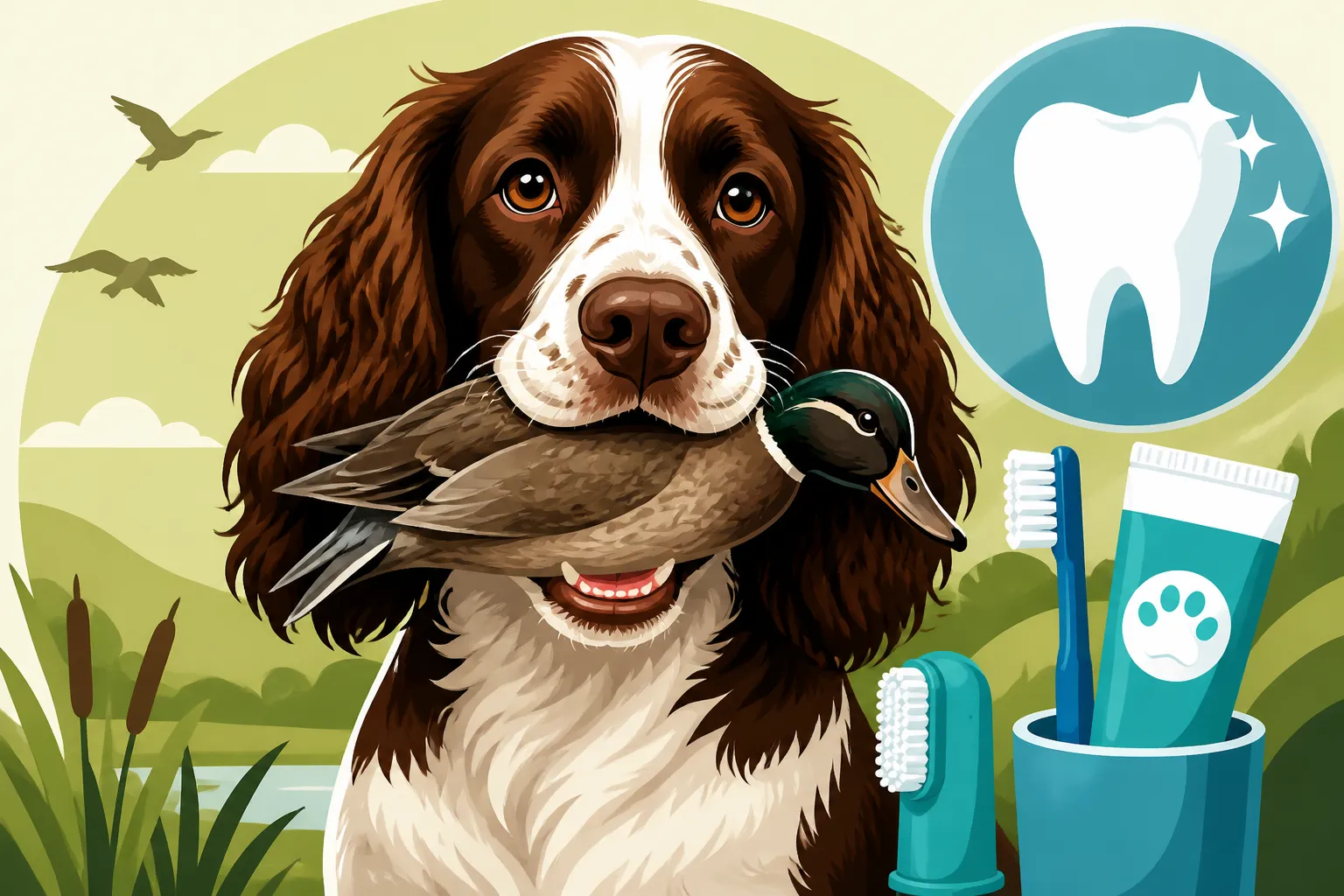
It’s a common scenario for many of us Springer Spaniel owners, especially those with dogs who live for their retrieve: you open your beloved dog’s mouth after a day in the field, maybe after they’ve proudly carried a few birds, and you suddenly notice something amiss. Perhaps a chipped tooth, or a tell-tale redness along the gum line that wasn't there last week. Dental health in a working Springer Spaniel isn't just about fresh breath; it’s intrinsically linked to their ability to do the job they love and maintain overall well-being. This guide will walk you through the unique dental challenges and proactive care strategies for a Springer Spaniel that carries birds, ensuring their chompers stay in top condition.
Understanding Your Springer Spaniel's Mouth and Its Job
Our Springer Spaniels are built for work, and that includes their mouths. They're not just for eating kibble; they're tools for seeking, flushing, and, crucially, retrieving game. This active role places specific demands and stresses on their teeth and gums that a less active pet might not experience. It means we need to think beyond just bad breath and consider the very structure and daily usage of their oral cavity.
The Anatomy of a Retriever's Jaw and Teeth
A Springer Spaniel’s mouth is a marvel of engineering, perfectly adapted for its job. They possess a strong jaw and a full complement of 42 permanent teeth, designed for grasping, carrying, and occasionally, giving a bird a gentle squeeze. Their incisors at the front are smaller, used for delicate tasks, while the larger canine teeth are for holding and preventing escape. The premolars and molars further back are crucial for chewing food, but in a working dog, they also bear the brunt of any pressure when gripping objects.
Imagine your Springer, perhaps a keen young dog still learning the ropes, making a retrieve on a pheasant. The bird's body might be firm, its bones presenting a rigid object in your dog's mouth. Or picture them carefully picking up a duck from icy water – the intense grip required can place significant force on their teeth. This isn't just about soft fabric dummies; these are real-world scenarios where their teeth are literally put to the test. Their mouths are designed for a purpose, and when that purpose involves repeatedly clamping down on various textures and densities, the wear and tear can be substantial. Understanding this natural design helps us appreciate why proactive care isn't just good practice, but a necessity.
The Impact of Carrying on Dental Wear
When a Springer Spaniel regularly carries birds, whether it’s during training sessions with dummies or actual hunting, their teeth are subjected to a unique form of stress and wear. Unlike dogs that only chew on toys, working retrievers frequently grip objects that are irregular in shape, sometimes hard, and often carry grit or debris from the field. This repeated action can lead to accelerated wear on the tooth enamel.
Think about a dog consistently retrieving frozen pigeons or sturdy plastic training dummies. The friction and pressure over time are similar to how a repetitive motion can wear down any tool. Over years of devoted service, these dogs can develop flattened incisors or even noticeable abrasions on their canines and premolars. What's more, the very act of carrying can sometimes lead to microfractures that aren't immediately obvious but can compromise the tooth's integrity over time. It's not always a dramatic break; sometimes it's a slow degradation that makes the tooth more susceptible to future damage or disease. It’s a testament to their dedication, but it also means we, as their owners, need to be hyper-vigilant about their oral health. A Springer that carries birds is essentially using its teeth as a specialized tool, and like any tool, they need careful maintenance.
Common Dental Problems in Working Springer Spaniels
While all dogs can suffer from dental issues, Springer Spaniels, especially those actively involved in working roles, face certain challenges with increased frequency. Their inherent drive to retrieve means their teeth are often subjected to scenarios that can lead to specific types of dental trauma or accelerated wear. Recognising these common problems is the first step in prevention and timely treatment.
Fractured Teeth from Hard Retrieves
This is perhaps one of the most immediate and worrying dental problems for a Springer Spaniel that carries birds. Whether it's a field trial champion or a beloved gun dog, the sheer enthusiasm with which they retrieve can sometimes lead to accidents. Imagine your dog, full of adrenaline, making a powerful retrieve on a frozen pheasant or a large, awkward-shaped dummy that lands poorly. The impact, or the force of their clamp, can easily result in a fractured tooth. The canine teeth and the large premolars are particularly vulnerable, as they are often the primary teeth used for gripping.
A fractured tooth isn't just a cosmetic issue; it can be incredibly painful and a gateway for serious infections. If the fracture extends into the pulp cavity (the center of the tooth where the nerves and blood vessels are), it exposes these sensitive tissues to bacteria from the mouth. This can lead to an abscess, severe pain, and potentially systemic infection. A dog in pain won't work happily or effectively. You might notice your Springer hesitating to pick up objects, chewing on one side of their mouth, or even showing subtle changes in their overall demeanor. Regular checks of your dog's mouth are crucial to catch these issues early. Missing even a small chip can have big consequences down the line, requiring complex dental procedures that could have been avoided.
Periodontal Disease and Its Silent Progression
While fractured teeth are often sudden and dramatic, periodontal disease is a silent, insidious threat that affects working Springers just as much, if not more, than other dogs. It starts with plaque, a sticky film of bacteria, food particles, and saliva, accumulating on the teeth. If not removed, plaque hardens into tartar (calculus), a rough, porous substance that adheres strongly to the tooth surface. The problem truly begins when this tartar extends below the gum line.
Below the gum line, tartar irritates the gums, leading to gingivitis – inflammation and redness that might cause some bleeding when your dog chews. Left unchecked, gingivitis progresses to periodontitis, where the inflammation spreads to the supporting structures of the tooth, including the bone. The bacteria release toxins that destroy these tissues, creating pockets around the teeth, loosening them, and eventually leading to tooth loss. A working Springer Spaniel with advanced periodontal disease will suffer from chronic pain, making it difficult to carry birds effectively and potentially impacting their overall health. The bacteria from severe dental disease can even enter the bloodstream and affect major organs like the heart, kidneys, and liver. Owners might notice bad breath, difficulty eating, pawing at the mouth, or a reluctance to engage in retrieving activities. Because working dogs are often so stoic, these signs can be easily missed until the disease is quite advanced, highlighting the importance of preventative care.
Avoiding Trauma from Foreign Objects
Beyond the usual wear and tear, working Springers often encounter environments rich with potential dental hazards. Their innate curiosity and strong retrieve drive mean they might pick up things in the field that are not meant for their mouths. This could be anything from sticks and stones to pieces of fencing wire or even discarded hunting debris. The problem is, unlike a controlled training dummy, these objects are unpredictable in shape, texture, and hardness, significantly increasing the risk of trauma.
A rogue stick splintering in their mouth, a stone unexpectedly crunching between molars, or an antler shed that's just a bit too hard can all lead to devastating dental injuries. These injuries can range from severe gum lacerations and punctures to chipped or completely fractured teeth. These can be particularly insidious because a dog might not show immediate, obvious pain, or the injury might be hidden deep in the back of the mouth. Think of the hidden dangers in a dense pheasant cover or alongside a riverbank. Burrs, Ticks and Grass Awns in a Working Springer Spaniel covers some other hidden dangers, but dental trauma from foreign objects is just as critical. The pain from such an injury can be acute and can instantly put an end to a dog's working day, if not lead to chronic issues. Keeping a close eye on what your Springer picks up, even when they’re just exploring, is vital, and ensuring they have appropriate, safe chew items at home can help curb the urge to gnaw on field finds.
Proactive Home Dental Care for Busy Spaniels
Maintaining your Springer Spaniel's oral health doesn't have to be an overwhelming task, even with their active lifestyle. Consistent home care is your first line of defense against the common dental issues we've discussed. It's all about establishing a routine that works for both you and your dog, making dental hygiene a positive, or at least tolerable, experience.
The Art of Brushing a Working Dog's Teeth
Brushing your Springer Spaniel's teeth is undeniably the gold standard for home dental care, just as it is for us. It mechanically removes plaque before it hardens into tartar. However, convincing an energetic, perhaps muddy, working dog to calmly let you brush their teeth isn't always a walk in the park! The key is to start early, make it positive, and be consistent. Begin with just getting your dog used to having your fingers in their mouth, then introduce a finger brush with a tasty, dog-specific toothpaste (never human toothpaste). Slowly graduate to a soft-bristled dog toothbrush.
Aim for daily brushing, or at least several times a week. Focus on the outside surfaces of the teeth, especially the upper molars and canines, as these tend to accumulate the most plaque. Don't forget the gum line where plaque loves to hide. Use gentle, circular motions. Many owners find success after a training session or a good run when their Springer is a bit more settled. Reward heavily with praise and a small, healthy treat afterward. If your dog is initially resistant, don't force it; keep sessions short and positive. There are many excellent resources on platforms like Chewy and Amazon for various dog toothbrushes and toothpastes, including enzymatic options that help break down plaque. Consistency truly is more important than perfection here. Even a quick brush makes a difference over time.
Choosing Safe Chews and Dental Treats
Beyond brushing, safe and appropriate dental chews and treats can play a significant role in managing plaque and tartar buildup. However, not all chews are created equal, and some can actually do more harm than good, especially for a dog with a powerful jaw like a Springer Spaniel. The goal is to find chews that are abrasive enough to scrape away plaque but soft enough not to fracture teeth.
Avoid anything that feels too hard to bend or break with your hands, or anything that you wouldn't want to hit your knee with – this includes many antlers, real bones, and some hard nylon chews. These items are notorious for causing slab fractures on molars. Instead, look for veterinarian-approved dental chews that carry the Veterinary Oral Health Council (VOHC) seal. This seal indicates that the product meets certain standards for plaque and tartar reduction. Think about options like softer rawhide alternatives, digestible dental sticks, or even specialized rubber chew toys that can be stuffed with dog-friendly pastes. Supervise your Springer when they’re enjoying chews to ensure they don’t break off large pieces or get into trouble. Companies like Chewy offer a wide selection of VOHC-approved products, allowing you to find the right fit for your dog's chewing habits.
Diet's Role in Oral Health
What your Springer Spaniel eats doesn't just impact their energy levels and coat health; it also plays a significant role in their dental well-being. While kibble alone isn't a substitute for brushing, the right diet can support overall oral health. Some kibbles are specifically designed with larger, fibrous pieces that mechanically scrub the teeth as the dog chews. These often have a VOHC seal as well.
Beyond special kibbles, the general quality of your dog's diet can influence their oral environment. A diet rich in high-quality protein and balanced nutrients supports healthy gums and strong teeth. Conversely, diets high in fermentable carbohydrates can contribute to plaque formation. Some owners explore fresh food diets, from services like Ollie, believing that the lack of highly processed ingredients and the natural enzymes can positively impact oral hygiene, though this is often debated and should be discussed with your vet. Regardless of the type of food, ensuring your Springer Spaniel maintains a healthy weight is also important, as obesity can be linked to increased inflammation, which includes gum inflammation. Feeding a Springer Spaniel That Works and One That Does Not provides more insight into their nutritional needs, which are intimately tied to their dental health.
| Dental Care Method | Pros | Cons | Specific for Working Springer Spaniels |
|---|---|---|---|
| Tooth Brushing | Most effective at removing plaque; cost-effective | Requires commitment & training; some dogs resist | Essential, as their mouths see more action and potential for debris. |
| VOHC-Approved Chews | Helps reduce plaque/tartar; satisfies chew drive | Can be expensive; choose carefully to avoid fractures; not a brush substitute | Good for dogs with strong chew drives, but must be chosen for safety. |
| Dental Water Additives | Easy to use; helps reduce bacteria in water | Less effective than brushing; taste may be rejected | Convenient for active dogs who drink a lot; supplementary, not primary. |
| Dental Sprays/Gels | Easy application for resistant dogs | Variable effectiveness; still requires mouth access | Can be a good alternative or supplement if brushing is difficult. |
| Specialized Dental Diets | Helps scrub teeth while eating; convenient | Can be more expensive; may not suit all dietary needs | Good for overall dental health, supporting mechanical cleaning. |
Professional Dental Care: Beyond the Home Routine
Even with the most diligent home care, professional dental attention is a non-negotiable part of keeping your working Springer Spaniel's mouth healthy. Just like humans, dogs need regular check-ups and cleanings that go beyond what we can achieve with a toothbrush and dental chews at home. These professional interventions are crucial for addressing issues that are developing below the gum line or identifying problems that might otherwise go unnoticed.
The Importance of Annual Vet Checks
Your annual veterinary examination should always include a thorough oral assessment, even if your Springer Spaniel shows no obvious signs of dental pain. During this check-up, your veterinarian will look for plaque and tartar buildup, gingivitis, fractured teeth, loose teeth, and any abnormalities in the gums, tongue, or oral tissues. They'll also be on the lookout for signs of oral masses or infections. Because our working Springers can be quite stoic about pain, these annual checks are incredibly important for spotting subtle issues before they become major problems.
A veterinarian has the expertise to identify the early stages of periodontal disease that might be hidden from an owner's view. They can also assess if any worn or chipped teeth warrant further investigation, especially for dogs frequently engaged in retrieving. This is your opportunity to discuss any concerns you might have, such as changes in your dog's chewing habits or reluctance to carry certain objects. They can also advise on the best home care products, whether it's recommending specific dental chews you can find on Amazon or a particular type of toothpaste. Think of these annual visits as preventative maintenance for your dog's most important working tool—their mouth.
Understanding Professional Dental Cleanings
When home care and annual checks aren't enough, your vet might recommend a professional dental cleaning, often referred to as a dental prophylaxis. Unlike your at-home efforts, a professional cleaning is performed under general anesthesia. This isn't just for comfort; it's essential for a thorough and safe procedure. Anesthesia allows the vet to fully examine every tooth surface, including the often-overlooked inside surfaces and below the gum line.
During the cleaning, specialized ultrasonic scalers and hand instruments are used to meticulously remove plaque and tartar from above and below the gum line. Each tooth is then polished to smooth the surface, making it harder for plaque to adhere in the future. Crucially, dental X-rays are often taken during these procedures. These X-rays reveal the health of the tooth roots and the bone surrounding them, identifying issues like abscesses, bone loss, or unerupted teeth that are impossible to see with the naked eye. For a working Springer, ensuring the integrity of those roots is paramount to their long-term ability to carry. Early intervention based on these findings can save teeth and prevent significant pain and expense down the road.
Addressing Advanced Dental Issues
Sometimes, despite our best efforts, a Springer Spaniel may develop more advanced dental issues that require specialized treatment. This could be due to a severe fracture from a hard retrieve, extensive periodontal disease, or even an infection that has taken hold deep within the jaw. These situations often go beyond a routine cleaning and might involve procedures like extractions, root canal therapy, or even advanced oral surgery.
If your Springer has a fractured tooth where the pulp is exposed, for instance, a root canal might be an option to save the tooth, especially if it’s a critical canine or molar important for carrying birds. If a tooth is too diseased or damaged to save, extraction becomes necessary. While losing a tooth sounds daunting, removing a painful, infected tooth can dramatically improve your dog's quality of life and prevent the spread of infection to other parts of the body. Post-extraction care is crucial, often involving pain management and soft food for a period, which can be easily sourced from reputable pet supply sites. In some complex cases, your veterinarian might refer you to a veterinary dental specialist, who has advanced training and equipment to handle intricate oral health problems. Recognizing when a problem is beyond routine care and seeking advanced help ensures your working companion remains comfortable and ready for their next adventure.
Disclaimer
This article is for general informational purposes only and does not constitute professional advice. Laws, prices and regulations vary by location and change over time. Consult a qualified professional for guidance on your specific situation.