Why a Springer Spaniel Needs a Gonioscopy
There’s a unique dread that washes over you when you notice something amiss with your beloved Springer Spaniel’s eyes. Maybe they’re a little cloudy, or perhaps your energetic companion is suddenly bumping into furniture. These unsettling signs can point to serious issues like glaucoma, a devastating condition for which a specialized eye exam called a gonioscopy is absolutely critical. This guide will walk you through why this procedure is so important for your Springer, what it involves, and what the results can mean for their future health.
Understanding Primary Glaucoma in Springer Spaniels
It’s heartbreaking to think of our active, bright-eyed Springers losing their sight, but unfortunately, primary glaucoma is a very real threat for the breed. Understanding this condition is the first step in protecting your furry family member.
The Silent Threat of Glaucoma
Glaucoma isn't just one disease; it's a group of conditions that damage the optic nerve, often due to abnormally high pressure inside the eye. For Springer Spaniels, the primary concern is primary glaucoma, which means it develops without any other underlying eye disease or injury causing it. This type is hereditary, passed down through generations, and it’s particularly insidious because it often progresses silently until significant damage has occurred.
Imagine a sink where the drain is slowly, imperceptibly clogging. The water flow remains steady, but eventually, the basin starts to fill up, overflowing if left unchecked. That’s a bit like what happens in the eye. The fluid inside the eye, called aqueous humor, is constantly produced and needs to drain away through a specific structure called the iridocorneal angle. If this drainage angle isn't working correctly, pressure builds up. This elevated pressure then starts to compress the delicate optic nerve, which transmits visual information to the brain. Once the optic nerve is damaged, vision loss is irreversible, and in severe cases, it can lead to complete blindness and intense pain. Many owners are shocked by how quickly it can progress, often feeling helpless as their dog suffers. Early detection, through methods like a gonioscopy, is truly their best defense. You can learn more about how this condition progresses by reading How Primary Glaucoma Blinds a Springer Spaniel.
Genetic Predisposition in the Breed
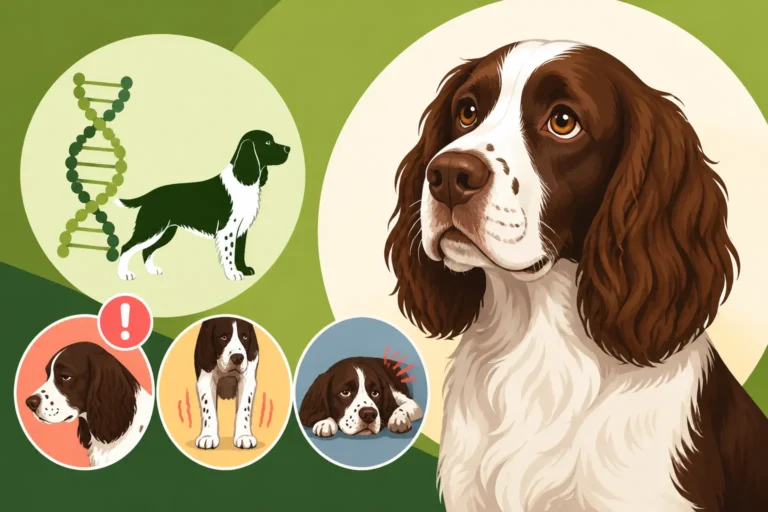
The sad truth is that Springer Spaniels are, unfortunately, genetically predisposed to developing primary glaucoma. This isn't just bad luck; it’s a trait that runs deep within certain bloodlines. This breed, along with several others like the Cocker Spaniel and Basset Hound, has a genetic makeup that makes them more susceptible to abnormalities in the eye's drainage angle. This hereditary link is what makes proactive screening so vital for anyone who owns or plans to breed a Springer Spaniel.
The specifics of this genetic inheritance can be complex, but generally, it's considered an autosomal recessive trait, meaning a dog needs to inherit a copy of the faulty gene from both parents to be affected, though carriers exist who show no signs but can pass it on. This genetic component is why simply looking at a dog’s parents and seeing they have good vision isn't enough; their genetic status for glaucoma susceptibility needs to be investigated. Reputable breeders are keenly aware of this and take steps to screen their breeding stock to avoid passing on this devastating condition. This is why a test like a gonioscopy is critical, as it provides a direct assessment of the physical structure that often fails in predisposed dogs. Understanding the risks can help prevent your Springer from becoming one of the many affected by Primary Glaucoma and the Springer Spaniel That Loses an Eye.
What Exactly is a Gonioscopy?
When your veterinarian suggests a gonioscopy, it’s natural to feel a little apprehensive, especially if you’ve never heard of it before. But understanding what this specialized test entails can alleviate a lot of that worry.
The Procedure Explained
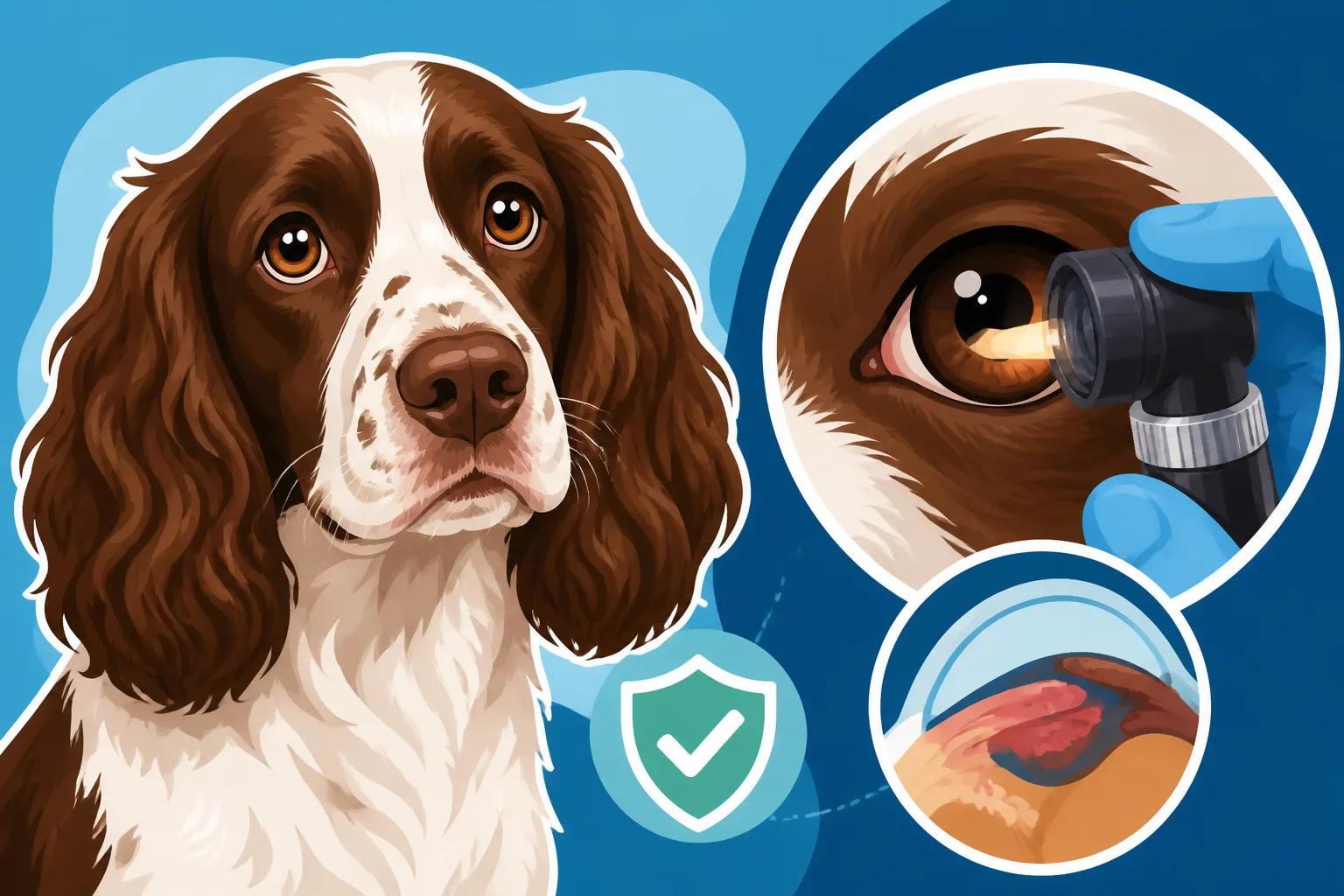
A gonioscopy is a specialized ophthalmic examination performed by a veterinary ophthalmologist to examine the iridocorneal drainage angle of a dog's eye. This isn't something your regular vet typically does with their standard equipment during a routine check-up, because it requires specialized tools and expertise. The procedure involves the use of a goniolens – a contact lens with mirrors – that is placed gently on the surface of your Springer’s eye after a topical anesthetic has been applied to numb it. The lens allows the ophthalmologist to get a clear, magnified view of the drainage angle, which is located in the periphery of the anterior chamber of the eye, usually obscured from direct view.
Your Springer Spaniel might receive a mild sedative for this procedure, not because it's painful, but primarily to keep them calm and still. This ensures the ophthalmologist can get an accurate, unobstructed view of the delicate structures. The entire process usually takes only a few minutes per eye. During the examination, the specialist will assess the width and structure of the drainage angle, looking for any abnormalities, blockages, or narrowness that could impede the flow of aqueous humor. They'll be checking for signs like pectinate ligament abnormalities (PLA), where strands of tissue stretch across the drainage angle, or dysplastic pectinate ligaments, which are indicative of a higher risk for glaucoma. It's a precise procedure that gives a crucial glimpse into the inner workings of your dog's eye, offering insights that no other test can provide.
Why It's More Than a Regular Eye Exam
You might be thinking, "My vet checks my dog's eyes all the time, isn't that enough?" And while a general veterinary eye exam is certainly important for overall ocular health, a gonioscopy goes far beyond what can be seen with a simple ophthalmoscope or penlight. A routine eye exam typically checks for things like corneal abrasions, cataracts, retinal health, and overall eye clarity. It can detect obvious signs of inflammation or infection, but it doesn't give a clear picture of the internal drainage structures.
Think of it this way: a regular check-up is like looking at the exterior of a house and noticing if the paint is peeling or a window is broken. A gonioscopy is like using a special camera to look inside the plumbing system to see if the pipes are narrow or clogged, even if the exterior looks fine. The critical difference lies in the specific focus on the iridocorneal angle. This angle is where the eye's fluid drains, and its health is paramount to preventing glaucoma. Because primary glaucoma is an inherited condition with a physical structural defect often at its root, a specialized exam is necessary. The equipment and training required mean that only a board-certified veterinary ophthalmologist can reliably perform and interpret a gonioscopy. So, while your Springer needs Whether a Springer Spaniel Needs a Yearly Eye Exam, a gonioscopy is a specialized diagnostic tool for a very specific, serious threat.
Interpreting Gonioscopy Results for Your Springer
Once your Springer Spaniel has undergone a gonioscopy, the wait for the results can feel agonizing. Understanding what the ophthalmologist tells you is key to making informed decisions for your dog’s care and future.
Open vs. Narrow Angles
The primary goal of a gonioscopy is to assess the drainage angles of the eye. The ophthalmologist will categorize these angles, usually into "open" or "narrow/closed." An open drainage angle means that the structures responsible for draining the aqueous humor are wide and clear, allowing fluid to flow out freely. This is the ideal scenario and indicates a lower risk of developing primary glaucoma. Even with open angles, an ophthalmologist might note minor abnormalities, but generally, this is a good result. It brings immense relief to owners to know their dog has a clear path for eye fluid.
On the other hand, narrow or closed angles are a significant red flag. This means the drainage structures are constricted or partially blocked, making it difficult for fluid to exit the eye. The more severe the narrowing, the higher the risk of intraocular pressure building up, leading to glaucoma. In some cases, the ophthalmologist might describe the presence of extensive pectinate ligament abnormalities (PLAs) or dysplasia, which are abnormal tissue formations that further obstruct the drainage. For Springer Spaniels with significantly narrowed angles, the risk of developing glaucoma is substantially elevated, and it often leads to vigilant monitoring or even preventative measures. Understanding these classifications is critical, as it directly correlates with your Springer's predisposition to this blinding disease.
Implications for Breeding and Future Health
The results of a gonioscopy have profound implications, particularly for breeding Springer Spaniels. For responsible breeders, these results are non-negotiable. A Springer Spaniel with significantly narrowed drainage angles or evidence of severe pectinate ligament abnormalities should ideally not be bred. Breeding such an animal runs the very high risk of passing on the genetic predisposition for primary glaucoma to their offspring, perpetuating a cycle of suffering. Many breed clubs and health organizations advocate for mandatory gonioscopy screening for all breeding stock, and some even require it for puppies to be registered. This is part of a larger effort to breed healthier dogs and reduce the prevalence of inherited diseases. This information is so vital that it's considered alongside other genetic health screens that The DNA Test That Should Precede Every Springer Spaniel Purchase.
For pet owners whose Springers are found to have narrow angles, while it might not immediately mean a glaucoma diagnosis, it certainly means a lifetime of proactive management. Your vet ophthalmologist will likely recommend regular re-examinations to monitor intraocular pressure and the drainage angle's condition. They might advise daily preventative eye drops if the risk is very high, or at least suggest you be incredibly vigilant for any signs of discomfort or changes in your dog’s eyes. This could include slight cloudiness, excessive blinking, redness, or a dilated pupil. Being prepared and informed means you can intervene at the earliest sign, potentially saving your Springer’s vision. This ongoing monitoring can involve significant vet visits and potential costs, making a good pet insurance plan like those offered by Healthy Paws a wise consideration. It’s a commitment, but it’s one made out of love for your companion and ensuring you understand Whether a Springer Spaniel With Narrow Drainage Angles Should Be Bred.
When and How Often Should Your Springer Be Tested?
Knowing that your Springer needs a gonioscopy is one thing, but figuring out when and how often to schedule it can be confusing. Let’s clear up those timelines.
Ideal Age for First Screening
The general consensus among veterinary ophthalmologists is that the ideal age for a Springer Spaniel to undergo their first gonioscopy is between 6 months and 1 year of age. This timeframe is crucial because the drainage angles are typically fully developed by this point, and any congenital abnormalities or predispositions will be evident. Screening at this age allows breeders to make informed decisions about their future breeding stock and gives pet owners an early warning, enabling them to establish a baseline for their dog’s ocular health. If you are getting a puppy, inquire with the breeder about their screening protocols, including gonioscopies. Reputable breeders often screen their puppies or their breeding adults and can provide documentation.
Some breeders might opt to screen even earlier, or just their breeding adults, but a screening performed on the individual dog you are considering owning gives the most accurate picture for that specific animal. If you've adopted an adult Springer Spaniel and their history is unknown, getting a gonioscopy done as soon as possible is highly recommended. It’s never too late to gain this vital information, as glaucoma can strike at any age, though it often manifests in middle-aged to older dogs. Having this baseline early helps you understand your Springer's inherent risk and informs discussions with your vet about their long-term eye care. This proactive approach should be considered alongside checks like Whether a Springer Spaniel Puppy's Eyes Are Checked at Eight Weeks.
Follow-Up and Monitoring Schedules
Just like an oil change for your car, a single gonioscopy isn’t usually a one-and-done deal, especially if your Springer has any degree of narrowed angles or other risk factors. For dogs with perfectly open angles and no abnormalities, your veterinary ophthalmologist might recommend re-screening every 2-3 years, or if any new symptoms arise. This periodic check ensures that no age-related changes or subtle developments are missed. Remember, some conditions can progress slowly, and what was open at one year might show minor changes by three or five.
However, for Springer Spaniels identified with narrower drainage angles, a more frequent monitoring schedule is absolutely critical. This could mean a gonioscopy every year or even every six months, depending on the severity of the narrowing and the specialist's assessment. These follow-up appointments often include a re-evaluation of the drainage angles, combined with tonometry (measuring the eye pressure) to catch any increases early. The goal is to detect any pressure elevation before significant optic nerve damage occurs. Being diligent with these appointments, even if your dog seems perfectly fine, is a profound act of care. It’s important to know Whether a Gonioscopy Should Be Repeated on a Springer Spaniel, as consistency in monitoring can literally save your dog's sight. The peace of mind and potential to preserve vision far outweigh the inconvenience of these appointments.
| Drainage Angle Classification | Glaucoma Risk Level | Recommended Monitoring | Breeding Recommendation |
|---|---|---|---|
| Wide Open Angle | Low | Every 2-3 years | Acceptable for breeding |
| Mildly Narrowed Angle | Moderate | Annually | Exercise caution, consider not breeding |
| Moderately Narrowed Angle | High | Every 6-12 months | Not recommended for breeding |
| Severely Narrowed/Closed Angle | Very High | Every 3-6 months, or as needed | Should not be bred |
| Pectinate Ligament Dysplasia | High | Annual to semi-annual | Not recommended for breeding |
Managing an At-Risk Springer Spaniel
Discovering your Springer Spaniel is at risk for glaucoma can feel like a heavy blow. It's a scary diagnosis, but it's important to remember that knowledge is power. You can take proactive steps to manage their health and well-being.
Proactive Measures and Lifestyle Adjustments
If your Springer Spaniel has been identified with narrow drainage angles, it doesn't mean glaucoma is inevitable tomorrow, but it does mean a heightened level of vigilance and commitment to proactive care. One of the primary proactive measures often recommended by veterinary ophthalmologists is the daily administration of specific eye drops. These drops, such as prostaglandin analogs or carbonic anhydrase inhibitors, work to either increase fluid outflow or decrease fluid production, helping to maintain normal intraocular pressure and delay the onset of glaucoma. It's a routine that takes consistency, but it's a small effort for a potentially huge payoff. This is a common part of the care plan for dogs with high intraocular pressure, and you can delve deeper into the effectiveness of Whether Eye Drops Save a Springer Spaniel's Sight.
Beyond medication, lifestyle adjustments can also play a role. While direct links between diet/exercise and glaucoma aren't as strong as genetics, maintaining your Springer's overall health is always beneficial. Keep them at a healthy weight to avoid any additional systemic stress. Ensure they get regular, but not overly strenuous, exercise, and try to keep their environment calm and stress-free. Stress can sometimes influence eye pressure, so a predictable, loving home routine is best. Most importantly, establish a strong relationship with your veterinary ophthalmologist. They are your best resource for tailored advice and will guide you through monitoring schedules and intervention strategies. These specialized vet visits and potential long-term medications can add up, so having a robust pet insurance plan like Healthy Paws can truly alleviate some of the financial burden, allowing you to prioritize your Springer's health without constant worry about costs.
The Importance of Early Detection and Intervention
The phrase "early detection is key" might sound cliché, but for glaucoma in Springer Spaniels, it’s profoundly true. Primary glaucoma can progress incredibly rapidly, sometimes causing irreversible vision loss within days or even hours once symptoms become apparent and the eye pressure spikes significantly. Many owners only realize something is terribly wrong when their dog is already in severe pain, rubbing their eye, or showing obvious signs of vision impairment, such as bumping into walls or refusing to go downstairs. By this point, the damage to the optic nerve is often substantial, and saving the affected eye becomes a desperate struggle. Recognizing Whether a Springer Spaniel's Glaucoma Comes On Suddenly is a crucial part of being prepared.
Having a gonioscopy performed and knowing your Springer’s risk factors allows you to be prepared. If you know your dog is high-risk, you’ll be much more likely to notice the subtle signs of increased eye pressure, like slight cloudiness, a dilated pupil, or even just a change in their demeanor, and seek immediate veterinary attention. Rapid intervention with medication to lower intraocular pressure, or even surgical options in some cases, can make all the difference in preserving vision and relieving pain. It prevents the unimaginable anguish of watching your dog suffer from Whether a Springer Spaniel's Glaucoma Is Painful and ensures you have the best chance to protect their precious sight for as long as possible. The peace of mind that comes from being proactive is invaluable.
Disclaimer
This article is for general informational purposes only and does not constitute professional advice. Laws, prices and regulations vary by location and change over time. Consult a qualified professional for guidance on your specific situation.