Whether a Springer Spaniel’s Glaucoma Comes On Suddenly
One of the most heartbreaking things for any Springer Spaniel owner is seeing their beloved dog suddenly in pain, especially when it concerns something as vital as their eyesight. Many of us have heard whispers of glaucoma, and the fear that it could strike without warning, leaving our energetic companions disoriented and suffering, is a very real concern. This guide is here to shed light on whether a Springer Spaniel's glaucoma truly comes on suddenly, what to look for, and how to act swiftly to protect your dog's precious vision.
The Alarming Onset of Glaucoma in Springer Spaniels
When it comes to glaucoma in Springer Spaniels, the question of its onset isn't a simple yes or no. While some types of glaucoma can indeed develop slowly over time, the form most commonly seen in our Springers, known as primary angle-closure glaucoma, often does present with a terrifying suddenness. One day your dog might be romping happily in the yard, and the next, you wake up to an eye that's red, swollen, and clearly causing immense discomfort. This abrupt change is what makes it so frightening and why understanding the signs and acting immediately is absolutely critical.
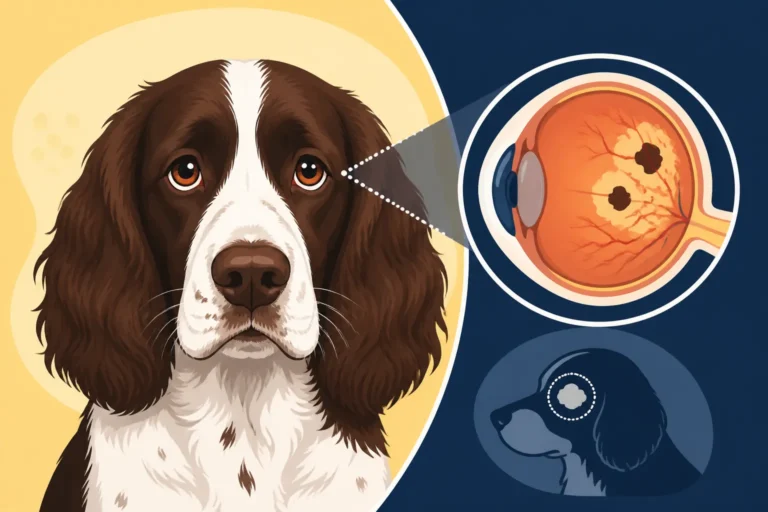
This isn't like a slow-burning infection that gives you days to notice. With acute primary glaucoma, the intraocular pressure (IOP) inside the eye can spike dramatically within hours. Imagine an unbearable headache localized solely to your eye – that's often what your Springer is experiencing. This rapid increase in pressure quickly damages the optic nerve, which transmits visual information to the brain, and if not treated, can lead to irreversible blindness shockingly fast. It's a true veterinary emergency, and knowing this distinction can be the difference between preserving some vision or losing it entirely. The suddenness is less about the underlying condition appearing overnight, and more about the acute crisis that erupts when the eye's drainage system suddenly fails.
Understanding Primary Glaucoma in Springer Spaniels
To truly grasp why glaucoma can be so sudden in our Springers, we need to understand the mechanics behind it. English Springer Spaniels are genetically predisposed to a specific type called primary angle-closure glaucoma (PACG). This isn't just bad luck; it's written into their genetic code, making them a high-risk breed. This predisposition means their eyes are built in a way that makes them vulnerable to this sudden increase in pressure.
The Inner Workings of the Eye and Glaucoma
Inside a healthy eye, there's a delicate balance of fluid production and drainage. A clear fluid called aqueous humor is constantly produced, nourishing the eye, and then it drains out through a structure called the drainage angle. In Springers with PACG, this drainage angle is anatomically narrow or abnormally formed. Think of it like a clogged sink – if the drain is too narrow or gets blocked, the water builds up rapidly. When this drainage angle suddenly closes or becomes severely restricted, the fluid can't escape, and the pressure inside the eye skyrockets. This is the moment of crisis.
It’s not that the eye suddenly "develops" glaucoma; rather, the anatomical predisposition has always been there. The sudden onset is when that predisposition manifests into an acute blockage. This rapid pressure build-up explains why, one moment, your Springer seems fine, and the next, they're exhibiting severe signs of pain and visual impairment. For a deeper dive into how this process unfolds, you might want to read about How Primary Glaucoma Blinds a Springer Spaniel.
Genetic Predisposition and Gonioscopy
The genetic component is huge for our Springers. Researchers have identified genetic markers that increase the risk, but even without a direct genetic test for glaucoma itself, the anatomical structure is key. This is where a procedure called gonioscopy comes into play. A veterinary ophthalmologist can perform a gonioscopy to examine the drainage angles of a Springer Spaniel's eyes. This allows them to see if the angles are abnormally narrow, indicating a higher risk for developing PACG. It’s a crucial screening tool, especially for breeding dogs, and for a deeper understanding of its importance, check out Why a Springer Spaniel Needs a Gonioscopy.
For owners, knowing your dog's genetic lineage and any history of glaucoma in their family tree is invaluable. Responsible breeders will often have their dogs screened, and this information should ideally be available when you acquire a puppy. While a narrow angle doesn't guarantee glaucoma, it's a significant warning sign that the dog is living with a ticking time bomb, and the sudden closure of that angle can happen at any time.
Recognizing the Acute Signs of Glaucoma
Because glaucoma can come on so suddenly, recognizing the signs immediately is paramount. Every minute counts when an eye's pressure is spiking, as sustained high pressure causes irreversible damage to the optic nerve. As a Springer owner, you're the first line of defense, and knowing what to look for can make all the difference.
Signs of Pain and Discomfort
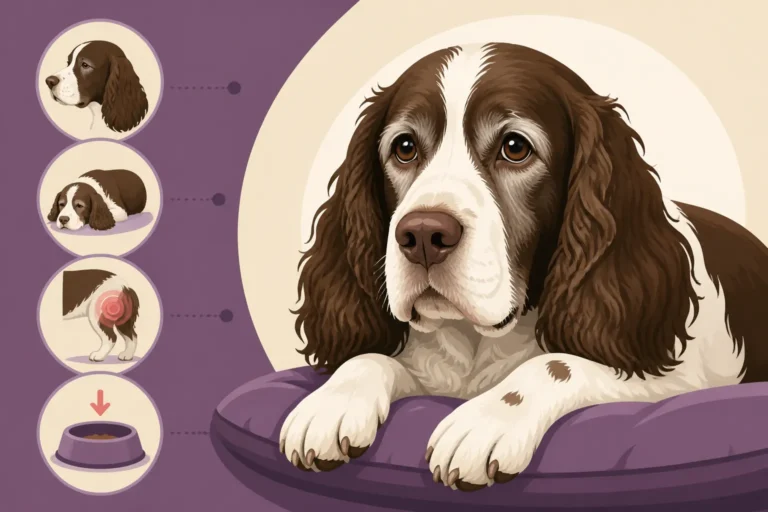
The most immediate and often distressing sign of acute glaucoma is pain. Our Springers are typically stoic, but the discomfort from glaucoma is hard to hide. You might notice your dog:
- Squinting or holding the affected eye shut: This is a direct response to the pain, trying to protect the eye from light and external stimuli.
- Pawing at the eye: They're trying to relieve the pressure or irritation, sometimes frantically.
- Rubbing their face on furniture or the ground: Similar to pawing, this is an attempt to alleviate discomfort.
- Increased tearing: The eye might water excessively as it attempts to flush out the irritant, or simply due to pain.
- Lethargy or loss of appetite: General signs of feeling unwell, often accompanied by a reluctance to play or engage.
- Reluctance to be touched around the head: They might flinch or pull away if you try to examine their eye, indicating sensitivity and pain.
If you suspect your Springer Spaniel is experiencing eye pain, it's an emergency. You can find more detailed information on what to watch for by reading Whether a Springer Spaniel's Glaucoma Is Painful. Don't wait to see if it improves; immediate veterinary attention is vital.
Visible Changes in the Eye
Beyond the behavioral signs, the affected eye itself will undergo noticeable changes. These are critical visual cues that something is seriously wrong:
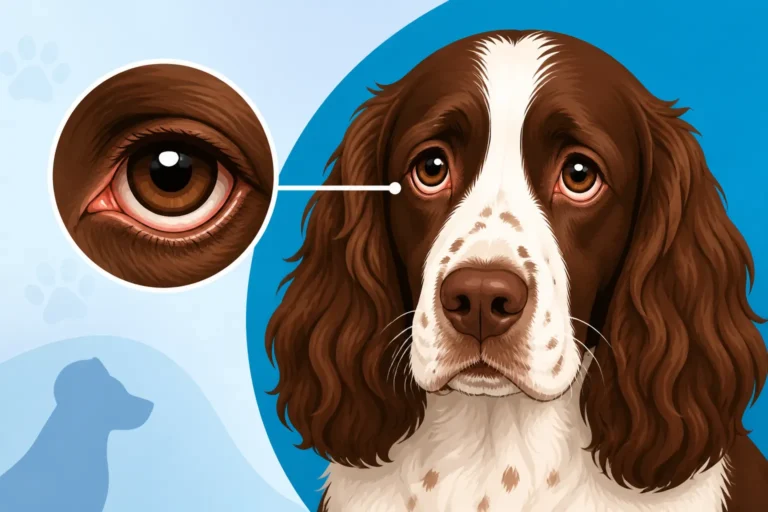
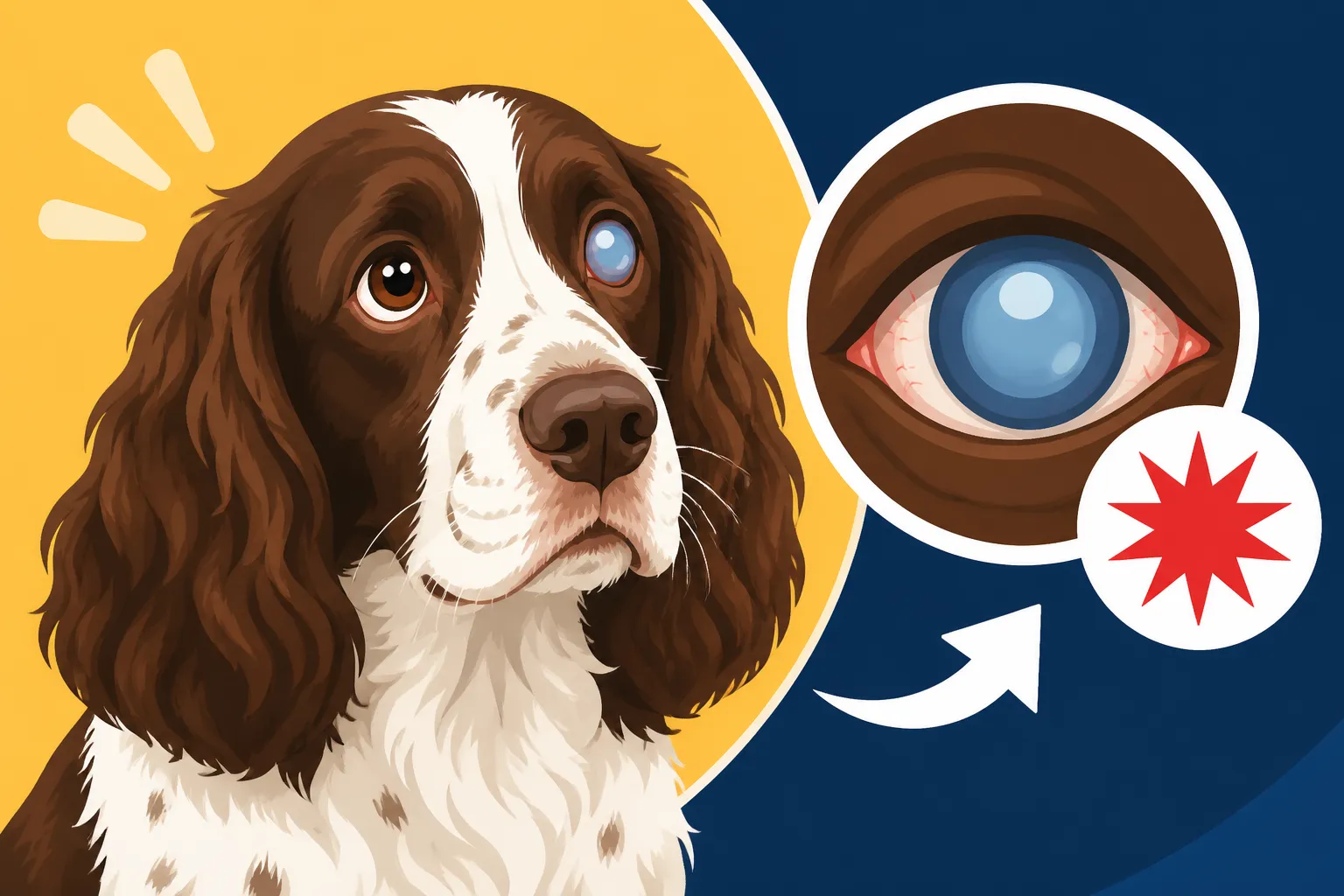
- Redness: The white part of the eye (sclera) will appear very red and bloodshot due to inflammation and engorged blood vessels.
- Cloudiness or haziness: The cornea (the clear front surface of the eye) might look cloudy, bluish, or hazy. This is caused by corneal edema, where fluid accumulates in the cornea due to the high pressure.
- Dilated pupil: The pupil of the affected eye may appear larger than the other eye and might not respond normally to light.
- Swelling or bulging: In severe cases, the entire eyeball might appear enlarged or protrude slightly from its socket, a condition called buphthalmia. This indicates chronic, uncontrolled pressure, but can appear more acutely with a sudden spike.
- Blindness or impaired vision: You might notice your dog bumping into things, especially on the side of the affected eye, or appearing disoriented. They may hesitate on stairs or unfamiliar terrain. If the pressure has been high for even a few hours, vision loss can occur rapidly.
It's important to remember that these changes often affect only one eye first. However, due to the bilateral nature of primary angle-closure glaucoma in Springers, the other eye is always at high risk of developing the same condition, even if it looks perfectly normal now. In fact, many Springer Spaniel owners eventually face the difficult reality of Whether a Springer Spaniel Loses Both Eyes to Glaucoma. This makes ongoing vigilance and preventative care for the unaffected eye critically important.
Managing a Glaucoma Crisis and Long-Term Care
Discovering your Springer Spaniel has acute glaucoma is terrifying. Your immediate response will largely determine the outcome for your dog's vision and comfort. This isn't a situation for "wait and see" – it's an emergency that demands immediate action.
The Emergency Vet Visit
If you observe any of the sudden signs of acute glaucoma, drop everything and get to an emergency veterinary clinic or a veterinary ophthalmologist immediately. Time is absolutely of the essence. The goal of emergency treatment is to rapidly reduce the intraocular pressure to prevent further damage to the optic nerve. This usually involves:
- Medicated eye drops: These are often potent drugs designed to quickly reduce fluid production or increase drainage.
- Systemic medications: Oral or injectable medications might be given to further reduce pressure throughout the body.
- Pain management: Since glaucoma is incredibly painful, your vet will also administer pain relief.
During this stressful time, you'll be making tough decisions. Having pet insurance, like a plan from Healthy Paws, can be a huge relief, allowing you to focus on your dog's care without immediate financial strain. They often help cover a significant portion of emergency treatments and ongoing care.
Treatment Options and Prognosis
Once the initial crisis is managed, the long-term outlook depends on how much damage has already occurred and how well the pressure can be controlled.
- Medication: For many Springers, especially if caught very early, a regimen of eye drops and sometimes oral medications will be prescribed to maintain lower pressure. This often means applying drops multiple times a day, every day, for the rest of your dog's life. It's a significant commitment, but it can literally save their sight. However, medications don't always fully prevent future spikes. Understanding Whether Eye Drops Save a Springer Spaniel's Sight is crucial for setting realistic expectations.
- Surgery: If medical management isn't enough, or if the eye has already lost vision and is painful, surgical options might be considered.
- Laser cyclophotocoagulation: This procedure aims to reduce the fluid-producing capacity of the eye.
- Drainage implants: Tiny tubes can be surgically placed to help drain fluid from the eye.
- Enucleation (eye removal): In cases of irreversible blindness and intractable pain, removing the eye is often the kindest option to ensure the dog's comfort and quality of life. While this sounds drastic, dogs adapt remarkably well to living with one eye or even no eyes. Whether a Blind Springer Spaniel Copes at Home is a testament to their resilience.
The prognosis for vision in the affected eye is often guarded, especially with a sudden, acute onset. However, consistent and immediate treatment can sometimes save some functional vision or, at the very least, alleviate pain and improve quality of life.
Prevention and Screening: Protecting Your Springer Spaniel's Eyes
Given the sudden and devastating nature of primary glaucoma in Springer Spaniels, proactive prevention and screening are critical, especially if you have a dog from a high-risk line or are considering breeding. This isn't just about reacting to a crisis; it's about potentially preventing one or mitigating its impact.
Regular Ophthalmic Examinations
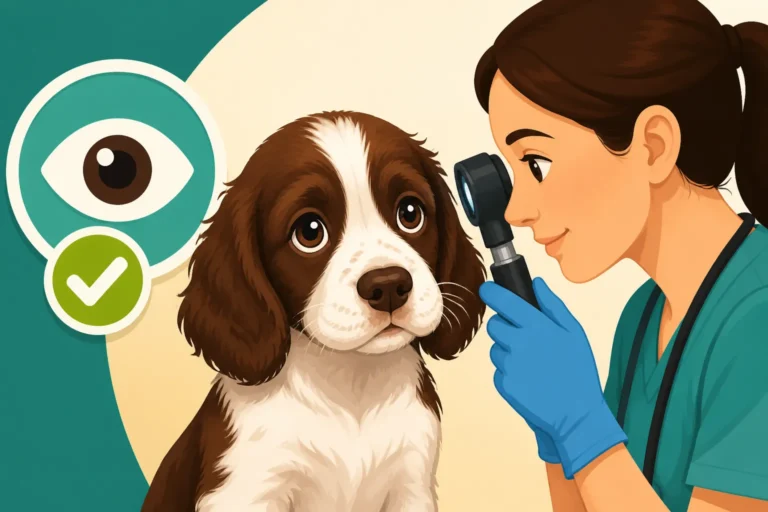
Every Springer Spaniel, regardless of age or apparent health, should have regular comprehensive eye exams performed by a board-certified veterinary ophthalmologist. This isn't just a quick peek by your general vet; it's a specialized examination that can detect subtle signs of disease before they become an emergency. These exams typically include:
- Schirmer Tear Test: Measures tear production.
- Tonometry: Measures the intraocular pressure (IOP). This is non-invasive and provides a direct reading of eye pressure.
- Slit-lamp biomicroscopy: Allows detailed examination of the front of the eye.
- Indirect ophthalmoscopy: Allows examination of the back of the eye, including the retina and optic nerve.
These regular check-ups are paramount, even when your dog seems perfectly healthy. Early detection of slightly elevated pressure or subtle changes can lead to earlier intervention, potentially slowing the disease's progression.
The Importance of Gonioscopy for Breeding Stock
For any Springer Spaniel intended for breeding, gonioscopy is absolutely essential. This specialized procedure, as mentioned earlier, allows the ophthalmologist to directly visualize the drainage angle of the eye. Dogs identified with abnormally narrow or occluded drainage angles should be removed from breeding programs. This is a critical step in reducing the incidence of this painful and blinding disease in future generations. You can learn more about this by looking at Whether a Springer Spaniel With Narrow Drainage Angles Should Be Bred.
Reputable breeders will be transparent about the results of their breeding dogs' eye certifications and gonioscopy results. Don't be shy about asking to see these certifications, as they are a strong indicator of a breeder's commitment to the health of the breed. This, alongside other genetic health screenings for common Springer issues, forms part of The DNA Test That Should Precede Every Springer Spaniel Purchase.
Proactive Care and Vigilance
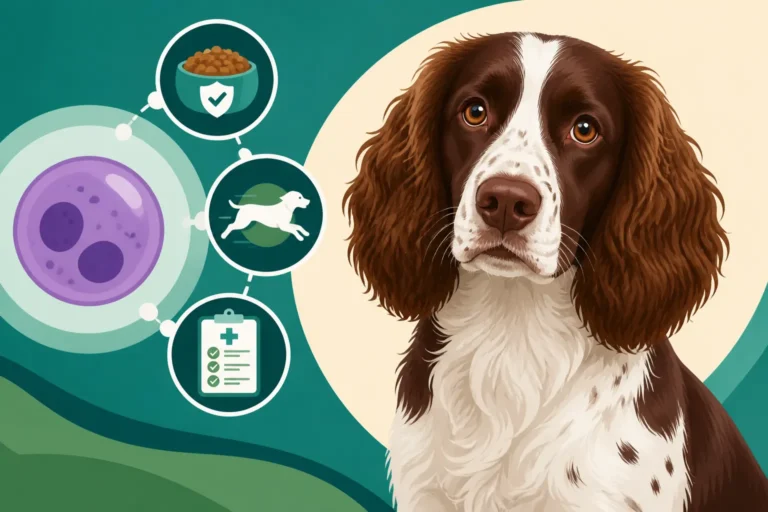
Beyond formal screenings, daily vigilance is part of being a responsible Springer Spaniel owner. Develop a habit of routinely checking your dog's eyes. Look for any changes in appearance – redness, cloudiness, pupil size – or behavior, such as excessive blinking, squinting, or pawing at the face. If you notice anything out of the ordinary, contact your vet. It's always better to be safe than sorry, and a quick vet visit for an eye concern could prevent a lifetime of pain and blindness.
Remember, while the initial crisis of glaucoma can indeed strike suddenly, the underlying predisposition is often inherited. By being informed, vigilant, and working closely with your veterinarian and a veterinary ophthalmologist, you can give your beloved Springer Spaniel the best possible chance against this challenging condition. This ongoing commitment to care, from regular vet visits to specialized eye care, is an investment in your dog's comfort and happiness, and a good pet insurance policy like Healthy Paws can certainly help manage those costs over time.
Disclaimer
This article is intended for informational purposes only and does not constitute veterinary advice. Always consult with a qualified veterinarian or veterinary ophthalmologist for any health concerns or before making any decisions about your pet's medical care.