Apoquel for a Springer Spaniel’s Itch
That relentless itching, licking, and chewing can turn your sweet, energetic English Springer Spaniel into a miserable mess, and let's be honest, it makes you pretty miserable too. You've probably tried everything from oatmeal baths to special diets, only to watch your poor pup go right back to scratching. When the constant discomfort disrupts their sleep and yours, and traditional remedies fall short, many vets turn to a targeted medication like Apoquel. This guide is here to demystify Apoquel, explaining exactly what it is, how it works to provide relief, and what you should consider if it's suggested for your itchy Springer.
Decoding Apoquel: How It Tackles Your Springer Spaniel's Itch
It's a huge relief when your veterinarian suggests something that actually works for your Springer's persistent itch, and often, that suggestion is Apoquel. But what exactly is this medication, and how does it manage to quiet that relentless scratching when so many other things haven't? It's not just another antihistamine; it's a bit more advanced in its approach.
The Science Behind the Soothing
Apoquel, known generically as oclacitinib, isn't your grandma's allergy pill. It belongs to a class of drugs called Janus kinase (JAK) inhibitors. Now, that might sound intimidating, but what it means for your Springer Spaniel is pretty cool. Instead of just masking symptoms, Apoquel works by specifically targeting and inhibiting certain pathways in the body that are responsible for causing itch and inflammation. Think of it like a very precise switch that turns off the specific signals telling your dog, "Hey, you're itchy!" without broadly suppressing the entire immune system.
Many of our Springers suffer from atopic dermatitis, which is essentially an allergic skin disease often triggered by environmental factors like pollen, dust mites, or molds. The body reacts to these normally harmless substances as threats, launching an immune response that manifests as intense itching. Apoquel intervenes in this process by blocking the activity of specific enzymes (JAK1 and JAK3) that transmit the "itch and inflammation" messages from allergens to the brain. This targeted action means it can provide rapid relief for allergic itching in a way that more general anti-inflammatories or antihistamines often can't. It's a game-changer for many owners who've watched their dogs suffer endlessly.
Fast Relief: How Quickly Does It Work?
One of the most appealing aspects of Apoquel for desperate owners and their itchy Springer Spaniels is how quickly it gets to work. You're probably used to trying new things and waiting weeks, or even months, to see any noticeable difference. With Apoquel, the relief can be surprisingly swift. Many owners report seeing a significant reduction in their dog's scratching, licking, and chewing within just a few hours, often within the first 24 hours of administration. Imagine the relief you'll feel, and more importantly, your dog will feel, when that incessant discomfort begins to subside so rapidly.
This fast-acting nature is a huge boon, especially for dogs who are truly miserable. It allows your Springer to stop self-traumatizing their skin, giving hot spots and irritated areas a chance to heal. While the initial dose might be higher to kickstart the relief, your vet will typically transition your dog to a lower, maintenance dose once the itching is under control. This rapid response helps to break the frustrating cycle of scratching, inflammation, and infection that so often plagues our Springers. It's not a cure for allergies, but it's an incredibly effective tool for managing the symptoms, allowing your dog to live a much more comfortable life.
When Is Apoquel Typically Prescribed for a Springer Spaniel?
It's tempting to want a quick fix for any health issue, especially when it involves watching your beloved Springer Spaniel constantly scratch. However, Apoquel isn't a one-size-fits-all solution, and your vet will have specific criteria for when they recommend it. Understanding these situations can help you prepare for a conversation with your vet about managing your dog's skin issues.
Chronic Allergies: The Common Culprit
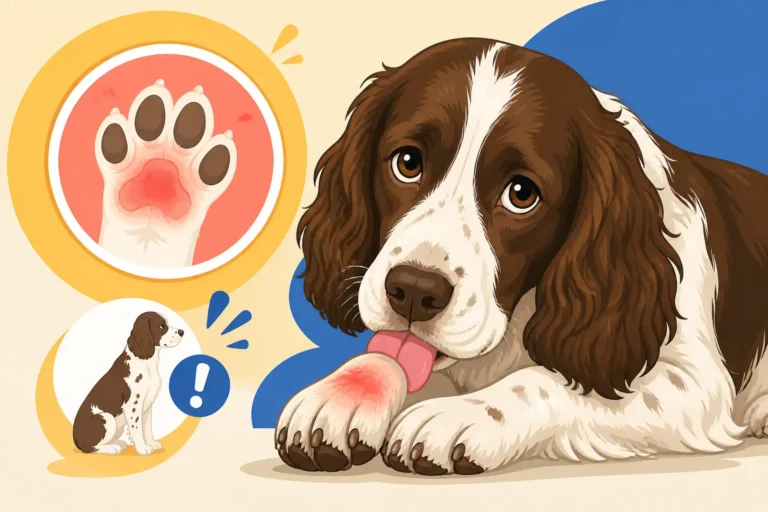
The primary reason a veterinarian will prescribe Apoquel for a Springer Spaniel is for the management of chronic allergic dermatitis, particularly atopic dermatitis. This is that frustrating, long-term condition where your dog's immune system overreacts to common environmental allergens. It leads to persistent itching, redness, inflammation, and often secondary skin and ear infections. Many Springer Spaniels are unfortunately prone to these kinds of allergies, which can manifest as paw licking, belly itching, and those recurring, maddening ear infections. How Often Allergies Drive a Springer Spaniel's Ear Disease is a testament to how common this link is.
If your Springer has been diagnosed with environmental allergies, or if the vet strongly suspects them after ruling out other causes, Apoquel becomes a strong contender. It's often used when other treatments, such as antihistamines, fatty acid supplements, or even corticosteroids, haven't provided adequate relief or have led to unacceptable side effects. For a dog that consistently suffers through allergy season, or even year-round, and shows little improvement with more conventional approaches, Apoquel can be a real lifeline. It helps break that cycle of misery, allowing them to rest, play, and generally just be a dog without constant irritation.
Ruling Out Other Itch Factors
Before jumping to a prescription medication, a responsible veterinarian will always work to rule out other potential causes for your Springer Spaniel's itch. This process can sometimes feel long and frustrating, involving multiple vet visits and tests, but it's crucial for ensuring the correct treatment. Your vet might be looking for parasites, bacterial or yeast infections, or even food allergies. For example, a dog consistently licking their paws might have a yeast infection thriving between their toes, which needs an antifungal, not an anti-itch medication.
This diagnostic journey often involves skin scrapes, cytology (looking at skin cells under a microscope), blood tests, and sometimes even an Running an Elimination Diet on a Springer Spaniel to identify potential food sensitivities. While Apoquel is incredibly effective for allergic itch, it won't resolve a parasitic infestation, and it's not the first line of defense against bacterial or yeast infections, which often require antibiotics or antifungals. Your vet needs to establish that the primary driver of the itch is indeed an allergic response, rather than something else that requires a different approach. You might find guidance on distinguishing triggers in articles like Telling a Food Itch From a Pollen Itch in a Springer Spaniel. This thoroughness ensures your Springer gets the most appropriate and effective treatment, saving you both time and stress in the long run.
Acute Flare-Ups vs. Long-Term Management
Apoquel is versatile in how it can be used for your Springer Spaniel's itch. It can be a godsend for both acute, sudden flare-ups and as a long-term management strategy for chronic conditions. Imagine your Springer suddenly develops an intense, localized itch after a walk through a field, leading to a nasty hot spot. A short course of Apoquel can quickly calm that inflammatory response, providing rapid relief and preventing further self-trauma, allowing the skin to heal.
For those Springers with year-round environmental allergies, Apoquel can be prescribed for continuous, long-term use. This allows them to live comfortably without the peaks and valleys of intense itching followed by periods of relative calm that often accompany seasonal allergies. Your vet will determine the appropriate dosing schedule, often starting with a higher dose for a couple of weeks to get the itch under control, then transitioning to a lower, once-daily dose for maintenance. The goal is always to use the lowest effective dose to manage the symptoms. This flexibility makes Apoquel a valuable tool in keeping your Springer Spaniel's persistent allergies under control, whether it's for a sudden problem or an ongoing battle.
Understanding the Potential Side Effects of Apoquel in Springer Spaniels
No medication is without its potential downsides, and Apoquel is no exception. While generally well-tolerated by most Springer Spaniels, it's crucial for you as an owner to be aware of the possible side effects. This knowledge empowers you to make informed decisions with your vet and to monitor your dog closely once they start treatment.
Common Reactions and What to Watch For
The good news is that most Springer Spaniels on Apoquel experience few to no side effects. When they do occur, the most commonly reported reactions are usually mild and tend to resolve on their own. These can include gastrointestinal upsets like vomiting or diarrhea, and sometimes a temporary decrease in appetite or lethargy. It's a good idea to administer Apoquel with food to help minimize stomach upset. If you notice these symptoms, especially if they are severe or persist, it's always best to contact your veterinarian. They might suggest adjusting the dosage, or perhaps trying a different administration method.
Less commonly, some dogs might experience slight increases in liver enzymes, which your vet might monitor with periodic blood work, especially during long-term treatment. It's important to remember that these are general observations across many breeds, and individual responses can vary greatly. The key is to maintain open communication with your vet and report any changes in your Springer's behavior or health, no matter how minor they seem. Your vet is your best resource for guidance, and they can help determine if any observed symptoms are truly related to the medication or something else entirely.
Long-Term Considerations and Monitoring
Because Apoquel works by modulating the immune system, albeit in a targeted way, there are some long-term considerations that your veterinarian will discuss with you. While it specifically targets itch pathways, there's always a theoretical risk of immune suppression, especially with prolonged use. This might mean a slightly increased susceptibility to infections, though this is not commonly observed. Your vet might recommend regular check-ups and blood tests, typically every six to twelve months, to monitor your Springer's overall health, including blood cell counts and liver enzyme levels. This proactive monitoring helps catch any potential issues early.
Another consideration is the potential for new growths or existing ones to change. While studies haven't shown a direct link to cancer development, any medication that affects the immune system warrants careful consideration. It's vital to let your vet know about any lumps or bumps your Springer Spaniel already has, and to meticulously check for new ones regularly. Many Springer owners are already vigilant about lumps, as outlined in articles like Lumps Worth Checking on a Springer Spaniel. Ultimately, the decision for long-term use is a balance between the quality of life improvement your dog gains from itch relief versus the potential, albeit rare, risks. For many Springers suffering from chronic, debilitating allergies, the benefits of Apoquel far outweigh these concerns, allowing them to enjoy a life free from constant itching.
Alternatives and Complementary Approaches to Managing a Springer Spaniel's Itch
While Apoquel can be a fantastic tool, it's not the only arrow in the quiver when it comes to managing your Springer Spaniel's itch. A comprehensive approach often involves a combination of strategies, especially if you're trying to reduce reliance on medication or if Apoquel isn't suitable. Your vet might suggest several other options, either in conjunction with Apoquel or as standalone treatments.
Dietary Interventions and Supplements
What your Springer Spaniel eats can have a profound impact on their skin health. For dogs with suspected food allergies, a strict elimination diet is often the first step. This involves feeding a novel protein or hydrolyzed protein diet for several weeks to see if symptoms improve. Brands like Ollie offer fresh food options that some owners explore for novel protein trials, while other prescription diets are readily available through veterinary clinics or online retailers like Chewy. This can be a labor-intensive process, but successfully identifying and removing a dietary allergen can lead to significant, lasting relief. Running an Elimination Diet on a Springer Spaniel delves deeper into this process.
Beyond elimination diets, certain supplements can support skin barrier health and reduce inflammation. Omega-3 fatty acids, often found in fish oil, are widely recommended for their anti-inflammatory properties and can improve coat quality. Fish Oil Calms a Springer Spaniel's Skin explains how these can benefit your pup. Probiotics can also play a role in gut health, which is increasingly linked to overall immune function and skin health. Always discuss any dietary changes or supplements with your vet to ensure they are appropriate and won't interfere with other treatments.
Topical Treatments and Environmental Control
Sometimes, the simplest solutions can provide substantial relief, especially when combined with other strategies. Regular bathing with medicated or soothing shampoos can wash away allergens, reduce bacterial or yeast populations on the skin, and provide temporary relief from itching. Your vet might recommend specific ingredients like chlorhexidine for infections or colloidal oatmeal for soothing. For localized hot spots or irritated areas, sprays or mousses containing corticosteroids or antiseptics can target the problem directly.
Environmental control is also key, particularly if your Springer is allergic to dust mites or pollen. This might involve frequent vacuuming, washing bedding in hot water, using air purifiers in your home, and wiping down your dog's paws and coat after outdoor excursions to remove allergens. For Springers who love water, like many do, ensuring their ears are properly dried after swimming can prevent secondary ear infections that often accompany allergies. Drying a Springer Spaniel's Ears After Swimming offers practical tips. Things like specialized bedding or environmental cleaning supplies can often be sourced easily from sites like Amazon. Reducing the allergen load in their environment can significantly lessen their overall itchiness and discomfort.
Immunotherapy: A Long-Term Solution
For Springers with confirmed environmental allergies, especially those requiring long-term medication, immunotherapy is often considered the gold standard for long-term management. Unlike Apoquel, which treats the symptoms, immunotherapy aims to change your dog's immune response to the allergens themselves. This involves either allergy shots (injections) or oral drops that contain tiny, increasing amounts of the specific allergens your dog reacts to. Over time, the immune system becomes desensitized, and the allergic reaction, and thus the itching, significantly decreases.
The process for immunotherapy starts with allergy testing, usually a blood test or intradermal skin test, to identify the exact environmental allergens. Once identified, a custom vaccine is formulated. This isn't a quick fix; it can take months to over a year to see the full benefits, and it requires consistent administration. However, for many Springer Spaniels, it offers a chance at truly long-term relief with very few side effects, potentially reducing or even eliminating the need for daily medications like Apoquel. It's a commitment, but for owners looking for a lasting solution to their The Allergens Behind a Springer Spaniel's Itch, it's an option well worth discussing with your veterinary dermatologist.
Table of Itch Management Strategies for Springer Spaniels
Understanding the various options available can help you and your vet tailor the best plan for your Springer Spaniel. Here's a brief overview of common itch management strategies:
| Strategy | How It Works | Pros | Cons |
|---|---|---|---|
| Apoquel (Oclacitinib) | Selectively inhibits JAK enzymes to block itch/inflammation signals. | Very fast relief, oral medication, good for chronic and acute itch. | Prescription required, potential side effects (GI, immune modulation), can be costly. |
| Corticosteroids (e.g., Prednisone) | Powerful anti-inflammatory and immune suppressive. | Highly effective for severe itch and inflammation, readily available. | Significant side effects with long-term use (increased thirst/urination, weight gain, panting, immune suppression). |
| Antihistamines (e.g., Diphenhydramine) | Blocks histamine receptors to reduce allergic response. | Over-the-counter, relatively inexpensive, mild side effects (sedation). | Less effective for severe canine allergic itch, often need high doses. |
| Dietary Elimination | Identifies and removes food allergens from the diet. | Addresses root cause if food allergy is present, natural approach. | Long, strict trial period (8-12 weeks), can be expensive (novel protein/hydrolyzed diets), requires owner commitment. |
| Omega-3 Fatty Acids | Provides anti-inflammatory support, improves skin barrier. | Natural supplement, few side effects, benefits overall health. | Takes time to see effects, less effective as sole treatment for severe itch. |
| Topical Therapy (Shampoos, Sprays) | Washes away allergens, soothes skin, treats secondary infections. | Localized relief, gentle, fewer systemic side effects. | Temporary relief, can be messy and time-consuming, requires frequent application. |
| Immunotherapy (Allergy Shots/Drops) | Desensitizes the immune system to specific environmental allergens. | Targets root cause, long-term solution, few side effects. | Requires allergy testing, takes months to years to see full effect, consistent administration needed. |
| Flea/Tick Prevention | Eliminates external parasites that cause intense itching. | Essential for all dogs, prevents many forms of itch and disease. | Must be consistent, some dogs may have sensitivities to active ingredients. |
Remember, your veterinarian is your best partner in navigating these options and developing a tailored plan that works for your Springer Spaniel's unique needs.
Disclaimer
This article is for general informational purposes only and does not constitute professional advice. Laws, prices and regulations vary by location and change over time. Consult a qualified professional for guidance on your specific situation.