Hot Spots Under a Springer Spaniel’s Feathering
One of the most frustrating and often painful issues Springer Spaniel owners face is the sudden, alarming appearance of hot spots, especially those insidious ones hiding deep within their luscious feathering. You just finished a lovely walk, your Springer is happy, then you notice a damp, painful patch that seems to have erupted overnight. This guide will walk you through understanding what hot spots are, why they thrive unseen on a Springer Spaniel, and how to tackle them head-on, both for immediate relief and long-term prevention.
What Exactly is a Hot Spot and Why Are They So Common in Springer Spaniels?
A hot spot, medically known as acute moist dermatitis, is essentially a localized skin infection that appears rapidly and can spread with frightening speed. It starts as a small area of skin inflammation, typically caused by something irritating the dog, like an insect bite, an allergic reaction, or even just a persistent itch. The dog then licks, chews, or scratches at the spot incessantly, breaking the skin and introducing bacteria. This self-trauma quickly escalates the inflammation, creating a moist, oozy, red, and often incredibly painful lesion.
For us Springer Spaniel folks, hot spots feel like a constant battle, and it's not just bad luck. Their wonderful, dense double coats, especially the luxurious feathering on their legs, belly, and ears, are a perfect incubator for these nasty skin conditions. The long hair traps moisture, limits air circulation, and provides a warm, dark environment where bacteria and yeast can flourish unchecked. You might not even see the problem until it's quite advanced, hidden beneath that beautiful coat.
The Perfect Storm: Coat, Moisture, and Environment
Think about it: your Springer loves water. Whether it's a dip in a pond, a splash in the creek, or even just a rainy walk, their coat gets wet. That thick undercoat and abundant feathering, while gorgeous, takes ages to dry completely. If you don't meticulously dry them, especially in those hidden areas, that trapped moisture starts to become a breeding ground for bacteria. It's not just water either; sweat, drool, or even just high humidity can contribute to the problem. The constant dampness softens the skin, making it more vulnerable to irritation and infection.
Then there's the issue of ventilation. The longer and denser the coat, the less air circulates against the skin. This creates a warm, humid microclimate right next to your dog's body, which is exactly what bacteria and yeast love. A little scratch, a small bite, and suddenly, you have a festering sore that grows exponentially because the air can't get to it and you can't see it to intervene early. This is why you often find hot spots lurking under the ears (where they combine with Why a Springer Spaniel's Ears Are Never Quite Healthy), in the armpits, on the flanks, or deep within the dense feathering on their hind legs and tail.
Common Triggers That Set Off a Hot Spot
While the coat provides the perfect environment, something usually has to kick-start the itching cycle. One of the most common culprits is fleas. Even a single flea bite can cause an intensely itchy reaction in a sensitive dog, leading to relentless scratching and chewing that initiates a hot spot. Ticks, spider bites, or even small scrapes from running through brush can also be entry points. If your Springer is out Burrs, Ticks and Grass Awns in a Working Springer Spaniel, they're exposed to all sorts of irritants.
Allergies, both environmental (like pollen, grass, or dust mites) and food-related, are another huge trigger. If your Springer is constantly itchy, licking their paws, or scratching their flanks, that persistent irritation can quickly lead to a hot spot. You might think, "Oh, they're just grooming," but watch closely. Excessive licking in one spot is a red flag. Sometimes, even boredom or stress can lead to compulsive licking, which then spirals into a hot spot. It's a cruel irony that your dog trying to soothe an itch can make it so much worse, especially when that beautiful coat conceals the damage until it’s a full-blown crisis.
The Frustrating Cycle of Hot Spot Development in a Springer Spaniel
It truly feels like hot spots appear out of nowhere, doesn't it? One day your Springer is fine, the next you find a raw, angry, weeping lesion. This rapid onset is one of the most disheartening aspects of dealing with them. The cycle is insidious and often starts with something minor, quickly escalating into a painful ordeal for both you and your dog.
From Minor Irritation to Full-Blown Infection
The initial stage of a hot spot is usually almost imperceptible. It might be a mosquito bite, a tiny scratch from a thorn, or the persistent itch of an allergy. Your Springer feels a localized irritation and begins to lick, scratch, or chew at the spot. This isn't just casual grooming; it's focused, persistent attention to that one area. The moisture from their saliva, combined with the warmth of their body and the lack of air circulation under the dense hair, creates the ideal environment for bacteria (often Staphylococcus bacteria, which are normally present on the skin) to multiply rapidly.
As the bacteria proliferate, the skin barrier breaks down further, leading to more inflammation, redness, and a gooey, serous discharge. This discharge then mats the surrounding hair, trapping even more moisture and bacteria against the skin. It’s a vicious cycle: the more it itches, the more they lick; the more they lick, the wetter and more infected it becomes; the more infected it becomes, the more it itches. This is why a hot spot can grow from the size of a dime to the size of a dollar bill, or even larger, in a matter of hours. The speed at which these things can take hold is truly astounding and can make any owner feel helpless.
Spotting the Signs When They're Hidden
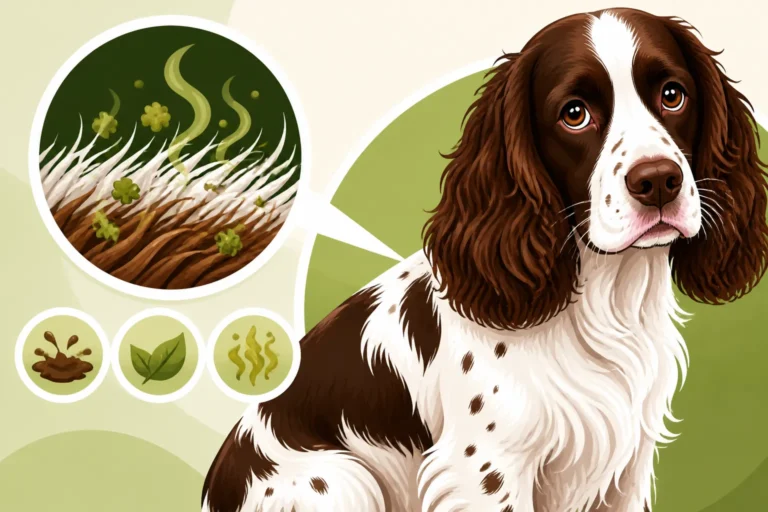
Because hot spots often develop under thick feathering or in areas difficult to see, you might miss the early warning signs. Instead of seeing the angry red skin, you might first notice a change in your dog's behavior. They might be constantly turning their head to lick a flank, gnawing at their leg, or scratching furiously behind an ear. You might also detect a strange, somewhat unpleasant odor emanating from a particular area of their coat—a tell-tale sign of bacterial or yeast overgrowth. The hair around the affected area will often look matted or greasy due to the discharge.
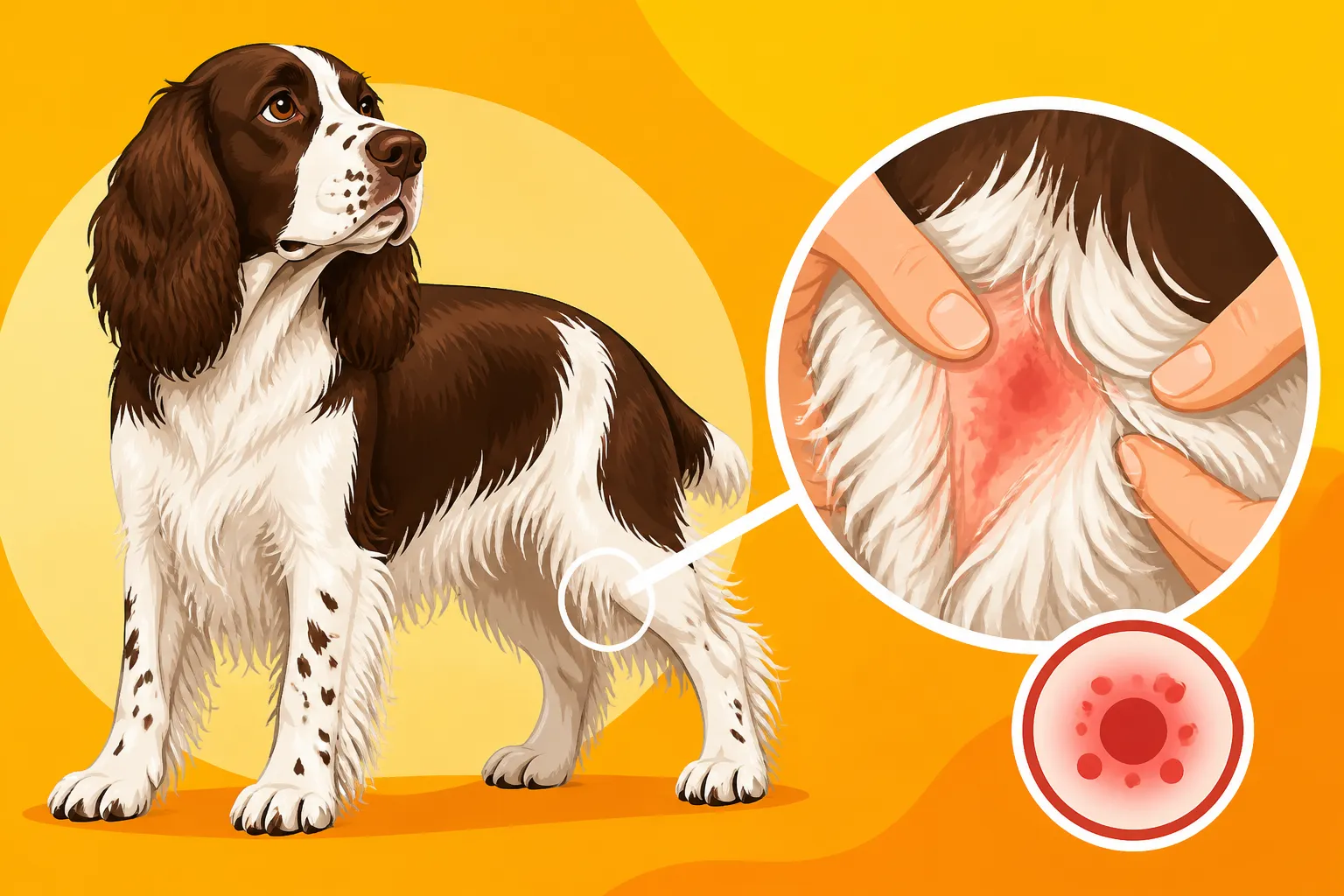
If you gently part the hair, you might find a patch of wet, sticky fur, and beneath it, the hot spot itself. It will be red, inflamed, sometimes bumpy, and often weeping. Your Springer will likely react with pain when you touch it, flinching or even trying to snap, which is completely understandable given how sore these lesions are. Early detection is key, but with a Springer's coat, that's easier said than done. Regular grooming, even just a quick brush-down after a walk, can help you catch these things before they get out of hand. Pay particular attention to their armpits, flank, the base of the tail, and anywhere the feathering is thick and prone to matting.
First Aid and Management for Your Springer Spaniel's Hot Spots
Once you discover a hot spot, the immediate goal is to stop the spread, reduce pain, and dry out the lesion. This usually involves a multi-step approach that you can start at home, but remember, for anything significant or rapidly worsening, a vet visit is paramount.
The Crucial First Steps: Clipping and Cleaning
The very first and arguably most important step is to clip the hair away from and around the hot spot. This is critical for several reasons: it removes the matted, contaminated hair that traps moisture and bacteria, it allows air to reach the skin, and it lets you properly assess and clean the wound. You'll need some quiet clippers for this. Start with a wide margin, often two or three inches beyond the visible lesion, because the infection almost always extends further than it appears on the surface. If your Springer is in too much pain, this step might need to be done by a vet, possibly under light sedation.
Once the hair is removed, the sheer size of the hot spot might surprise you. Now you need to clean it thoroughly. Use a mild antiseptic solution, such as diluted chlorhexidine or povidone-iodine, making sure to follow the dilution instructions on the product. Gently dab the area with cotton balls or soft gauze, removing all crusts, discharge, and debris. Avoid harsh scrubbing, which will only cause more pain. The goal is to clean and disinfect the surface, not to irritate it further. After cleaning, gently blot the area completely dry. Air exposure is your friend here.
Topical Treatments and Preventing Self-Trauma
After cleaning and drying, you can apply a topical treatment. Many over-the-counter sprays or creams designed for hot spots contain astringents (like witch hazel) to help dry the lesion, antiseptics to kill bacteria, and sometimes a mild anesthetic to reduce pain and itching. Look for products specifically formulated for dogs that are safe if licked, as your Springer will try to get at it.
However, topical treatments alone won't work if your dog continues to lick and chew. This is where the dreaded, but often essential, Elizabethan collar (E-collar or "cone of shame") comes in. While your Springer will probably hate it, an E-collar is crucial for preventing further self-trautrauma and allowing the hot spot to heal. You can find comfortable options on sites like Chewy or Amazon. For deep-seated or persistent hot spots, your veterinarian might prescribe stronger topical medications, oral antibiotics, or anti-inflammatory drugs to get the infection and inflammation under control. Do not hesitate to contact your vet if the hot spot is large, very painful, or doesn't show improvement within 24-48 hours of your home treatment.
Table: Hot Spot First Aid Kit Essentials for Springer Spaniel Owners
| Item | Purpose | Notes |
|---|---|---|
| Quiet Electric Clippers | Removing hair around the hot spot | Essential for exposing the area; consider cordless for ease of use. |
| Antiseptic Solution | Cleaning and disinfecting the wound | Diluted chlorhexidine or povidone-iodine; always follow dilution instructions. |
| Cotton Balls / Gauze Pads | Gentle application of cleaners/treatments | Avoid harsh materials; use soft, sterile options. |
| Topical Hot Spot Treatment | Drying, antiseptic, and pain relief | Look for dog-specific, lick-safe formulas from brands like Chewy; may contain hydrocortisone. |
| Elizabethan Collar (E-Collar) | Preventing licking/chewing | Crucial for healing; consider soft fabric ones for comfort or inflatable donuts. |
| Latex Gloves | Maintaining hygiene during treatment | Protect your hands from discharge and prevent cross-contamination. |
Long-Term Strategies to Prevent Recurrent Hot Spots
Dealing with one hot spot is bad enough, but many Springer Spaniel owners find themselves in a recurring battle. The real victory lies in understanding the root causes and implementing consistent preventative measures.
The Power of Proactive Grooming and Drying
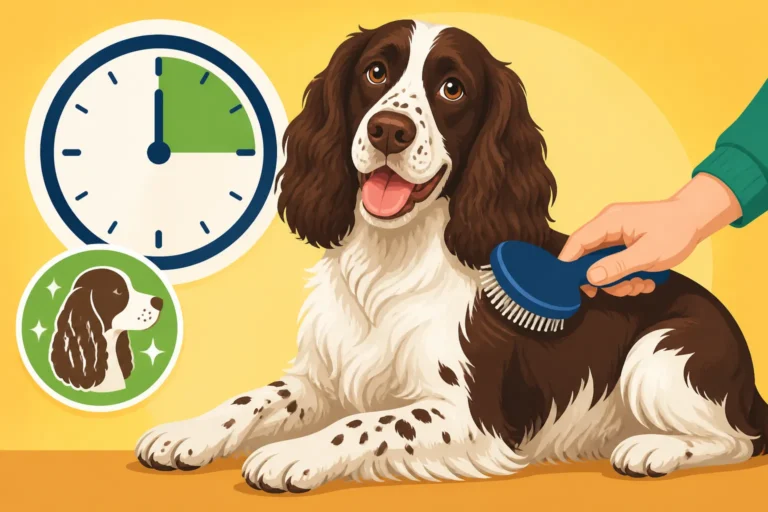
Given the Springer Spaniel's coat, proper grooming isn't just about looking good; it's a critical health measure. Regular brushing, especially of the dense feathering, helps to remove dead hair, distribute natural oils, and improve air circulation to the skin. This also gives you a chance to inspect their skin for any early signs of irritation or matting. Which Brush Suits a Springer Spaniel might require a different approach for different coat types, but a good slicker brush followed by a comb is often effective.
Trimming the feathering, particularly in prone areas like the belly, armpits, and around the ears, can significantly reduce the risk of hot spots by preventing matting and allowing better airflow. You might not want to clip your beautiful show-bred Springer short, but strategic trimming in these high-risk zones is a practical compromise. If you're not comfortable doing it yourself, regular visits to a professional groomer who understands Springer coats can be invaluable. Don't forget their ears – How Often a Springer Spaniel Needs a Groomer is probably more often than you think if they're prone to issues.
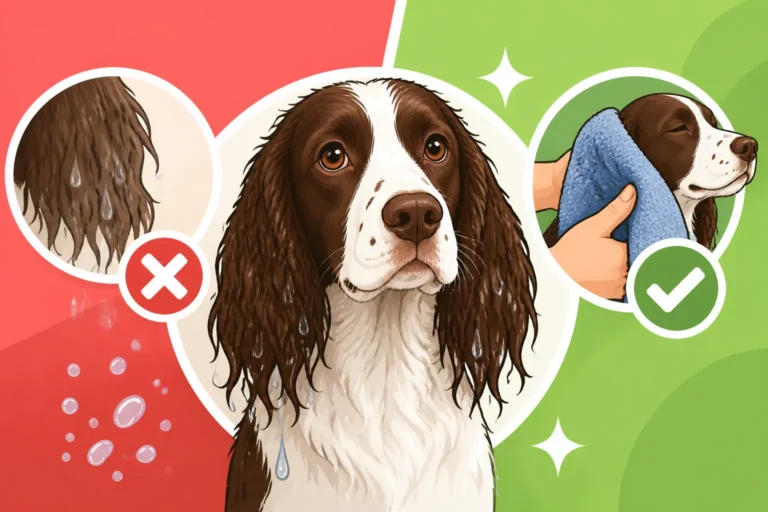
And after every water adventure – whether it's a swim, a rainy walk, or even just a bath – meticulous drying is paramount. Don't rely solely on air drying, especially under that thick coat. Use absorbent towels, and consider a dog-specific forced-air dryer (not a human hairdryer, which can burn their skin) to ensure the undercoat and feathering are bone dry. Pay extra attention to the base of the ears, armpits, and between the toes. Drying a Springer Spaniel's Ears After Swimming is a vital part of routine care to prevent problems.
Addressing Underlying Allergies and Parasites
If your Springer Spaniel is prone to hot spots, it's highly likely there's an underlying cause, and allergies are often the biggest culprit. Just like in people, allergies in dogs manifest as itching, which leads to scratching and the whole hot spot cycle. Identifying and managing these allergies is key to long-term prevention. This might involve working with your vet on a food trial to rule out dietary sensitivities. Running an Elimination Diet on a Springer Spaniel can be a lengthy process but is often incredibly illuminating. Brands like Ollie, known for fresh food, are sometimes explored by owners trying to manage food sensitivities, though it’s always best to consult your vet.
Environmental allergies (atopy) are also very common. Your vet might suggest allergy testing to pinpoint specific triggers like pollen, dust mites, or certain grasses. Once identified, management could involve medications like Apoquel (as discussed in Apoquel for a Springer Spaniel's Itch), regular medicated baths, or even allergy injections. It’s about reducing that baseline itchiness so your dog isn't constantly seeking relief by licking.
Finally, never underestimate the power of effective parasite control. Flea allergy dermatitis is one of the most common causes of intense itching and hot spots. Even if you don't see fleas, a single bite can set off a massive reaction in an allergic dog. Maintain a consistent, year-round flea and tick prevention regimen as recommended by your veterinarian. You can often find a wide range of reliable products on Chewy or at your local pet supply store. Regular checks for ticks and other external parasites, especially after walks in wooded or grassy areas, are also vital, as detailed in How to Check a Springer Spaniel for Ticks.
Preventing hot spots in a Springer Spaniel is an ongoing commitment, but with diligence in grooming, proactive drying, and veterinary partnership to manage any underlying allergies or parasites, you can significantly reduce their occurrence and keep your beloved companion comfortable and healthy.
Disclaimer
This article is for general informational purposes only and does not constitute professional advice. Laws, prices and regulations vary by location and change over time. Consult a qualified professional for guidance on your specific situation.