The Age a Springer Spaniel Finishes Growing
It's incredibly exciting to watch a Springer Spaniel puppy grow, but it can also be a little bit of a head-scratcher knowing when they're truly "done." Many new owners, and even some experienced ones, wonder exactly when their energetic little whirlwinds will finally reach their full adult size and settle into their mature frames. This guide will walk you through the typical growth stages of a Springer Spaniel, helping you understand what to expect and when your furry friend will officially finish growing.
Understanding the Springer Spaniel Growth Timeline
When you bring home a Springer Spaniel puppy, you're not just getting a cute ball of fluff; you're embarking on a journey through several distinct growth phases. These dogs develop at a fairly predictable rate, though individual variations are certainly common. Knowing the general timeline can help you prepare for changes in their nutritional needs, exercise requirements, and even their behavior.
Rapid Growth in the First Six Months
The first six months of a Springer Spaniel's life are a period of truly astonishing growth. Think about it: they go from a tiny, helpless creature to a fairly substantial puppy in what feels like the blink of an eye. During this time, their bones are lengthening rapidly, and their muscles are starting to develop. You'll notice weekly, sometimes daily, changes in their height and overall size. Their coordination might be a bit clumsy as their bodies try to keep up with their rapidly changing limbs. This is the stage where a high-quality puppy food is absolutely crucial, providing the dense nutrition needed to support this fast-paced development. Many owners find themselves frequently restocking their puppy supplies from places like Chewy during this period, just trying to keep up with the demands of a growing pup.
Maturing into Adolescence
As your Springer Spaniel approaches six months to about a year, their rapid vertical growth starts to slow down, but they're far from finished. This is their adolescent phase, and it's much like human teenagers—they might look adult-sized, but there's still a lot of filling out to do. While their height might not change dramatically, they'll start to gain muscle mass, broaden their chests, and develop that signature sturdy Springer build. Their heads will also continue to mature, losing some of that puppy softness. Emotionally, this can be a tricky time, as they test boundaries and might seem to "forget" some of their early training. It’s also around this age that their permanent coat truly comes in. You might notice your Springer Spaniel's energy levels are still through the roof, but they're starting to get a better handle on their growing bodies. Consistency in training is key during this phase, helping them manage their burgeoning energy and solidify good habits. For more on this critical period, check out The First Year With a Springer Spaniel Puppy.
Factors Influencing a Springer Spaniel's Growth
While there's a general blueprint for Springer Spaniel growth, it's not a one-size-fits-all situation. Several factors can play a significant role in how quickly or slowly your individual dog reaches their full mature size and weight.
Genetics and Parental Lineage
One of the biggest predictors of your Springer Spaniel's adult size and when they'll stop growing is their genetic background. Simply put, bigger parents tend to have bigger offspring, and dogs from lines that mature earlier will likely follow suit. There's a notable difference, for instance, between the two distinct types of Springer Spaniels. Field-bred Springers, often referred to as "working" lines, tend to be leaner, more athletic, and sometimes a touch smaller overall than their show-bred counterparts. Show-bred Springers, bred to a different standard, often have a more substantial bone structure and a heavier, more profuse coat. This means a show-bred puppy might take a bit longer to fully fill out its larger frame compared to a field-bred pup. Before you even bring a puppy home, a good breeder will be able to give you an idea of the parents' mature sizes and growth rates, which can offer valuable insight into what to expect from your own pup.
Nutrition and Diet Quality
Just like with children, what your Springer Spaniel eats during their developmental stages directly impacts their growth. A high-quality diet, formulated specifically for large-breed puppies or all-life stages, provides the essential nutrients, vitamins, and minerals needed for healthy bone, muscle, and organ development. Feeding a diet that's too low in calories or poor in quality can stunt growth or lead to deficiencies. Conversely, overfeeding a puppy, especially with diets too high in calcium or protein, can lead to excessively rapid growth, which can put undue stress on their developing joints and contribute to orthopedic issues like hip or elbow dysplasia later in life. This is a common concern, and many owners are very particular about their chosen brands, whether it's a premium kibble or a fresh food option like Ollie, ensuring it meets all their growing pup's needs. Proper portion control is just as vital as quality ingredients. You'll want to carefully monitor your dog's weight, aiming for a lean body condition where you can easily feel their ribs but not see them. If you're unsure about feeding amounts, especially as they get older, articles like How Much a Pet Springer Spaniel Should Eat or How Much a Working Springer Spaniel Should Eat can be very helpful.
Exercise and Activity Levels
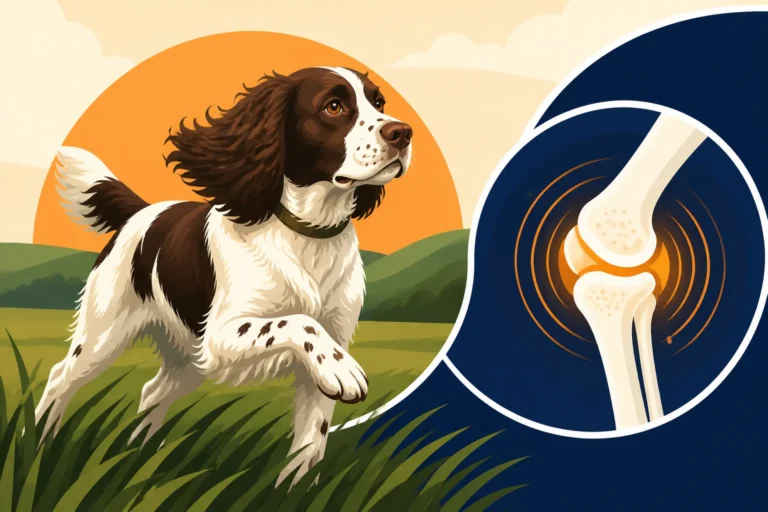
Exercise is crucial for a Springer Spaniel's physical and mental well-being, but the type and amount of exercise during their growth phase can also influence their development. Young puppies need playtime and controlled exercise, but excessive high-impact activities like long-distance running, intense agility work, or strenuous fetching sessions on hard surfaces should be avoided until their growth plates have fully closed. These plates, located at the ends of long bones, are soft cartilage and vulnerable to injury until they solidify, usually around 12-18 months of age. Injury to growth plates can lead to abnormal bone development. While Springers are energetic, particularly the field lines, it’s important to balance their need for activity with protecting their developing joints. Structured walks, short training sessions, and supervised playtime are ideal. As they get closer to full maturity, usually around 18 months, you can gradually increase the intensity and duration of their exercise.
Recognizing When Your Springer Spaniel is Fully Grown
It can feel like forever, but eventually, that gangly puppy will transform into a magnificent adult. There are a few key indicators that your Springer Spaniel has likely finished growing in terms of height and is well on their way to being fully mature.
Physical Indicators of Maturity
The most obvious signs of your Springer Spaniel reaching full physical maturity relate to their size and shape.
First, height. By around 12-14 months of age, most Springer Spaniels will have reached their adult height. You won't see them getting much taller after this point. They'll likely be within the breed standard for height, which typically ranges from 19-20 inches at the shoulder for males and 18-19 inches for females.
Second, weight. While height plateaus earlier, they will continue to "fill out" and gain muscle mass until about 18-24 months. Males, in particular, might broaden in the chest and develop a more substantial head. Adult males usually weigh between 45-55 pounds, and females between 35-45 pounds, though there can be some variation. For more specific numbers, check out The Weight a Male Springer Spaniel Should Hold and The Weight a Female Springer Spaniel Should Hold. Feeling for their ribs, waistline, and overall muscle tone will give you a good idea if they're maintaining a healthy adult weight, as discussed in Keeping a Springer Spaniel at a Working Weight.
Third, proportion and bone structure. The awkward "all legs" phase will be gone. Their body will look harmonious and balanced, with strong bone structure and well-developed musculature. Their head will have fully matured, losing the last vestiges of puppy softness.
Here's a general guideline for growth milestones:
| Age (Months) | Approximate Height Attainment | Approximate Weight Attainment | Key Development |
|---|---|---|---|
| 0-3 | Rapid gain, ~50% adult height | Rapid gain, ~30% adult weight | Puppy fuzz, intense learning |
| 3-6 | Significant gain, ~75% adult height | Significant gain, ~50-60% adult weight | Leggy phase, coordination improving |
| 6-12 | Plateaus, 90-100% adult height | Continues gaining, ~80-90% adult weight | Adolescent phase, filling out begins |
| 12-18 | Fully reached adult height | Filling out, nearing adult weight | Muscle development, maturing structure |
| 18-24 | Height stable | Fully mature adult weight | Final physical maturity, full muscle mass |
Behavioral and Mental Maturity
While physical growth is relatively straightforward, mental and behavioral maturity is often a slower, more nuanced process. A Springer Spaniel might look like a full-grown dog at a year old, but still behave like an exuberant, easily distracted puppy. Most Springers don't fully "settle" into their mature personalities until they are between two and three years of age. During this period, their attention spans generally improve, they become more consistent in their training, and their impulsive puppy behaviors start to diminish. However, Springers are known for their lively, enthusiastic nature, and even a fully mature adult will retain a playful spirit. It's important to differentiate between physical maturity and this longer journey to emotional adulthood. For those curious about the timeline for behavioral changes, The Age a Springer Spaniel Finally Settles offers more insights. This continued mental development requires ongoing training, socialization, and plenty of appropriate mental and physical stimulation to ensure they become well-adjusted companions.
Adjusting Care as Your Springer Spaniel Matures
As your Springer Spaniel transitions from a growing puppy to a full-fledged adult, your care routine will need to adapt. This includes changes in diet, exercise, and overall health monitoring.
Transitioning to Adult Dog Food
Once your Springer Spaniel has reached their adult height, typically around 12-14 months, and is starting to fill out, it's time to gradually transition them from puppy food to a high-quality adult formula. Puppy foods are calorie-dense and formulated for rapid growth, which can lead to excessive weight gain or developmental issues if continued into adulthood. The transition should be gradual, typically over 7-10 days, slowly mixing increasing amounts of adult food with decreasing amounts of puppy food to avoid stomach upset. When choosing an adult food, consider their activity level. A very active, working Springer will need a different caloric intake and potentially a performance-oriented formula compared to a less active pet Springer. You can find a vast selection of appropriate adult foods from retailers like Chewy or even specialized options like Ollie, which can be particularly beneficial for maintaining a healthy weight and coat. Pay close attention to their body condition and adjust feeding amounts as needed to prevent them from becoming overweight, a common issue for many breeds once they hit adulthood and their metabolism slows.
Modifying Exercise Routines
With their growth plates closed and their adult musculature developed, your fully grown Springer Spaniel can handle more vigorous and sustained exercise. This is when they can truly shine in activities like long hikes, running alongside you (if properly conditioned), retrieving endlessly, or participating in dog sports like agility or obedience. However, it's still crucial to warm them up before intense exercise and cool them down afterward to protect their joints. While they are resilient, consistent high-impact activity without proper conditioning can still lead to wear and tear over many years. As they age, their exercise needs may shift again, so it's a dynamic process throughout their life. It's a great time to explore different activities and see what your Springer truly enjoys, whether it's field work, competitive obedience, or just long walks in the park.
Ongoing Health and Wellness Monitoring
Even after they stop growing, regular veterinary check-ups remain vital for your adult Springer Spaniel. These appointments allow your vet to monitor their weight, dental health, and overall physical condition, catching any potential issues early. As they mature, new health considerations might arise. For instance, ear care remains a lifelong concern for Springers due to their drop ears. Regular grooming, including brushing and trimming the feathering, continues to be important to prevent mats and skin issues. You should also be vigilant about any changes in their gait or energy levels, which could indicate joint pain or other health problems. Many owners invest in joint supplements, often found on Amazon, as a preventative measure or to support dogs showing early signs of arthritis, especially for working lines. Staying proactive with their health care throughout their adult years will contribute significantly to their long-term well-being and ensure they live a full, active life. The Health Tests Both Springer Spaniel Parents Should Have is an excellent resource for understanding early screening that contributes to lifelong health.
Disclaimer
This article is for general informational purposes only and does not constitute professional advice. Laws, prices and regulations vary by location and change over time. Consult a qualified professional for guidance on your specific situation.