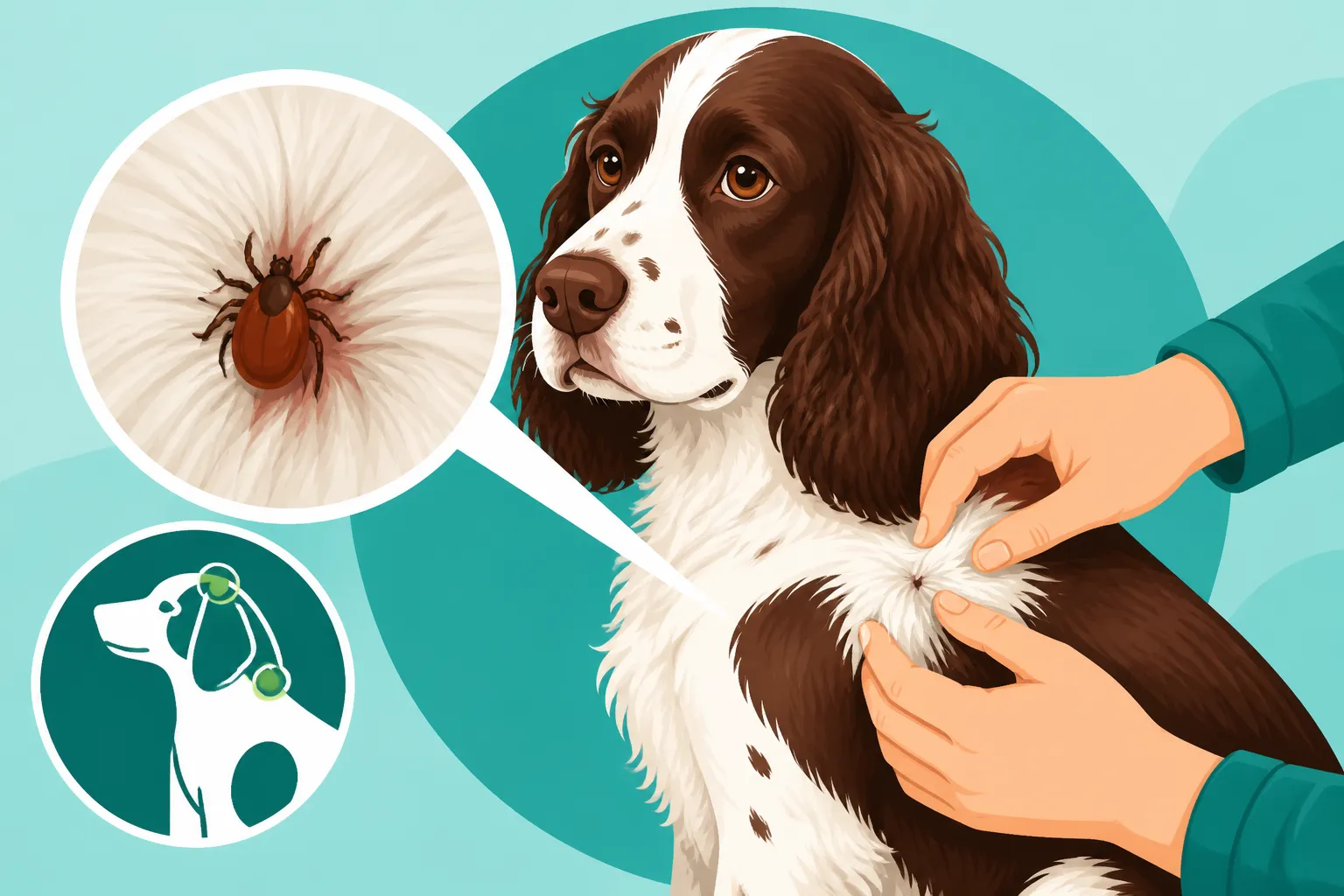
How to Check a Springer Spaniel for Ticks
There's nothing quite like the feeling of watching your lively English Springer Spaniel bounding through tall grass or sniffing out every interesting scent in the woods. They are truly in their element outdoors, but that love for adventure often comes with an unwelcome companion: ticks. Finding one of these creepy crawlies burrowed into your beloved dog's skin can be alarming, making your heart pound a little faster as you worry about diseases or how to get it out. This comprehensive guide is here to walk you through exactly how to effectively check your Springer Spaniel for ticks, offering peace of mind and practical steps to keep your adventurous companion safe and sound.
Why Ticks Are Such a Big Deal for Springer Spaniels (and You!)
Ticks aren't just a minor nuisance; they're a legitimate concern for any dog owner, especially those of us with active, outdoorsy breeds like Springer Spaniels. Understanding why they pose such a specific threat to our dogs, and what that threat entails, is the first step in effective prevention and detection.
The Springer Spaniel's Natural Magnet for Ticks
Our Springers are built for the field. They thrive on exploring dense undergrowth, flushing game from thickets, and splashing through streams. This innate drive to plunge headfirst into nature's playground, while wonderful to witness, unfortunately makes them prime targets for ticks. Their dense double coats, especially the longer feathering on their legs, belly, and ears, offer ticks a perfect haven. These parasites can latch on, burrow deep, and remain undetected for quite some time, camouflaged by the very fur we love to pet.
Imagine your Springer, perhaps a spirited field-bred dog, quartering through a field of chest-high grass, nose to the ground, utterly absorbed in a scent trail. Every blade of grass, every low-hanging branch, every brush pile is a potential launching pad for a tick. A show-bred Springer might have an even more luxurious coat, making it even harder to spot these tiny invaders before they dig in. It's a frustrating reality that their very design and keen instincts, which make them such exceptional companions and workers, also make them tick magnets. We want them to enjoy their lives to the fullest, but that means we need to be extra diligent about their post-adventure care. Burrs, Ticks and Grass Awns in a Working Springer Spaniel explores other common issues of outdoor life.
Beyond the Itch: The Health Risks Ticks Carry
While finding a tick is certainly unpleasant, the primary concern isn't just the discomfort it might cause your dog. Ticks are notorious carriers of a variety of diseases that can have serious, long-term health implications for your Springer Spaniel. We're talking about things like Lyme disease, anaplasmosis, and ehrlichiosis, just to name a few of the more common ones. These diseases can lead to a range of symptoms, from joint pain and lameness to fever, lethargy, and even more severe organ damage if left untreated.
The scary part is that many of these diseases can take weeks or even months to manifest symptoms, making it difficult to connect them back to a specific tick bite. Early detection and removal of ticks significantly reduce the risk of disease transmission because it takes a certain amount of time for the tick to transmit pathogens after it attaches. So, that diligent search after every outdoor escapade isn't just about removing a creepy-crawly; it's a critical preventative health measure for your Springer. It’s a small effort that can prevent a lot of heartache and expensive vet bills down the line.
Essential Tools and Your Tick-Checking Strategy
You wouldn't head into the woods without your trusty whistle and lead, would you? Well, the same preparedness applies to tick checking. Having the right tools and a solid plan makes the process much more effective and less stressful for both you and your Springer.
Gathering Your Tick-Checking Toolkit
Before you even start patting down your pup, make sure you have your arsenal ready. A well-stocked tick removal kit is invaluable. Here's what you'll want to have on hand:
- Tick Removal Tool: This is your primary weapon. While fine-tipped tweezers can work in a pinch, specialized tick removal tools (like tick hooks or loop removers) are often much more effective and safer. They are designed to get under the tick's body, close to the skin, without squeezing the tick's abdomen, which could inadvertently inject more pathogens into your dog. You can find excellent options on Amazon or at most pet supply stores.
- Disposable Gloves: Ticks can carry diseases, and handling them directly isn't advisable. Gloves protect your hands from potential contact with tick-borne pathogens.
- Antiseptic Wipes or Rubbing Alcohol: For cleaning the bite site after removal.
- Small Jar or Ziploc Bag: To store the removed tick. You might want to save it in rubbing alcohol for a few weeks, especially if your dog later develops symptoms, as your vet might want to identify the specific type of tick.
- Good Lighting: A bright flashlight or headlamp is crucial, particularly if your Springer has a darker coat or you're checking in the evening.
- Fine-toothed Comb: Excellent for parting the dense fur and finding smaller ticks or "seed ticks" that might be camouflaged.
Having these items readily accessible means you won't be scrambling when you find an unwelcome guest. Keep them in a designated spot, perhaps near your dog's lead or grooming supplies, so they're always there when you need them.
Establishing a Routine: When and How Often to Check
Consistency is key when it comes to tick checks. Think of it as another part of your Springer's daily care routine, just like feeding or walks. The general rule of thumb is to perform a thorough check every single time your dog has been in an area where ticks might be present. This means after every walk in the woods, every romp in tall grass, or even a casual stroll through a park with overgrown edges. Even if your Springer is on a preventative, these checks are still essential. No preventative is 100% foolproof, and finding a tick quickly means removing it before it has a chance to transmit disease.
For many Springer owners, this translates to a quick but comprehensive "once over" after every outdoor adventure, followed by a more detailed head-to-tail examination once a day, perhaps in the evening when your dog is settling down. If you live in a highly tick-prevalent area or your dog spends a lot of time off-leash in dense cover, you might even consider a quick scan of vulnerable areas like the ears, neck, and legs immediately upon re-entering the house. Establishing this routine early on makes it a normal, non-threatening experience for your dog, turning it into a bonding time rather than a battle. For more on daily care, check out The Daily Routine a Springer Spaniel Actually Needs.
A Head-to-Tail Guide to Checking Your Springer Spaniel for Ticks
Checking a Springer Spaniel for ticks requires a systematic approach. Their beautiful, dense coats and propensity for finding every hidden nook and cranny in the environment mean ticks can hide in surprisingly tricky spots. Let's go through it, section by section.
Starting From the Nose: Face, Ears, and Neck
Begin your inspection at the very front of your Springer, working your way back. The face, ears, and neck are prime attachment points for ticks, often because these are the first areas to brush against vegetation.
Start with your dog's muzzle and around their eyes. Gently part the hair, looking for any small bumps or dark spots. Don't forget their lips and gums, especially if they've been nosing around in the dirt. Next, move to their ears. Springer Spaniels are known for their long, pendulous ears, which are an absolute tick magnet. Lift the ear flap and inspect both the inner and outer surfaces thoroughly. Pay close attention to the edges, the folds within the ear canal, and the hair around the base of the ear. Ticks love to nestle in these warm, protected areas, and the dense fur can make them incredibly hard to spot. Run your fingers over the entire ear, feeling for any small lumps that might not be visible. Ticks can be tiny, like a poppy seed, so a thorough tactile search is critical. Why a Springer Spaniel's Ears Are Never Quite Healthy delves into other common ear issues.
Finally, move to the neck and throat area. This is another popular spot, particularly where the collar sits or where the fur is thicker. Again, gently part the fur and use your fingertips to feel for any raised areas. Ticks can latch on quickly and become quite engorged, sometimes resembling a small wart or skin tag. If you feel anything unusual, investigate further with your flashlight.
The Body Search: Torso, Legs, and Paws
Once you've thoroughly examined the head and neck, it's time to tackle the main body. This is where your systematic approach truly shines. Start at the top of their back, working your way down their sides.
Use both your eyes and your hands. With one hand, gently part the dense hair, exposing the skin underneath. With the other, run your fingertips firmly over the skin, feeling for any small bumps. Work in small sections, ensuring you cover every inch. Pay particular attention to the armpits – that warm, moist area where the leg meets the body is a favorite for ticks. Move down the front legs, inspecting the inside and outside, then do the same for the hind legs. Don't forget the belly and groin area. The skin here is often thinner and less hairy, making ticks easier to spot visually, but also making them more likely to burrow in deeply. Having less feathering (Whether a Field Springer Spaniel Has Less Feathering) compared to a show Springer might make some areas easier to check, but vigilance is still paramount.
The feathering on a Springer Spaniel's chest, belly, and legs is absolutely beautiful, but it's also a tick's paradise. The Feathering a Show Springer Spaniel Drags Through Everything means these areas need extra attention. Take your time to comb through this longer hair, looking for any signs of ticks crawling or already attached. Remember, a tick can easily blend in with a darker patch of fur or a stray piece of debris, so a slow, methodical search is best.
The "Hidden" Spots: Under the Tail and Between Toes
These are the areas that owners often miss, either because they're a bit awkward to check or simply forgotten in the rush. However, ticks are opportunistic and will latch onto any accessible skin.
When checking under the tail, gently lift your Springer's tail and inspect the area around the anus and genitals. Ticks frequently target these private, protected spots. The skin here is soft and usually less hairy, making ticks slightly easier to see, but their location means they're often overlooked. Run your fingers through the fur, feeling for any bumps or anomalies.
Next, move to the paws. Your Springer's paws are constantly in contact with the ground and vegetation, making them incredibly vulnerable. This is especially true for working dogs whose paws might be exposed to rougher terrain. Carefully lift each paw and inspect between every toe, paying close attention to the webbing and the pads. Ticks can hide deep within the fur between the pads, and their small size makes them incredibly difficult to spot. Use your flashlight if needed and gently spread the toes apart. Don't forget the dewclaws, if your dog still has them. Checking a Springer Spaniel's Feet After Working is a crucial step after every outing to prevent problems from various irritants. Even if your Springer is a bit squirmy about having their paws handled, it's vital to make this a part of your routine. Practice makes perfect, and offering high-value treats can help make it a more positive experience over time.
Finding and Removing a Tick Safely
So, you've done your diligent search, and there it is – a tiny, eight-legged intruder. Don't panic! Finding a tick is part of responsible dog ownership. The next step is knowing how to remove it safely and what to do afterward.
Identifying a Tick on Your Springer Spaniel
Before you attempt removal, make sure it's actually a tick. Sometimes, a tiny scab, a skin tag, or a nipple (yes, it happens!) can be mistaken for a tick. A tick will typically feel like a small bump or knot on your dog's skin. If it's freshly attached, it might be as small as a poppy seed or a sesame seed. As it feeds, it will engorge with blood and can swell to the size of a small grape, becoming gray or brownish in color. You might also notice a slight discoloration or irritation around the area where it's attached. If you're unsure, gently part the fur and look closely. You should be able to see its legs, even if tiny, indicating it's an arachnid.
Here’s a quick comparison to help distinguish a tick from other common skin bumps:
| Feature | Tick (unengorged) | Tick (engorged) | Skin Tag / Wart | Scab |
|---|---|---|---|---|
| Appearance | Small, flat, dark oval | Round, grey/brown bead | Fleshy, soft, pigmented | Dark, crusty, irregular |
| Feel | Firm, flat | Firm, smooth | Soft, movable | Rough, hard |
| Legs | 8 visible legs | 8 visible legs | None | None |
| Attachment | Firmly embedded | Firmly embedded | Attached by a stalk | Superficial |
| Movement | None (if attached) | None (if attached) | None | None |
The Art of Safe Tick Removal
Once you've confirmed it's a tick, it's time for removal. This is where those specialized tick tools truly shine. The goal is to remove the entire tick, including its mouthparts, without squeezing its body or leaving anything behind.
- Don Your Gloves: Protect your hands from potential pathogens.
- Position Your Dog: Get your Springer in a comfortable, relaxed position. A tasty treat (perhaps from Ollie or similar high-value snacks) can help distract them.
- Part the Fur: Use your fingers or a comb to clear the fur around the tick so you have a clear view of where it's attached to the skin.
- Grab the Tick:
- With a Tick Hook/Remover: Slide the tool under the tick, as close to your dog's skin as possible, allowing the tick to sit in the notch. Gently twist the tool in one direction (follow the tool's instructions – some say clockwise, some counter-clockwise) until the tick detaches. The twisting action helps release the mouthparts.
- With Fine-Tipped Tweezers: Grasp the tick as close to the skin surface as possible. Pull upward with steady, even pressure. Do not twist or jerk the tick, as this can cause the mouthparts to break off and remain embedded in the skin.
- Inspect: After removal, check the tick to ensure its head and mouthparts are intact. Also, examine the bite site on your dog to confirm nothing was left behind.
- Dispose of the Tick: Place the tick in a small jar with rubbing alcohol or a sealed plastic bag. This kills the tick and allows you to keep it for a few weeks in case your vet needs to see it later for identification if your dog develops symptoms.
- Clean the Bite Site: Use an antiseptic wipe or rubbing alcohol to clean the area where the tick was attached.
What NOT to Do: Never try to burn a tick off, "suffocate" it with petroleum jelly, or squeeze its body. These methods can cause the tick to regurgitate its stomach contents (and potential pathogens) into your dog's bloodstream, increasing the risk of disease.
After Removal: What to Watch For
You've successfully removed the tick – fantastic! But your job isn't quite done. You'll need to monitor both the bite site and your dog's overall health in the days and weeks that follow.
First, observe the bite area. It's normal for it to be slightly red or raised for a few days, similar to a mosquito bite. However, if you notice excessive swelling, pus, continued redness, or if the area becomes painful to the touch, contact your vet. This could indicate a localized infection.
More importantly, keep a close eye on your Springer Spaniel for any signs of illness in the coming weeks and months. Tick-borne diseases don't always show up immediately. Symptoms can include:
- Lethargy or unusual fatigue
- Loss of appetite
- Fever
- Lameness or shifting lameness (limping that moves from one leg to another)
- Swollen joints
- Swollen lymph nodes
- Changes in behavior or temperament
If you notice any of these symptoms, even if you think it's unrelated to the tick bite, call your veterinarian immediately. Be sure to mention the recent tick exposure, even if it was weeks ago. Early diagnosis and treatment are crucial for a good prognosis with tick-borne illnesses.
Prevention: Your Best Defense
While thorough tick checks and safe removal are absolutely critical, the best strategy is always prevention. Reducing the chances of ticks getting on your Springer Spaniel in the first place is paramount for their health and your peace of mind.
The Power of Tick Preventatives
This is your first line of defense. There's a wide range of effective tick preventatives available today, and it's essential to discuss the best option for your individual Springer Spaniel with your veterinarian. They can help you weigh the pros and cons based on your dog's lifestyle, health, and local tick prevalence.
Common types of preventatives include:
- Oral Medications: These are typically given monthly or every three months and work by killing ticks when they bite your dog. Many dogs find these palatable, and they're not affected by bathing or swimming.
- Topical Spot-Ons: Applied to the skin, usually between the shoulder blades, these treatments spread across the dog's skin and fur, repelling or killing ticks on contact. They generally last for a month.
- Tick Collars: Some collars release chemicals that repel or kill ticks. Their effectiveness can vary, and it's important to ensure they fit correctly and are replaced as directed.
Reputable online retailers like Chewy offer a wide selection of these products, often with veterinary prescriptions, making it convenient to keep your Springer protected. Brands like Bravecto, NexGard, and K9 Advantix are well-known options. Even with a preventative, remember that these products reduce the risk, but don't eliminate the need for those thorough manual checks, especially after your Springer has been in tick-heavy areas. Think of it as an extra layer of armor, not an impenetrable shield.
Environmental Management and Routine Care
Beyond medications, you can also take steps to make your environment less appealing to ticks and ensure your Springer is less vulnerable.
- Yard Maintenance: If you have a yard, keep the grass mowed short, especially around the edges where it meets wooded areas or tall vegetation. Clear away leaf litter, brush, and other debris where ticks love to hide. Creating a barrier of wood chips or gravel between your lawn and wooded areas can also deter ticks from migrating into your yard.
- Mindful Walking: When out on walks or hunts, try to stick to marked trails and avoid dense brush or tall grass whenever possible. We know our Springers love to dive into cover, so Whether a Springer Spaniel Picks Up Ticks in Cover is a very real concern. Consider wearing long pants yourself and doing a quick self-check, too!
- Grooming: Regular grooming isn't just about keeping your Springer looking handsome; it's a practical step in tick prevention. Brushing regularly, especially if your dog has a thicker coat or a lot of feathering, can dislodge ticks that haven't yet attached. How Often a Field Springer Spaniel Needs Brushing might differ from a show Springer, but consistent grooming is key for both. It also gives you another opportunity for a quick visual inspection. For dogs that regularly work in dense cover, some owners choose to keep the feathering trimmed shorter, which can make tick detection easier and reduce the amount of debris (and ticks!) they pick up. Consider Whether a Working Springer Spaniel Needs a Vest in Heavy Cover to minimize exposure in extreme environments.
- Post-Activity Clean-Up: After a particularly adventurous outing, especially involving water or dense foliage, a rinse or bath can help dislodge any hitchhiking ticks before they have a chance to settle in. How Often a Working Springer Spaniel Needs Washing depends on their activity level, but a quick rinse can be beneficial. And always, always follow up with a full After the Hunt: Checking a Springer Spaniel Over Nose to Tail to ensure nothing was missed.
By combining effective tick preventatives with diligent physical checks and smart environmental management, you can significantly reduce the risk of ticks affecting your lively English Springer Spaniel. It's a bit of extra work, yes, but for the health and happiness of our beloved companions, it's a small price to pay.
Disclaimer
This article is for general informational purposes only and does not constitute professional advice. Laws, prices and regulations vary by location and change over time. Consult a qualified professional for guidance on your specific situation.