How Often a Field Springer Spaniel Gets Bathed
There’s nothing quite like the boundless energy and muddy enthusiasm of a Field Springer Spaniel, but that joy often comes with a significant layer of dirt, burrs, and a distinct "eau de wet dog." If you’re constantly wondering how often you can (or should) bathe your active companion without stripping their natural coat oils or irritating their skin, you're not alone. This guide is here to walk you through finding that perfect balance, keeping your Springer clean, healthy, and happy.
Understanding the Field Springer's Coat and Skin
The Field Springer Spaniel's coat is a marvel of natural engineering, designed specifically to protect them from the elements and harsh cover while working. It's not just a pretty covering; it's their armor, and how we care for it directly impacts its effectiveness and their overall health. Unlike their show-bred cousins with their profuse feathering, How a Show Springer Spaniel's Coat Differs, the field-bred Springer typically boasts a slightly coarser, often shorter, and less heavily feathered coat. This difference isn't just aesthetic; it plays a huge role in how they get dirty and how they should be cleaned.
The Purpose of Their Working Coat
Think about what a Field Springer Spaniel does: they crash through thorny brambles, dive into icy ponds, and quarter through thick brush, all in pursuit of game. Their coat needs to be robust, weather-resistant, and relatively low-maintenance in terms of tangles, despite its inherent length. This means it's usually a double coat – a dense, soft undercoat for insulation against cold and water, and a tougher, slightly oily outer coat that acts as a protective barrier. This outer coat naturally repels water and sheds dirt to some extent. Without that natural oil, their coat becomes less effective at its job, which is why over-bathing can actually be detrimental.
Many owners, especially those new to the field-bred type, are surprised by how coarse the coat is (Whether a Field Springer Spaniel's Coat Is Coarser). This coarser texture isn't a flaw; it's a feature. It helps prevent burrs from matting quite as easily as in a silkier coat and provides better protection against scratches and minor abrasions from cover. Understanding this fundamental difference is crucial to establishing a bathing routine that supports, rather than compromises, their natural defenses.
Natural Oils and Skin Health
Every dog's skin produces natural oils that contribute to a healthy coat, preventing dryness, irritation, and dullness. For a working dog like a Field Springer, these oils are particularly important for maintaining the coat's water-repellency and protecting their skin from environmental stressors. When we bathe a dog, especially with harsh shampoos, we inevitably strip away some of these oils. While they regenerate, excessive stripping can lead to dry, flaky, and itchy skin. This can be a real headache for both you and your dog, potentially exacerbating issues like The Skin Under a Springer Spaniel's Coat.
It's a delicate balance. You want to clean away the grime and potential irritants without constantly removing the skin's protective layer. A healthy skin barrier also helps prevent infections and keeps your dog comfortable. If your Springer is constantly scratching, even after a bath, it might be a sign that your bathing routine or products are too harsh. Pay attention to how their skin feels and looks, especially in areas like their armpits and groin, which can be prone to irritation.
Establishing a Realistic Bathing Schedule
Let's be honest, the notion of a pristine, perpetually clean Field Springer Spaniel is often a fantasy. These dogs are meant to get dirty, and they will. The key is to implement a bathing and cleaning routine that is practical, maintains their health, and doesn't turn into a weekly battle. The frequency will largely depend on their activity level, the types of environments they frequent, and your tolerance for a slightly earthy dog in your home.
The "As Needed" Approach for Active Dogs
For most Field Springer Spaniels, an "as needed" approach to full baths is usually the most sensible. This means you're not sticking to a rigid calendar schedule, but rather responding to how dirty your dog actually gets.
Here's a general guideline, but remember, every dog and household is different:
| Activity Level / Condition | Recommended Full Bath Frequency | Notes |
|---|---|---|
| Lightly Active / Pet Home | Every 2-3 months | If primarily on walks, paved trails, and groomed parks. Focus on brushing and spot cleaning. |
| Moderately Active / Park Dog | Every 1-2 months | Regular trips to dog parks, light hiking, or casual dips in clean water. May get muddy, but not consistently deep in cover. |
| Working Dog (Regular Field Use) | Every 1-2 months or after 4-6 significant workdays | This is where "as needed" truly applies. A full bath might be required after several intense days in mucky fields, or if they've rolled in something truly offensive. Regular rinsing is key. |
| Post-Skunk Encounter | Immediately! | This is an exception to all rules. Use a specialized skunk-odor remover or a home remedy immediately. |
| Skin Issues/Allergies | As directed by vet | Medicated baths for skin conditions might be prescribed more frequently, but always follow professional advice to avoid worsening irritation. Telling a Food Itch From a Pollen Itch in a Springer Spaniel might be relevant here. |
Many field owners find that a deep clean is only truly necessary every one to two months, sometimes even longer if their dog's activities are managed well. The goal is to avoid stripping those essential oils, as discussed earlier. A dog that is regularly working in cover needs that protective barrier. If you're bathing too often, you might actually be making their skin more vulnerable to irritants and dryness.
Seasonal Considerations
The time of year definitely influences how often a bath is needed. In spring and fall, when fields are often wet and muddy, and scents are abundant (leading to more rolling in questionable things!), you might find yourself reaching for the shampoo more often. Think about the sticky mud that clings to their feathering after a run through a freshly tilled field. You'll definitely want to get that off.
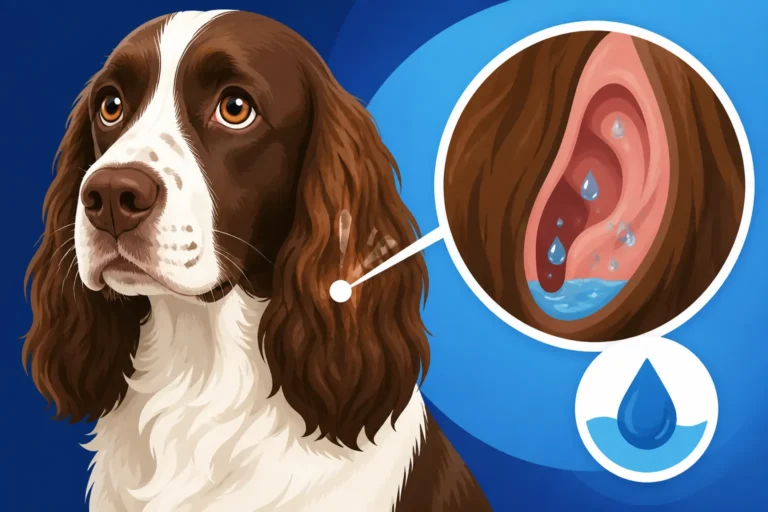
Summer brings its own challenges. While a dip in the lake might seem like a bath, fresh or saltwater swimming without a proper rinse can leave residues that irritate the skin or lead to ear infections. Water Work and What It Does to a Springer Spaniel's Ears is a fantastic resource on this topic. If your Springer is a water dog, a thorough rinse after every swim, focusing on the ears and undercarriage, is more important than a full shampoo bath. And in winter, especially if they are working in snow, rinsing off ice melt chemicals and drying thoroughly is paramount to prevent chapping and irritation.
Beyond the Full Bath: Daily and Weekly Care
Let's be real: waiting two months for a full bath isn't going to fly if your Springer is coming in from a muddy field every other day. This is where daily and weekly maintenance routines become your best friend. A full shampoo and rinse is only one part of keeping your active dog clean and healthy.
The Power of the Rinse and Towel
This is perhaps the most underrated tool in a Field Springer owner's arsenal. After a muddy walk or a vigorous session in the field, a thorough rinse with plain water can do wonders. You don't need shampoo for every bit of mud. Think of it as a quick wash-down:
- Hose off the legs and belly: This is where most of the mud and loose debris collects. Use a gentle stream of water, ideally lukewarm.
- Focus on the paws: Mud, burrs, and even small stones can get trapped between their paw pads. A good rinse here is essential.
- Check the ears: Their lovely drop ears are prone to trapping moisture and debris. A quick wipe with a clean towel after a rinse is a must. Don't forget to refer to Why a Springer Spaniel's Ears Are Never Quite Healthy for more in-depth ear care.
- Towel dry thoroughly: This is key. A damp dog is a smelly dog, and prolonged dampness can lead to skin issues. Invest in some super absorbent microfiber towels or even a dedicated dog dryer if your Springer is a frequent swimmer or gets wet often. You can find excellent options for towels on Amazon or specialized pet drying equipment on Chewy.
For many, this rinse-and-dry routine becomes almost daily during hunting season or periods of heavy outdoor activity. It removes the surface dirt, prevents mats, and keeps your house cleaner without impacting their skin's natural balance.
Brushing, Spot Cleaning, and Coat Sprays
Regular brushing is not just about looks; it's a vital part of keeping a working coat healthy and reducing the need for full baths. How Often a Field Springer Spaniel Needs Brushing goes into more detail, but generally, brushing a few times a week, and definitely after every significant outdoor excursion, will:
- Remove loose dirt and debris: Many things simply brush out once dry.
- Prevent matting: Especially in areas with longer feathering like behind the ears, on the legs, and under the tail. Mats can trap moisture and lead to skin irritation.
- Distribute natural oils: This helps keep the coat healthy and shiny.
- Allow for a physical check: Brushing is the perfect time for After the Hunt: Checking a Springer Spaniel Over Nose to Tail for ticks, burrs, grass awns, or any cuts and scrapes. Burrs, Ticks and Grass Awns in a Working Springer Spaniel is also an important read.
Spot cleaning is another excellent strategy. Did your Springer roll in something questionable, but the rest of them is clean? Don't give a full bath. Use a damp cloth or pet-safe cleansing wipes to clean the offending area. Dry shampoos or deodorizing sprays can also be helpful for a quick refresh between baths, though they don't replace actual cleaning. When selecting these, always opt for products specifically designed for dogs and with gentle, natural ingredients to avoid skin irritation.
Choosing the Right Products and Recognizing Problems
The products you use, and how you use them, are just as important as how often you bathe your Field Springer. Using human shampoos or harsh detergents can severely damage their coat and skin, leading to more problems than they solve.
Shampoos and Conditioners for Working Dogs
When it's time for a full bath, select a high-quality, dog-specific shampoo. For Field Springers, look for:
- Hypoallergenic or Sensitive Skin Formulas: Even if your dog doesn't have diagnosed allergies, these are generally milder and less likely to strip natural oils.
- Moisturizing Ingredients: Oatmeal, aloe vera, or natural oils can help replenish moisture.
- Deodorizing Properties: Let's face it, field dogs can get a bit stinky! Good deodorizing shampoos can help.
- No harsh chemicals or artificial fragrances: These can be irritants.
You can find a wide range of suitable shampoos on platforms like Chewy or at your local pet supply store. Some owners find that a conditioning rinse is beneficial, especially for dogs with longer feathering that might be prone to tangles, or for restoring moisture after a particularly muddy episode. However, use conditioner sparingly on the main body coat to avoid making it too soft, which can compromise its protective qualities. Which Shampoo Suits a Springer Spaniel's Oily Coat delves deeper into product choices.
Remember to dilute your shampoo as per the instructions, or even more, to ensure it spreads easily and rinses out completely. Residual shampoo can irritate the skin and attract dirt.
Recognizing Signs of Trouble
Your Springer's skin and coat are good indicators of their overall health. Pay close attention to any changes that might signal a problem with your bathing routine or underlying health issues.
- Excessive Dryness or Flakiness: This could mean you're bathing too often, using a harsh shampoo, or your dog isn't getting enough moisture in their diet.
- Itching or Redness: Constant scratching, licking, or chewing can point to allergies, skin irritation from products, or even parasites.
- Greasy or Oily Coat: While a working coat has natural oils, excessive greasiness could indicate a skin condition like seborrhea, or an imbalance.
- Dull or Brittle Hair: A lack of natural oils, poor nutrition (perhaps considering a fresh food option like Ollie for better skin and coat health, after discussing with your vet), or an underlying health issue can cause this.
- Persistent Odor: If your dog still smells bad even after a bath, it might be a deeper skin issue or an infection, rather than just dirt. Always check their ears, as ear infections can produce a very noticeable odor.
If you notice any persistent issues, or if your Springer seems uncomfortable, a trip to the vet is always the best course of action. They can help diagnose any underlying medical conditions and recommend specific medicated shampoos or dietary changes if needed. Ultimately, the goal is a happy, healthy Springer whose coat effectively protects them in the field and is pleasant to live with at home. It’s a continuous learning process, but with a thoughtful approach to care, you and your furry companion will thrive.
Disclaimer
This article is for general informational purposes only and does not constitute professional advice. Laws, prices and regulations vary by location and change over time. Consult a qualified professional for guidance on your specific situation.