Whether a Show Springer Spaniel Is Hand Stripped
One common question I get from folks who are new to the world of English Springer Spaniels, especially those looking at the more refined lines often seen in the show ring, is about their grooming. It can be incredibly confusing to hear about "hand stripping" when you might be used to simply clipping a dog. Many wonder if that beautiful, vibrant coat on a show Springer is achieved by meticulously pulling out hair, and the truth is, it's a practice rooted deep in tradition and breed standards. This guide aims to clear up the mystery of hand stripping for show Springer Spaniels, explaining what it entails, why it's done, and the practicalities for owners.
Understanding Hand Stripping vs. Clipping for Show Springer Spaniels
When you look at a stunning English Springer Spaniel in the show ring, with its rich colors and perfectly textured coat, it’s easy to assume there's some special grooming secret. And you'd be right! The distinction between hand stripping and clipping is one of the most fundamental differences in grooming methods, especially when maintaining a coat for breed standards.
What Exactly is Hand Stripping?
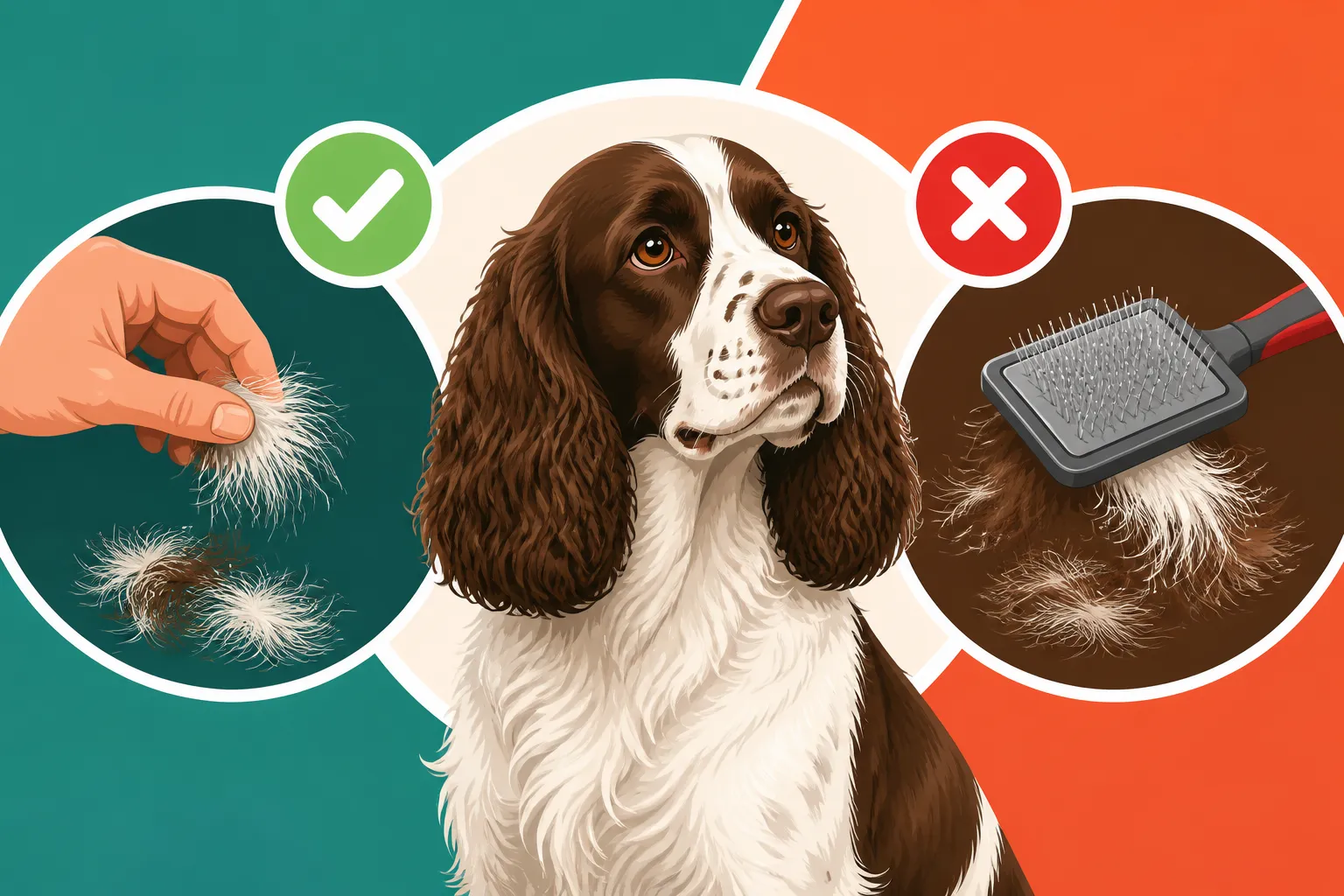
Hand stripping is a traditional grooming technique where the dead, dull outer coat (often called the "furnishings" or "jacket") is manually pulled out, rather than cut with clippers. This isn't painful for the dog when done correctly, as you're only removing hair that has already died and is ready to shed. Think of it like pulling out a loose tooth – if it's ready, it comes out easily. The goal is to encourage the growth of a new, coarse, vibrant outer coat, which is a hallmark of the English Springer Spaniel breed standard, particularly in show lines.
The process usually involves using special stripping knives or even just your thumb and forefinger to pluck out hairs in small sections. It's a skill that takes time to learn and perfect, ensuring an even appearance and proper coat transition. A correctly hand-stripped coat will have a beautiful, dense texture that is water-resistant and holds its color wonderfully. It maintains the natural "harshness" of the topcoat, which is a functional trait for a sporting dog, even in those bred primarily for appearance. Without it, the coat can become soft, lose its natural protection, and fade in color over time.
Why Clipping is Often Done Instead
On the flip side, clipping involves using electric clippers to cut the hair. While much faster and seemingly easier, clipping a Springer Spaniel's double coat, especially a show-bred one, has significant implications for its texture and appearance. When you clip, you cut through both the soft undercoat and the coarse guard hairs. The problem is, the undercoat grows back faster and softer, while the guard hairs, if cut, lose their natural harshness and vibrant pigment. Over time, a clipped coat tends to become softer, fluffier, and lighter in color, often taking on a muted, cotton-like texture that can be difficult to manage.
For pet owners, clipping is often chosen for convenience, cost savings, and sometimes simply because they're unaware of the alternatives or the long-term effects. A clipped dog can feel wonderfully soft, and for a beloved companion who isn't entering the show ring, a softer coat might even be preferred. It certainly reduces the time commitment compared to the meticulous work of hand stripping. However, if you're aiming for that crisp, classic show ring look, clipping is generally a no-go. It fundamentally alters the coat in a way that goes against breed standards for texture and color. You might also find that if you clip A Show Springer Spaniel's Coat That Adds a Groomer to Your Budget, it quickly loses its distinctive look.
The Traditional Approach: Hand Stripping for the Show Ring
For breeders and owners serious about campaigning their English Springer Spaniel in conformation events, hand stripping isn't just a preference; it's often a necessity to meet the breed standard. It's about preserving the integrity of the coat as defined by the breed's historical purpose and aesthetic.
Preserving Coat Health and Color
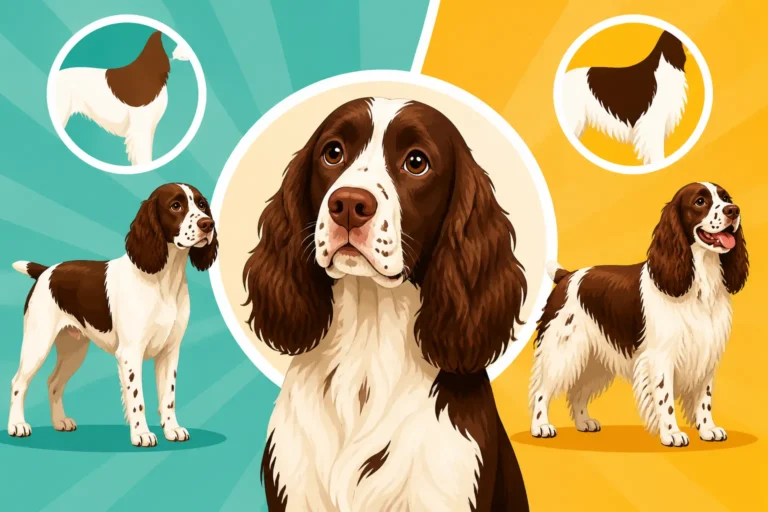
The English Springer Spaniel standard calls for a medium-length double coat, with a dense, soft undercoat and a longer, somewhat harsh, water-resistant outer coat. This outer coat needs to be removed regularly to allow new, strong, pigmented hair to grow in its place. Hand stripping accomplishes this by taking out only the dead hair, which means the hair follicle remains healthy and continues to produce the correct type of hair. This not only maintains the proper texture but also ensures the rich, vibrant colors – be it black and white, liver and white, or tri-color – remain crisp and defined.
When a show Springer is consistently hand stripped, it develops a "rolled" coat. This means different sections of the coat are at various stages of growth, so there's always a healthy, maturing coat coming in. This ensures the dog always looks its best for the ring, without bald patches or an uneven appearance. It's a continuous process, not a one-time event, requiring dedication and a keen eye for detail. This commitment is part of The Show Springer Spaniel Coat That Adds a Groomer to Your Budget. Without this careful cultivation, the coat's natural qualities degrade, and it becomes impossible to present the dog to the judge as per the established guidelines.
The Time and Skill Investment
Let's be honest: hand stripping is labor-intensive. It requires patience, a good eye, and a fair amount of physical effort. It's not something you can rush. For a full show-quality strip, you might spend several hours over multiple sessions to achieve the desired look. Many dedicated show owners learn to do it themselves, attending seminars or working alongside experienced professional groomers who specialize in hand stripping.
The frequency can vary, but generally, a show Springer Spaniel's coat needs to be "rolled" every few weeks. This means selectively pulling out small amounts of dead hair on an ongoing basis to maintain the coat's condition and ensure new growth is always coming in. This constant maintenance prevents the coat from ever getting too long or too soft. If you're not up to the task, engaging a professional groomer is essential, which, as you might guess, adds to the ongoing costs of showing a dog. Finding a groomer skilled in hand stripping specific breeds like Springers can be a challenge in some areas, highlighting the niche nature of this skill. You can find specialized stripping knives and chalks on platforms like Amazon or Chewy to aid in the process, but the skill itself is priceless.
When Hand Stripping Might Not Be the Right Choice
While hand stripping is ideal for the show ring, it's not always the best choice for every Springer Spaniel owner. For instance, if your dog has a very sensitive skin, the process, even when done correctly, might cause irritation. Some individual dogs simply don't have the ideal coat texture for stripping – their coat might be too soft to begin with, meaning it won't "roll" properly, or it might be too thin. In these cases, forcing a hand strip could lead to an uneven or patchy appearance, which is certainly not desirable for the show ring or for the dog's comfort.
Furthermore, the significant time commitment involved is a huge factor. Many pet owners simply don't have the hours each week to dedicate to grooming their dog in this manner, nor do they necessarily have access to a skilled professional. If your Springer Spaniel is primarily a family pet, a working dog in the field, or if showing is not your goal, then the strict adherence to hand stripping might not be necessary. A well-maintained clipped coat, while different in texture, can still be healthy and beautiful for a companion dog. It is worth noting the differences in How a Show Springer Spaniel's Coat Differs from a field-bred one; the former typically has more coat and feathering that requires more intensive care.
Grooming Alternatives and Practicalities for Show Springer Spaniels
Even within the show community, there's a recognition that not every single hair needs to be hand stripped, and sometimes, intelligent alternatives or complementary techniques are used to maintain a show-ready appearance. It's about working with the coat, not against it.
Blending Techniques for a Show-Ready Look
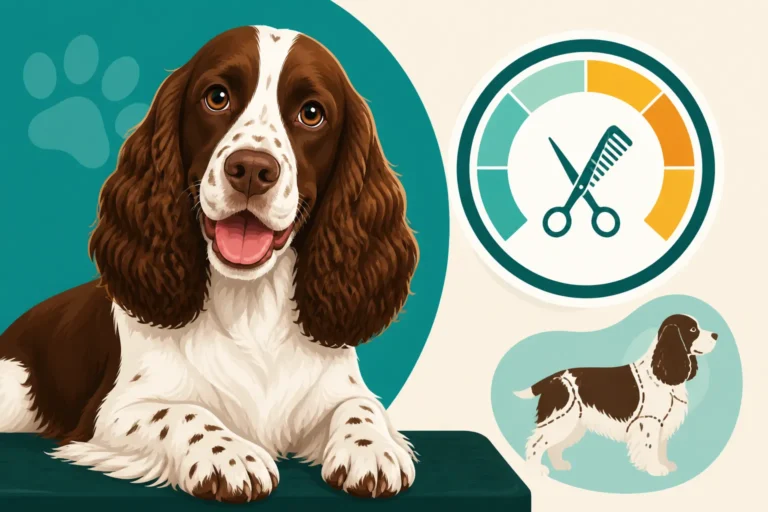
While the body of a show Springer Spaniel often requires hand stripping to maintain its correct texture and color, other areas, particularly the long feathering on the legs, chest, and belly, are typically not hand stripped. These areas are usually tidied and shaped with thinning shears and straight shears. The goal here is to create a clean, elegant outline that showcases the dog's structure without looking overly sculpted or artificial. Thinning shears are particularly useful for reducing bulk and blending clipped or trimmed areas into stripped sections seamlessly. This technique maintains the natural flow and length of the feathering while preventing matting and ensuring a neat presentation.
The face, ears, and throat are also typically trimmed with shears or clippers on a very short setting to create a clean, refined headpiece. The top of the skull might be hand stripped, but often it's also tidied with thinning shears to smooth the transition to the neck. This blending technique requires a keen artistic eye and a thorough understanding of the breed standard to ensure that the dog's natural lines are enhanced, not obscured. It’s a delicate balance of preserving the traditional look while using modern tools to achieve precision and efficiency. You can find a good selection of quality thinning shears and clippers on Chewy or Amazon. Remember, Trimming a Springer Spaniel's Feathering is a specific skill that can greatly enhance your dog's appearance.
Products to Maintain Coat Condition
Regardless of whether you hand strip, clip, or use a combination of techniques, maintaining the overall health of your Springer Spaniel's coat and skin is paramount. A healthy coat starts from the inside out, so a good diet is crucial. Beyond nutrition, external products play a vital role. High-quality shampoos and conditioners designed for double coats can help keep the hair clean, moisturized, and manageable. Avoid harsh products that can strip natural oils, leading to dry skin and a brittle coat.
For hand-stripped coats, special stripping chalks or powders can be used to improve grip on the hair and absorb excess oil, making the stripping process easier and more effective. After stripping, conditioning treatments might be applied to soothe the skin and nourish the new coat growth. Regular brushing with the right tools, such as a slicker brush or an undercoat rake, is also essential to remove loose hair and prevent matting, especially in the feathering. This helps maintain the "rolled" coat texture and keeps the dog comfortable. Regular grooming routines are key, as a Springer Spaniel's coat, especially the show type, sheds into the house if not cared for. You'll want to learn How Much a Springer Spaniel Sheds Into a House if you aren't already familiar. Consider looking for specialized grooming tools on Amazon to help manage your dog's coat effectively.
Deciding What's Best for Your Show Springer
Ultimately, the decision of how to groom your show Springer Spaniel hinges on several factors, including your goals for the dog, your commitment to grooming, and the individual characteristics of your dog's coat.
Considering Your Dog's Comfort and Coat Type
First and foremost, your dog's comfort should always be a priority. While hand stripping should not be painful, some dogs are more sensitive than others. If your Springer Spaniel exhibits significant discomfort or stress during the stripping process, it might be worth re-evaluating the approach. A stressed dog will not enjoy the show ring, no matter how perfectly groomed.
Beyond temperament, not every Springer Spaniel has the ideal coat for hand stripping. Some may naturally have a softer, thinner coat that simply doesn't respond well to stripping. In these cases, attempting to force a hand strip can result in a patchy, uneven coat that looks worse than a well-executed clip. Assess your dog's coat: does it have a distinct harsh outer layer? Does dead hair seem to come out easily? If the hair snaps rather than pulls, it might not be ready, or your technique might need adjustment. A healthy, properly cared-for coat should ideally allow for hand stripping, but individual variations exist. Understanding Whether a Springer Spaniel's Coat Grows Back After a Shave is important if you ever have to resort to clipping due to coat damage or matting.
Consulting with Experienced Breeders and Groomers
If you're serious about showing your Springer Spaniel, the best advice you can get will come from those who have walked the path before you. Connect with experienced English Springer Spaniel breeders and professional show groomers. They can offer invaluable insights into the specific grooming needs of your dog's line, teach you proper techniques, and help you determine if hand stripping is truly viable for your individual dog. Many breeders are happy to mentor new owners and share their expertise, understanding that a well-presented dog reflects positively on their breeding program.
A professional groomer specializing in show Springers can also evaluate your dog's coat, recommend the best approach, and even demonstrate how to strip or blend properly. This hands-on guidance is often more valuable than any book or video tutorial. They can also advise on the tools that will work best for your dog's coat type, from stripping knives to specific thinning shears available from retailers like Chewy. Don't be afraid to ask questions, observe, and learn. The community around show dogs is often very supportive, and tapping into that knowledge base is key to success. Remember, How Often a Show Springer Spaniel Needs Trimming depends heavily on individual coat growth and show schedules.
Here's a quick comparison of hand stripping versus clipping for show Springer Spaniels:
| Feature | Hand Stripping (Show Standard) | Clipping (Often for Pets) |
|---|---|---|
| Coat Texture | Maintains harsh, coarse outer coat; promotes healthy regrowth. | Softens coat, can make it fluffy/cotton-like; cuts all hair. |
| Coat Color | Preserves rich, vibrant pigmentation. | Can dull or lighten coat color over time. |
| Time Commitment | High; regular, meticulous effort required. | Low; quicker process. |
| Skill Required | High; specific technique and knowledge of coat cycles. | Moderate; general grooming skills. |
| Tools Needed | Stripping knives, chalk, finger cots, thinning shears. | Electric clippers, various blades, shears. |
| Show Suitability | Essential for meeting breed standards in the conformation ring. | Generally not suitable for conformation showing due to coat alteration. |
| Dog's Comfort | Should be comfortable if dead hair is pulled; depends on dog. | Generally comfortable; less sensation than stripping. |
| Cost | Potentially higher for professional services or initial tools. | Lower for professional services; initial clipper investment. |
Ultimately, whether you choose to hand strip your show Springer Spaniel or opt for other grooming methods, the most important thing is that your dog is healthy, comfortable, and well-cared for. If you're passionate about showing, the traditional art of hand stripping is an integral part of presenting a Springer Spaniel at its very best.
Disclaimer
This article is for general informational purposes only and does not constitute professional advice. Laws, prices and regulations vary by location and change over time. Consult a qualified professional for guidance on your specific situation.