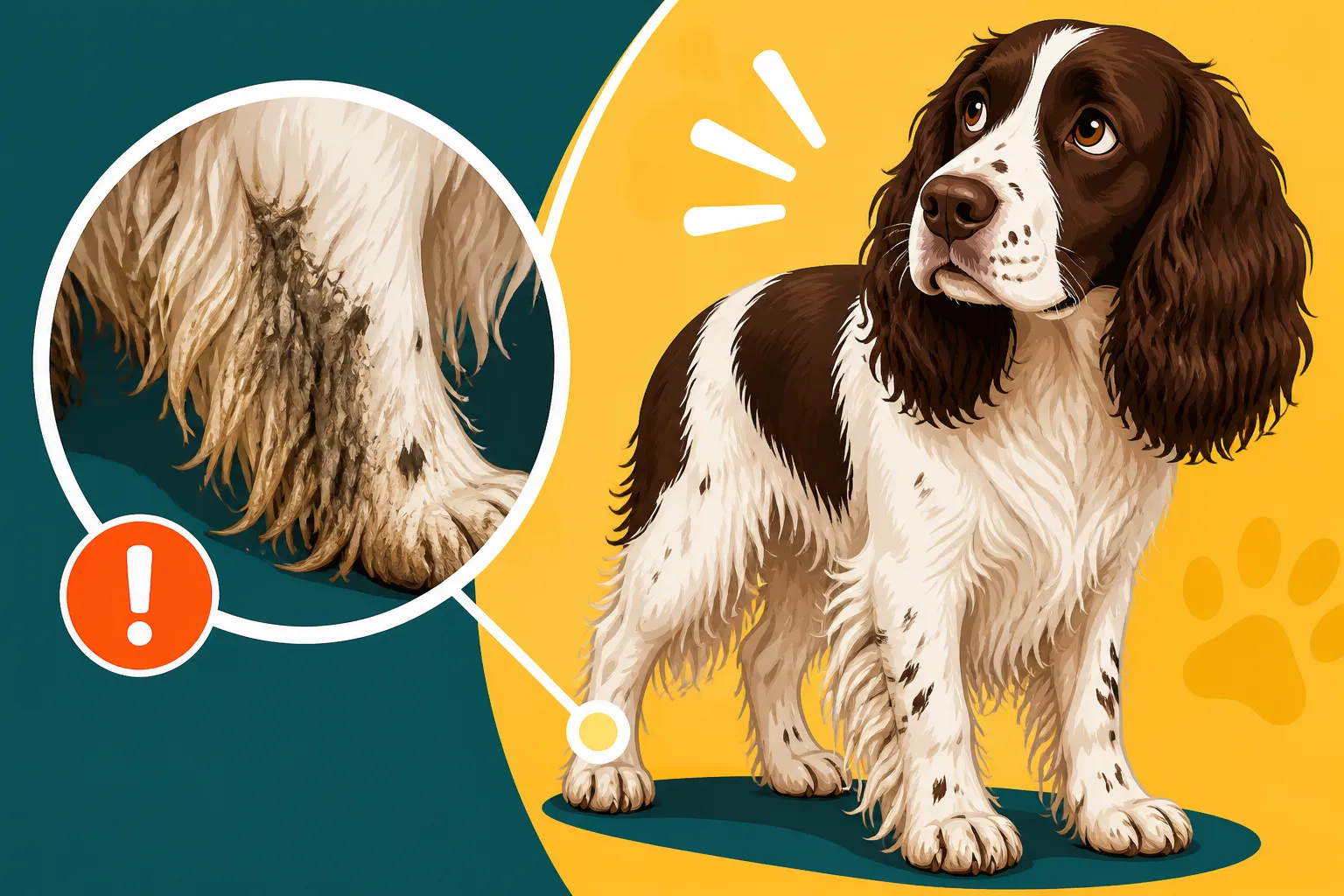
Whether a Springer Spaniel’s Feathering Mats
Few things are as beautiful as the flowing, silken feathering of an English Springer Spaniel, but any owner will tell you that this gorgeous coat comes with its own unique set of challenges, particularly when it comes to matting. That exquisite fringe of hair on their legs, chest, belly, and ears isn't just for show; it's a magnet for tangles, burrs, and general grime, and if you don't stay on top of it, those lovely locks can quickly turn into painful, pelt-like mats. This guide will walk you through exactly why your Springer's feathering is so prone to matting and, more importantly, what you can do about it to keep your beloved companion comfortable and looking their best.
The Unique Nature of Springer Spaniel Feathering and Its Matting Predisposition
Let's face it, a Springer Spaniel's coat, especially the longer feathering, is absolutely stunning. It’s one of their defining features, giving them that elegant, yet sporty, appearance we all adore. But beneath that beauty lies a texture and growth pattern that, by its very nature, is a mat-waiting-to-happen. Understanding why it mats is the first step in effectively preventing and managing it.
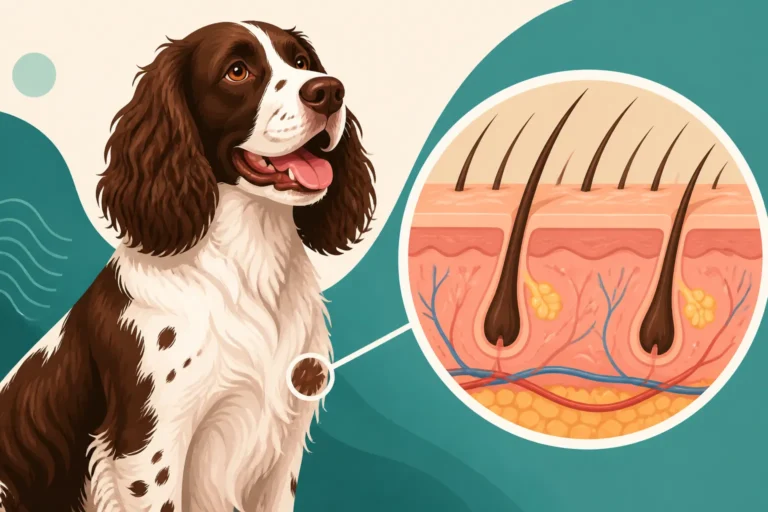
Springer Spaniel feathering isn't like the rest of their body coat. While their topcoat is relatively smooth and water-repellent, the feathering is typically much softer, finer, and denser. Think of it like a human's fine hair – it tangles easily, right? Now imagine that fine hair dragging through everything from damp grass and muddy puddles to thorny bushes and dusty trails. It's a recipe for disaster. This softer hair, particularly on the ears, backs of the legs (known as "pants" or "trousers"), chest, and belly, tends to catch and hold onto debris. As these fine hairs rub against each other, or against obstacles in the environment, they intertwine and knot. Add moisture or static electricity, and those knots tighten into solid mats, sometimes alarmingly quickly.
The sheer volume and length of feathering in many show-bred Springer Spaniels can make this even more pronounced. A field-bred Springer Spaniel, while still possessing feathering, often has a shorter, somewhat coarser coat that can be more forgiving in dense cover. However, even field Springers will experience matting if their feathering isn't maintained, albeit perhaps to a lesser degree. The show lines, with their emphasis on lush, flowing coats, require a much more intensive grooming regimen. It's a trade-off for that classic, flowing look, and The Feathering a Show Springer Spaniel Drags Through Everything certainly highlights the practical challenges this presents in day-to-day life.
Furthermore, a Springer's active lifestyle naturally contributes to matting. They are built to move, to run, to plunge through undergrowth. Every time they dart through tall weeds, roll in the grass, or even just lie down for a nap, their feathering is exposed to friction and potential tangles. Even a simple scratch or vigorous shake can start the process of a small knot forming, which, if ignored, can quickly grow into a larger, more troublesome mat. This is why vigilance and a proactive approach are absolutely critical for any Springer Spaniel owner. You can appreciate How a Show Springer Spaniel's Coat Differs when you consider the sheer amount of extra work it can take to keep it pristine.
Identifying the Common Matting Culprits and Prevention Tactics
Now that we know why the feathering mats, let's dive into the specific things that often trigger matting and, more importantly, how we can combat them. It's a daily battle, but one that is absolutely winnable with the right tools and consistent effort.
Environmental Aggressors: Mud, Burrs, and More
Springers are dogs of the outdoors, and their feathering is constantly interacting with the environment. This is where a huge percentage of matting issues originate. Think about those long, luxurious strands on their belly and legs – they are literally sweeping the ground.
Mud and dirt are notorious matting culprits. When your Springer runs through a muddy field, the mud clings to the hair, and as it dries, it cements those fine strands together, creating a coarse, solid block. Even dry dust and fine sand can get caught in the undercoat and feathering, acting as an abrasive that causes hairs to knot.
But perhaps the most dreaded environmental factor is burrs. If your Springer has ever encountered a patch of burdock or other burr-producing plants, you know the immediate panic that sets in. These sticky seeds embed themselves deep into the feathering, tangling the hair around them into incredibly tight, painful knots. A single burr, if left, can quickly involve a large section of feathering, often forming a mat that is nearly impossible to brush out without significant effort or even cutting. Burrs, Ticks and Grass Awns in a Working Springer Spaniel outlines just how problematic these can be. Similarly, dry leaves, twigs, and even grass awns can work their way into the coat, twisting the fine hairs as your dog moves. The insidious thing about grass awns is that they don't just mat; they can burrow into the skin, causing abscesses, making immediate removal crucial. Whether a Springer Spaniel Picks Up Ticks in Cover also reminds us that dense feathering can hide other unwelcome guests like ticks, making regular inspection even more vital.
Prevention here often involves planning your walks. If you know you'll be in an area prone to burrs or thick underbrush, consider a protective vest for your Springer or sticking to mown paths. After every outdoor adventure, no matter how short, a quick but thorough visual inspection and run-through with a comb is non-negotiable. Don't wait until tomorrow – a fresh burr is far easier to remove than one that's been walked on and tightened for hours.
The Imperative of Regular Grooming
This might sound obvious, but the lack of consistent, proper grooming is, without a doubt, the single biggest reason why Springer Spaniel feathering mats. It’s not enough to brush once a week or when you notice a problem; daily attention is often required, especially for show-coated Springers.
The fine texture of their feathering means that even normal movement, like walking or lying down, can cause friction and start tiny tangles. If these micro-tangles aren't removed regularly, they build upon each other, attracting loose undercoat hair and forming bigger, denser mats. Think of it like a snowball rolling downhill – it starts small but gathers size and momentum quickly.
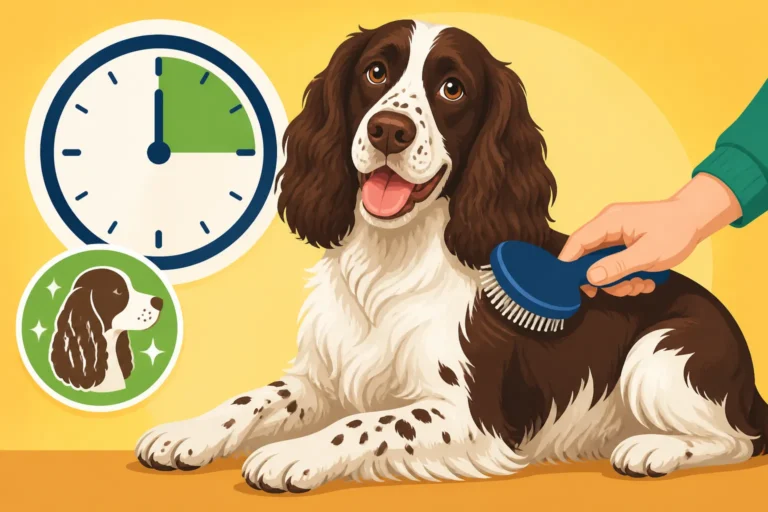
A thorough daily brush-out isn't just about removing existing tangles; it’s about preventing them from forming in the first place. It distributes natural oils, removes loose hair that would otherwise contribute to mats, and keeps the coat smooth and free-flowing. Neglecting this routine, even for a few days, can lead to a nightmare scenario, particularly in damp weather or during shedding seasons. Many owners find that setting aside 10-15 minutes each day for a dedicated grooming session is far less time-consuming and stressful than spending an hour or more trying to de-mat a neglected coat later. This also means regularly addressing areas like the "armpits" (behind the front legs) and groin, which are high-friction zones and notorious for matting. For a show Springer, the commitment to regular grooming is a huge part of the overall care, as outlined in How Often a Show Springer Spaniel Needs Trimming.
Gear-Related Matting and How to Minimize It
Sometimes, the very equipment we use to keep our dogs safe and comfortable can inadvertently contribute to matting. This is particularly true for feathering in specific areas.
Harnesses, while often preferred for walking, can be a major culprit, especially those that rub against the chest, underarms, or shoulder feathering. The constant friction and compression of the hair under the harness straps can quickly create tight, flat mats. This is especially true if the harness isn't fitted correctly or if it's left on for extended periods when not walking. The same goes for collars, particularly if they are too tight or too loose, leading to rubbing around the neck and behind the ears.
Even seemingly innocuous items like dog sweaters, jackets, or protective vests (for working dogs) can cause matting where they rub against the coat. While these items are often necessary, they can press down the feathering, leading to tangles and knots. Whether a Harness Mats a Springer Spaniel dives deeper into this specific issue, offering insights into mitigating the problem.
To minimize gear-related matting, always ensure collars and harnesses fit properly – snug enough not to chafe, but loose enough not to compress the coat too much. Remove harnesses and clothing when not needed. After your dog has worn a harness or vest, take a moment to gently fluff and comb through the areas where it sat, loosening any nascent tangles. Consider a satin or silk lining for vests or harnesses if possible, as these materials create less friction. When choosing a dog bed, think about the material too; some fabrics can create more static and friction than others, contributing to tangles.
Effective Strategies for Prevention and Gentle Mat Removal
So, you understand the problem. Now, what's the solution? The key is a multi-pronged approach combining proactive prevention with gentle, effective removal techniques. It's about making grooming a positive, regular experience for both you and your Springer.
The Daily Brush-Out Routine: Your First Line of Defense
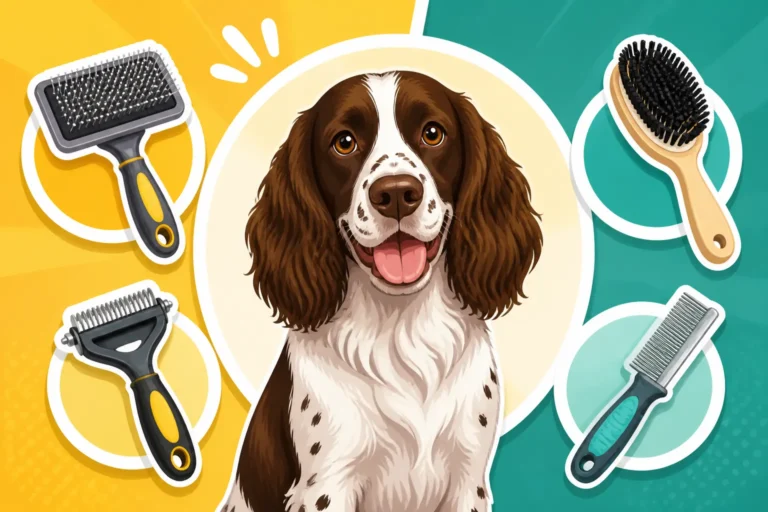
This is non-negotiable for a Springer Spaniel with substantial feathering. A daily brush-out prevents small tangles from escalating into painful mats. You’ll need the right tools: a good quality slicker brush, a metal comb with both wide and fine teeth, and a detangling spray (you can find excellent options on Chewy or Amazon).
Start with your Springer lying comfortably on their side. Begin by gently spraying a section of feathering with detangling spray. Then, use the slicker brush to work through the hair, always brushing away from the skin, not directly into it. Many groomers recommend "line brushing," where you hold the top layer of hair up and brush a small section from the skin outwards, then drop a bit more hair and repeat, working your way down the dog's body and legs. This ensures you're reaching all the way to the root of the hair.
After using the slicker, follow up with your metal comb. The comb is your mat detector. Run the wide-toothed side through the same section. If the comb glides smoothly, you're good. If it snags, you've found a tangle. Gently work through it with your fingers, then use the finer side of the comb, always being incredibly careful not to pull on the skin. Pay special attention to the "hot spots" for matting: behind the ears, under the armpits, the long hair on the belly and chest, and the "pants" on their hind legs. Consistency is key here. Make it a bonding time, not a chore.
A good brush is your best friend. Which Brush Suits a Springer Spaniel can help you pick the right one for your dog's specific coat type and needs. Remember, a thorough brush isn't just a quick once-over; it's a careful, section-by-section process.
Tackling Tangles and Severe Mats with Care
Even with the most diligent daily grooming, you might encounter a stubborn tangle or, heaven forbid, a full-blown mat. The golden rule here is never to pull or yank. That causes pain and makes your dog dread grooming.
For small tangles:
Apply a generous amount of detangling spray or a coat conditioner directly to the tangle. Use your fingers to gently try and separate the hairs. Once loosened, use the wide-toothed comb, working from the outer edge of the tangle inwards, a few hairs at a time. Hold the hair closer to the skin to minimize pulling. Patience is your greatest tool here.
For larger, tighter mats:
These require a different approach and extreme caution.
- Assess the Mat: Determine how close it is to the skin and how dense it is.
- Apply Lubricant: Saturate the mat with a detangling spray, coat oil, or even cornstarch (which can help break down the mat).
- Break It Apart: Use your fingers to try and gently pull the mat apart into smaller sections.
- Use Tools (Carefully!):
- Mat Splitter: This tool has sharp blades designed to cut through the mat, not into the skin. It effectively "slices" the mat into smaller, more manageable strips that can then be brushed out. Always point the splitter away from the dog's skin.
- Blunt-Nosed Scissors: If a mat is very tight and close to the skin, you might need to cut it. Crucially, slide a metal comb between the mat and the skin first. This acts as a barrier, protecting the skin. Then, carefully snip into the mat, parallel to the comb, to break it up. Never attempt to cut a mat without a comb as a guard, as it's incredibly easy to cut skin, which is often pulled taut and hidden within the mat.
- Dematter Rake: These tools have serrated blades that can help pull apart dense undercoat and mats. Use with a gentle, raking motion.
If a mat is too large, too close to the skin, or causing your dog distress, it is always best to seek professional help. A good groomer has specialized tools and experience to remove mats safely and with minimal discomfort. Never let your Springer suffer with tight mats. Whether a Matted Springer Spaniel Has to Be Shaved covers the reality that sometimes, shaving is the kindest option.
Professional Grooming as a Management Tool
While daily home grooming is essential, professional grooming is invaluable for maintaining a Springer's feathering. A professional groomer can perform a thorough brush-out, trim feathering to a more manageable length, and deal with mats you might find too challenging.
Many Springer owners opt for regular "tidy-ups" every 4-8 weeks, focusing on keeping the feathering around the ears, feet, and belly neat and shorter. This doesn't mean clipping the entire dog short, which can damage the coat texture, but rather strategically trimming the areas most prone to matting. A good groomer can shape the feathering to be both beautiful and functional, reducing its matting potential while still maintaining the classic Springer look.
They can also "card" or strip the undercoat, which is vital for reducing density and preventing mats, especially during shedding seasons. Don't underestimate the expertise of a professional; they can spot potential problem areas and address them before they become severe. What a Full Groom on a Show Springer Spaniel Costs and How Long a Springer Spaniel Groom Takes will give you an idea of the investment involved, but it's often worth it for the health and comfort of your dog.
| Grooming Tool | Primary Use | Tips for Springer Spaniels |
|---|---|---|
| Slicker Brush | Removing loose hair, detangling, fluffing coat | Essential for daily use, especially on feathering. Always brush gently, working in layers from the skin outward. |
| Metal Comb | Detecting tangles, line brushing, finishing | Use wide teeth for initial passes, fine teeth to ensure no tangles remain. Indispensable for checking "mat zones." |
| Detangling Spray | Lubricating tangles, reducing static, conditioning | Spray directly onto tangles before attempting to brush. Can be used daily to aid brushing and reduce friction. |
| Mat Splitter | Safely cutting through dense mats | Use with extreme caution. Slide into the mat close to the skin, pointing blades away from the dog. Slice, don't chop. |
| Blunt-Nosed Scissors | Cutting mats (as a last resort) | Always use a comb as a barrier between the mat and the skin. Only snip into the mat, never across it. |
| Dematter Rake | Breaking up dense undercoat and mild mats | Can be effective for shedding undercoat. Use gently to avoid skin irritation. Not for tight, close-to-skin mats. |
| Pin Brush | Gentle detangling, overall coat maintenance | Good for general brushing and fluffing, but less effective at removing deep tangles than a slicker or comb. |
The Impact of Matting on Your Springer's Health and Well-being
It's tempting to think of mats as merely an aesthetic problem, something that makes your dog look a bit scruffy. But the reality is far more serious. Matting can have significant and painful consequences for your Springer Spaniel's health and overall quality of life.
Skin Irritation, Pain, and Infections
The most immediate and obvious impact of matting is on the skin. Mats pull on the skin, causing constant tension and discomfort. Imagine having your hair tightly pulled all the time – it's irritating and painful. This constant pulling can lead to redness, inflammation, and sensitivity in the affected areas.
Beyond just pulling, mats create an environment ripe for skin infections. They trap moisture, dirt, debris, and parasites against the skin, preventing proper air circulation. This warm, damp, and dirty environment is a perfect breeding ground for bacteria and yeast, leading to hot spots, dermatitis, and other painful skin conditions. You'll often notice a foul odor emanating from matted areas due to the trapped moisture and bacterial growth. Hot Spots Under a Springer Spaniel's Feathering are a particularly nasty manifestation of this problem, often requiring veterinary intervention. These areas are not only itchy and painful but can quickly become infected if left untreated. Your Springer might incessantly lick or chew at these spots, only exacerbating the problem.
Restricted Movement and Reduced Quality of Life
Severe matting can severely restrict your Springer's movement. Mats can form dense, unyielding clumps that bind limbs, prevent proper extension, or make it difficult to lie down comfortably. Imagine trying to walk or run with your clothes tightly glued to your skin, pulling in every direction. This is what an extensively matted dog experiences.
A matted coat can make simple activities, like playing fetch or going for a run, uncomfortable or even impossible. This impacts their physical health by reducing exercise, and their mental well-being by limiting their ability to engage in natural, joyful behaviors. Over time, chronic pain and restricted movement can lead to behavioral changes, including irritability, withdrawal, or even aggression due to constant discomfort. A dog that once loved to explore might become reluctant to move, or may snap if touched in matted areas.
Hidden Dangers: Parasites and Unseen Injuries
Dense mats are excellent hiding places. Not only do they conceal the irritated and infected skin beneath, but they can also hide parasites like fleas and ticks. A tick embedded deep within a mat can go unnoticed for days or weeks, increasing the risk of disease transmission. Similarly, a flea infestation can become severe before it's discovered, as the fleas are protected by the matted hair. How to Check a Springer Spaniel for Ticks becomes incredibly challenging when there are mats present, turning a routine check into a difficult and uncomfortable ordeal.
Furthermore, minor cuts, scrapes, or other skin anomalies can easily go unnoticed beneath a thick, matted coat. What might be a small wound can fester and become a serious infection without your knowledge, because the mat prevents you from seeing or feeling the problem. Regular grooming is not just about aesthetics; it's a vital health check, allowing you to monitor your dog's skin, detect any lumps or bumps, and find any unwelcome hitchhikers before they cause serious issues.
In conclusion, managing a Springer Spaniel's feathering requires dedication, consistent effort, and the right tools. It's an ongoing commitment, but one that is deeply rewarding when you see your dog comfortable, healthy, and showcasing that magnificent, flowing coat they were born with.
Disclaimer
This article is for general informational purposes only and does not constitute professional advice. Laws, prices and regulations vary by location and change over time. Consult a qualified professional for guidance on your specific situation.