Whether a Springer Spaniel’s Armpits Mat
One of the most frustrating things as a Springer Spaniel owner, especially if you have a dog with luscious feathering, is battling mats. And let's be honest, those tricky armpit areas are often the first place these nasty tangles decide to set up shop. They're out of sight, easily missed, and can turn into a painful mess for your beloved spaniel before you even realize what's happening. This guide is all about understanding why those armpit mats are so persistent, the problems they cause, and most importantly, how you can prevent them and keep your Springer comfortable and happy.
The Unique Anatomy That Makes Springer Spaniel Armpits Mat Magnets
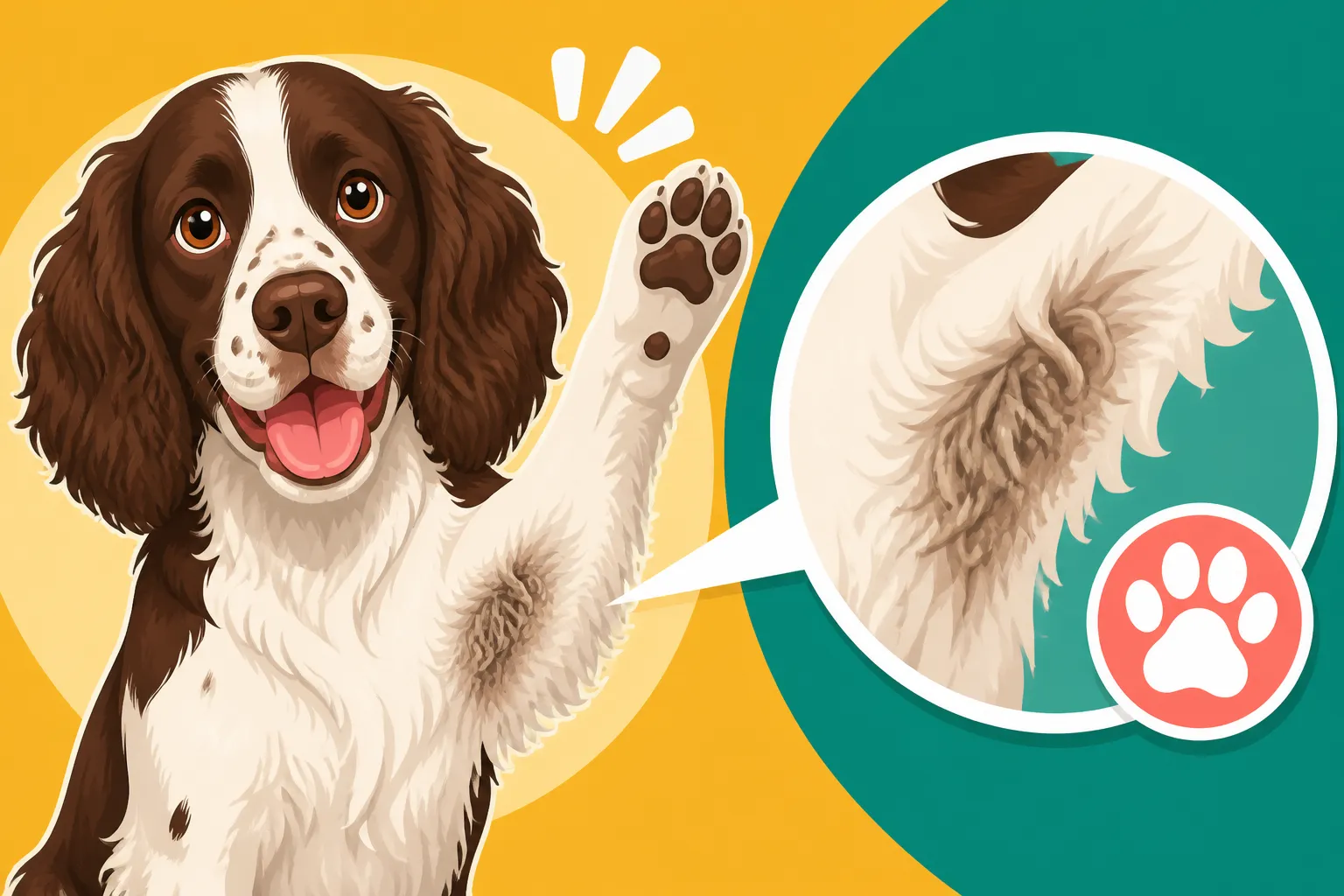
If you've ever owned a Springer, you know their coat is a thing of beauty – but it's also a full-time job. The armpits, or axillary regions as your vet might call them, are particularly prone to matting, and it's not just bad luck; it's a combination of their genetics and lifestyle. Understanding why this area is such a problem spot is the first step in winning the battle against mats.
The Double-Layered Coat and Fine Feathering
Springer Spaniels boast a dense double coat: a soft, insulating undercoat and a coarser, water-repellent outer coat. This combination is fantastic for keeping them warm and dry in the field, but it's also a recipe for tangles. The armpits are where some of the finest, silkiest feathering tends to grow, and this delicate hair is notoriously prone to knotting. When those fine hairs get intertwined with the slightly coarser hairs, especially the dense undercoat, it creates a perfect storm for mat formation.
Think about how easily your own fine hair tangles after a windy day; now imagine that hair constantly rubbing against itself, getting wet, and gathering debris. That's essentially what's happening in your Springer's armpits. The soft, wispy nature of the hair in this region means that even a tiny bit of friction or dampness can start a mat, and once it begins, it tightens quickly, pulling more loose hair into its grasp and growing larger and more painful by the hour.
Constant Motion and Friction
Your Springer Spaniel is an active dog, whether they're quartering a field, chasing a squirrel in the park, or just enthusiastically greeting you at the door. Those front legs are in constant motion, and every step causes friction in the armpit area. This rubbing is a primary contributor to matting. As the skin and hair move against each other, strands get tangled, and any loose or shedding hair gets woven into a knot.
This continuous movement means that even with a perfectly clean and brushed coat, the sheer mechanical action can initiate tangles. It's like wearing a sweater that constantly rubs under your arms; eventually, you'll get pilling or knotting. For a Springer, this isn't just an occasional occurrence; it's a daily reality, making diligent grooming absolutely essential in this high-friction zone. The constant motion also makes these mats harder to spot early, as they're often tucked away and compressed by the leg.
Moisture and Debris Accumulation
Springers love water – puddles, lakes, streams, you name it. And while a good swim is fantastic exercise, it's also a prime opportunity for mats to form, especially if the coat isn't thoroughly dried afterward. Moisture, combined with the dense coat and friction, causes hair to clump and knot. Beyond water, the armpits are also a trap for all sorts of outdoor debris. Leaves, twigs, burrs, grass seeds, and mud cling to the feathering and get worked into these sensitive areas as your dog moves.
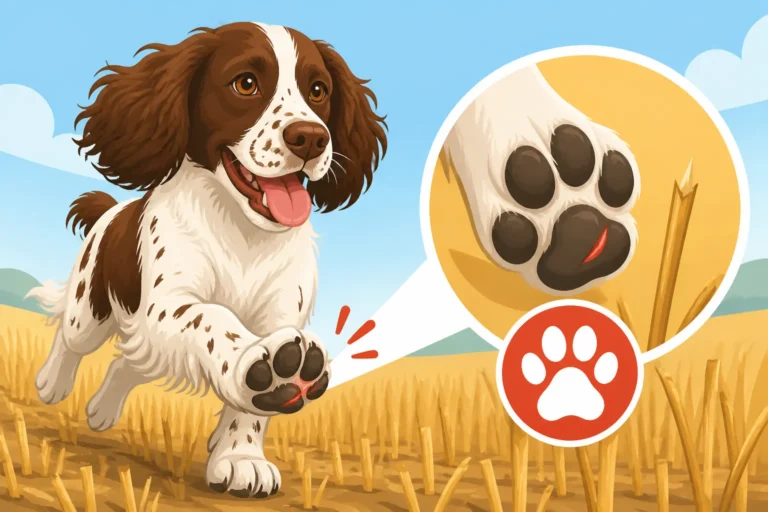
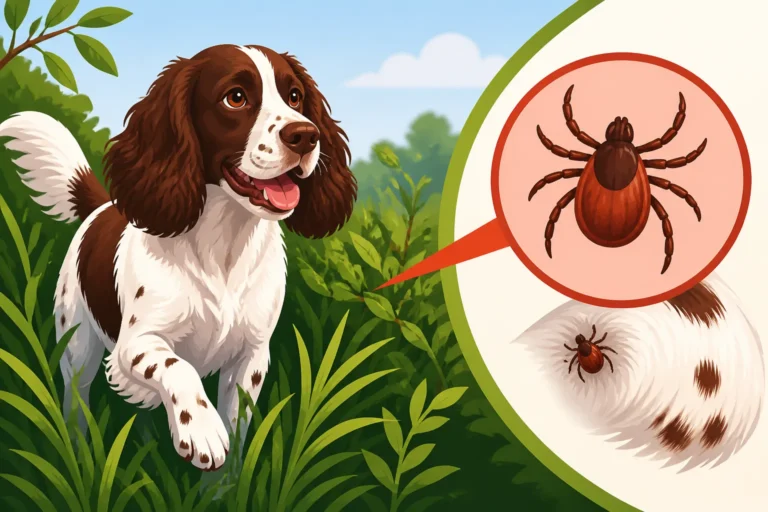
Imagine your Springer plunging through tall grass during a walk or swim; every piece of plant matter becomes a potential nucleus for a mat. These foreign objects act like tiny anchors, catching hairs and twisting them together. Left unchecked, what starts as a few pieces of grass can quickly escalate into a dense, uncomfortable mat, pulling on the skin and creating a haven for moisture and bacteria. This is why checking your dog thoroughly after any outdoor adventure, particularly if they've been in thick cover, is paramount. Burrs, Ticks and Grass Awns in a Working Springer Spaniel
The Real Risks and Discomfort of Armpit Mats
It’s easy to think of a mat as just a cosmetic issue, something that makes your dog look a bit scruffy. But for a Springer Spaniel, particularly in sensitive areas like the armpits, mats are far more than that. They can cause significant pain, lead to serious health issues, and turn your usually cheerful companion into a miserable pup.
Skin Irritation and Pain
The most immediate problem with mats is the discomfort they cause. Mats pull on the skin constantly, creating a persistent, dull ache. As they tighten, they can pinch and stretch the skin, leading to acute pain, especially when your dog moves their legs or when you try to touch the area. Imagine having a tight elastic band constantly pulling at your skin; that's the kind of irritation a mat can inflict. This discomfort can even change your dog's gait, making them reluctant to move or play because of the pain associated with stretching the matted skin.
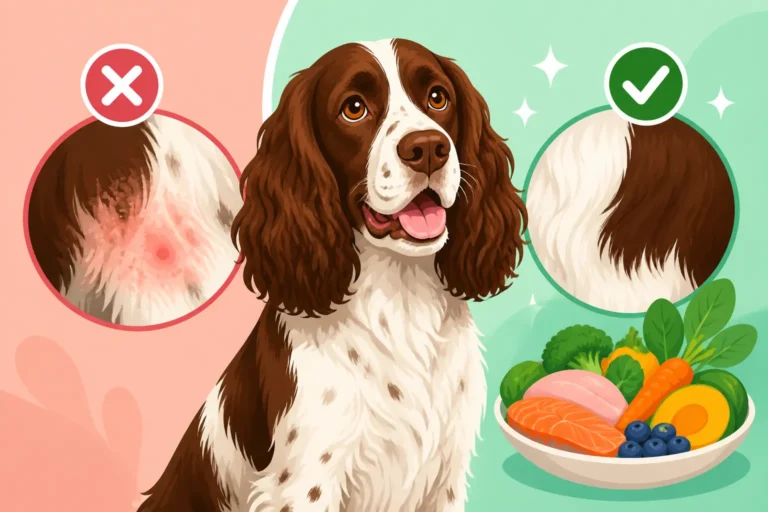
Over time, this constant pulling can lead to skin inflammation, redness, and sensitivity. The skin underneath a mat becomes tender and sore, and even a light touch can cause your Springer to yelp or shy away. This often happens because the mat pulls the skin so tight it reduces blood flow and creates pressure points, leading to generalized soreness that can make your dog grumpy and withdrawn.
Hot Spots and Infections
Matted fur traps moisture, heat, and dirt against the skin. This creates a warm, damp, and dark environment—the perfect breeding ground for bacteria and yeast. When the skin becomes irritated from the mat's pulling, it can easily break, providing an entry point for these opportunistic microorganisms. The result is often a "hot spot" or pyoderma: a rapidly spreading, painful skin infection that can become quite severe if not treated promptly.
Hot spots are notoriously itchy, leading your Springer to lick, chew, and scratch at the area, which only makes the problem worse by introducing more bacteria and further damaging the skin. These infections can be incredibly painful and require veterinary attention, often involving antibiotics, anti-inflammatory medications, and diligent cleaning. In extreme cases, deep skin infections can even lead to systemic illness, highlighting how a seemingly small mat can escalate into a significant health concern.
Restricted Movement and Hidden Problems
Severe mats in the armpits can become so tight and extensive that they actually restrict your Springer's range of motion. It's like having your arms tied to your sides; your dog simply can't move their front legs freely. This physical limitation can prevent them from running, jumping, or even walking comfortably, impacting their overall quality of life. A working Springer, for example, would find this debilitating, unable to perform their duties.
Beyond restricting movement, thick mats also act as a literal shield, making it impossible to check the underlying skin for other issues. You might not notice a cut, a rash, a parasite infestation, or even a suspicious lump or bump if it's hidden beneath a dense mat. By the time such issues are discovered, they may have progressed significantly, requiring more intensive treatment. This is why regular, thorough grooming and coat checks are vital for early detection of any health concerns, not just matting.
Your Arsenal Against Armpit Mats: Prevention and Maintenance
Preventing armpit mats in your Springer Spaniel isn't a one-and-done task; it's an ongoing commitment. But with the right tools and a consistent routine, you can drastically reduce the occurrence of these painful tangles and keep your dog's coat in excellent condition.
Daily Brushing and Combing Routine
The single most effective defense against armpit mats is a consistent daily brushing and combing routine. This isn't just a quick once-over; it needs to be thorough, especially in those problem areas. Start by using a slicker brush or a pin brush to gently work through the feathering. Once you've loosened any surface tangles, follow up with a metal comb. The comb is your secret weapon for finding and working out smaller knots before they become major problems.
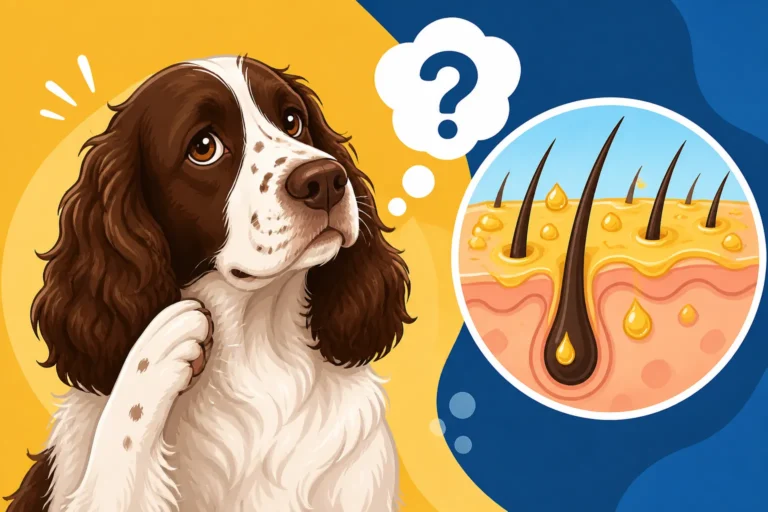
When you're brushing the armpits, lift your Springer's leg gently and brush the hair upwards and outwards from the skin. Don't just brush the top layer! You need to get that comb right down to the skin to ensure you're removing any loose undercoat and separating individual hairs. A good quality detangling spray can also be your best friend here, especially if your Springer has particularly fine or long feathering. Lightly mist the area before combing; it helps the comb glide through and minimizes static and breakage. Regular brushing also helps distribute natural oils, keeping the coat healthier overall. You might be surprised How Long Brushing a Springer Spaniel Takes, but the investment of time daily pays off in comfort for your dog. Which Brush Suits a Springer Spaniel
Strategic Trimming for Problem Areas
Sometimes, even with diligent brushing, certain areas just can't catch a break. For the armpits, a strategic trim can be incredibly helpful. This doesn't mean shaving your dog, but rather using thinning shears or small, blunt-nosed clippers to shorten the hair in this high-friction zone. By reducing the volume and length of the hair, you significantly reduce its ability to tangle and mat.
If you're comfortable with it, you can carefully use thinning shears to thin out the dense undercoat and shorten the feathering directly in the armpit. This creates more airflow and less material to tangle. Alternatively, small, quiet clippers with a longer blade setting can be used to achieve a very short, neat trim in the area. Always use extreme caution with clippers near loose skin, making sure to pull the skin taut and always having a guard on. If you're not confident doing this yourself, a professional groomer can easily perform what's often called a "sanitary trim" in these areas. What Clippers for a Springer Spaniel Cost What Thinning Shears Cost a Springer Spaniel Owner
Post-Adventure Checks and Drying
Your Springer Spaniel is an outdoor enthusiast, and every adventure brings new opportunities for their coat to get tangled or collect debris. After every walk, especially if you've been in tall grass, brush, or anywhere muddy, make it a habit to perform a quick but thorough check of your dog's coat. Pay particular attention to the armpits, ears, and feathering on their legs and belly.
Look for any burrs, twigs, or grass seeds that might have become lodged in the fur. These seemingly innocent bits of nature are notorious for acting as anchors for mats. If your Springer has been swimming or gotten wet, ensure their coat, especially the armpits, is completely dry. A damp coat, combined with the friction of movement, is a prime environment for mats to develop. A towel dry followed by a gentle blow dry (on a cool setting) can make all the difference, preventing those moist clumps of hair from turning into solid felt. This is particularly important for areas like the armpits that tend to stay damp longer.
Professional Grooming for Maintenance and Emergency
While a lot of armpit mat prevention can be done at home, don't underestimate the value of a professional groomer. They have the expertise, tools, and often a very patient touch to tackle persistent matting or to maintain your Springer's coat with regular appointments. For severe mats, especially those that are tight against the skin and causing pain, it's always best to let a professional handle it. Attempting to cut out a deep, tight mat yourself can easily result in accidentally cutting your dog's skin, leading to a vet visit for stitches.
Regular professional grooming can include thorough de-shedding, dematting, and precise trimming of problem areas like the armpits. They can keep the feathering at a manageable length, ensuring it retains its beautiful appearance without becoming a magnet for tangles. Discussing your Springer's activity level and any recurring matting issues with your groomer can help them tailor a maintenance plan, potentially incorporating more frequent "tidy-ups" in those tricky areas. For many show-bred Springers, regular trips to the groomer are a given, helping manage their extensive feathering. The Show Springer Spaniel Coat That Adds a Groomer to Your Budget
Tools and Products for Tackling Tough Tangles
Having the right tools in your grooming kit makes all the difference when it comes to preventing and addressing armpit mats. While patience and technique are key, quality tools can significantly ease the process and make it a more positive experience for both you and your Springer.
Essential Grooming Tools for Mat Prevention
Your basic kit should include a selection of brushes and combs designed to handle the Springer Spaniel's unique coat. Don't skimp on these; good tools last longer and are more effective, which means less stress for you and your dog. You can find a wide array of these products on platforms like Amazon or specialized pet supply retailers like Chewy.
| Tool Type | Purpose | Best For | How to Use |
|---|---|---|---|
| Slicker Brush | Removes loose hair, detangles minor knots | Topcoat, feathering, general de-shedding | Brush in direction of hair growth, gentle strokes, avoid raking skin |
| Metal Comb (Fine/Coarse) | Finds hidden tangles, works out small mats | Undercoat, delicate areas (armpits, behind ears) | Work section by section, starting at ends, then closer to skin |
| Pin Brush | General brushing, untangling long feathering | Longer feathering on legs, chest, tail | Gentle strokes, helps separate long hairs without pulling |
| Detangling Spray | Lubricates hair, eases comb-through, reduces static | Before combing matted areas, dry coats | Mist lightly, let sit for a moment, then comb slowly |
| Thinning Shears | Reduces bulk, carefully removes small mats | Armpits, behind ears, dense feathering | Point blades away from skin, snip in small sections, never straight across |
| Blunt-Nosed Scissors | Safely cuts out impossible small mats | Small, tight mats that can't be combed | Slide beneath mat, point away from skin, cut parallel to body |
Leveraging Specialized Products for Difficult Coats
Beyond the basic tools, there are a few specialized products that can be a real game-changer for a Springer Spaniel prone to matting. These can often be found on online stores like Chewy or Amazon, offering convenience and a wide selection.
- Detangling Sprays and Conditioners: These are your best friends when a knot is starting to form. A good quality detangling spray, often containing silicone or other conditioning agents, can significantly reduce friction and help you work through a minor tangle with a comb. Some brands also offer leave-in conditioners that can be applied to especially prone areas, making the hair smoother and less likely to tangle in the first place. When purchasing, look for formulas specifically designed for dogs, ideally with natural ingredients that won't irritate your Springer's skin.
- Mat Breakers or Dematting Rakes: For those moments when a small mat has already formed and a comb isn't quite cutting it, a mat breaker (a tool with sharp, inwardly curved blades) or a dematting rake can be incredibly useful. These tools are designed to slice through a mat, breaking it into smaller, more manageable sections that can then be combed out. However, these must be used with extreme care, as they can easily cut the skin if not handled correctly. Always read instructions, and if in doubt, opt for a professional groomer to avoid injury.
- High-Velocity Dryer: If your Springer loves water, investing in a high-velocity dog dryer can be invaluable. These powerful dryers blow water out of the coat rather than just evaporating it, significantly reducing drying time and helping to prevent mats from forming in damp fur. They also help to blow out loose undercoat, which is a major contributor to matting. Using a dryer after a bath or a swim ensures the coat is fully dry and fluffy, minimizing the chances of those dreaded armpit tangles.
Remember, the goal is always prevention, but having the right tools on hand means you're prepared for anything your adventurous Springer throws at you.
Disclaimer
This article is for general informational purposes only and does not constitute professional advice. Laws, prices and regulations vary by location and change over time. Consult a qualified professional for guidance on your specific situation.