Whether a Springer Spaniel Gets Greasy Skin
It’s a frustrating scenario many Springer Spaniel owners know all too well: you’re petting your beloved dog, and you feel a distinct oiliness on their coat and skin, often accompanied by a less-than-pleasant odor. This isn’t just about needing a bath; it signals a deeper skin issue that can leave you wondering what’s going on and how to make your furry friend comfortable. This guide will help you understand why your Springer Spaniel might be experiencing greasy skin, what causes it, and how to effectively manage it so you can both enjoy cuddle time without the slick and the stink.
Understanding "Greasy Skin" in Springer Spaniels
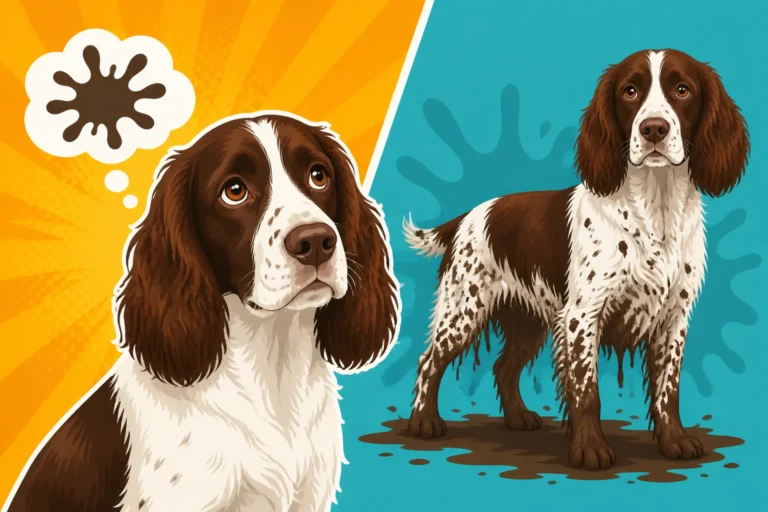
When we talk about greasy skin in dogs, especially a breed like the Springer Spaniel with their beautiful, dense coat, we're not just referring to a bit of dirt from rolling in the yard. This is a specific dermatological concern that indicates an imbalance in the skin's natural processes. It’s often characterized by an excess production of sebum, the oily, waxy substance secreted by the sebaceous glands, which can lead to a host of other issues if left unaddressed.
What Does Greasy Skin Look and Feel Like?
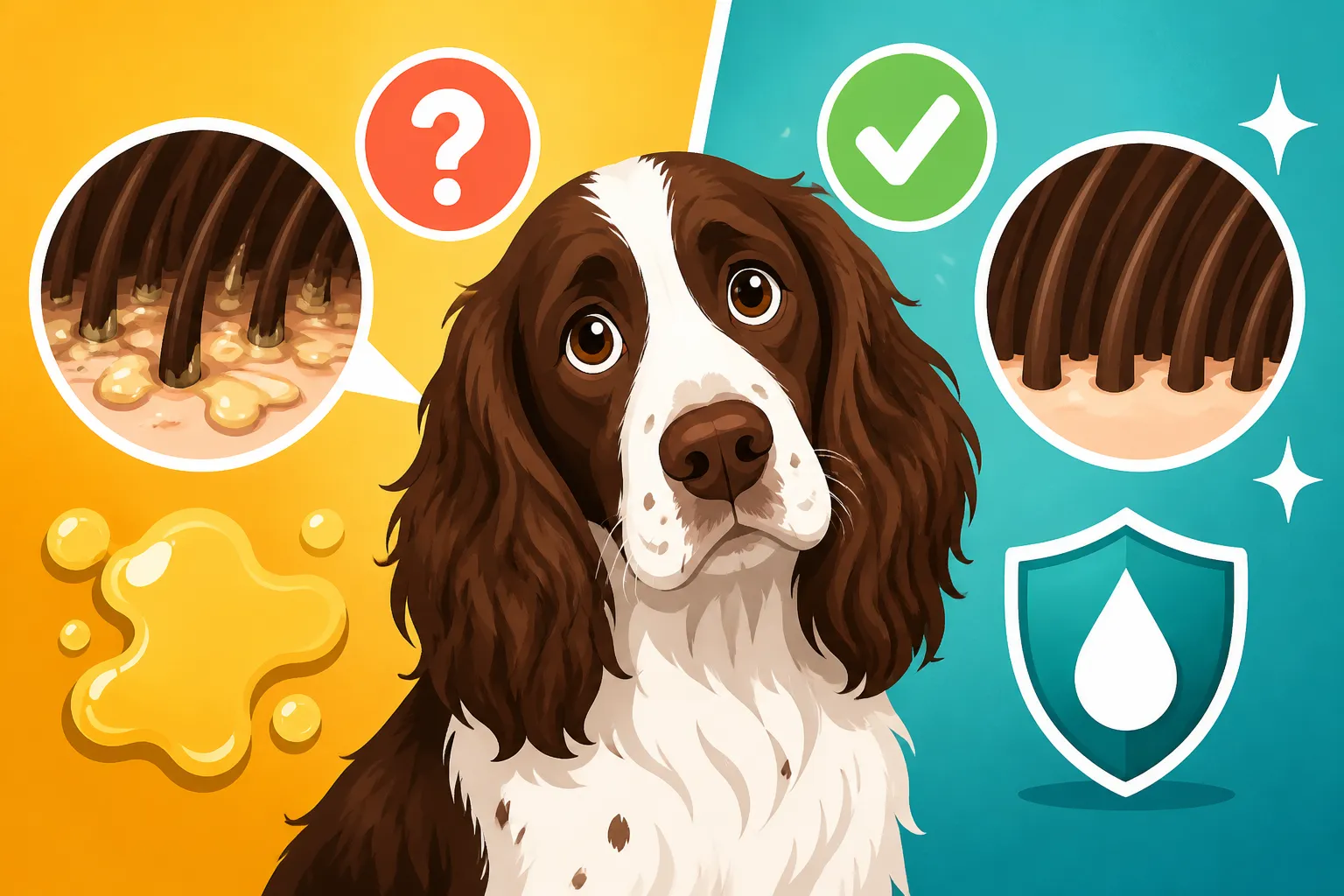
Visually, greasy skin in a Springer Spaniel often presents as a dull, clumpy, or sticky coat, particularly noticeable along the back, flanks, neck, and sometimes even the ears. The hair might feel heavy and matted, almost like it’s been dipped in cooking oil, even if you've just given them a bath. You might also notice yellowish or brownish flakes clinging to the hair shafts or lying on the skin beneath the coat, distinct from typical dry dandruff. This isn't just a cosmetic problem; the excessive oil creates an environment ripe for secondary infections and discomfort.
To the touch, the skin itself can feel slick or waxy, rather than healthy and supple. Imagine running your hand over a greasy pan – that's often the sensation you'll encounter. For a breed known for its soft, flowing feathering, a greasy coat can feel quite alarming and signal that something is amiss with their skin health. It can also lead to more tangles and mats, making regular grooming sessions a battle against sticky, difficult-to-brush fur.
The Unpleasant Odor Associated with Greasy Skin
Perhaps even more distressing than the look and feel is the distinct, often strong and unpleasant odor that accompanies greasy skin. This isn't just a "doggy smell"; it's usually described as rancid, musty, or even yeasty. This smell arises because the excess sebum creates a perfect breeding ground for bacteria and yeasts that naturally live on your dog’s skin. When these microbes proliferate in the oily environment, they produce waste products that cause the characteristic odor.
Owners often try bathing their Springers more frequently, only to find the smell returns quickly, sometimes within a day or two. This persistent odor can permeate bedding, furniture, and even your home, turning a once cuddly companion into a source of constant concern. It’s a clear sign that a normal bath isn't enough, and a deeper issue needs to be investigated.
Common Causes Behind a Greasy Springer Spaniel Coat
Greasy skin in a Springer Spaniel is almost always a symptom, not a standalone disease. Pinpointing the underlying cause is essential for effective treatment. Several conditions can lead to an overproduction of sebum and the greasy coat you’re noticing, ranging from genetic predispositions to environmental factors and internal health issues.
Seborrhea: A Primary Culprit
One of the most common reasons a Springer Spaniel might develop greasy skin is a condition called seborrhea. Simply put, seborrhea is a disorder of keratinization and sebaceous gland activity. It affects the production of skin cells and sebum, leading to either dry, flaky skin (seborrhea sicca) or oily, greasy skin (seborrhea oleosa), or sometimes a combination of both. In Springer Spaniels, the oily form is often observed.
Seborrhea can be primary, meaning it’s an inherited condition that certain breeds, including Springer Spaniels, are predisposed to. Dogs with primary seborrhea often start showing signs when they are young adults. It’s a lifelong condition that requires careful management, and while it isn't curable, its symptoms can be controlled. The excessive oil and flaky skin can lead to itching, inflammation, and a higher risk of secondary bacterial or yeast infections, exacerbating the unpleasant smell. You might find it helpful to learn more about Whether a Springer Spaniel Gets Seborrhea. However, seborrhea can also be secondary, meaning it’s caused by another underlying health problem, which is often the case.
Allergies as a Trigger for Oily Skin
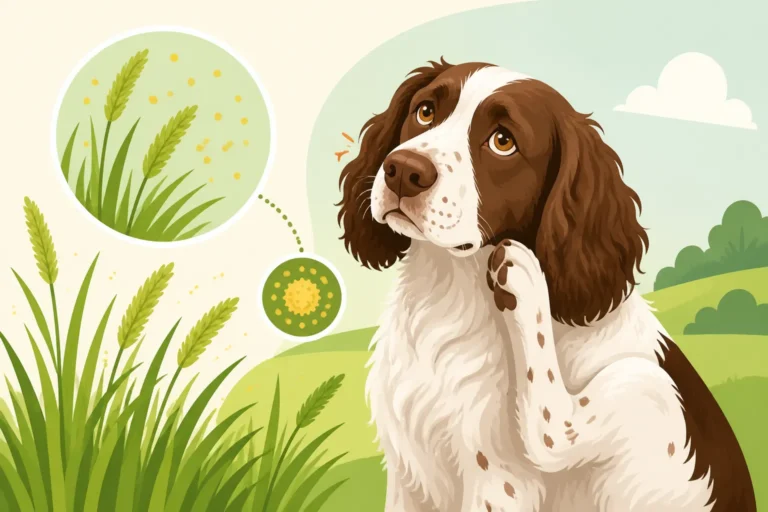
Just like humans, dogs can suffer from allergies, and these can significantly impact their skin health. Allergies—whether environmental (atopy) or food-related—can lead to chronic itching, inflammation, and skin irritation. When a Springer Spaniel constantly scratches, licks, or chews at their skin due to allergies, it can disrupt the skin's natural barrier. This disruption can trigger the sebaceous glands to produce more oil as a protective response, leading to a greasy coat and the associated odor.
Think about a dog with pollen allergies who constantly licks their paws and belly. The persistent moisture and irritation, combined with the immune system's overreaction, create an ideal environment for yeast and bacteria to flourish. This further contributes to the greasiness and often a strong, yeasty smell. Identifying the specific allergens is crucial, and you can explore resources like The Allergens Behind a Springer Spaniel's Itch and Telling a Food Itch From a Pollen Itch in a Springer Spaniel to understand this better. Managing the underlying allergy is paramount to resolving the greasy skin issue, as simply treating the symptoms won't address the root cause.
Hormonal Imbalances and Metabolic Conditions
Sometimes, the culprit behind a greasy coat lies deeper within your Springer Spaniel's internal systems. Hormonal imbalances or metabolic conditions can directly affect skin health and sebum production. For instance, hypothyroidism, a condition where the thyroid gland doesn't produce enough hormones, can lead to a dull, dry, or brittle coat, but it can also sometimes result in greasy skin due to changes in skin metabolism and increased sebaceous gland activity.
Another example is Cushing's disease, which involves an overproduction of cortisol. While more commonly associated with thinning hair, pot-bellied appearance, and excessive thirst, it can also manifest as changes in skin texture, including increased oiliness or blackheads. These conditions require veterinary diagnosis through blood tests and other specific diagnostics. If your vet suspects a hormonal issue, they will guide you through the necessary steps. You can read more about specific concerns like Signs a Springer Spaniel's Thyroid Has Failed. Addressing the underlying hormonal problem with appropriate medication is essential for restoring skin health and a normal coat.
Managing and Treating Greasy Skin in Your Springer Spaniel
Dealing with greasy skin can be frustrating, but with the right approach and your veterinarian's guidance, you can bring relief to your Springer Spaniel. The key is a multi-faceted strategy that addresses the root cause while also managing the symptoms to restore skin health and comfort.
Veterinary Diagnosis: The First Crucial Step
Before you try any home remedies or over-the-counter products, the absolute first step is a thorough veterinary examination. As we've discussed, greasy skin is often a symptom of an underlying issue, and without a proper diagnosis, you might be treating the wrong problem or even making it worse. Your vet will perform a comprehensive physical exam and likely recommend several diagnostic tests to pinpoint the cause.
These tests might include skin scrapes to check for mites, fungal cultures to rule out ringworm, cytology (looking at cells under a microscope) to identify bacterial or yeast overgrowth, and allergy testing if allergies are suspected. In some cases, blood work may be necessary to check for hormonal imbalances like hypothyroidism or other systemic diseases. Don't be afraid to ask for a referral to a veterinary dermatologist if the problem is complex or persistent; they specialize in skin conditions. Knowing What a Dermatology Referral Costs a Springer Spaniel Owner might help you prepare for this possibility. A correct diagnosis is the cornerstone of an effective treatment plan, ensuring you're not just putting a band-aid on a bigger issue.
Topical Treatments and Medicated Shampoos
Once an underlying cause is identified, or if symptoms need immediate relief, your vet will likely prescribe or recommend topical treatments, with medicated shampoos being a cornerstone of managing greasy skin. These aren't your everyday dog shampoos; they contain active ingredients designed to address specific skin issues. Shampoos with benzoyl peroxide, for instance, can help flush out hair follicles and degrease the skin. Salicylic acid and selenium sulfide are other common ingredients known for their ability to break down scales and reduce oiliness. For yeast or bacterial overgrowth, antifungal or antibacterial components like miconazole or chlorhexidine will be present.
It's vital to follow your vet's instructions precisely regarding how often to bathe and, critically, how long to leave the shampoo on your Springer Spaniel's coat. Many medicated shampoos require a contact time of 5 to 10 minutes to allow the active ingredients to work their magic. Rinse thoroughly to prevent residue, which can irritate the skin further. You can often find a wide array of these specialized shampoos and rinses on online pet supply retailers like Chewy or Amazon, but always ensure they are vet-recommended for your specific dog's condition.
Dietary Adjustments and Supplements
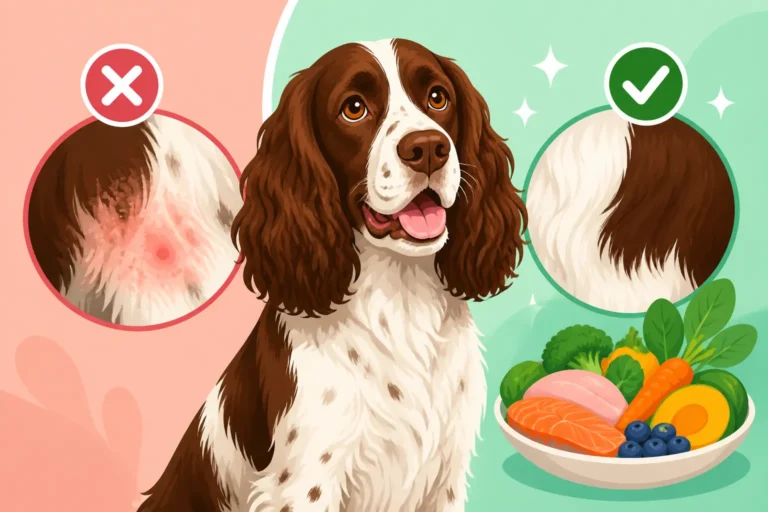
Nutrition plays a significant role in skin and coat health, and sometimes, a dietary adjustment can make a noticeable difference for a Springer Spaniel with greasy skin. If food allergies are suspected, your vet might recommend a limited ingredient diet or a hydrolyzed protein diet to identify and eliminate triggering ingredients. These specialized diets aim to reduce inflammation and support a healthy skin barrier.
Beyond prescription diets, supplementing your dog's food with omega-3 fatty acids (like fish oil) can be incredibly beneficial. Omega-3s have anti-inflammatory properties that can help soothe irritated skin, improve coat quality, and reduce excessive oil production. Many high-quality dog foods, including some fresh food options from brands like Ollie, now incorporate these beneficial fatty acids. However, always discuss any significant dietary changes or supplementation with your vet to ensure it's appropriate for your Springer Spaniel's overall health needs. Understanding Whether Fresh Food Changes a Springer Spaniel's Skin or even Whether an Overweight Springer Spaniel Gets More Ear Infections can highlight the importance of diet in overall health.
Long-Term Care and Prevention Strategies
Once you've addressed the immediate causes and symptoms of greasy skin, maintaining your Springer Spaniel's skin and coat health requires consistent long-term care. Prevention is always better than cure, and establishing a routine that supports a healthy skin barrier will minimize the chances of a recurrence.
Regular Grooming and Coat Maintenance
Consistent grooming is absolutely vital for a Springer Spaniel, especially one prone to greasy skin. Regular brushing helps to distribute natural skin oils evenly, preventing them from accumulating in one area and becoming a breeding ground for microbes. It also removes dead hair, dirt, and debris that can trap oil and contribute to matting. Depending on your Springer's coat type (field or show line), the frequency and tools might vary, but a good slicker brush and a metal comb are usually essential. You can learn more about Which Brush Suits a Springer Spaniel and How Long Brushing a Springer Spaniel Takes to optimize your routine.
Beyond daily brushing, regular bathing with a suitable shampoo (medicated or a gentle, hypoallergenic one as advised by your vet) is crucial. Ensure you pay extra attention to areas prone to greasiness, such as the neck, armpits, and feathering. Proper drying is also important, as leaving the coat damp can encourage yeast growth. For show-bred Springers with heavier feathering, regular trimming by a professional groomer or yourself can also help manage the coat and reduce areas where oil and debris can accumulate.
Environmental Control and Allergy Management
If allergies are a primary driver of your Springer Spaniel's greasy skin, managing their environment is key to long-term control. For environmental allergies (atopy), this might involve reducing exposure to known triggers. For example, using air purifiers, vacuuming frequently with a HEPA filter, and washing your dog's bedding weekly can help minimize dust mite exposure. During high pollen seasons, wiping down your Springer's paws and coat after outdoor excursions can reduce the amount of pollen they bring inside.
Your vet may also recommend ongoing allergy management strategies, such as antihistamines, allergy injections (immunotherapy), or medications like Apoquel. It's important to remember that allergy management is often a continuous process, and finding the right combination of strategies for your dog might take time. Consistency with these preventive measures can significantly reduce flare-ups and keep skin irritation, and consequently, greasiness, at bay. For more specific information, refer to Apoquel for a Springer Spaniel's Itch.
Monitoring and Early Intervention
One of the best long-term strategies is simply being vigilant and proactive. Regularly inspect your Springer Spaniel's skin and coat for any changes. Look for signs of increased oiliness, redness, bumps, excessive scratching, or a returning unpleasant odor. Pay particular attention to areas like the armpits, groin, ears, and between the paw pads, as these are common spots for skin issues to start or worsen.
By catching problems early, you can often address them before they escalate into more severe, uncomfortable conditions. This might mean an earlier bath with a medicated shampoo, a quick call to your vet, or a minor adjustment to their diet or routine. Developing a habit of thorough checks during grooming sessions or while giving cuddles can make all the difference in keeping your Springer Spaniel happy, healthy, and free from greasy skin issues.
Here's a quick comparison of common greasy skin causes:
| Cause | Primary Symptoms | Typical Onset | Treatment Approach |
|---|---|---|---|
| Primary Seborrhea | Greasy, scaly skin, rancid odor, itching | Young adult | Medicated shampoos, dietary support, infection control |
| Secondary Seborrhea | Greasy skin, underlying condition symptoms | Any age | Treat underlying cause (allergies, hormonal issues) |
| Environmental Allergies | Itching, redness, licking, skin inflammation | Typically young adult | Allergen avoidance, antihistamines, immunotherapy |
| Food Allergies | Itching, gastrointestinal upset, skin inflammation | Any age | Elimination diet, novel protein or hydrolyzed diets |
| Hypothyroidism | Dull/greasy coat, weight gain, lethargy | Middle-aged to senior | Thyroid hormone replacement therapy |
| Yeast/Bacterial Infections | Greasy skin, strong odor, redness, itching | Secondary to other issues | Antifungal/antibacterial medications (topical/oral) |
Disclaimer
This article is for general informational purposes only and does not constitute professional advice. Laws, prices and regulations vary by location and change over time. Consult a qualified professional for guidance on your specific situation.