Whether Solid Colored Springer Spaniels Are More Affected
It’s a concern I hear all the time from prospective Springer Spaniel owners, and honestly, it’s completely understandable. When you’re looking for a new family member, you want to be as informed as possible, and certain rumors or anecdotes can really stick in your mind. One particular worry that often crops up is whether solid-colored Springer Spaniels are somehow more prone to health issues or temperament problems, particularly something as serious as "Rage Syndrome." This guide aims to tackle that specific concern head-on, giving you a clear, empathetic, and realistic look at what actually matters in a Springer Spaniel's well-being.
Unpacking the "Solid Color" Myth and Its Origins
Let's be real: dogs come in all sorts of beautiful colors and patterns, and it’s easy to connect certain traits with others, even when there's no real scientific basis. For English Springer Spaniels, the classic liver and white or black and white patterns are what most people picture. But solid colors, while less common and often considered outside of the traditional show ring standard for English Springers (though allowed in some other spaniel breeds), do occur. Over the years, a whisper has sometimes circulated in certain circles that these solid-colored Springers might have a higher incidence of behavioral issues, especially the deeply concerning condition known as Rage Syndrome.
The truth is, this idea is largely an old wives' tale, a misconception that has persisted through anecdote rather than scientific fact. Its origins are a bit murky, but it likely stems from a few possibilities. Perhaps some early, less scrupulous breeders, aiming for specific coat colors, might have inadvertently overlooked temperament or health in their breeding programs. When issues arose, the rare coat color became an easy, albeit incorrect, scapegoat. It’s also possible that because solid colors are less common, any dog exhibiting unusual behavior and a solid coat simply stood out more in people’s minds, creating a false correlation. Whatever the exact genesis, it's vital to separate genetic markers for coat color from the complex genetics and neurological factors that influence health and temperament.
The Realities of Rage Syndrome in Springer Spaniels
When people talk about solid-colored Springer Spaniels being "more affected," Rage Syndrome is usually the condition they're referring to, and it’s a terrifying prospect for any dog owner. To be clear, Rage Syndrome is a genuine, albeit rare, neurological disorder that can affect several breeds, including the English Springer Spaniel. It manifests as sudden, unprovoked bouts of extreme aggression, often without warning, where the dog appears to "black out" and may not recognize its owner. These episodes are often followed by the dog appearing confused or remorseful. It's not just a "bad" dog; it’s a dog with a profound and serious medical condition.
What Actually Triggers Rage Episodes?
The causes of Rage Syndrome are complex and are largely believed to be genetic and neurological, linked to abnormal brain activity, akin to a form of epilepsy. It's not simply a behavioral quirk that can be trained out of a dog with obedience classes. Stress, excitement, or even certain environmental stimuli can sometimes act as a trigger, but they aren't the root cause. The underlying issue is an inherent predisposition in the dog's brain chemistry. This makes early identification and management incredibly challenging and heartbreaking.
One common thread in discussions around Rage Syndrome is the idea that certain lines or even specific individuals within the breed might carry a predisposition. This points directly to genetics, not superficial traits like coat color. If you're concerned about this condition, looking into Whether Rage Syndrome Runs in Springer Spaniel Lines is far more productive than scrutinizing coat patterns. A responsible breeder will be transparent about any history of such issues in their lines and will undertake extensive health screening.
Why Coat Color Is Not a Factor
Here's the definitive takeaway: there is no scientific evidence or veterinary consensus that links solid coat color in English Springer Spaniels to a higher incidence of Rage Syndrome or any other specific health or temperament disorder. Coat color genetics are typically distinct from the genetic markers associated with neurological conditions or other inheritable diseases. A dog's coat color is determined by a set of genes that dictate pigment production and distribution, while temperament and susceptibility to conditions like Rage Syndrome are influenced by entirely different, often polygenic (multiple genes involved) factors.
Think of it like this: having red hair in humans doesn't make you more prone to a specific neurological disorder, even if you know someone with red hair who did have one. It's an observable trait that is separate from underlying health. Focusing on coat color distracts from the real indicators of potential issues, such as a dog's pedigree, the health clearances of its parents, and the breeder’s commitment to sound breeding practices.
Factors That Do Affect a Springer Spaniel's Health and Temperament
Instead of worrying about coat color, your energy is much better spent understanding the legitimate factors that influence a Springer Spaniel’s health and disposition. These are the things that truly matter when you're bringing a new companion into your home.
The Crucial Role of Genetics and Reputable Breeding
When you're looking for a Springer Spaniel, the single most important thing you can do is find a reputable breeder who prioritizes health and temperament above all else. This means a breeder who conducts comprehensive health testing on their breeding stock, understands genetics, and is transparent about the health history of their dogs and their lines.
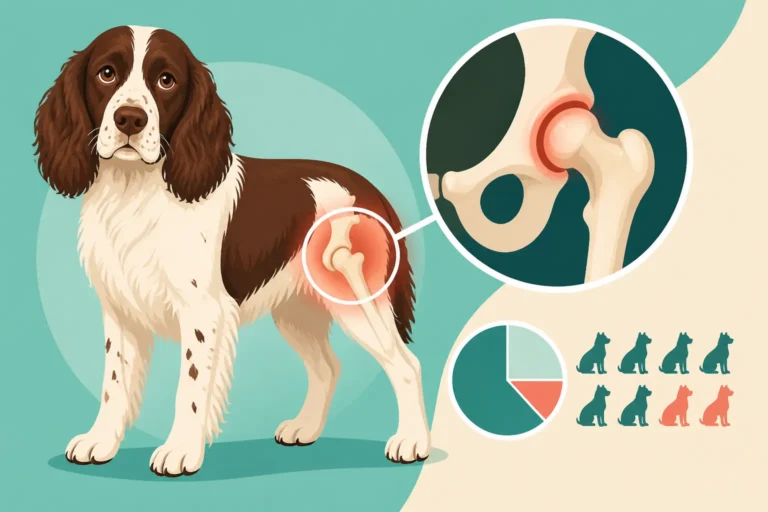
For instance, proper health clearances should include screenings for The Four Eye Diseases a Springer Spaniel Breeder Screens For, such as Progressive Retinal Atrophy (PRA) and primary glaucoma, as well as Hip Dysplasia in a Springer Spaniel. They should also be testing for genetic conditions like PFK Deficiency (Phosphofructokinase Deficiency) and Fucosidosis. These are conditions that do have known genetic components and can significantly impact a Springer's quality of life. The breeder should be able to show you documentation for these tests, not just tell you they've been done. This transparency is a hallmark of a breeder who genuinely cares about the long-term well-being of their puppies. Ignoring these crucial steps by choosing a puppy from Whether an Untested Springer Spaniel Litter Is Worth Buying can lead to significant heartbreak and expense down the line.
| Factor | Relevance to Health/Temperament | Impact on Solid-Colored Springers |
|---|---|---|
| Coat Color | None (purely cosmetic trait) | No increased risk |
| Parental Health Clearances | High (screens for known genetic diseases) | Equally important for all colors |
| Breeding Practices | High (focus on temperament, genetic diversity, health) | Equally important for all colors |
| Early Socialization | High (shapes behavior and confidence) | Equally important for all colors |
| Exercise & Mental Stimulation | High (prevents boredom, destructive behavior, anxiety) | Equally important for all colors |
| Nutrition | High (supports overall health, coat, energy levels) | Equally important for all colors |
Environment, Socialization, and Training
Even with the best genetics, a Springer Spaniel's temperament and overall well-being are heavily shaped by its environment, socialization, and training. These dogs are intelligent, energetic, and highly sensitive. They thrive on companionship and structured activity.
- Early Socialization: Exposing a puppy to a wide variety of sights, sounds, people, and other friendly animals during their critical socialization period (roughly 3-16 weeks) is paramount. This helps them grow into confident, well-adjusted adults.
- Consistent Training: Springer Spaniels are eager to please and respond beautifully to positive reinforcement. They need clear boundaries and consistent training from day one. They are often described as "soft," meaning they are highly sensitive to harsh corrections. The Soft Springer Spaniel That Shuts Down If You Shout is a common anecdote for a reason; positive methods work best.
- Adequate Exercise and Mental Stimulation: These are working dogs at heart, whether they're field-bred or show-bred. How Much Exercise a Field Bred Springer Spaniel Needs is substantial, but even a pet Springer needs plenty of physical activity and mental challenges to prevent boredom, anxiety, and destructive behaviors. Daily walks, retrieving games, puzzle toys, and even scent work are all fantastic ways to keep their minds and bodies engaged. A bored Springer is a mischievous Springer!
Taking all these factors into account gives you a much clearer picture of what makes a happy, healthy, and well-behaved Springer Spaniel.
Safeguarding Your Springer's Future Health
While the solid color myth can be put to rest, the reality is that any dog can face unexpected health challenges. Being prepared for these eventualities is a huge part of responsible pet ownership.
Beyond Color: Preparing for Potential Health Costs
Regardless of your Springer Spaniel's coat color, the potential for unexpected vet bills is a fact of life for any dog owner. From ear infections (a common complaint for this breed due to their lovely drop ears) to more serious conditions that can develop over their The Twelve to Fourteen Years a Springer Spaniel Lives, veterinary care can become expensive. This is where pet insurance can be a real lifesaver, offering peace of mind and financial support when you need it most.
For instance, companies like Healthy Paws offer comprehensive pet insurance plans that can help cover the costs of accidents, illnesses, and even hereditary conditions (provided they aren't pre-existing). This means that if your beloved Springer, regardless of its markings, develops an unforeseen illness, you can focus on getting them the best treatment possible without the added stress of a daunting vet bill. Thinking ahead about things like What Insuring a Springer Spaniel Runs can make a significant difference in your long-term financial planning for your furry friend.
Regular Vet Checks and Proactive Care
Establishing a good relationship with a trusted veterinarian is paramount. Regular check-ups are essential for catching any potential health issues early, whether they are common for the breed or completely unexpected. Your vet can advise on appropriate vaccinations, parasite prevention, and dietary needs. They can also guide you on specific breed concerns, like monitoring for signs of Primary Glaucoma and the Springer Spaniel That Loses an Eye or managing Why a Springer Spaniel's Ears Are Never Quite Healthy. Proactive care, combined with good breeding choices, is your best defense against many health problems. Don't wait until a problem becomes severe; regular care helps keep your Springer happy and thriving for years to come.
Ultimately, the color of your Springer Spaniel’s coat tells you absolutely nothing about its predisposition to health problems or temperament issues like Rage Syndrome. These vital aspects are determined by responsible breeding, genetics, and the loving, consistent care you provide. Focus on choosing a puppy from health-tested parents and committing to excellent care and training, and you’ll be setting your Springer Spaniel up for a wonderful, healthy life, no matter its color.
Disclaimer
Please remember that this article provides general information and guidance. It is not a substitute for professional veterinary advice. Always consult with a qualified veterinarian regarding your individual Springer Spaniel's health, temperament, and care needs.