Whether a Springer Spaniel’s Hocks Should Be Tidied
That beautiful feathering on your Springer Spaniel? We all love it, but let's be honest, it can become a magnet for mud, burrs, and mats, especially around those tricky hocks. If you've ever found yourself wondering whether to just grab the clippers or if there's a 'right' way to manage that fuzzy growth on their back legs, you're not alone. This guide is here to walk you through why tidying your Springer's hocks is often a good idea, and how to approach it based on your dog's lifestyle and whether they're a field or show type.
Understanding the Springer Spaniel Coat: Why Hocks Get Hairy
The English Springer Spaniel is renowned for its gorgeous coat, which is truly a marvel of natural engineering. However, with that beauty comes a certain amount of maintenance, and the hair around the hocks (the joint on their hind legs, analogous to our ankles) is a prime example of where things can get a bit wild. Understanding the nature of their coat helps us appreciate why tidying these areas is often essential, not just for aesthetics but for their comfort and health.
The Double Coat and Feathering Explained
Springer Spaniels possess a dense double coat, consisting of a soft, insulating undercoat and a coarser, water-repellent outer coat. This combination offers protection from the elements, whether they're busting through thick cover in the field or enjoying a romp in a snowy park. The longer, silky hair, known as "feathering," is prominent on their ears, chest, belly, and, significantly, on the back of their legs, including their hocks. This feathering isn't just for looks; it provides an extra layer of protection for their joints and sensitive skin, acting as a natural buffer against scrapes and impacts.
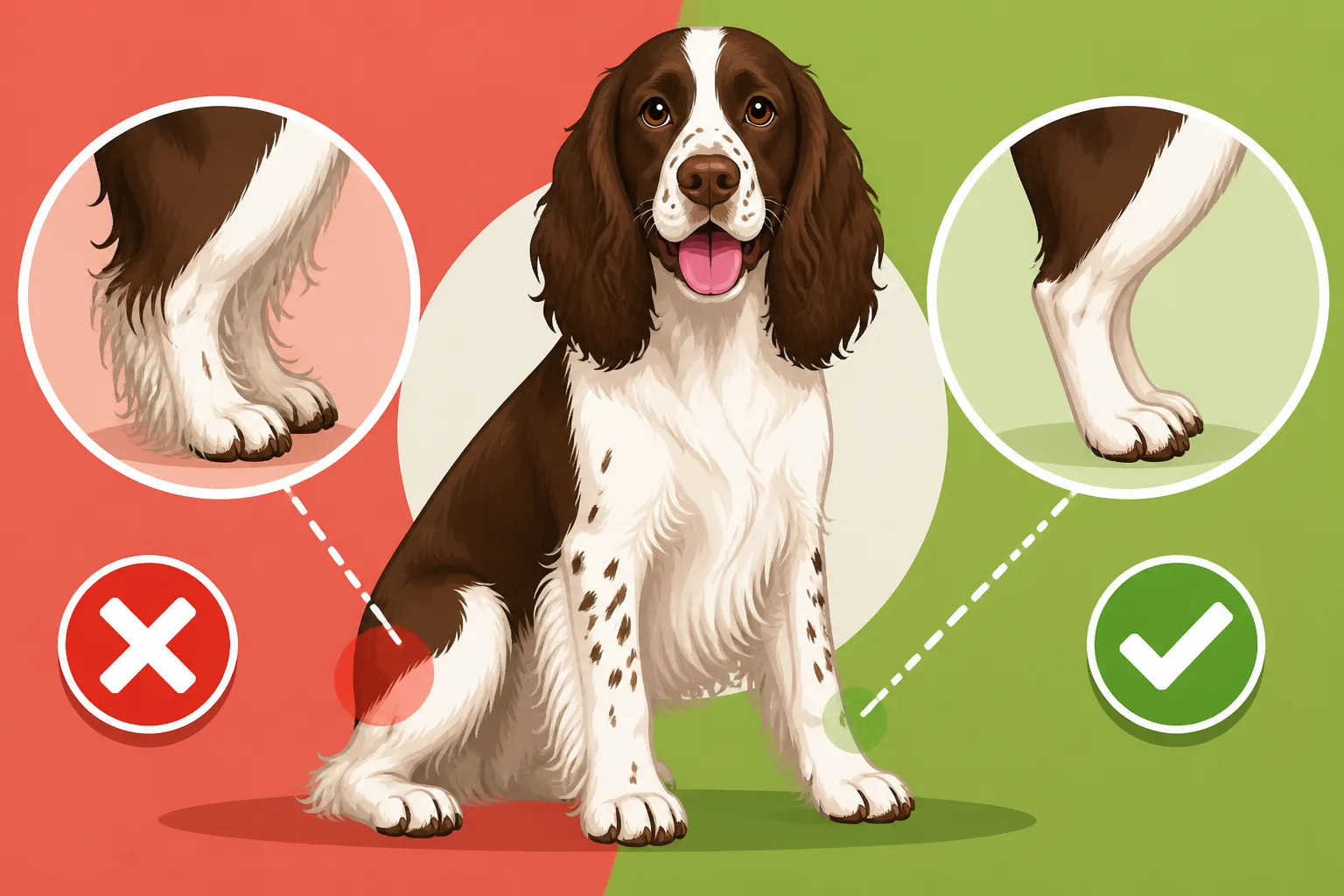
However, this natural growth pattern means the hair around the hocks tends to grow quite long and thick. It often forms a sort of "skirt" or "trousers" on their hind legs, which, while beautiful when pristine, can quickly become a tangled mess in daily life. Because the hocks are constantly flexing and moving, and often come into contact with the ground, this hair gets a lot of action, making it particularly prone to collecting debris.
This characteristic length and texture of the feathering on the hocks is part of the breed's charm, but it's also a common source of frustration for owners. Many new Springer parents are surprised by how quickly this area can become unmanageable, especially if their dog spends any significant time outdoors exploring. It’s a part of the grooming routine that needs regular attention, much like their ears or their belly feathering, to keep them looking and feeling their best.
Common Issues Associated with Untrimmed Hock Hair
One of the most immediate and frustrating problems with untrimmed hock hair is matting. The fine, silky nature of the feathering combined with its location makes it a magnet for knots and tangles. Mud, burrs, twigs, and even just friction from movement can cause these hairs to intertwine, forming dense, painful mats. These aren't just cosmetic issues; mats pull on the skin, causing discomfort, irritation, and can even lead to skin infections if left untended. Imagine constantly having your hair tugged with every step – that's what a matted hock feels like to your dog.
Beyond matting, untrimmed hock hair acts like a broom, sweeping up all sorts of dirt and debris from outside and tracking it directly into your home. A simple walk through a damp, leaf-strewn area can turn those beautiful feathers into a collection of nature's finest detritus. This means more cleaning for you and a potentially unhygienic situation for your dog, as persistent dampness and trapped grime can exacerbate skin problems or create an environment for yeast and bacteria to flourish.
In more active or working Springers, excessively long hock feathering can also be a slight hindrance. While not usually a major impediment to movement, very long hair can snag on undergrowth, making it a bit harder for them to move through dense cover effortlessly. For a dog bred to work tirelessly in various terrains, anything that slightly impedes their agility or causes discomfort is something to consider addressing. Moreover, if your Springer loves water, that thick feathering around the hocks can trap moisture, slowing down drying and potentially contributing to skin issues in that damp, warm environment.
Practical Reasons for Tidying Hocks: More Than Just Looks
When it comes to grooming your Springer Spaniel, tidying their hocks might seem like a purely aesthetic choice. After all, those long, flowing "trousers" are part of their distinctive look! However, there are very real, practical benefits to keeping this area neat and trimmed, extending far beyond simply making your dog look good. These benefits touch on hygiene, comfort, and their overall well-being, especially for an active breed like the Springer.
Hygiene and Health Benefits
The primary benefit of tidying a Springer's hocks is undoubtedly the prevention of matting. As discussed, mats are painful, and they can hide a multitude of problems underneath, from skin irritation and hot spots to fungal infections. By regularly trimming and thinning the hair around the hocks, you dramatically reduce the surface area available for mats to form. This means less pulling on your dog's skin, fewer uncomfortable lumps, and a much happier canine companion. It also makes your routine brushing sessions much quicker and more pleasant for both of you.
Tidier hocks also mean less accumulation of mud, burrs, and other natural debris. Anyone who owns a Springer Spaniel knows the struggle of finding tiny burrs embedded deep in their dog's feathering after a walk through the woods. Grass awns, in particular, can be a real menace, capable of migrating under the skin and causing serious issues, as detailed in Burrs, Ticks and Grass Awns in a Working Springer Spaniel. Keeping the hock hair shorter makes it much harder for these natural hitchhikers to latch on and much easier for you to spot and remove them if they do. This significantly reduces the risk of painful foreign body reactions and costly vet visits.
Furthermore, improved air circulation around the hocks contributes to better skin health. If your Springer loves to swim or run through wet grass, that thick, untrimmed feathering can stay damp for extended periods. This creates a perfect breeding ground for bacteria and yeast, leading to itchy, inflamed skin conditions. A neatly trimmed hock allows air to reach the skin, helping it dry faster and reducing the likelihood of such issues. It also makes it easier for you to perform routine checks for cuts, scrapes, insect bites, or any signs of parasites like ticks, which can often go unnoticed in dense, long hair.
Lifestyle and Activity Considerations
The decision to tidy your Springer's hocks, and to what extent, should absolutely take into account your dog's lifestyle and activity levels. For a working Springer Spaniel, regularly navigating dense cover, brambles, and muddy fields, pragmatic grooming is paramount. Excessively long hock feathering can snag on undergrowth, collect heavy mud, and become saturated with water, making movement cumbersome and potentially uncomfortable. A shorter, neater trim around the hocks for a field-bred Springer is not just practical; it's a matter of functional efficiency, allowing them to do their job without impediment and making post-hunt clean-up considerably easier. Many working dog owners opt for a more utilitarian trim, sometimes even using clippers for a cleaner, shorter cut that prioritizes function over traditional aesthetics.
For pet Springers, the considerations are often a blend of hygiene and homeowner sanity. A dog with neatly trimmed hocks will track less mud and debris into the house, reducing the amount of cleaning you need to do on floors and furniture. While some owners love the full, flowing look, they might find themselves spending an inordinate amount of time detangling and cleaning. A moderate trim provides a happy medium, retaining some of the breed's characteristic feathering while making daily maintenance significantly less demanding. It's about finding a balance that works for your family's routine and your dog's comfort.
Then there are show Springers, where specific breed standards come into play. For these dogs, tidying the hocks isn't about cutting it all off, but rather about careful sculpting and thinning to enhance the dog's natural outline and structure without looking artificially trimmed. This is a subtle art, often involving only thinning shears to remove bulk and shape the feathering to flow cleanly, rather than presenting a heavy, unkempt appearance. It showcases the dog's conformation while still respecting the natural look of the breed. This attention to detail is crucial in the show ring, and a topic often explored further in articles like The Feathering a Show Springer Spaniel Drags Through Everything.
How to Tackle Hocks: Tools and Techniques
Deciding that you should tidy your Springer Spaniel's hocks is one thing; actually doing it is another! It can feel a little daunting to take scissors or clippers to your beloved dog, but with the right tools and a bit of patience, it's a skill you can absolutely master. The goal is always to create a neat, comfortable, and healthy result, not necessarily a show-ring perfect finish, unless that's your aim.
Essential Grooming Tools for the Job
Before you begin, gather your tools. A good quality slicker brush is indispensable for thoroughly detangling the feathering before any trimming. Follow up with a metal comb to ensure every single knot is out, especially in the denser areas behind the hock. Trying to cut through matted hair is not only ineffective but can be dangerous, as the blade can snag and pull or even cut the skin hidden beneath a mat. Regular pre-trim brushing also makes the overall grooming process much more comfortable for your dog. For recommendations on brushes, you might want to look into Which Brush Suits a Springer Spaniel.
When it comes to the actual trimming, thinning shears are your best friend for the hocks. These shears have one regular blade and one notched, toothed blade, allowing them to remove some hair without creating harsh lines or obvious chop marks. They are perfect for reducing bulk and blending the feathering naturally. You can find excellent thinning shears on sites like Amazon or Chewy, and investing in a good pair is worthwhile, as they will last for years. For more details on what to expect when buying these, consider reading What Thinning Shears Cost a Springer Spaniel Owner.
Straight shears (or grooming scissors) will be useful for carefully tidying up any stray, longer hairs that stand out or to create a cleaner edge along the bottom of the feathering. Always use blunt-tipped grooming scissors to minimize the risk of accidental pokes or cuts. Clippers can be used, but with caution. If your dog has very dense feathering that mats quickly, or if you're aiming for a very short, practical field trim, a clipper with a longer guard comb might be considered. However, clippers create a much more uniform, often unnatural look, and you must be very careful to avoid clipper burn or cutting too short. If you're new to clippers, practice on a less visible area first, or consult a professional.
Step-by-Step Guide to Tidying Hock Feathering
Start by ensuring your Springer Spaniel is clean and completely dry. Any dampness or dirt in the coat will make trimming difficult and less precise. Find a comfortable, well-lit area where your dog feels secure and can stand or sit calmly for a reasonable amount of time. A non-slip surface, like a grooming table or even a rubber mat on the floor, is ideal.
Next, and this is crucial, thoroughly brush and comb through all the feathering around the hocks until it’s completely free of tangles and mats. Run your fingers through the hair to confirm there are no hidden knots. Any resistance you feel means there's still a mat that needs to be gently worked out. Trying to cut through tangles will only frustrate you and pull at your dog’s skin, creating a negative experience.
Now, with your thinning shears, begin to thin out the bulk of the feathering. Hold the hair outwards and make several cuts into the denser sections, moving with the natural lay of the coat. The key here is to remove small amounts at a time and blend, rather than making large, drastic cuts. Imagine you're sculpting, gradually reducing the volume so the hair lies flatter and looks less bushy, creating a clean, tapered line from the hock down to the foot. Use your comb frequently to check your work and remove trimmed hair.
Finally, use your straight shears to neaten up the edges. Trim any wispy, straggly hairs that hang down or protrude awkwardly, aiming to create a clean outline that follows the natural shape of your dog's leg. Step back regularly to assess your work from different angles. Remember, you're aiming for neatness and functionality, not necessarily a completely shaven look. If you ever encounter severe matting that you can’t safely remove yourself, or if you’re unsure about technique, it’s always best to consult a professional groomer to avoid causing pain or injury to your dog.
Field vs. Show: Different Approaches to Hock Trimming
The world of English Springer Spaniels is delightfully diverse, largely split into two distinct types: the field-bred (working) and the show-bred (conformation) Springer. While both are undeniably Springers at heart, their physical characteristics, especially their coats, and their intended roles lead to vastly different approaches when it comes to grooming, including how their hocks are tidied. Understanding these differences is key to making the right grooming choices for your individual dog.
Grooming for the Working Springer Spaniel
For a field-bred Springer Spaniel, grooming is all about practicality and function. These dogs are built for action, specifically for flushing and retrieving game in often rugged and demanding terrains. Their feathering, while present, tends to be less profuse and often coarser than their show-bred counterparts, designed for protection and easy shedding of debris. When it comes to their hocks, the priority is to keep them clean, clear, and free from anything that might impede their movement or collect unwanted hitchhikers.
A working Springer's hock feathering is typically kept shorter and tidier to prevent burrs, seeds, and mud from accumulating. This isn't just about making your life easier when they come home, it's about their comfort and safety in the field. Long, dense feathering can easily snag on brush, tear, or become so heavily caked with mud that it weighs the dog down. Therefore, many field owners opt for a more aggressive trim using thinning shears to remove most of the bulk, and sometimes even clippers with a longer guard to achieve a consistently short, manageable length. This allows for quick post-hunt checks and easier cleaning. If you're curious about how grooming differs between types, Whether a Field Bred Springer Spaniel Saves on Grooming provides some useful insights.
The routine for a working Springer often involves a quick tidy-up before hunting season and diligent checks and brushes after every outing. The goal is to minimize hassle and maximize performance, ensuring their legs are streamlined and protected without creating a haven for dirt and parasites. While they might not have the elaborate "furnishings" of a show dog, their well-maintained, functional coat is a testament to their purpose. This approach saves time and reduces the risk of skin issues caused by prolonged dampness or irritation from trapped debris.
Grooming for the Show Ring and Pet Home Aesthetics
The show-bred Springer Spaniel presents a very different grooming challenge, especially around the hocks. These dogs are bred to conform to a specific breed standard that emphasizes a flowing, yet tidy and natural, appearance. Their feathering is often more abundant and silkier, requiring careful hand-stripping, trimming, and thinning to achieve the desired silhouette without looking "sculpted" or artificial.
In the show ring, the hocks must appear neat and clean, but the feathering should still be present and blend seamlessly with the rest of the leg. This means no harsh clipper lines or obvious scissor marks. Professional show groomers or experienced owner-handlers achieve this look using thinning shears primarily. They meticulously thin the hair, removing bulk and shaping it to highlight the dog's bone structure and angulation, creating a smooth, flowing line that maintains the natural fall of the coat. This is a subtle art that takes practice, often requiring regular upkeep and a keen eye for detail, as mentioned in Trimming a Springer Spaniel's Feathering.
For pet Springers, the approach to hock tidying is often a delightful compromise between the practical needs of a working dog and the aesthetic standards of a show dog. Owners can choose to keep the feathering moderately long for beauty, focusing on regular brushing and thinning to prevent mats. Alternatively, they might opt for a slightly shorter, more practical trim to reduce house-tracking and make grooming easier, while still retaining some of that classic Springer elegance. The beauty of owning a pet Springer is that you get to decide what works best for your dog's comfort, health, and your lifestyle. Regular maintenance, such as detailed in How Often a Show Springer Spaniel Needs Trimming or How Often a Field Springer Spaniel Needs Brushing, is key to keeping any Springer looking their best, regardless of their primary role.
| Aspect | Field Springer Spaniel Hock Tidying | Show Springer Spaniel Hock Tidying | Pet Springer Spaniel Hock Tidying |
|---|---|---|---|
| Primary Goal | Practicality, debris prevention | Conforming to breed standard, aesthetics | Hygiene, comfort, aesthetics (owner's choice) |
| Tools Commonly Used | Clippers (sometimes), thinning shears, straight shears | Thinning shears, straight shears, comb | Thinning shears, straight shears, comb, sometimes clippers with guard |
| Length/Style | Shorter, very neat, functional, often clipped | Natural, sculpted, blended, hand-stripped | Varies, often tidy but with some feathering |
| Frequency | As needed, often before/after hunting | Regular, often before shows | As needed, typically monthly/bimonthly |
| Key Benefit | Reduced matting, easier clean-up, comfort in the field | Enhanced appearance, judges' approval, breed standard compliance | Less mess, fewer mats, dog's comfort, owner preference |
Ultimately, whether you trim your Springer Spaniel's hocks, and to what degree, depends entirely on their lifestyle, your personal preferences, and how much time you're willing to dedicate to their grooming routine. It's a small but significant part of keeping these wonderful dogs healthy and happy.
Disclaimer
This article is for general informational purposes only and does not constitute professional advice. Laws, prices and regulations vary by location and change over time. Consult a qualified professional for guidance on your specific situation.