Whether a Springer Spaniel Gets Elbow Problems
It’s a heartbreaking sight for any Springer Spaniel owner: your typically boundless, energetic companion suddenly holding up a paw, limping after a game of fetch, or struggling to get up from a comfortable nap. When these subtle (or not-so-subtle) signs appear, a common concern that often springs to mind is elbow problems. This guide will deep dive into whether English Springer Spaniels are truly prone to elbow issues, what causes them, how to recognize the signs, and crucially, what you can do to help your cherished dog live a full, happy life.
Deciphering Elbow Dysplasia: The Complex Reality for Springer Spaniels
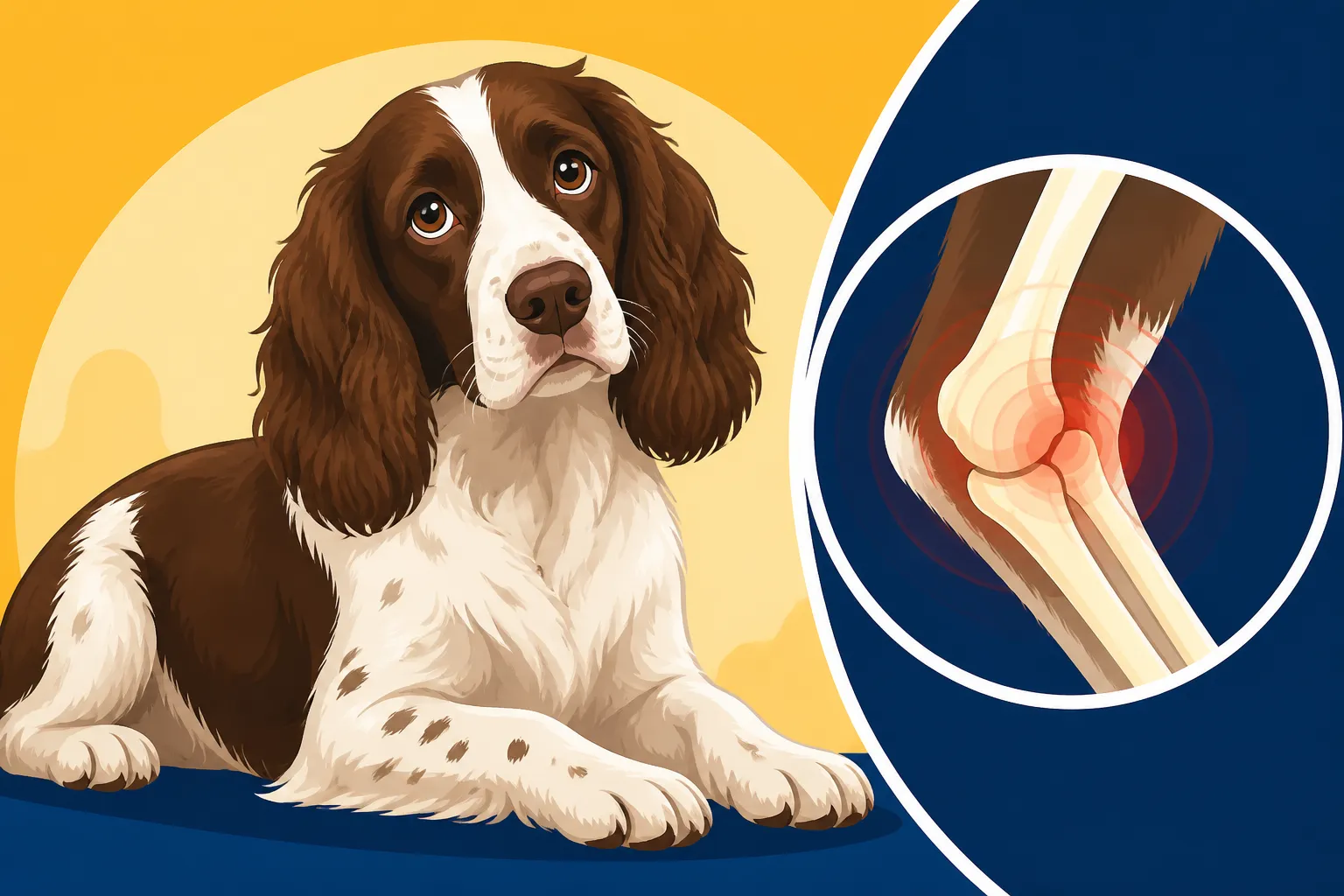
Elbow dysplasia isn't a single condition, but rather a catch-all term that describes several developmental abnormalities within the elbow joint. It's a painful, chronic, and often debilitating condition that can significantly impact a dog's quality of life. For active breeds like the English Springer Spaniel, who live to run, jump, and retrieve, elbow dysplasia can be particularly devastating, curtailing their natural enthusiasm and athletic prowess.
The Many Faces of Elbow Dysplasia
When we talk about elbow dysplasia, we're actually referring to a group of four distinct, but often co-occurring, conditions that lead to malformation of the elbow joint. These typically develop during the rapid growth phase of puppyhood, usually between four and eight months of age.
- Fragmented Coronoid Process (FCP): This is arguably the most common component of elbow dysplasia. The coronoid process is a small bony projection on one of the bones that forms the elbow joint (the ulna). In FCP, a piece of this bone breaks off, floating within the joint or irritating the cartilage. This causes inflammation, pain, and eventually arthritis. Imagine having a tiny pebble constantly rubbing inside your knee joint – that's what your dog might be experiencing.
- Osteochondritis Dissecans (OCD) of the Humeral Condyle: OCD occurs when the cartilage that covers the end of the humerus (the upper arm bone) doesn't develop properly or detaches from the underlying bone. This creates a flap of cartilage that irritates the joint, leading to pain and lameness. It's like having a loose floorboard in a high-traffic area; every step causes discomfort.
- Ununited Anconeal Process (UAP): This condition is less common in Springer Spaniels but can still occur. The anconeal process is another bony protrusion on the ulna that normally fuses to the main bone by about five months of age. If it fails to fuse, it remains a separate piece of bone, causing instability and chronic pain in the elbow. This is a bit like a hinge on a door being held together by chewing gum instead of solid screws.
- Elbow Incongruity: This refers to a mismatch in the length or shape of the bones that make up the elbow joint (radius, ulna, and humerus). When these bones don't fit together perfectly, abnormal pressure is placed on the joint surfaces, leading to cartilage damage and the early onset of arthritis. Think of it as trying to fit puzzle pieces that don't quite align; over time, the friction causes wear and tear.
All these conditions ultimately lead to secondary osteoarthritis (degenerative joint disease) as the body tries to cope with the abnormal mechanics and chronic inflammation. This means even if the primary issue is addressed, ongoing management of arthritis is often necessary.
Spotting the Early Warning Signs
Recognizing elbow problems early in your Springer Spaniel can be tricky because these dogs are famously stoic and eager to please. They often push through pain to participate in activities they love. However, there are several key indicators to look out for, some more subtle than others.
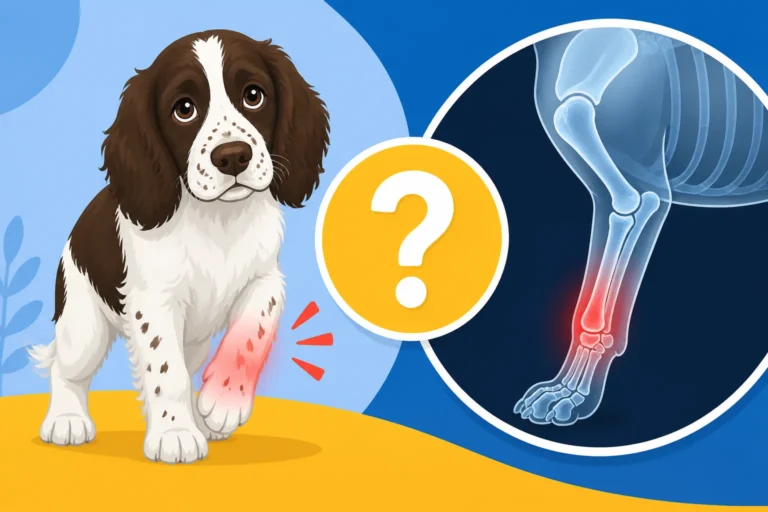
A very common early sign is an intermittent lameness, especially after exercise or after resting. Your Springer might seem fine during a walk, but then limp noticeably when they get up from their bed a few hours later. This lameness often worsens over time and can affect one or both front legs. Dogs with bilateral elbow dysplasia (affecting both elbows) might not show a noticeable limp, but instead exhibit a stiff, short stride, almost like they're walking on eggshells with their front legs. They might also shift their weight to their hind limbs.
Other signs include a reluctance to run, jump, or play as much as they used to. They might hesitate before going up or down stairs, or avoid jumping into the car. When standing, they might hold their affected leg slightly out to the side or tuck it under their body in an attempt to alleviate pressure on the painful joint. You might also notice a decreased range of motion in the elbow joint, meaning they can't fully extend or flex their leg without discomfort. If you gently try to manipulate their elbow, they might pull away, whine, or even snap. Swelling around the joint or a clicking sound when they move are also possible indicators, although these are less common as initial signs.
It's crucial not to dismiss these signs as merely "getting older" or "just a bit stiff." For a breed as active as a Springer, even subtle changes in gait or behavior warrant a closer look.
Why Our Beloved Springers Face This Challenge
It feels unfair, doesn't it? To have a dog bred for activity and stamina, only to find them plagued by joint issues. Unfortunately, certain genetic predispositions and the very nature of their high-energy lifestyle contribute significantly to why Springer Spaniels, like many medium to large breeds, can be more susceptible to elbow problems.
The Unavoidable Genetic Blueprint
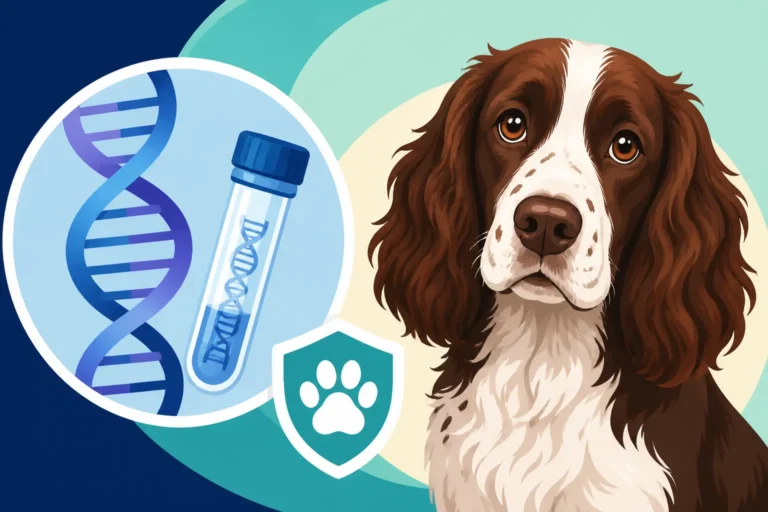
Genetics play an incredibly significant, if not primary, role in the development of elbow dysplasia in Springer Spaniels. This condition is considered polygenic, meaning multiple genes contribute to its expression, rather than a single "bad" gene. This makes it challenging to eradicate entirely from a breed, but responsible breeding practices are absolutely essential to minimize its prevalence.
Breeders committed to health will screen their breeding stock for elbow dysplasia using radiographic evaluations (X-rays) through organizations like the Orthopedic Foundation for Animals (OFA) in the United States or the British Veterinary Association (BVA) in the UK. These organizations evaluate X-rays and assign a grade to the elbows, indicating the presence and severity of any abnormalities. A good breeder will only breed dogs with excellent or good elbow scores. You might find it helpful to look into The Health Tests Both Springer Spaniel Parents Should Have when researching a puppy.
Even with meticulous screening, it's important to understand that a dog with clear elbow scores can still produce offspring with elbow dysplasia, especially if there's a predisposition lurking further back in the pedigree. However, breeding only from cleared parents drastically reduces the risk. If you're considering a Springer Spaniel puppy, asking to see the elbow scores of both parents is not just advisable, it's non-negotiable. This is part of the broader conversation about The DNA Test That Should Precede Every Springer Spaniel Purchase and other health screenings.
The Impact of an Active Lifestyle
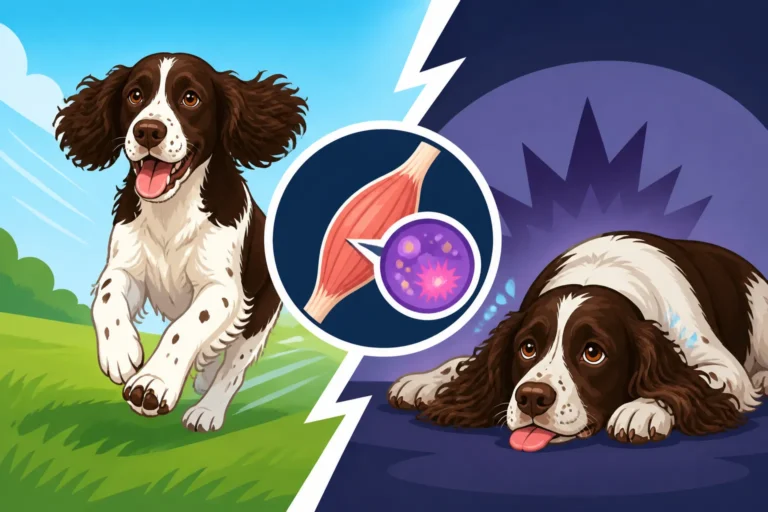
While genetics lay the groundwork, environmental factors and a Springer Spaniel's naturally exuberant, active lifestyle can exacerbate the underlying genetic predisposition. These dogs are working dogs at heart, whether they're flushing game in the field or retrieving tennis balls in the park. Their powerful muscles and incredible drive mean they love to run, jump, and twist.
During a puppy's critical growth phase, excessive or inappropriate exercise can put undue stress on developing joints. High-impact activities like repetitive jumping, long runs on hard surfaces, or strenuous agility training should be limited until growth plates have closed, usually around 12-18 months of age. Imagine asking a child to train for a marathon before their bones are fully formed – it's similar for a puppy.
Furthermore, maintaining a healthy weight throughout your Springer's life is paramount. Excess weight places additional strain on all joints, including the elbows, accelerating the progression of arthritis in dogs already predisposed to dysplasia. A lean body condition helps to protect the joints and minimize discomfort. This ties into the broader topic of Whether a Working Springer Spaniel Wears Out Its Joints and how to manage their activity levels responsibly.
Even when they're fully grown, a Springer's passion for activity means their joints get a workout. While exercise is vital for their physical and mental well-being, it's about balance. Owners need to be mindful of signs of discomfort and adjust activity levels accordingly, ensuring proper warm-ups and cool-downs, especially for a dog that might be genetically inclined towards elbow issues.
The Road to Diagnosis: Getting Answers for Your Limping Companion
If you've noticed any of the aforementioned signs of discomfort or lameness in your Springer Spaniel, the next crucial step is to seek veterinary attention. Early diagnosis can make a significant difference in managing the condition and preserving your dog's mobility and comfort. Don't delay hoping it will simply "go away."
Your Vet's Role: Initial Examination and Next Steps
Your veterinarian will start with a thorough physical examination. This will involve palpating (feeling) your dog's elbows, checking for swelling, pain, or any grinding sensations. They'll also assess the range of motion in the joints and observe your Springer's gait, asking them to walk and trot on various surfaces. They might ask you specific questions about when the lameness occurs, what activities seem to aggravate it, and how long it's been going on.
Based on this initial assessment, if elbow dysplasia is suspected, your vet will likely recommend diagnostic imaging. This is where you might feel a bit of a pinch in your wallet, but it's an absolutely essential step. Without accurate imaging, it's impossible to determine the exact nature and severity of the elbow problem, which is critical for planning the most effective treatment. Remember, pet insurance from companies like Healthy Paws can often help cover these diagnostic costs if you have a policy in place before symptoms appear.
Advanced Diagnostics: Peeking Inside the Joint
The primary diagnostic tool for elbow dysplasia is radiography, commonly known as X-rays. Your vet will likely need to sedate your Springer Spaniel to get high-quality, perfectly positioned X-rays of both elbows. This is important because even if one elbow appears to be the primary problem, the other might also be affected, albeit less severely. The X-rays allow the vet to visualize the bones and look for signs of FCP, OCD, UAP, or joint incongruity, as well as the tell-tale signs of developing osteoarthritis.
However, sometimes X-rays alone aren't enough to get a complete picture, especially for subtle forms of FCP or early cartilage damage. In such cases, your vet might recommend more advanced imaging techniques:
- CT (Computed Tomography) Scan: A CT scan provides much more detailed, cross-sectional images of the joint than traditional X-rays. It's excellent for visualizing bony fragments and assessing the joint's intricate structures in three dimensions. This can be invaluable for surgical planning.
- MRI (Magnetic Resonance Imaging): While CT is best for bone, MRI excels at visualizing soft tissues like cartilage, ligaments, and the joint capsule. It can detect subtle cartilage lesions and inflammation that might be missed on X-rays or even CT.
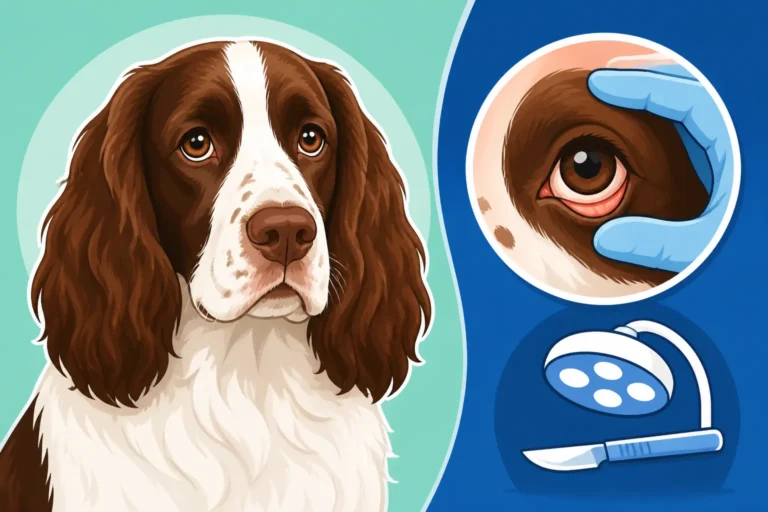
- Arthroscopy: This is a minimally invasive surgical procedure where a tiny camera is inserted into the joint. It allows the veterinary surgeon to directly visualize the inside of the elbow, confirm the diagnosis, remove any fragmented pieces of bone or cartilage, and assess the extent of the damage. It's often both diagnostic and therapeutic.
Your vet might also take blood samples to rule out other conditions or to assess your dog's overall health before any sedation or surgical procedures. Getting a definitive diagnosis is the first crucial step towards getting your Springer back to feeling their best.
Navigating Treatment and Care for a Springer With Elbow Issues
Once your Springer Spaniel has been diagnosed with elbow dysplasia, the focus shifts to management and treatment. There's no one-size-fits-all solution, and the best approach will depend on the severity of the condition, your dog's age, and your individual circumstances. The goal is always to minimize pain, improve mobility, and maintain a good quality of life.
Conservative Care: Managing Discomfort and Maintaining Mobility
For many Springer Spaniels, especially those with milder forms of elbow dysplasia or early arthritis, conservative (non-surgical) management is the first line of defense. This approach focuses on pain control, inflammation reduction, and joint support.
- Weight Management: This cannot be stressed enough. Keeping your Springer Spaniel at a lean, healthy weight is perhaps the single most impactful thing you can do to ease the burden on their joints. Even a few extra pounds can significantly worsen pain and accelerate degenerative changes. Your vet can help you determine an ideal weight and create a feeding plan.
- Controlled Exercise: While strenuous activities should be avoided, moderate, consistent exercise is important to maintain muscle strength and joint flexibility. Think short, leashed walks on soft surfaces (grass, dirt trails) rather than long, high-impact runs or jumping games. Swimming is an excellent, low-impact exercise that allows your Springer to use their muscles without putting stress on their joints. You'll want to avoid anything that could further aggravate their Elbow Dysplasia in a Springer Spaniel.
- Medication:
- NSAIDs (Non-Steroidal Anti-Inflammatory Drugs): Medications like carprofen (Rimadyl), meloxicam (Metacam), or galliprant are commonly prescribed to reduce pain and inflammation. They are highly effective but require careful monitoring for potential side effects, especially with long-term use.
- Pain Relievers: Other pain medications, such as gabapentin or tramadol, might be used in conjunction with NSAIDs or as alternatives if NSAIDs aren't tolerated.
- Amantadine: This medication can be used to help manage chronic pain, especially neuropathic pain.
- Joint Supplements: Glucosamine, chondroitin sulfate, MSM, and omega-3 fatty acids (like fish oil) are popular supplements that support cartilage health and reduce inflammation. While not a cure, many owners find them beneficial. Looking into Joint Supplements for a Springer Spaniel can give you more specific ideas. Brands like Dasuquin and Cosequin are often recommended by vets.
- Physical Rehabilitation: Veterinary physical therapy, much like for humans, can be incredibly helpful. Techniques like therapeutic exercises, hydrotherapy (underwater treadmill), massage, laser therapy, and acupuncture can improve muscle strength, flexibility, and overall comfort.
- Environmental Modifications: Make your home more joint-friendly. Provide orthopedic beds, use ramps for cars or stairs, and place non-slip mats on slippery floors.
A dedicated approach to conservative care can often manage the symptoms effectively for many years, especially with the support of a good pet insurance plan like those offered by Healthy Paws, which can help cover the ongoing costs of medications, supplements, and physical therapy.
Surgical Interventions: When Knives Offer a New Lease on Life
For some Springer Spaniels, especially younger dogs with specific forms of elbow dysplasia (like severe FCP, OCD, or UAP), surgery may be recommended as the best option to alleviate pain, correct the underlying anatomical problem, and slow the progression of arthritis.
The type of surgery depends entirely on the specific diagnosis:
- Arthroscopy: As mentioned, this minimally invasive procedure can be used to remove fragmented coronoid processes or OCD flaps. The surgeon uses tiny incisions and instruments, leading to less pain and a faster recovery compared to traditional open surgery.
- Ununited Anconeal Process (UAP) Fixation: If a UAP is present, surgery may involve reattaching the anconeal process with a screw or removing it entirely, depending on the case.
- Sliding Humeral Osteotomy (SHO) / Proximal Ulnar Osteotomy (PUO): These procedures involve cutting and realigning bones to improve joint congruity, reducing abnormal pressure points. They are more complex and typically reserved for specific cases of elbow incongruity.
- Total Elbow Replacement (TER): This is a highly specialized and expensive procedure, usually considered a last resort for severe, end-stage elbow dysplasia when other treatments have failed and the dog is in significant, intractable pain. It involves replacing the damaged joint with prosthetic components, similar to a human knee or hip replacement.
Post-surgical care is crucial and will involve a period of restricted activity, pain management, and often extensive physical rehabilitation to restore strength and function. The recovery journey can be long and demanding, but for the right candidate, surgery can dramatically improve a Springer Spaniel's quality of life. Understanding these options is vital, and your veterinarian, possibly in consultation with a board-certified veterinary surgeon, will guide you through the pros and cons of each.
Supporting Your Springer Through Everyday Life
Living with a Springer Spaniel with elbow dysplasia means making adjustments and committing to consistent care. It's a journey, not a sprint, and your role as a loving owner is pivotal.
Beyond the specific treatments, creating an environment that supports your dog's joint health is key. This includes maintaining a comfortable living space with soft bedding, ensuring easy access to food and water bowls (raised bowls can sometimes help), and being mindful of slippery surfaces that could cause falls or strain.
Regular veterinary check-ups are essential to monitor the progression of the disease and adjust pain management strategies as needed. As your Springer ages, the challenges of arthritis will become more prominent, making articles like Arthritis in an Older Springer Spaniel and What Changes in an Old Springer Spaniel's Care particularly relevant. Even if your dog isn't hunting anymore, you can still engage their minds with scent work, puzzle toys, and gentle training sessions to keep them mentally stimulated without overtaxing their joints.
Don't forget the emotional toll this can take on both you and your dog. A Springer Spaniel thrives on activity and being with their people. When they're in pain or limited, it can lead to frustration or depression. Continue to offer plenty of affection, mental enrichment, and gentle companionship. Your commitment to their well-being will make all the difference, helping them enjoy their The Twelve to Fourteen Years a Springer Spaniel Lives as comfortably as possible.
Disclaimer
This article is for general informational purposes only and does not constitute professional advice. Laws, prices and regulations vary by location and change over time. Consult a qualified professional for guidance on your specific situation.