The Springer Spaniel That Inhales Its Dinner
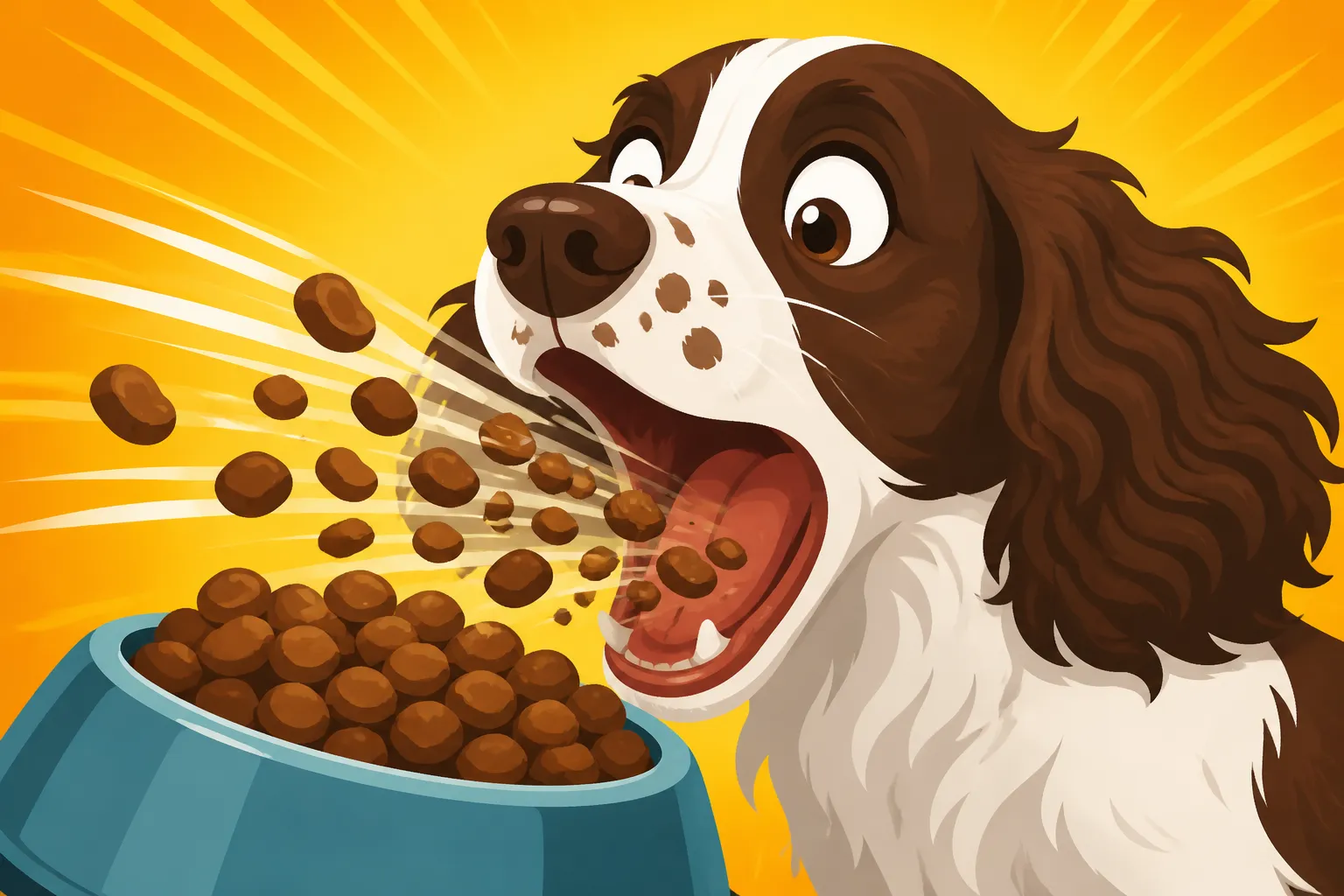
Oh, the whirlwind of mealtime with a Springer Spaniel! If you've ever witnessed your beloved companion inhale their dinner as if it's a fleeting mirage, you know the mix of amusement and genuine concern that washes over you. It's a common frustration for many Springer owners – that frantic gobbling that leaves you wondering if they even tasted it, or worse, if they're actually putting themselves at risk. This guide is dedicated to understanding why your Springer dives into their food bowl with such gusto, exploring the potential dangers, and offering practical, real-world strategies to help them slow down and savor their meals, making dinner a calmer, safer experience for everyone.
Why Your Springer Spaniel Thinks Dinner is a Race
It's easy to assume your Springer is just being greedy, but there's often more to this fast-eating behavior than meets the eye. From instinctual drives to learned habits, several factors can turn mealtime into a frantic dash to the finish line. Understanding these root causes is the first step toward finding a solution that genuinely works for your dog.
The Instinctual Drive to Compete and Survive
Think about the origins of dogs, even our beloved Springers. In the wild, food isn't a guaranteed commodity. Pack animals often had to eat quickly to ensure they got their share before others, or to protect their meal from rivals. While our modern Springers live in cozy homes with regular meals, these deep-seated instincts can still surface. If your Springer grew up in a litter where they had to push and shove for access to their mother's milk or later, for puppy kibble, that competitive drive can become ingrained. This isn't about being starved; it's about a primal programming that says, "Eat now, or it might be gone!"
Furthermore, Springers are working dogs, bred for high drive and an intense focus on their job – whether that's flushing game or retrieving. This intensity can sometimes spill over into other areas of their life, including mealtime. They might approach their food with the same high-octane enthusiasm they bring to a retrieve or a training session, unable to temper their excitement.
Learned Behavior and Environmental Factors
Sometimes, the way we inadvertently interact with our dogs can reinforce fast eating. Do you put the bowl down and immediately walk away, leaving them to it? Do you hover, creating a sense of urgency? Or perhaps mealtime is a chaotic affair in a busy household. If your Springer associates the sound of the food bag or the clinking of the bowl with a rush, that anticipation can build into a frenzy.
Consider the environment. If there are other pets in the house, even if they eat in separate rooms, your Springer might still feel the need to gobble down their food out of a perceived competition. Even if it's just you and your Springer, a bustling household with kids, loud noises, or frequent comings and goings around mealtime can make a dog feel unsettled and lead them to rush through their meal, seeking a quick return to quiet or safety. A lack of structure or a consistent routine can also contribute to anxiety around meals, prompting faster eating.
The Risks of Rapid Eating for Your Springer's Health
While it might seem like a minor annoyance, a Springer Spaniel that inhales its dinner is potentially facing some serious health risks. It's not just about indigestion; rapid eating can lead to more acute and life-threatening conditions. As responsible pet parents, understanding these dangers is crucial for protecting our furry friends.
Gastrointestinal Upset and Beyond
The most immediate and common consequence of fast eating is gastrointestinal upset. When a dog eats too quickly, they tend to swallow a lot of air along with their food. This excess air, combined with poorly chewed food, can lead to a host of uncomfortable issues:
- Bloating and Gas: That extra air has to go somewhere! This can result in excessive burping, flatulence, and general discomfort. While often harmless, chronic gas can be quite unpleasant for your dog and, let's be honest, for everyone else in the house.
- Vomiting and Regurgitation: Eating too fast can overwhelm a dog's digestive system. The stomach might simply reject the food and air mixture, leading to regurgitation (bringing up undigested food shortly after eating) or vomiting (expelling stomach contents). This can be distressing for your dog and messy for you, but more importantly, it means they aren't properly absorbing nutrients.
- Choking Hazards: Larger pieces of kibble, especially if swallowed whole, can pose a choking risk. Imagine your Springer gulping down a big mouthful of food and it getting lodged in their throat. This is a terrifying scenario that every owner wants to avoid.
The Looming Threat of Bloat (Gastric Dilatation-Volvulus)
This is perhaps the most serious and terrifying risk associated with rapid eating, especially in deep-chested breeds like our beloved Springer Spaniels. Gastric Dilatation-Volvulus (GDV), commonly known as bloat, is a life-threatening condition where the stomach fills with gas and twists upon itself. This twisting cuts off blood supply and traps gas, leading to rapid deterioration.
While the exact cause of bloat isn't fully understood, rapid eating, especially of large meals, is a known risk factor. The excessive air swallowed during fast consumption, combined with post-meal activity, can contribute to the stomach dilating and potentially twisting. Symptoms of bloat include a swollen or hard abdomen, unproductive retching (trying to vomit but nothing comes up), restlessness, pain, and collapse. It's an emergency situation requiring immediate veterinary intervention. Knowing the signs of Whether a Springer Spaniel Gets Bloat is vital for any Springer owner. This alone is reason enough to take slow-feeding seriously.
| Risk Factor | Description | Potential Consequence |
|---|---|---|
| Swallowing Air | Rapid ingestion causes dogs to gulp down significant amounts of air with their food. | Bloating, excessive gas, stomach discomfort, burping. |
| Poorly Chewed Food | Food isn't adequately broken down, leading to larger pieces reaching the stomach. | Indigestion, regurgitation, vomiting, reduced nutrient absorption. |
| Choking | Large, unchewed chunks of food can get stuck in the esophagus or windpipe. | Airway obstruction, respiratory distress, veterinary emergency. |
| Gastric Dilatation-Volvulus (Bloat) | Excessive gas in the stomach, often compounded by rapid eating, can lead to twisting of the stomach. | Life-threatening emergency, requires immediate surgery, high mortality rate. |
Practical Solutions for Slowing Down Your Springer's Meals
Now that we understand the 'why' and the 'what if,' let's talk about the 'how.' There are many fantastic strategies and tools available to help your Springer slow down their eating. The key is to find what works best for your dog and your lifestyle, and to be consistent.
Investing in Slow Feeder Bowls and Puzzle Toys
One of the most effective and straightforward solutions is to make it physically harder for your Springer to access their food. This is where slow feeder bowls and puzzle toys really shine.
- Slow Feeder Bowls: These bowls have ridges, mazes, or pillars built into the design, forcing your dog to work around obstacles to get each mouthful. Instead of scooping up a huge portion, they can only get a few kibbles at a time. Brands like Outward Hound (often found on Amazon or Chewy) offer a wide range of designs. Start with a simpler pattern if your Springer is easily frustrated, and gradually move to more complex ones. The goal is to make eating a mild challenge, not an impossible task.
- Puzzle Toys: These take the concept even further. Many puzzle toys require your dog to manipulate parts, nudge levers, or roll the toy around to release small amounts of food. This not only slows them down but also engages their brain, providing mental stimulation. Kong Wobblers, Snuffle Mats, or treat-dispensing balls are excellent choices. You can even use a portion of their meal in these toys, making mealtime an enrichment activity. For a high-drive breed like a Springer, this engagement can be incredibly satisfying and calming.
Spreading Out Portions and Meal Frequency
Sometimes, the sheer volume of food in one sitting can trigger fast eating. Breaking up your Springer's daily ration into smaller, more frequent meals can make a significant difference.
- Smaller, More Frequent Meals: Instead of one or two large meals, try offering three or even four smaller meals throughout the day. This reduces the urgency and the perceived 'scarcity' of food. It also means less volume to ingest rapidly at any one time, which can reduce the amount of air swallowed and ease the digestive load. This aligns well with general advice on The Age a Springer Spaniel Goes to Two Meals – often, adults thrive on more than just one huge meal.
- Scattering Food: For an even simpler approach, try scattering your Springer's kibble across a clean, hard floor or in the grass in your fenced yard (weather permitting). This forces them to sniff out and pick up individual pieces, turning mealtime into a mini-hunt. It engages their natural foraging instincts, slows them down considerably, and provides excellent mental and physical exercise. Just ensure the area is safe and free of anything they shouldn't ingest.
Making Mealtime a Calming Routine
The environment and routine surrounding meals play a huge role in your Springer's eating pace. A rushed or chaotic mealtime can exacerbate fast eating.
- Establish a Predictable Schedule: Dogs thrive on routine. Feeding your Springer at consistent times each day helps manage their anticipation and reduces anxiety. They learn that food will arrive predictably, without the need for frantic gobbling. This predictability also helps with things like The Feeding Chart a Springer Spaniel Puppy Follows, ensuring they're on a healthy track from a young age.
- Create a Quiet Eating Space: Designate a specific, calm area where your Springer can eat without interruption or perceived competition. This might be a quiet corner of the kitchen, a crate, or even a separate room. Ensure other pets or children aren't bothering them during mealtime. This allows them to relax and focus on eating at a more natural pace.
- Practice "Wait" or "Stay": Before putting the bowl down, ask your Springer to "wait" or "stay." This teaches impulse control and signals that you control the timing of the meal. Start with short waits and gradually increase the duration. Only release them to eat once they are calm. This helps shift their mindset from frantic excitement to patient expectation.
Remember, consistency is key. Whatever method you choose, stick with it. It might take some time for your Springer to adjust, but with patience and persistence, you can help them develop healthier eating habits. You might even find that some products, perhaps from a trusted pet supplier like Chewy or even fresh food options like Ollie that come in smaller, more manageable portions, might help with this transition.
Beyond the Bowl: Addressing Underlying Behavior
Sometimes, fast eating isn't just about the food itself or the bowl; it's a symptom of deeper behavioral or environmental factors. Taking a holistic look at your Springer's daily life can uncover additional ways to support healthier eating habits.
Managing Excitement and Anxiety
Our Springers are bundles of energy and enthusiasm, which we adore, but sometimes that excitement can overwhelm them, especially around high-value events like mealtime.
- Pre-Meal Activity: A very hungry or over-stimulated dog is more likely to eat quickly. Consider a short, calm walk or a brief training session before mealtime. This can help burn off some excess energy and bring them to a more relaxed state before eating. Just be sure not to engage in strenuous exercise right before or after a meal, especially with bloat risks in mind.
- Reducing Overall Stressors: Is there anything else in your Springer's environment that might be causing anxiety? Changes in routine, new pets, loud noises, or even feeling ignored can contribute to stress, which might manifest as rushed eating. Ensuring your Springer has plenty of mental and physical stimulation throughout the day can also help. A bored Springer often seeks intense outlets, and frantic eating can become one of them. Regular training, scent work, and adequate exercise are crucial for a balanced Springer. For more on their exercise needs, consider How Much Exercise a Field Bred Springer Spaniel Needs vs. How Much Exercise a Show Bred Springer Spaniel Needs.
The Role of Diet and Food Quality
While not directly causing fast eating, the type of food and its digestibility can play a supporting role in your dog's overall meal experience.
- Food Texture and Size: Small, dry kibble can be easier to inhale than larger kibble or wet food. If your dog is consistently eating too fast, you might experiment with different kibble sizes or consider adding water or broth to their kibble to create a mash. This makes it harder to gobble down whole.
- Nutritional Adequacy: While unlikely to be the primary cause of fast eating, ensuring your dog is receiving a nutritionally complete diet that satisfies their hunger is always important. If a dog is constantly feeling ravenous, they might be more prone to eating quickly. This is especially true for working Springers. Knowing How Much a Working Springer Spaniel Should Eat and providing adequate calories can help them feel truly satisfied. Check the ingredient list of your dog's food. Quality food often leads to better satiety. Many brands, including those found on Amazon, offer various formulas.
By addressing the foundational needs and overall well-being of your Springer Spaniel, you're not just solving a feeding problem; you're contributing to a happier, healthier, and more balanced companion. Patience and observation are your best tools here. Pay attention to what triggers the fast eating and what helps your specific Springer calm down. It's a journey, but one that's well worth taking for their long-term health and your peace of mind.
Which Slow Feeder Works for a Springer Spaniel
Choosing the right slow feeder can feel overwhelming with so many options out there. What works for one Springer might not work for another. The key is to consider your dog's personality, how fast they truly eat, and what level of challenge is appropriate.
Let's look at some popular options and how they might suit a Springer Spaniel.
| Slow Feeder Type | Description | Pros for Springer Spaniels | Cons for Springer Spaniels | Where to Find |
|---|---|---|---|---|
| Basic Ridge/Maze Bowl | Bowls with simple patterns or raised sections to separate food. | Easy introduction, less frustrating, still effective. | Might not be enough for extremely fast eaters. | Most pet stores, online retailers like Amazon, Chewy. |
| Interactive Puzzle Bowl | More complex mazes, often with removable parts or intricate designs. | More challenging, good mental stimulation, highly effective. | Can be frustrating for some dogs initially, harder to clean. | Pet stores, specialized online pet supply stores, Chewy. |
| Snuffle Mat | Fabric mat with fleece strips where food is hidden. | Engages scent work, highly stimulating, soft on noses. | Not ideal for wet food, can be chewed by destructive dogs. | Etsy, Amazon, specialized pet boutiques. |
| Treat-Dispensing Ball/Toy | Hollow toys that release kibble as the dog rolls/manipulates them. | Great for mental and physical engagement, portable. | Can be noisy, some designs are hard to clean, not for all meals. | Most pet stores, online retailers like Amazon, Chewy. |
| Spread on a Flat Surface | Simply spreading kibble on a clean, wide tray or the floor. | No cost, natural foraging, very effective. | Requires a clean surface, not contained, can be messy. | Your kitchen floor, a baking sheet. |
When selecting a slow feeder, think about your Springer. Are they prone to chewing? Then a sturdy plastic or silicone bowl is better than a fabric snuffle mat. Do they get easily frustrated? Start with a simpler design to build confidence before moving to something more complex. Sometimes, rotating between a few different types can keep things interesting and prevent them from figuring out one trick too quickly. For example, a basic slow feeder for most meals, and a puzzle toy for a special treat or a smaller portion.
Beyond specific products, consider the feeding strategy. If you're dealing with a working Springer Spaniel who needs specific calorie intake and Keeping a Springer Spaniel at a Working Weight, you might need a slow feeder that can accommodate a larger meal volume without becoming impossible to navigate. Conversely, for a pet Springer Spaniel whose owner is conscious of How Many Cups a Day a Pet Springer Spaniel Eats, any of these options can help with portion control.
The goal isn't just to slow them down, but to make mealtime a more positive, enriching, and safe experience. Experimentation is key, and don't be afraid to try a few different approaches until you find the perfect fit for your beloved Springer.
Disclaimer
This article is for general informational purposes only and does not constitute professional advice. Laws, prices and regulations vary by location and change over time. Consult a qualified professional for guidance on your specific situation.