The Colors a Springer Spaniel Comes In
It's incredibly frustrating when you're trying to understand the nuances of a beloved breed like the English Springer Spaniel, and you keep running into vague descriptions or conflicting information, especially about something as fundamental as their coat colors. Many prospective owners get confused by terms like "roan" or "ticking," or wonder if that solid black puppy they saw is even a true Springer. This guide is here to clear up all that confusion, offering a comprehensive look at the stunning array of colors and patterns that make our Springers so distinctive, explaining what's considered standard, and what you might encounter.
The Classic Coats: Liver and White, and Black and White
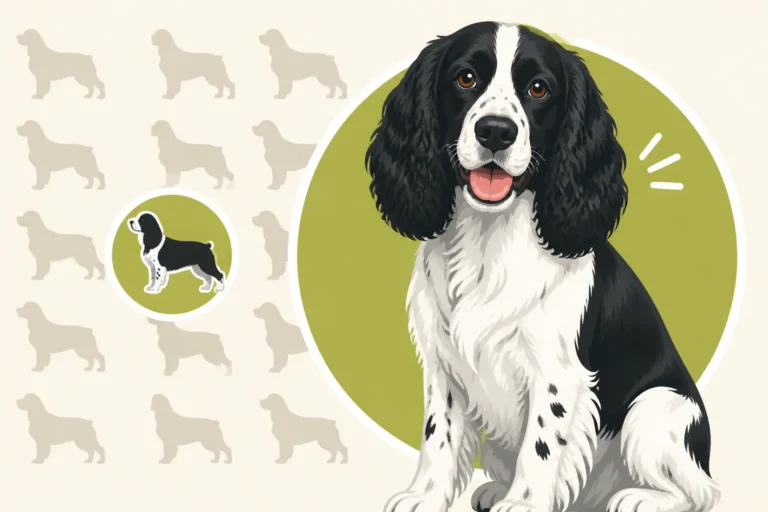
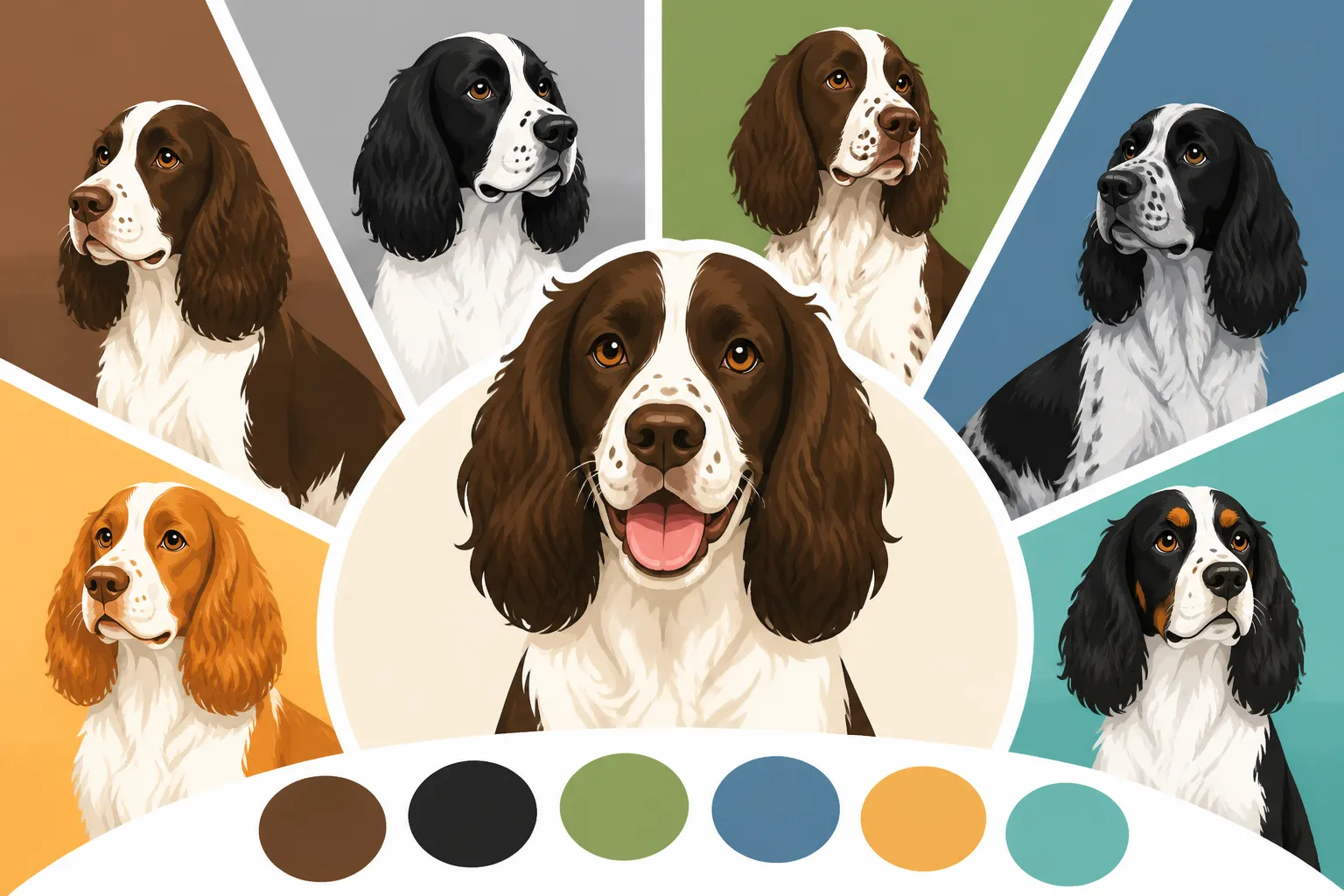
When you picture an English Springer Spaniel, chances are one of these two classic color combinations immediately springs to mind. They are, without a doubt, the most common and widely recognized patterns, deeply embedded in the breed's history and standard. These aren't just colors; they're a hallmark of the breed, instantly identifying a Springer Spaniel to anyone familiar with gundogs.
Why These Combinations Reign Supreme
The dominance of liver and white, and black and white, in the English Springer Spaniel breed standard isn't accidental. Historically, these patterns were not only aesthetically pleasing but also practical for working dogs. A dog with patches of white was easier to spot in dense cover or against the varying landscapes of the British countryside, whether you were hunting pheasants in a stubble field or retrieving ducks from a reedy marsh. The stark contrast provided by the white alongside the darker liver or black made them highly visible to hunters, which was a crucial trait for a dog expected to work at a distance.
Beyond practicality, these combinations have been selectively bred for generations, solidifying their place as the epitome of the breed's appearance. When you look at old paintings or photographs of Springers from the turn of the 20th century, you'll see these patterns prominently featured. They are the colors that define the breed's visual identity, representing a continuity in breeding efforts focused on both form and function. This deep historical root means that dogs exhibiting these patterns often carry the physical traits and working instincts most characteristic of the breed.
Understanding the "White" Base
It's important to understand that when we talk about "white" in these classic combinations, we're rarely referring to a stark, unblemished white like you might see on a Samoyed or a certain type of Bulldog. Instead, the white areas on a Springer Spaniel's coat are almost universally accompanied by varying degrees of flecking or speckling, known as ticking or roaning. These small, colored spots within the white fur are a distinctive characteristic of many spaniel breeds, including the Springer. How a Springer Spaniel's Markings Change With Age often shows how this ticking can become more pronounced as a puppy matures.
The amount of ticking can vary dramatically from one dog to another, even within the same litter. Some Springers might have just a few scattered specks on their legs and muzzle, while others can be so heavily ticked that their white areas appear almost mottled or grayish. This individual variation adds to the charm of each dog. The white serves as a canvas, allowing the liver or black patches to stand out, while the ticking adds depth and texture, preventing the coat from looking too plain. It's this combination of broad color patches and delicate speckling that gives the Springer Spaniel its unique visual appeal, a balance that breeders strive to maintain.
The Tricolor Tapestry: Black, White, and Tan or Liver, White, and Tan
While liver and white and black and white are the most common, the English Springer Spaniel also proudly displays tricolor coats, adding another layer of visual interest to the breed. These dogs are truly a sight to behold, combining the classic bi-color foundation with rich tan accents that truly pop against the darker primary colors.
What Makes a Springer Tricolor
A tricolor Springer Spaniel isn't just a black and white or liver and white dog with some random tan spots. The tan markings have specific, traditional placements that adhere to the breed standard. These tan points typically appear on the cheeks, over the eyes (often described as "eyebrows"), on the underside of the ears, and sometimes on the legs, particularly on the inside. You might also find hints of tan around the vent (under the tail) or on the chest. These tan points are usually a rich, warm shade, complementing the primary black or liver. Whether a Springer Spaniel Can Have Tan Points delves deeper into these specific locations.
The genetics behind tricolor are fascinating, involving modifier genes that allow for the expression of these tan points on a dog that would otherwise be a standard bi-color. It's a testament to the complex genetic blueprint that gives rise to the diverse appearances within a single breed. When you see a well-marked tricolor Springer, the tan points aren't overwhelming; rather, they serve to enhance the overall pattern, adding definition and a touch of elegance to the dog's face and legs. It's a combination that many owners find incredibly attractive, appreciating the extra dimension it brings to their dog's coat.
The Acceptability of Tricolor in the Ring and Field
The good news for lovers of tricolor Springers is that these coats are absolutely acceptable within the breed standard for both showing and field work. Whether a Tricolor Springer Spaniel Is Correct confirms this. While they might be less common than their bi-color counterparts, a well-marked tricolor Springer Spaniel can certainly excel in the show ring, provided it meets all other aspects of the breed standard regarding conformation, temperament, and movement. Judges appreciate the correct placement and richness of the tan points, recognizing them as a legitimate and beautiful variation of the breed's coat.
In the field, color makes no difference to a Springer's ability to perform its job. A tricolor Springer is just as keen, as intelligent, and as tireless as any black and white or liver and white dog. Their coat pattern won't affect their scenting ability, their drive to flush game, or their retrieve. In fact, some hunters might even find the tricolor pattern, with its additional contrast, to be just as effective, if not more so, in making their dog visible in certain types of terrain. So, whether you're looking for a show champion, a hunting partner, or simply a cherished family pet, a tricolor Springer Spaniel is a perfectly valid and beautiful choice.
The Intricate Patterns: Roaning and Ticking
Beyond the broad patches of color, it's the finer details of the English Springer Spaniel's coat that often truly captivate, and none are more intricate than the patterns of roaning and ticking. These aren't separate colors, but rather specific distributions of colored hairs within the white portions of the coat, creating a beautiful, mottled, or speckled effect that is a hallmark of many spaniel breeds.
Deciphering Roan
Roan is a striking pattern where individual colored hairs are interspersed throughout the white areas of the coat, giving a blended, almost muted or frosted appearance. Unlike ticking, where the spots are distinct dots of color on a white background, roan creates a more uniform, salt-and-pepper effect. Imagine looking at a patch of liver roan: instead of crisp white fur with distinct liver spots, you'd see individual liver hairs mixed in with white hairs, creating a lighter, almost greyish-liver shade across that area. The overall impression is one of a more integrated, softer color transition.
A true roan Springer Spaniel will typically have this blended appearance from a young age, and it generally intensifies or becomes more apparent as the dog matures. The intensity of the roaning can vary, from light roan where white still dominates, to heavy roan where the color is almost solid, but on closer inspection, the interspersed white hairs are visible. Liver roan and blue roan (black roan) are the most common roan patterns you'll encounter. Whether a Roan Springer Spaniel Is Correct highlights its acceptance in the breed standard. This pattern adds a depth and richness to the coat that is truly unique, making each roan Springer a living piece of art.
The Speckled Charm of Ticking
Ticking, on the other hand, presents as distinct, small spots or flecks of color on what would otherwise be a pure white background. Think of it like a Dalmatian's spots, but often smaller, more numerous, and less uniformly distributed. These spots correspond to the dog's main body color – so a black and white Springer would have black ticking, and a liver and white Springer would have liver ticking. The white areas of a Springer Spaniel's coat, particularly on the legs, muzzle, and chest, are where you'll most commonly observe ticking. How Ticking Develops on a Springer Spaniel Puppy is a fascinating read on this phenomenon.
What's particularly interesting about ticking is its development. Many Springer Spaniel puppies are born with what appears to be almost pure white markings. The ticking then gradually emerges and darkens as the puppy grows, sometimes becoming quite pronounced by the time they are a few months old, and continuing to fill in through their first year. This means that a seemingly "plain" white patch on a young puppy can transform into a beautifully speckled area as they mature. The density of ticking varies widely, from sparsely peppered to heavily blanketed areas, contributing to the individuality of each dog's coat pattern.
Roaning vs. Ticking: A Subtle Distinction
While both roaning and ticking involve colored hairs within white areas, their appearance and genetic basis are distinct. Roaning is about a blend of individual hairs, creating a diffused color, while ticking is about distinct spots on a white canvas. This table should help clarify the differences:
| Feature | Roan | Ticking |
|---|---|---|
| Appearance | Blended, diffused color, salt-and-pepper look | Distinct, small spots or flecks on white |
| Hair Mix | Colored hairs interspersed with white hairs | White hairs with localized patches of colored hairs |
| Development | Often present from birth, intensifies with age | Usually appears after birth, darkens as puppy grows |
| Overall Effect | Muted, integrated color | Speckled, dotted pattern |
| Primary Base | Can appear across entire "white" sections | Typically seen on legs, muzzle, body |
Understanding this distinction helps appreciate the rich variety within the English Springer Spaniel's coat patterns. Both roaning and ticking contribute to the distinctive charm of the breed, ensuring that no two Springers are ever exactly alike in their markings.
The Elusive Solid Colors and "Off" Markings
While the vast majority of English Springer Spaniels conform to the bi-color or tricolor patterns, you might occasionally hear whispers or see discussions about solid-colored Springers, or those with markings that fall outside the recognized standard. It's a common point of confusion for new owners, so let's shed some light on these less common, and often non-standard, variations.
Are Solid Springer Spaniels Possible?
Technically, a solid-colored English Springer Spaniel – meaning a dog that is entirely black, entirely liver, or even entirely white – is extremely rare and generally not considered acceptable within the breed standard. The breed standard specifically calls for a parti-color coat (meaning patches of color on a white background) with or without tan markings. If you encounter a dog that is truly solid black or solid liver, it's either an anomaly, or perhaps, more likely, it's not a purebred English Springer Spaniel.
Sometimes, dogs with very heavy roaning or ticking, where the colored spots are so dense that they almost completely obscure the white background, can appear solid from a distance. However, upon closer inspection, you would still be able to discern the underlying white hairs or the distinct spots. A truly solid coat lacks any white markings, which would be a significant deviation from what is expected in a Springer Spaniel. How Common a Black and White Springer Spaniel Is underscores the prevalence of marked coats.
Misconceptions About "Rare" Colors
The internet is rife with claims of "rare" colored dogs, often accompanied by a hefty price tag. For English Springer Spaniels, colors like solid black, solid liver, or even "lemon" (a very pale yellow/cream color) are sometimes marketed as rare. It's crucial for prospective owners to understand that in most purebred dogs, "rare" often equates to "non-standard" or "faulty" in the eyes of breed clubs and ethical breeders. These non-standard colors typically occur due to recessive genes that are not desired in the breeding program because they don't align with the historical and functional appearance of the breed.
Ethical breeders prioritize health, temperament, and adherence to the breed standard. They will not intentionally breed for non-standard colors, nor will they charge a premium for them. If a breeder is trying to sell you a "rare" solid black or solid liver Springer puppy for an inflated price, it should raise a red flag. It suggests a focus on novelty over breed integrity and responsible breeding practices. Always check the official breed standards, such as those set by the AKC or the Kennel Club, to understand what is considered acceptable.
The "Lemon" or "Orange" Springer Spaniel
Occasionally, you might hear talk of "lemon" or "orange" Springer Spaniels. These terms refer to dogs that have a very light, yellowish, or reddish-brown pigment instead of the deep liver or rich black. While attractive in their own right, these colors are not accepted in the English Springer Spaniel breed standard. They are considered a dilute form of the standard liver or black.
The appearance of these lighter pigments is a genetic trait, often recessive, that deviates from the traditional rich colors. A dog might have liver genes but express them as a lighter "lemon" color due to other modifying genes. While a "lemon" or "orange" Springer would likely be a wonderful companion, it would not be eligible for conformation showing and would generally not be desired in a breeding program aiming to produce standard-compliant dogs. It’s another example where a unique color doesn't necessarily mean it's a desirable or standard trait for the breed.
How Color Develops in a Springer Spaniel Puppy
Watching a Springer Spaniel puppy grow is an absolute delight, and one of the most interesting aspects is observing how their coat color and patterns evolve. What you see on an 8-week-old puppy isn't always the final picture, especially when it comes to those intricate speckles and blends.
Puppy Coat vs. Adult Coat
When a Springer Spaniel puppy is born, its coat is soft, fluffy, and the primary color patches (black or liver) are usually quite distinct. The white areas might appear almost pristine. However, as the puppy matures, several changes occur. The most noticeable transformation is often the emergence and development of ticking and roaning. Many puppies that look purely white and black or white and liver at birth will begin to show speckles within their white areas within a few weeks to months. How Ticking Develops on a Springer Spaniel Puppy explains this process in detail. These specks will continue to darken and become more widespread throughout their first year, and sometimes even into early adulthood.
The density and distribution of the ticking and roaning can sometimes surprise new owners. A puppy with just a few faint spots might mature into a dog with quite heavy ticking, giving a much darker overall impression than when they were small. The texture of the coat also changes; the soft puppy fluff gives way to the coarser, denser, water-resistant double coat characteristic of adult Springers. This transition involves shedding the softer puppy hair and growing in the more protective adult guard hairs and undercoat, which can subtly alter how the color appears.
The Role of Genetics in Springer Spaniel Colors
The fascinating array of colors and patterns in English Springer Spaniels is all down to their genetics. Without diving too deep into a biology lesson, essentially, a few key genes determine the base color (black or liver) and the presence of white markings, tan points, and patterns like roaning and ticking.
The primary gene affecting color determines whether the dog will be black-based or liver-based. Black is dominant, so a dog only needs one copy of the black gene to be black. For a dog to be liver, it must inherit two copies of the recessive liver gene. Then, other genes come into play. The piebald gene dictates where the white markings appear, essentially creating the parti-color pattern that is so characteristic of the breed. The presence of the tan point gene, combined with the right color genes, gives us the beautiful tricolor Springers. Genes for roaning and ticking are also at work, dictating how those small spots or blended hairs appear in the white areas. The DNA Test That Should Precede Every Springer Spaniel Purchase can offer insights into how genetic testing helps breeders understand these traits.
Responsible breeders understand these genetic principles and use them to plan pairings that will produce healthy puppies conforming to the breed standard. They carefully select breeding stock to ensure they are perpetuating desirable traits, including correct coat colors and patterns, while avoiding the introduction of non-standard or undesirable color genes. This thoughtful approach ensures the longevity and integrity of the breed's appearance.
Beyond Color: Ticking, Markings, and Pigmentation
While the main color combinations capture our attention, a Springer Spaniel's appearance is also heavily influenced by other subtle yet significant details: the intensity of ticking, the clarity and balance of their markings, and the vital pigmentation of their nose, eye rims, and lips. These elements collectively contribute to the dog's overall expression and breed type.
The Importance of Pigmentation
Pigmentation goes beyond just coat color; it refers to the color of a Springer Spaniel's nose, eye rims, and lips. These details are incredibly important for the breed standard and contribute significantly to the dog's characteristic "kind" and intelligent expression. For black and white or blue roan Springers, the nose, eye rims, and lips should be black. For liver and white or liver roan Springers, these areas should be a rich liver or brown color.
Correct pigmentation is not just about looks; it can also be indicative of general health. Strong, dark pigmentation around the eyes and on the nose protects against sun exposure and is a sign of good genetic health. Pink or "butterfly" noses (a nose with patches of pink) or light eye rims in an adult dog are generally considered faults in the show ring, though they don't impact the dog's health or ability to be a wonderful pet. However, for a working dog, a well-pigmented nose is crucial for scenting, offering protection from the elements encountered in the field. Whether a Springer Spaniel Can Have a Liver Nose discusses this specific aspect of pigmentation.
How Markings Influence Appearance
The distribution and clarity of a Springer Spaniel's markings are almost as important as the colors themselves. The breed standard generally prefers a "well-broken" pattern, meaning a good balance of color and white, with distinct patches rather than a solid blanket of color. While a certain amount of color on the head and ears is expected, a predominantly white head or a head with an almost solid dark cap can both be seen as deviations. The white blaze between the eyes is a common and desirable feature, adding to the classic Springer look.
The symmetry of the markings, though not strictly required, can also enhance a dog's appearance. A dog with evenly distributed patches and balanced ticking often has a very pleasing aesthetic. However, every Springer's markings are unique, much like fingerprints. One dog might have a bold patch over one eye and a smaller one over the other, while another might have a distinctive "saddle" marking across its back. These individual variations are part of what makes each Springer Spaniel special. The overall impression should be that of a balanced, active gundog, with markings that enhance, rather than detract from, its athletic build and friendly demeanor. When considering a puppy, observing the markings and how they develop, as noted in How a Springer Spaniel's Markings Change With Age, is part of the joy.
The Impact of Color on Health and Temperament (or lack thereof)
It's a common misconception in many breeds that certain coat colors are linked to specific health problems or even personality traits. While this can be true for some breeds (for instance, the merle gene in some breeds is associated with eye and hearing issues), for the English Springer Spaniel, the link between color and health or temperament is largely unfounded.
Color as a Marker for Health Concerns
For English Springer Spaniels, there is generally no direct correlation between their accepted coat colors (liver and white, black and white, or tricolor with roan/ticking) and specific breed health problems. For example, a liver and white Springer is no more or less prone to hip dysplasia or eye diseases than a black and white one. The serious genetic health conditions that can affect Springer Spaniels, such as Fucosidosis, PFK Deficiency, or Progressive Retinal Atrophy, are not tied to coat color. The Four Eye Diseases a Springer Spaniel Breeder Screens For highlights serious conditions unrelated to coat color.
However, as mentioned earlier, non-standard colors or lack of proper pigmentation can sometimes be an indicator of broader genetic issues or simply a deviation from desired breed traits. For instance, a very light or pink nose in a black-coated dog, while not directly causing illness, can be a sign of diluted pigment genes that might also affect other aspects of health or appearance if not managed through responsible breeding. But these are exceptions related to pigmentation genes, not the common, vibrant colors themselves. It's always crucial to prioritize health screenings and ethical breeding practices over any superficial attraction to "rare" colors.
Debunking Temperament Myths
Just as with health, there's no credible evidence to suggest that the color of an English Springer Spaniel's coat influences its temperament. A liver and white Springer is not inherently calmer or more excitable than a black and white one. Similarly, a heavily roaned dog isn't more aloof than a lightly ticked one. The personality of a Springer Spaniel is primarily shaped by its genetics (lineage, parental temperaments), early socialization, training, and environment. A Field Bred Springer Spaniel Is a Different Dog to Live With emphasizes that the type of Springer (field vs. show) has a far greater impact on temperament and drive than its coat color.
Any perceived differences in temperament linked to color are almost certainly anecdotal or based on coincidence. Perhaps a particular breeder, through no fault of the color, produced a line of black and white dogs with a certain trait, leading some to falsely generalize. What truly defines a Springer's temperament is their inherent drive, their biddability, their intelligence, and their capacity for bonding with their human family. These traits are uniform across all standard coat colors. When considering a Springer, focus on the puppy's parents' temperaments, the breeder's practices, and the puppy's individual personality, rather than its color.
Caring for the Colorful Coat: Grooming and Maintenance
No matter the color or pattern, a Springer Spaniel's coat is a thing of beauty, but it does require consistent care to keep it healthy, clean, and free from mats. The glorious feathering and dense undercoat that make them so stunning also make them prone to collecting debris and tangles, especially for the show-bred varieties. How a Show Springer Spaniel's Coat Differs provides excellent insights into their grooming needs.
Brushing for Brilliance and Health
Regular brushing is the cornerstone of Springer Spaniel coat care. For both field and show types, brushing several times a week, if not daily, is essential. This isn't just about aesthetics; it's about health. Brushing helps to remove loose hair, prevent matting, distribute natural skin oils, and stimulate circulation. For show-bred Springers, with their longer, denser feathering on the legs, chest, and belly, dedicated daily brushing is almost a necessity to prevent painful mats from forming. These areas are particularly prone to tangles, especially after walks or outdoor adventures. You'll find a wide array of brushes and combs suitable for this task on online pet supply stores like Chewy, from slicker brushes to undercoat rakes and wide-toothed combs.
A good brushing routine also allows you to regularly inspect your dog's skin for any issues. You can check for fleas, ticks, cuts, scratches, or any unusual lumps or bumps that might require veterinary attention. This routine also strengthens the bond between you and your Springer, turning a chore into a pleasant interaction.
Trimming for Type and Practicality
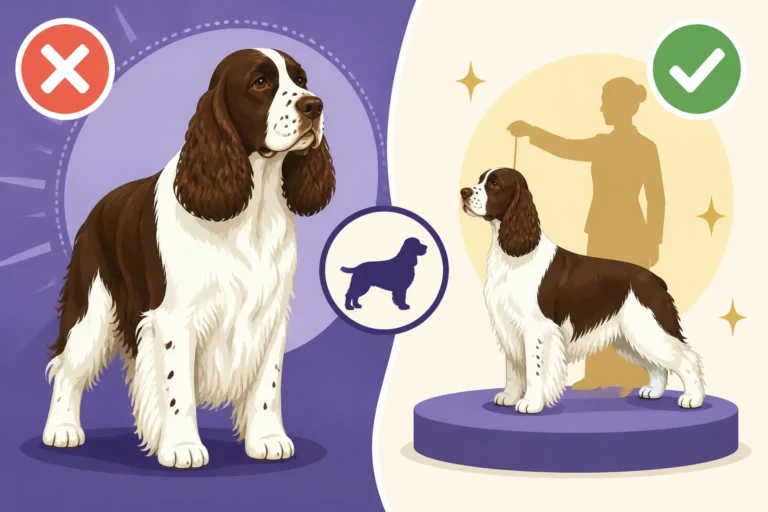
While field-bred Springer Spaniels often have a naturally shorter, denser coat that requires less trimming, show-bred Springers, with their profuse feathering, definitely benefit from regular tidying. Trimming isn't about shaving them down; it's about maintaining the classic Springer silhouette and enhancing their natural lines. This usually involves hand stripping or thinning the coat on the back, neck, and head to maintain a flat, close-lying appearance, and carefully scissoring the feathering on the legs, ears, and belly to prevent it from becoming too long or cumbersome.
The goal is to keep the coat functional and tidy, ensuring it doesn't drag on the ground, collect excessive mud and debris, or hinder movement. For a working Springer, trimming around the ears, feet, and belly can be vital for reducing the risk of grass awns or burrs becoming embedded. Many owners choose to learn basic trimming techniques themselves, while others prefer to take their Springers to a professional groomer every few weeks. Grooming supplies, including thinning shears and clippers, are readily available on platforms like Chewy for those who prefer DIY grooming.
Bathing for Cleanliness, Not Too Much
How often you bathe your Springer Spaniel depends largely on their lifestyle and coat type. A working Springer, who spends its days in fields and water, will naturally need more frequent bathing than a pet Springer who primarily enjoys walks around the neighborhood. However, even for the mud-loving field dog, excessive bathing can strip the coat of its natural oils, leading to dry skin and potentially dull fur.
Aim to bathe your Springer only when they are genuinely dirty or smelly. Use a gentle dog-specific shampoo that is formulated for their skin and coat type. Always make sure to rinse thoroughly to prevent any residue from irritating the skin. After a bath, towel dry your Springer thoroughly, paying special attention to the ears and feathering, and consider a blow dryer on a cool setting for the deeper parts of the coat. Ensuring the ears are dry is particularly important to prevent infections, a common issue for drop-eared breeds. How Field and Show Springer Spaniel Ears Differ in their propensity for issues.
Understanding the Breed Standard and Its Evolution
The English Springer Spaniel breed standard is a detailed blueprint that describes the ideal physical traits and temperament of the breed. It serves as a guide for breeders, judges, and enthusiasts, ensuring that dogs retain the characteristics that define them as Springers. Understanding this standard helps us appreciate why certain colors are accepted and others are not, and how regional variations can even exist.
The AKC vs. The Kennel Club (UK) Standards on Color
It's interesting to note that while the breed standards set by organizations like the American Kennel Club (AKC) in the US and The Kennel Club (KC) in the UK are largely similar, there can be subtle differences, even when it comes to coat color and markings. Generally, both clubs accept black and white, liver and white, blue roan, liver roan, tricolor (black, white, and tan; or liver, white, and tan), and blue roan and tan, or liver roan and tan. These are the universally recognized colors for the English Springer Spaniel.
However, the emphasis on certain aspects, like the amount of white or the exact distribution of ticking, might vary slightly in interpretation. For instance, the AKC standard might emphasize a "well-broken" pattern, while the KC might be more lenient on a dog with a solid cap if other qualities are excellent. While there isn't a radical divergence on accepted colors, nuances in wording can lead to slightly different preferences in the show ring. Whether the UK Springer Spaniel Standard Differs From the AKC's explores these differences in more detail. Regardless of which standard you adhere to, the core message is that the functional, sporting dog appearance is paramount.
Why Some Colors Are Not Standard
The reason certain colors are not accepted in the breed standard typically boils down to a few factors: historical precedent, genetic health implications, and preserving the functional appearance of the breed. Historically, the accepted colors were the ones most prevalent and desired in the working spaniel lines. Breeders selectively bred for these traits over centuries, creating the consistent appearance we see today. Any color that deviated significantly from this established look was generally considered undesirable.
From a genetic standpoint, some non-standard colors might be linked to other, less desirable traits or even health issues, although this is less common with Springers than with some other breeds (e.g., merle patterns sometimes linked to deafness or vision problems). More often, it's simply that these colors don't align with the aesthetic and functional vision for the breed. The standard is designed to describe the ideal specimen, and deviations in color are considered faults because they move away from that ideal. It's not about being "prettier" or "uglier," but about adherence to the established blueprint of the English Springer Spaniel. This dedication ensures the breed maintains its distinct identity and purpose.
Life with a Springer: Does Color Really Matter?
After diving deep into the fascinating world of Springer Spaniel colors, patterns, and breed standards, it's worth taking a moment to reflect on what truly matters when you bring one of these wonderful dogs into your home. Does the specific shade of liver or the density of the roaning really make a difference in day-to-day life?
Beyond the Aesthetic: What Truly Counts
While the visual appeal of a Springer Spaniel's coat is undeniable – those soulful eyes, that wagging tail, and those expressive markings – what truly defines the experience of living with one of these dogs goes far beyond their color. Their unwavering enthusiasm, their boundless energy, their deep loyalty, and their keen intelligence are the traits that will impact your life daily. Whether your Springer is black and white, liver and white, or a handsome tricolor, they will still be the same affectionate, eager-to-please companion, always ready for an adventure or a cuddle on the sofa. The Full Cost of Thirteen Years With a Springer Spaniel puts things into perspective; the costs and rewards are universal.
What truly counts is their health, their temperament, and how well they fit into your family and lifestyle. A dog that is healthy, well-socialized, properly trained, and receives adequate exercise and mental stimulation will be a joy, regardless of its coat. Conversely, a dog with a "rare" or unusual color, but poor health or an unsuitable temperament, would be a constant challenge.
Embracing the Individual Beauty of Your Springer
Every English Springer Spaniel is an individual, and their unique markings are part of their charm. While breed standards provide a framework, the slight variations in ticking, the unique distribution of patches, or the subtle blend of roaning make each dog a one-of-a-kind companion. You might develop a particular fondness for a dog with a heavy blue roan, or perhaps you're captivated by the striking contrast of a well-defined tricolor. These preferences are part of the joy of choosing and loving a dog.
Ultimately, whether your Springer Spaniel has bold black patches, warm liver markings, or distinctive tan points, what matters most is the bond you share. Their color is just one beautiful facet of their being. It’s the wagging tail at the door, the soft nudge of their nose, the enthusiastic leaps in the field, and the quiet presence at your feet that truly makes a Springer Spaniel such an incredible part of the family. Cherish the whole dog, not just the color of their coat! What a Springer Spaniel Actually Weighs and The Seventy Year Gene Pool Divide Inside One Springer Spaniel Breed are other fascinating reads to help you appreciate the breed's broader characteristics.
Disclaimer
This article is for general informational purposes only and does not constitute professional advice. Laws, prices and regulations vary by location and change over time. Consult a qualified professional for guidance on your specific situation.