How Many Springer Spaniels Trace to One Kennel
It's a common thought for anyone who starts delving into the history of a beloved dog breed: "Where did my dog come from?" For many English Springer Spaniel enthusiasts, the answer can often lead down a fascinating rabbit hole, revealing just how interconnected the breed's lineage truly is. It's not a secret whispered in dark corners, but a historical reality that a significant number of Springer Spaniels, especially those from the foundational decades of the breed, can trace their ancestry back to a surprisingly small, yet incredibly influential, group of kennels and individual dogs. This guide aims to explore the deep roots of the Springer Spaniel, uncovering how this concentration of lineage came to be and what it means for the breed's health and future.
The Formative Years of the English Springer Spaniel and the Rise of Key Kennels
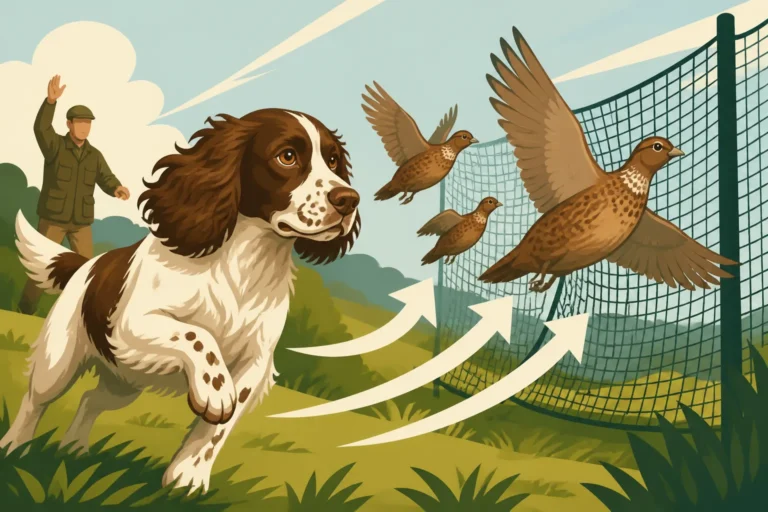
Before the formal recognition we know today, spaniels were broadly categorized by their size and function. The very term "springer" describes their job: to "spring" or flush game into the air for hunters. It wasn't until the early 20th century that the English Kennel Club, in 1902, finally recognized the English Springer Spaniel as a distinct breed, separating it officially from the Cocker Spaniel, which had previously shared litters and bloodlines with smaller spaniels. If you're curious about this fascinating historical shift, you can read more in The 1902 Split That Separated Springer From Cocker. This formal recognition was a pivotal moment, as it meant breeders began to focus on standardizing the look, temperament, and working ability of the Springer Spaniel specifically.
Early Selective Breeding and the Drive for Consistency
In those nascent days, the goal was to produce consistent dogs – consistent in appearance, consistent in their working drive, and consistent in their temperament. Early breeders weren't just breeding for pretty faces; they were seeking dogs that excelled in the field, had boundless energy, and possessed the biddable nature that makes Springers such wonderful partners. This intense focus on specific traits naturally led to a more concentrated breeding pool. When a dog proved exceptional, both in its abilities and in its offspring, it would be heavily utilized in breeding programs. This wasn't necessarily a sinister plot to narrow the gene pool, but rather a practical, results-driven approach to solidify the emerging breed.
Think about it like this: if you had a dog that consistently produced puppies with excellent noses, a strong retrieve, and no shyness around gunfire, you'd want to use that dog again and again. These successful individuals became the foundation upon which entire lines were built, shaping the breed's characteristics for generations to come.
The Power of Foundational Sires and Dams
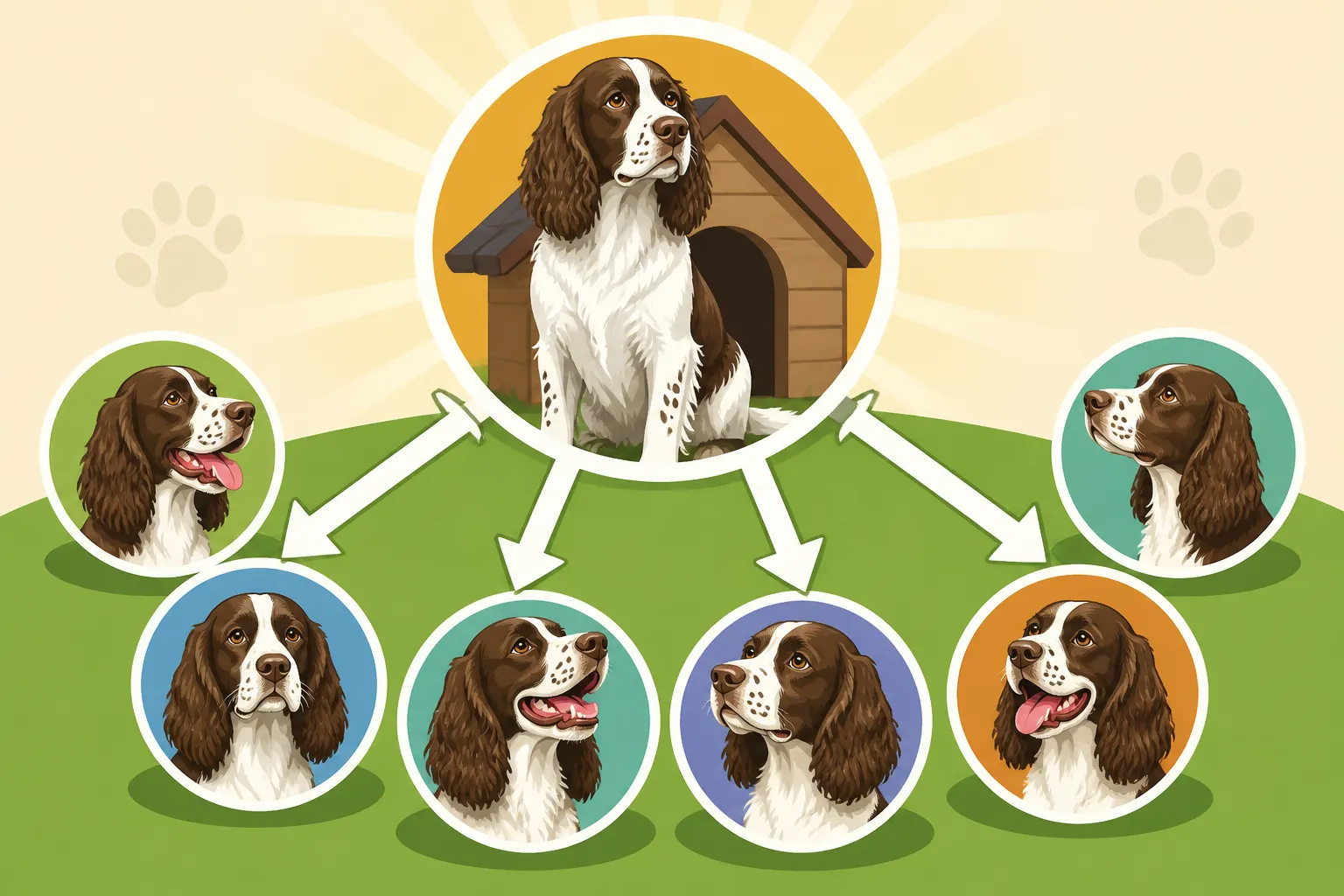
As the breed gained traction, certain individual dogs, often referred to as "foundational sires" or "pillar dogs," emerged as incredibly influential. These were the superstar ancestors whose genes flowed through an enormous percentage of the breed. Imagine a dog winning top honors in the show ring or dominating field trials, demonstrating precisely what a Springer Spaniel should be. Such a dog would be in high demand as a stud, and his daughters, if they also proved excellent, would be sought after for breeding.
One commonly cited foundational sire in the English Springer Spaniel world, particularly in field lines, is "F.T. Ch. Stylish Stag." While specific dates and kennel names might vary across different historical accounts, the principle remains the same: a few outstanding individuals, often from prominent kennels of the era, became the linchpins of the breed's genetic fabric. Their influence was so pervasive that many modern pedigrees, if traced back far enough, will intersect with these key ancestors multiple times. These were the dogs that literally defined the breed for future generations, making them true legends.
Unpacking the Ancestral Web: Tracing Lineages to Common Roots
When you look at a Springer Spaniel's pedigree, especially if you go back several generations, you might be surprised to see certain names pop up repeatedly. This isn't a coincidence; it's a testament to the early breeding practices and the immense influence of a select group of dogs and kennels. Tracing these lineages reveals a dense, interconnected web where many paths lead back to common ancestors.
The Mechanics of Pedigree Tracing and Overrepresentation
Modern dog enthusiasts and breeders often use online databases and historical records to trace their dogs' pedigrees back decades, sometimes even over a century. What they often find is a strong degree of relatedness. When a small number of individuals contribute disproportionately to the gene pool of an entire breed, it's called a "bottleneck" effect or "founder effect." The English Springer Spaniel, like many established breeds, has experienced this.
For example, a respected kennel in the early 1900s might have produced a few exceptional dogs that were then bred extensively. These dogs' offspring, carrying those desirable traits (and sometimes, unfortunately, hidden genetic predispositions), went on to produce their own litters, and so on. Over time, the genes of these early, successful dogs became widespread throughout the breed. This practice helped solidify the breed's appearance and working style, ensuring that a Springer Spaniel born in California today would still strongly resemble one born in England a hundred years ago.
The Double-Edged Sword: Benefits and Risks of Limited Founders
There's a clear upside to this concentrated lineage: it ensured remarkable consistency in the breed. When you envision an English Springer Spaniel, you likely picture a dog with a specific build, a distinctive head, those wonderful long ears, and that trademark merry personality. This consistency is largely thanks to those early foundational dogs and breeders who carefully selected for these traits. It's how the breed developed its predictable characteristics, from its energetic drive to its biddable nature.
However, this tight genetic focus also presents a significant challenge: a reduction in overall genetic diversity. When too many dogs trace back to too few ancestors, the genetic variations within the breed can become limited. This can mean that if those foundational dogs carried a recessive gene for a particular health issue, that gene could inadvertently become widespread throughout the breed before anyone even knew it was a problem. This is a critical point that modern breeders grapple with, as they strive to maintain breed type while simultaneously safeguarding genetic health. You can explore more about how genetic concentration affects breeds in How the Divide Harms the Springer Spaniel.
The Implications for Breed Health and Genetic Diversity Today
The historical reality of many Springer Spaniels tracing back to a limited number of foundational kennels and dogs has profound implications for the breed's health and genetic diversity today. It's a topic that dedicated breeders and breed clubs spend a lot of time discussing, working to balance tradition with the imperative of canine well-being.
The Hidden Costs of a Narrow Gene Pool
While those early breeding decisions helped to establish the classic Springer Spaniel we adore, they also inadvertently laid the groundwork for certain health challenges. A smaller gene pool means less variation, and less variation means that if a particular genetic health issue was present in one of those influential foundational dogs, it could spread widely through the breed without sufficient "new" genetic material to dilute or eliminate it.
We see this played out in a number of breed-specific health concerns. Conditions like Fucosidosis, a devastating neurological disease, or PFK Deficiency, which affects energy metabolism, are classic examples of conditions that gained prevalence because carrier dogs were part of those highly successful, widely bred lines. If you're encountering these terms for the first time, it's worth understanding how serious they can be; for instance, Fucosidosis Kills a Springer Spaniel Within Weeks of the First Sign. This isn't to blame early breeders, who operated without the genetic knowledge we have today, but it highlights the legacy of a concentrated lineage.
| Aspect | Early Breeding Practices (Concentrated Lineage) | Modern Breeding Practices (Focus on Diversity) |
|---|---|---|
| Primary Goal | Standardize type, working ability, and temperament quickly. | Maintain breed type, enhance genetic diversity, eliminate genetic diseases. |
| Selection Criteria | Success in shows/field, visible traits, sound structure. | DNA health testing, hip/elbow scores, eye exams, temperament, structure. |
| Breeding Pool Size | Often narrow, heavily reliant on a few key individuals. | Consciously broadened, seeking unrelated lines where possible. |
| Genetic Risk | Higher risk of widespread recessive genetic diseases if not screened. | Aims to reduce genetic disease prevalence and prevent new ones. |
| Tools Used | Pedigree charts, observation, anecdotal evidence. | DNA tests, OFA/BVA certifications, gonioscopy, genetic databases, experience. |
The Modern Breeder's Toolkit: DNA Testing and Responsible Choices
Today, thanks to advancements in veterinary medicine and genetic science, responsible breeders are much better equipped to navigate these challenges. DNA testing has become a cornerstone of ethical breeding. Instead of just looking at the parents and grandparents, breeders can now screen potential breeding dogs for a host of genetic conditions specific to the Springer Spaniel. This allows them to make informed decisions, ensuring that two carriers of a recessive gene are not bred together, thus preventing affected puppies. Learning about these tests is crucial for any potential owner; a great starting point is The DNA Test That Should Precede Every Springer Spaniel Purchase.
Many breeders rely on reputable laboratories and utilize comprehensive DNA panels. They also register their dogs with organizations like the Orthopedic Foundation for Animals (OFA) for hip and elbow evaluations, and undergo annual eye exams. These practices, combined with careful pedigree analysis, help ensure that the puppies they produce are as healthy and genetically sound as possible. You can often find breeders promoting their commitment to health testing and offering a health guarantee, giving prospective owners peace of mind.
Strategies for Preserving and Enhancing Genetic Health Moving Forward
Understanding the historical foundation of the English Springer Spaniel breed, and how many lines trace back to a limited number of early dogs, is just the first step. The real work lies in what responsible breeders and owners do with that knowledge today. The focus has shifted from simply perpetuating a type to actively enhancing the breed's long-term health and vitality.
The Role of Outcrossing and Careful Line Breeding
One of the primary strategies breeders employ to mitigate the risks of a concentrated gene pool is a thoughtful approach to breeding pairings. While some line breeding (breeding related individuals) can be useful to consolidate desirable traits, truly responsible breeders use it sparingly and always with an eye toward genetic diversity. More importantly, they look for opportunities for "outcrossing," which means breeding to an individual who is less related to their own dogs, introducing fresh genetic material into their lines.
This requires deep research, often extending beyond local kennels or easily accessible stud dogs. Breeders might seek out dogs from different regions or even different continents if those lines offer genetic diversity while still upholding the breed standard for temperament and conformation. It’s a delicate dance, as you don't want to lose the quintessential Springer Spaniel traits, but you also want to ensure a robust genetic future. This ongoing effort is vital for How Healthy the Springer Spaniel Gene Pool Is.
Education and Transparency: Empowering Owners
For prospective Springer Spaniel owners, this historical context underscores the importance of choosing a puppy from a reputable and transparent breeder. A good breeder will be open about their dogs' pedigrees, discuss the health testing they conduct, and explain their breeding philosophy. They won't shy away from questions about potential health concerns within the breed or their specific lines. In fact, they'll welcome them!
This commitment to transparency also extends to providing comprehensive puppy packets and advising new owners on continued care, including proper nutrition and preventative health measures. A knowledgeable breeder might even recommend specific brands of dog food or supplements, perhaps pointing you to trusted retailers like Chewy, where you can easily find high-quality products that support your Springer Spaniel's health from puppyhood through their senior years. This proactive approach helps owners become informed partners in their dog's well-being. This is also why knowing The Health Tests Both Springer Spaniel Parents Should Have is so vital for future owners.
The Continuous Pursuit of Health and Temperament
The journey of the English Springer Spaniel breed is ongoing. While the foundational dogs provided a strong starting point, the work of refining, preserving, and improving the breed continues with each generation. Breed clubs and individual breeders are constantly gathering data, collaborating on research, and striving to make informed decisions that will benefit the breed as a whole. There's a strong The Push to Breed Springer Spaniels for Temperament as well as health, recognizing that a sound mind is just as important as a sound body.
This means that while many Springer Spaniels do trace back to a concentrated group of ancestors, the breed is not stagnant. It’s evolving, guided by conscientious individuals who are dedicated to the breed's future. From supporting genetic research to carefully selecting breeding pairs, the goal is always to produce healthy, happy, and typical Springer Spaniels for families and hunters alike. When you're considering bringing a Springer Spaniel into your life, remember that investing in a puppy from a breeder who prioritizes these things is a crucial step. It also makes you wonder about the overall investment, doesn't it? What a Springer Spaniel Puppy Costs in 2026 reflects, in part, this dedication to health and careful breeding. And when it comes to stocking up for your new pup, finding all their essentials, from their first toys to their special puppy food, is easy on platforms like Chewy, ensuring they get the best start.
Disclaimer
This article is for general informational purposes only and does not constitute professional advice. Laws, prices and regulations vary by location and change over time. Consult a qualified professional for guidance on your specific situation.