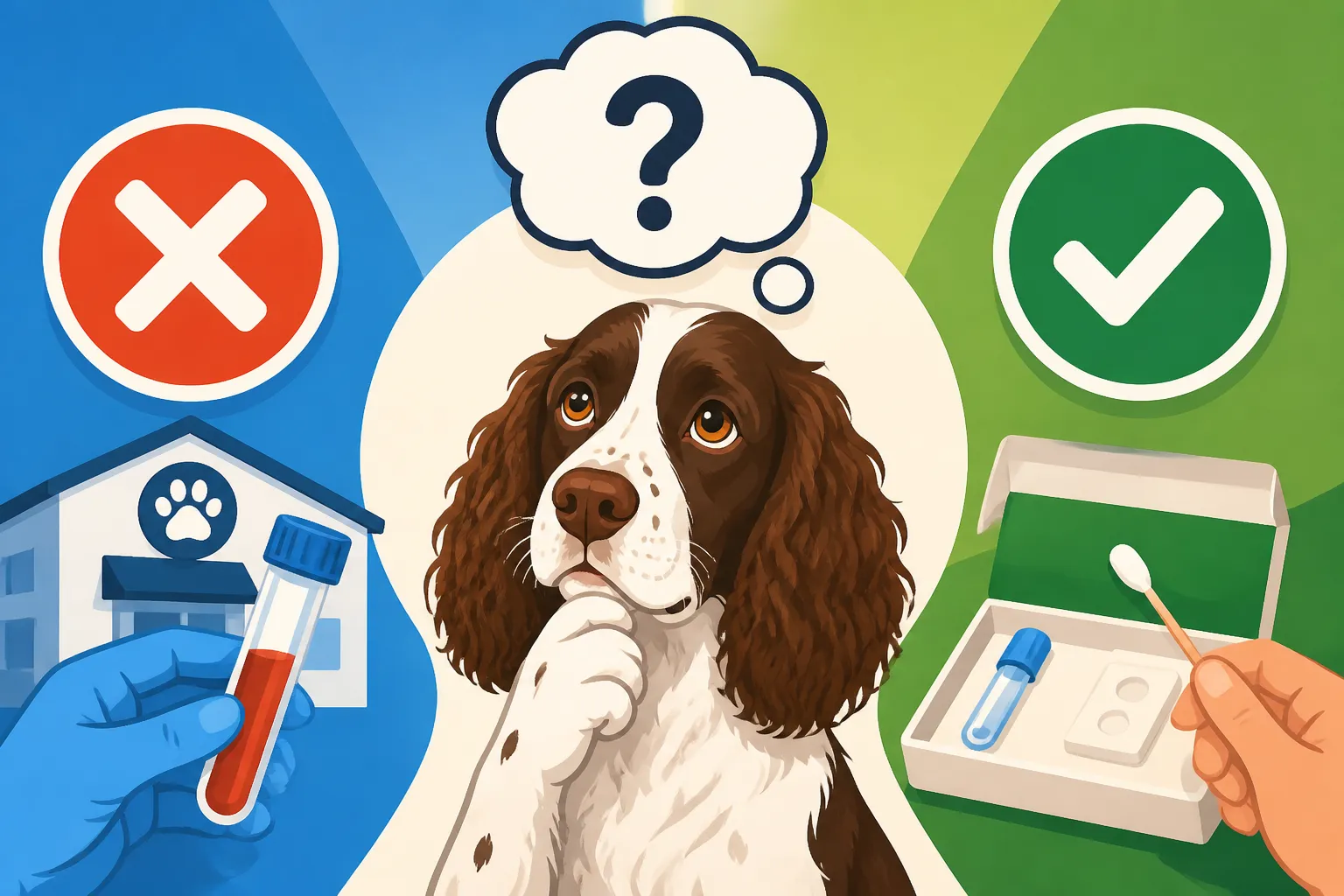
Whether a Springer Spaniel Owner Should Test Their Own Dog
It’s a common question that pops into the mind of many a loving Springer Spaniel owner: "My breeder said my puppy's parents were tested, or I adopted my dog from a rescue with limited history, but should I get my own dog DNA tested?" It’s a completely valid thought, born from a deep desire to ensure your furry family member lives the longest, healthiest, and happiest life possible. This guide is here to walk you through the reasons why an owner might consider health testing their own Springer, what those tests might cover, and what to do with the information you uncover.
Why You Might Even Consider Retesting Your Springer Spaniel
The initial decision to test your Springer Spaniel, even if you believe they come from a "clear" lineage, often stems from a combination of love, caution, and the desire for absolute certainty. There's a lot of information out there, and sometimes, simply relying on a piece of paper from years ago doesn't quite cut it for an anxious owner.
The "Paperwork Says So" Dilemma
Let's be real: when you pick up that adorable, wiggly Springer Spaniel puppy, you're often swept up in the excitement. You might get a binder full of certificates, pedigrees, and health clearances for the parents. And for the vast majority of reputable breeders, these documents are legitimate and a testament to their dedication. They will usually happily show you The Health Tests Both Springer Spaniel Parents Should Have. However, even with the best intentions, questions can linger. Perhaps the paperwork refers to tests done years ago, or maybe the specific conditions tested for don't cover everything you've since learned about the breed.
The truth is, even excellent breeders can miss things, or there might be newer tests available that weren't standard practice when your dog's parents were initially screened. Sometimes, it's just about your own peace of mind. You want to see the results with your dog's name on them. It’s not about distrusting your breeder; it's about taking proactive ownership of your dog's health journey. You're the one who lives with your Springer every day, who knows their quirks and worries about their future, and you want to be as informed as possible.
Unknown Backgrounds and Rescue Dogs
This is where owner-initiated testing becomes not just a "nice to have," but often a crucial step. If your beloved Springer Spaniel came from a rescue organization, a shelter, or if their lineage is simply unknown, then you're starting from a blank slate regarding their genetic health. Many rescue organizations do their best to provide a health check, but comprehensive genetic disease screening is often beyond their immediate resources.
Imagine bringing home a sweet, energetic Springer who quickly becomes the light of your life. As they grow, you might notice subtle things – a slight tremor, an unusual way of moving after exercise, or sudden changes in behavior. Without any genetic history, you’re left guessing. This is a very common scenario, and it can be incredibly stressful. For these dogs, owner testing isn't just about curiosity; it's about uncovering potential ticking time bombs that could significantly impact their quality of life, and yours, down the road. Knowing their genetic predispositions can help you and your veterinarian create a much more targeted and effective health plan. It can literally be life-changing for dogs with conditions that can be managed with early intervention or lifestyle adjustments.
Peace of Mind for the Future
Beyond immediate concerns, the overarching benefit of testing your own Springer Spaniel is the profound sense of peace of mind it can offer. Knowing your dog's genetic status allows you to anticipate potential health challenges, rather than react to them in a crisis. For example, if you know your dog is a carrier for a certain condition, even if they aren't affected themselves, it can inform decisions if you were ever to consider breeding (though most pet owners spay/neuter). More importantly for pet owners, it helps you understand subtle symptoms that might arise later in life.
Think about it: if you know your Springer has a genetic predisposition to an eye condition, you'll be more vigilant about routine eye exams and quicker to address any changes in vision or eye health. This proactive approach can lead to earlier diagnoses and better outcomes. It empowers you as an owner to be an even stronger advocate for your dog's well-being. It helps you understand the bigger picture of The Twelve to Fourteen Years a Springer Spaniel Lives and how to make those years the best they can be.
Understanding the Common Genetic Tests for Springer Spaniels
The English Springer Spaniel, like many purebred dogs, is predisposed to certain genetic conditions. While not every Springer will develop these issues, genetic testing allows you to understand the risk factors.
Fucosidosis
Fucosidosis is a devastating, progressive neurological disease unique to English Springer Spaniels. It’s an inherited lysosomal storage disease, meaning the body can't break down certain complex sugars, leading to their toxic accumulation in various tissues, especially the brain and nervous system. The signs often appear between 18 months and 4 years of age, and once symptoms begin, the disease typically progresses rapidly.
Symptoms can range from changes in behavior and balance to hearing loss and difficulty eating. It's truly heartbreaking to watch a vibrant, intelligent dog slowly lose its coordination and cognitive function. Fucosidosis Kills a Springer Spaniel Within Weeks of the First Sign is a stark reminder of its severity. The good news is there's a reliable DNA test that can identify if a dog is clear, a carrier, or affected. For any Springer Spaniel owner, especially those with unknown lineage, testing for Fucosidosis is paramount. If you found out your dog was a carrier, you could then inform any relatives or potential breeding partners, preventing more affected puppies. Knowing your dog is clear can bring immense relief and rule out a terrifying possibility if neurological symptoms ever arise.
PFK Deficiency
Phosphofructokinase (PFK) Deficiency is another inherited condition that can severely impact an active Springer Spaniel. PFK is an enzyme crucial for converting glucose into energy in red blood cells and muscle cells. When a dog is deficient in this enzyme, their body can't properly fuel itself during strenuous exercise, leading to a range of symptoms often triggered by activity or stress.
Imagine your normally boundless Springer Spaniel, the one who loves to quarter the field for hours, suddenly collapsing after just a short burst of play or a hunt. That’s often the hallmark of PFK Deficiency. Dogs with this condition might show muscle weakness, exercise intolerance, and sometimes even pass dark, cola-colored urine due to the breakdown of red blood cells (hemolysis). PFK Deficiency and the Springer Spaniel That Collapses After Exercise details this alarming symptom. Like Fucosidosis, a simple DNA test can determine your dog's PFK status. If your Springer is affected, it means you need to carefully manage their exercise regimen and avoid overheating or over-excitement to prevent episodes. Knowing this in advance allows you to adapt their lifestyle and provide appropriate care, ensuring they still enjoy life without pushing themselves to a dangerous point.
Eye Conditions and Other Genetic Predispositions
While Fucosidosis and PFK Deficiency are often highlight-reel items for Springer Spaniel DNA panels, other conditions have a genetic component or are highly prevalent in the breed.
- Progressive Retinal Atrophy (PRA): This is a group of degenerative diseases affecting the retina, eventually leading to blindness. While there are different forms, some have specific genetic markers that DNA tests can identify. Knowing if your Springer carries a gene for PRA can help you monitor their vision more closely as they age and prepare for potential vision loss. Progressive Retinal Atrophy in a Springer Spaniel delves deeper into this condition.
- Primary Glaucoma: English Springer Spaniels are unfortunately prone to primary glaucoma, a painful condition that can lead to rapid blindness due to increased pressure within the eye. While a specific DNA test for primary glaucoma isn't as straightforward as for Fucosidosis or PFK, genetic predispositions exist. A separate, physical exam called a gonioscopy is crucial for assessing the drainage angles of the eye. Nevertheless, some broader health panels might include markers related to ocular health. Primary Glaucoma and the Springer Spaniel That Loses an Eye is a must-read for Springer owners.
- Hip and Elbow Dysplasia: These are developmental conditions where the hip or elbow joints don't form correctly, leading to arthritis and pain. While environmental factors play a role, there's a strong genetic component. DNA tests don't directly diagnose dysplasia (that requires X-rays and OFA or PennHIP evaluations), but some genetic panels might include markers associated with joint health or risk factors, providing a piece of the puzzle. Hip Dysplasia in a Springer Spaniel is an important topic for active Springer owners.
Here's a quick overview of some common conditions and how DNA tests fit in:
| Condition | Type of Test | Purpose of Test | Owner Benefit |
|---|---|---|---|
| Fucosidosis | DNA (cheek swab/blood) | Identifies affected, carrier, or clear status | Peace of mind, early awareness, responsible breeding (if applicable) |
| PFK Deficiency | DNA (cheek swab/blood) | Identifies affected, carrier, or clear status | Guides exercise management, dietary needs, prevents crisis |
| Progressive Retinal Atrophy (PRA) | DNA (cheek swab/blood) | Identifies specific genetic mutations for some forms | Proactive eye monitoring, planning for potential blindness |
| Primary Glaucoma | Ophthalmic Exam (Gonioscopy) | Assesses eye drainage angles for risk | Crucial for risk assessment; DNA tests may offer supplementary genetic markers, but aren't primary diagnostic |
| Hip/Elbow Dysplasia | X-ray (OFA/PennHIP) | Evaluates joint structure for soundness | DNA tests may indicate genetic risk factors, aiding in early management and preventive care |
The Practicalities of Owner-Initiated DNA Testing
So, you've decided that testing your Springer Spaniel is the right step for you. What does that actually involve? It's much simpler than you might think these days.
Choosing a Reputable Testing Lab
The first step is selecting a laboratory. There are several highly reputable commercial genetic testing companies that offer breed-specific panels for English Springer Spaniels. When choosing, look for labs that:
- Are widely recognized and trusted by veterinary professionals and breeders.
- Offer comprehensive panels that include the critical diseases for Springer Spaniels (Fucosidosis, PFK, common PRA variants).
- Provide clear, understandable results and ideally, genetic counseling or veterinary consultation if needed.
- Have a strong track record for accuracy.
Some popular choices include Embark, which offers a very comprehensive panel, and Optimal Selection (GenSol Diagnostics). Many owners find these accessible, and they often offer kits that can be ordered directly, sometimes even through pet supply retailers like Chewy. Take a moment to compare their offerings; some might focus more on pure breed identification, while others excel in health screening. You want the latter.
The Testing Process
Once you've chosen a lab, the process is usually straightforward:
- Order Your Kit: You'll typically order the kit online, and it will be mailed directly to your home.
- Collect the Sample: Most kits involve a simple cheek swab. The instructions will guide you, but it usually entails rubbing a sterile swab vigorously against the inside of your dog's cheek for a specified amount of time. It’s painless and quick, and your dog probably won’t even mind. Make sure to follow the instructions carefully to avoid contamination and ensure enough cellular material is collected.
- Mail It In: You'll then package the swab according to the lab's instructions and mail it back in the provided return envelope.
- Await Results: This is often the hardest part – the waiting! Turnaround times can vary, but generally, you can expect results within a few weeks to a couple of months, depending on the lab and the comprehensiveness of the panel. You'll typically receive an email notification when your results are ready to view online.
It's a surprisingly easy process, and the peace of mind you gain at the end makes it incredibly worthwhile.
Interpreting the Results
Once those eagerly awaited results arrive, it’s natural to feel a mix of excitement and apprehension. The reports are usually quite detailed but will break down your dog's status for each condition into one of three main categories:
- Clear (or Normal): This is the best news! It means your Springer Spaniel does not carry the gene mutation for that specific disease and therefore will not be affected by it. It also means they cannot pass that particular mutation on to any offspring.
- Carrier: This means your Springer Spaniel carries one copy of the gene mutation for the disease. For most recessive genetic diseases (like Fucosidosis and PFK Deficiency), a carrier dog will not develop the disease themselves, as they have one normal copy of the gene. However, they can pass that gene on to 50% of their offspring. This information is crucial for breeders, as breeding two carriers together would result in 25% of the puppies being affected. For a pet owner, it means your dog is healthy regarding that specific condition, but it highlights the importance of genetic testing in breeding programs to avoid producing affected puppies.
- Affected (or At Risk): This means your Springer Spaniel has two copies of the gene mutation (for recessive diseases) and therefore will develop the disease, or is at very high risk of developing it. This result, while difficult to receive, is incredibly important. It allows you and your veterinarian to take immediate, proactive steps to manage the condition, plan for its progression, and potentially improve your dog's quality of life through early intervention or specialized care.
It's always a good idea to discuss any "Carrier" or "Affected" results with your veterinarian. They can help you understand the implications fully and develop a tailored health plan for your Springer. For instance, if your dog is affected by PFK deficiency, your vet can advise on managing their exercise and diet, perhaps even recommending specific performance foods if they are active, or a carefully balanced diet from a brand like Ollie for overall health.
The Cost vs. Benefit: Is It Worth It for Every Owner?
Deciding whether to spend money on genetic testing for your Springer Spaniel ultimately comes down to weighing the financial outlay against the invaluable benefits of knowledge and peace of mind.
Financial Outlay
Let's address the elephant in the room: cost. Genetic testing isn't usually cheap, but it's also not an exorbitant luxury. The cost for a comprehensive breed-specific DNA panel can vary widely depending on the lab and the number of conditions tested. Generally, you can expect the cost to be a few hundred dollars. This might seem like a significant upfront expense, especially when you consider the ongoing costs of food, vet visits, and gear for your active Springer.
However, consider this: what could the cost be if you don't test? Treating a chronic genetic condition that could have been managed or prepared for might involve expensive specialist vet visits, medications, and potentially emergency care. For example, if your Springer experiences a severe PFK episode, the vet bills for diagnosis and treatment could quickly escalate beyond the cost of a DNA test. While insurance providers like Healthy Paws are fantastic for unexpected illnesses and accidents, having foresight from genetic testing can help you prevent some of those crises or manage them more effectively.
Emotional and Health Benefits
The financial cost pales in comparison to the emotional and health benefits you gain. Knowing your dog's genetic predispositions empowers you to be the best possible guardian for them.
- Peace of Mind: This is often the biggest takeaway. Ruling out devastating diseases like Fucosidosis can lift a huge weight off your shoulders. Knowing your dog is clear lets you enjoy their boundless energy and affection without that nagging "what if."
- Proactive Care: If your dog is identified as a carrier or affected, you can implement proactive measures. For a PFK-affected dog, this means carefully calibrated exercise to prevent crises. For a dog prone to PRA, it means more frequent eye checks and potentially supplementing their diet with vision-supporting nutrients. This kind of preventative or early intervention care can significantly improve their quality of life and potentially extend it.
- Informed Decisions: This knowledge allows you to make informed decisions about everything from their diet (perhaps a specialized food from Chewy or Ollie that supports joint health if there's a predisposition to dysplasia) to their exercise routine, and even their general environment. It helps you understand why your otherwise healthy Springer might be showing certain subtle behaviors or physical responses.
Impact on Breeding Decisions
Even if you have no intention of breeding your Springer Spaniel, understanding their carrier status for certain conditions is part of being a responsible owner. It adds valuable data to the overall breed health picture. If, by some chance, your dog was an untested champion working dog and you needed to collect sperm for future lineage, or if you simply have relatives with Springers, knowing your dog's genetic status contributes to the collective effort to breed healthier dogs. It shows why The DNA Test That Should Precede Every Springer Spaniel Purchase is so vital at the breeder level. Your personal test results can become a small but meaningful piece of the puzzle in improving the breed's genetic health.
Ultimately, testing your own Springer Spaniel is an investment in their future health and your peace of mind. It’s about being informed, prepared, and proactive, allowing you to provide the most tailored and loving care for your adventurous companion.
Disclaimer
This article is for general informational purposes only and does not constitute professional advice. Laws, prices and regulations vary by location and change over time. Consult a qualified professional for guidance on your specific situation.