Whether PFK Deficiency Was First Described in Springer Spaniels
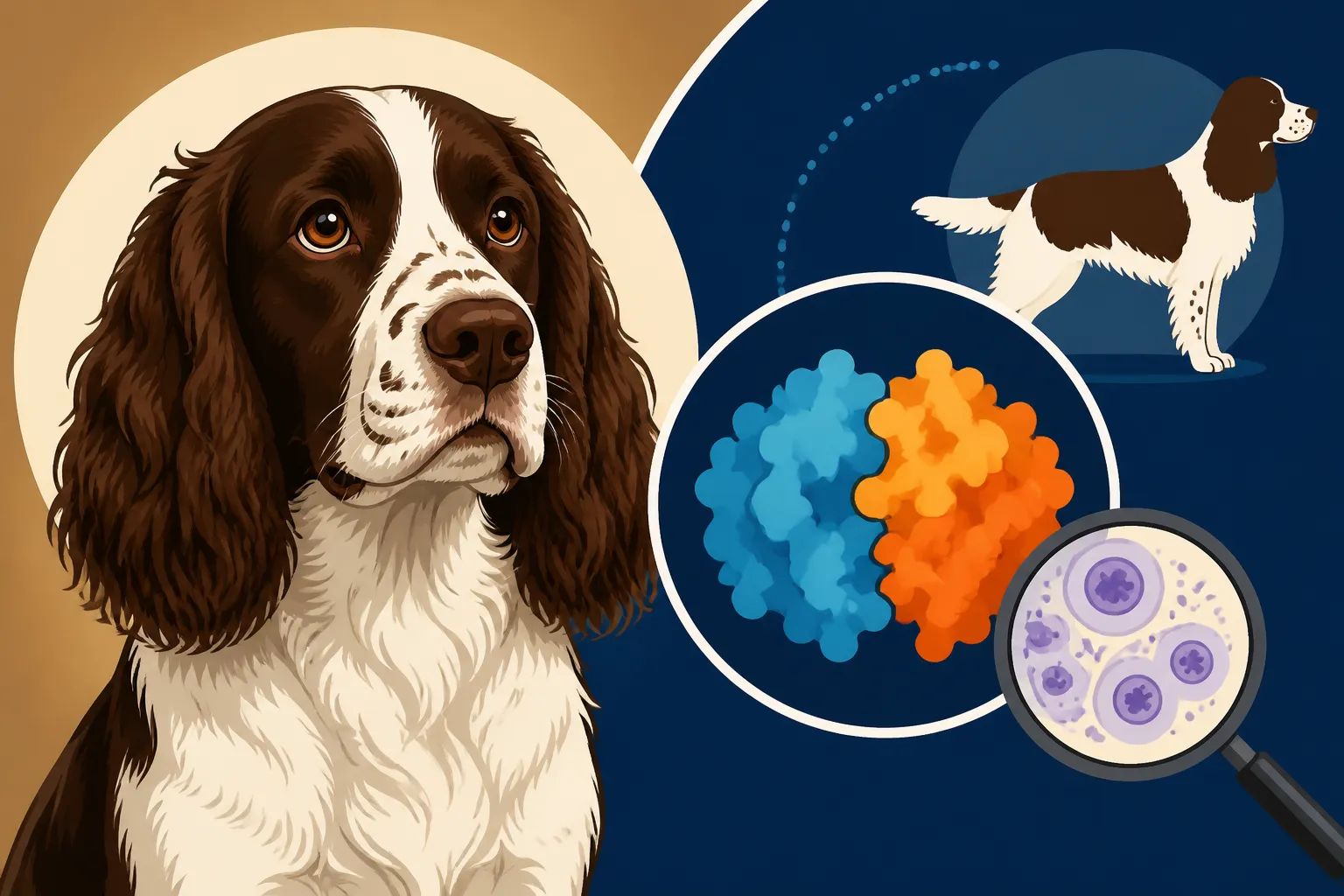
There’s nothing quite as alarming as seeing your energetic, tail-wagging English Springer Spaniel suddenly falter, maybe even collapse, after what seemed like a normal romp. Your heart sinks as you try to figure out what just happened to your usually robust companion. Many owners face this exact scenario, often leading to a challenging journey to diagnose a condition called Phosphofructokinase (PFK) deficiency. This comprehensive guide aims to shed light on this specific metabolic disorder, confirming that, yes, it was indeed first identified and characterized in English Springer Spaniels, making our beloved breed a cornerstone in the understanding of this genetic illness.
The Groundbreaking Discovery of PFK Deficiency in Springer Spaniels
It’s true, English Springer Spaniels hold a significant, albeit unfortunate, place in the history of veterinary medicine when it comes to PFK deficiency. Before it was recognized in our breed, the genetic underpinnings of this specific metabolic disorder weren't fully understood in canines. The journey to its discovery is a testament to dedicated researchers and observant owners who noticed something was amiss with their active dogs.
A Legacy of Canine Health Research
The story of PFK deficiency’s identification in dogs often traces back to the 1980s, primarily through research conducted at institutions like the University of Pennsylvania's School of Veterinary Medicine. Dr. Urs Giger and his team were pivotal in characterizing this inherited metabolic disease. They encountered English Springer Spaniels presenting with very specific symptoms: exercise intolerance, muscle cramping, and dark urine after physical exertion. These weren't isolated incidents; there was a pattern emerging within the breed. It was through meticulous clinical observation, biochemical analysis, and later, genetic studies that the link was firmly established. The initial cases provided the crucial clues needed to understand that these dogs weren't just "out of shape" or having isolated incidents, but were suffering from a distinct, inherited condition unique to their metabolism.
Without the specific clinical presentation in Springer Spaniels, and the dedicated scientific inquiry that followed, our understanding of PFK deficiency in dogs might have taken a much longer, more circuitous route. It was the specific symptoms observed in these dogs, and the commitment to finding answers, that led to the initial breakthrough. This discovery not only helped Springer Spaniels but also laid groundwork for understanding similar metabolic issues in other breeds and even humans.
Unraveling the Genetic Basis
Once the clinical syndrome was recognized, the next critical step was to pinpoint the exact cause. Researchers determined that the problem stemmed from a deficiency in the enzyme phosphofructokinase, which is vital for glucose metabolism, particularly in red blood cells and muscle tissue. The genetic studies then identified the specific mutation responsible for this deficiency in English Springer Spaniels. It was found to be an autosomal recessive trait, meaning a dog must inherit a copy of the defective gene from both parents to be affected by the disease. Dogs inheriting only one copy are carriers; they don't show symptoms but can pass the gene on to their offspring.
This genetic revelation transformed how breeders could approach managing the health of their lines. Prior to this, affected puppies would simply emerge from seemingly healthy parents, leaving breeders baffled and heartbroken. The identification of the specific gene mutation allowed for the development of DNA tests. These tests became an invaluable tool, empowering breeders to screen their breeding stock and make informed decisions to avoid producing affected puppies. It underscored the importance of The DNA Test That Should Precede Every Springer Spaniel Purchase and how specific genetic health panels are developed. For owners, understanding this genetic basis helps explain why their otherwise robust Springer Spaniel might be struggling with conditions like What PFK Deficiency Does to a Springer Spaniel and gives them clear pathways for diagnosis and management.
Understanding PFK Deficiency: More Than Just a "Collapse"
While the sudden collapse after exercise is often the most dramatic and alarming symptom, PFK deficiency in English Springer Spaniels manifests in a variety of ways that collectively paint a picture of compromised metabolic function. It's a condition that affects how the body converts glucose into energy, specifically impacting red blood cells and muscle cells, leading to a cascade of issues.
The Biochemistry Behind the Breakdown
At its heart, PFK deficiency is a metabolic disorder. Phosphofructokinase (PFK) is a crucial enzyme in glycolysis, the metabolic pathway that breaks down glucose to produce energy (ATP). Think of it like a key player in converting sugar into the fuel your dog's muscles and red blood cells need to function properly. When PFK is deficient, this energy production process is severely hampered. In red blood cells, this leads to premature destruction, a condition known as hemolytic anemia. This means your dog isn't getting enough oxygen-carrying red blood cells circulating effectively, causing weakness and fatigue.
In muscle cells, the lack of sufficient PFK means muscles can't properly metabolize glucose to sustain prolonged activity. When a PFK-deficient Springer Spaniel exercises, their muscles quickly deplete available energy stores and can't replenish them efficiently. This leads to a rapid build-up of metabolic byproducts, causing muscle cramps, pain, and eventually, the classic collapse. It's a fundamental breakdown in the body's energy factory, making even moderate exertion a significant challenge. Owners often report seeing their dogs struggle with What Triggers a PFK Episode in a Springer Spaniel, noting how excitement or even a short burst of activity can bring on symptoms.
Recognizing the Signs in Your Springer
The symptoms of PFK deficiency in English Springer Spaniels can vary in severity, but they often become apparent when the dog is between a few months and a few years old, typically once they start engaging in more strenuous physical activity. The most common signs include exercise intolerance, where the dog tires quickly, lags behind, or completely collapses after even short periods of exertion. This isn't just a normal "tired dog"; it's a dramatic inability to sustain activity. You might notice muscle weakness or stiffness, and some dogs will experience muscle tremors or cramping during or after an episode.
Another hallmark symptom is dark, reddish-brown urine, which is a sign of hemoglobinuria. This happens because the fragile red blood cells break down, releasing hemoglobin into the bloodstream, which is then filtered by the kidneys and excreted in the urine. This is a clear indicator of the hemolytic anemia component of the disease, and a tell-tale sign that your dog is experiencing Why a PFK Springer Spaniel Passes Dark Urine. Other signs can include pale gums (due to anemia), jaundice (yellowish tinge to skin or eyes), and an increased heart rate or respiratory rate as the body tries to compensate for the lack of oxygen. If you notice any of these symptoms, especially the combination of exercise intolerance and dark urine, it's crucial to consult your veterinarian immediately. Early diagnosis and management can significantly improve your dog's quality of life. Veterinary care for such conditions can add up, making pet insurance providers like Healthy Paws a wise consideration for many Springer Spaniel owners. They can help cover unexpected costs associated with diagnosing and managing chronic conditions like PFK deficiency.
Managing and Preventing PFK Deficiency in Springer Spaniels
Living with a PFK-deficient Springer Spaniel, or preventing it in future generations, requires a proactive and informed approach. The good news is that thanks to the early research initiated by the discovery in our breed, we now have the tools to both manage affected dogs and work towards eradicating the condition from breeding lines.
The Role of Genetic Testing
Genetic testing is absolutely paramount in preventing the spread of PFK deficiency. Since it’s an autosomal recessive condition, responsible breeders now routinely screen their breeding dogs to identify carriers. Labs like Embark and the Orthopedic Foundation for Animals (OFA) offer comprehensive DNA panels that include testing for PFK deficiency, which is a standard recommendation for English Springer Spaniels. This test accurately identifies whether a dog is clear, a carrier, or affected.
For breeders, this means making informed decisions: two carriers should never be bred together, as this carries a 25% risk of producing affected puppies. Carriers themselves do not typically show symptoms, so they can still live full, healthy lives, but their genetic status is vital for breeding programs. If you're considering purchasing a Springer Spaniel puppy, always ask to see the PFK test results for both parents. A reputable breeder will be transparent and willingly provide these documents. This vigilance helps ensure that fewer puppies will suffer from this debilitating condition and contributes to the long-term health of the breed, supporting the advice given in The Health Tests Both Springer Spaniel Parents Should Have.
Living with an Affected Springer
If your English Springer Spaniel is diagnosed with PFK deficiency, it's certainly a difficult reality, but it doesn't mean a life devoid of joy. Managing the condition focuses primarily on careful exercise management and supportive care. The most critical step is to strictly limit strenuous activity. This often means foregoing long retrieves, intense agility training, or extended runs. Instead, opt for shorter, controlled walks and mental stimulation. Understanding Managing a Springer Spaniel With PFK Deficiency means recognizing their limits and preventing episodes.
Dietary management can also play a role; some veterinarians recommend a low-carbohydrate, high-fat diet to provide alternative energy sources for muscle metabolism, reducing the reliance on glucose. Avoiding stress and extreme temperatures, especially heat, can also help, as these factors can exacerbate symptoms. Regular veterinary check-ups are crucial to monitor their red blood cell count and overall health. While there's no cure for PFK deficiency, with diligent care and a loving environment, many affected Springer Spaniels can still enjoy a good quality of life. The commitment to their well-being is vital, and having comprehensive pet insurance, like a plan from Healthy Paws, can be an incredible resource, helping to ease the financial burden of managing ongoing conditions and specialized care for your beloved companion throughout their life.
Understanding PFK Deficiency in Springer Spaniels
To give you a clearer picture of PFK deficiency, here's a quick overview of its key aspects:
| Aspect | Description |
|---|---|
| First Described In | English Springer Spaniels (in the 1980s by Dr. Urs Giger and team), making it a significant breed in canine genetic health research. |
| Genetic Inheritance | Autosomal recessive. Both parents must be carriers or affected to produce affected offspring. Carriers (one copy of the gene) are usually asymptomatic but can pass the gene to their puppies. |
| Affected Genes | A specific mutation in the PFKM gene. |
| Primary Impact | Deficiency of the phosphofructokinase enzyme, impairing glucose metabolism in red blood cells and muscle tissue. |
| Key Symptoms | Exercise intolerance, muscle cramping, weakness, collapse, dark reddish-brown urine (hemoglobinuria), pale gums, jaundice. Symptoms typically appear in young adult dogs (6 months to 2 years). |
| Triggers | Strenuous exercise, excitement, stress, heat. Even moderate activity can trigger an episode. |
| Diagnosis | Genetic DNA test (from cheek swab or blood sample) is definitive. Blood tests may show anemia and elevated bilirubin during an episode. |
| Prognosis | No cure. Management focuses on preventing episodes through exercise restriction and supportive care. Lifespan can be variable; some dogs live full lives with careful management, while others may have more severe disease. See Whether a PFK Springer Spaniel Lives a Normal Span for more detail. |
| Prevention | Mandatory genetic screening of all breeding stock (English Springer Spaniels) to ensure carriers are not bred together. |
| Treatment | Symptomatic and supportive. Blood transfusions for severe anemia, corticosteroids, careful monitoring, and strict exercise limitation. Some vets may recommend dietary modifications. |
Knowing this information can help you understand the severity and manageability of this condition, and it really underscores why genetic testing is so important for English Springer Spaniels.
Disclaimer
This article is intended for informational purposes only and does not constitute veterinary advice. Always consult with a qualified veterinarian for any health concerns or before making any decisions about your pet's health or treatment.