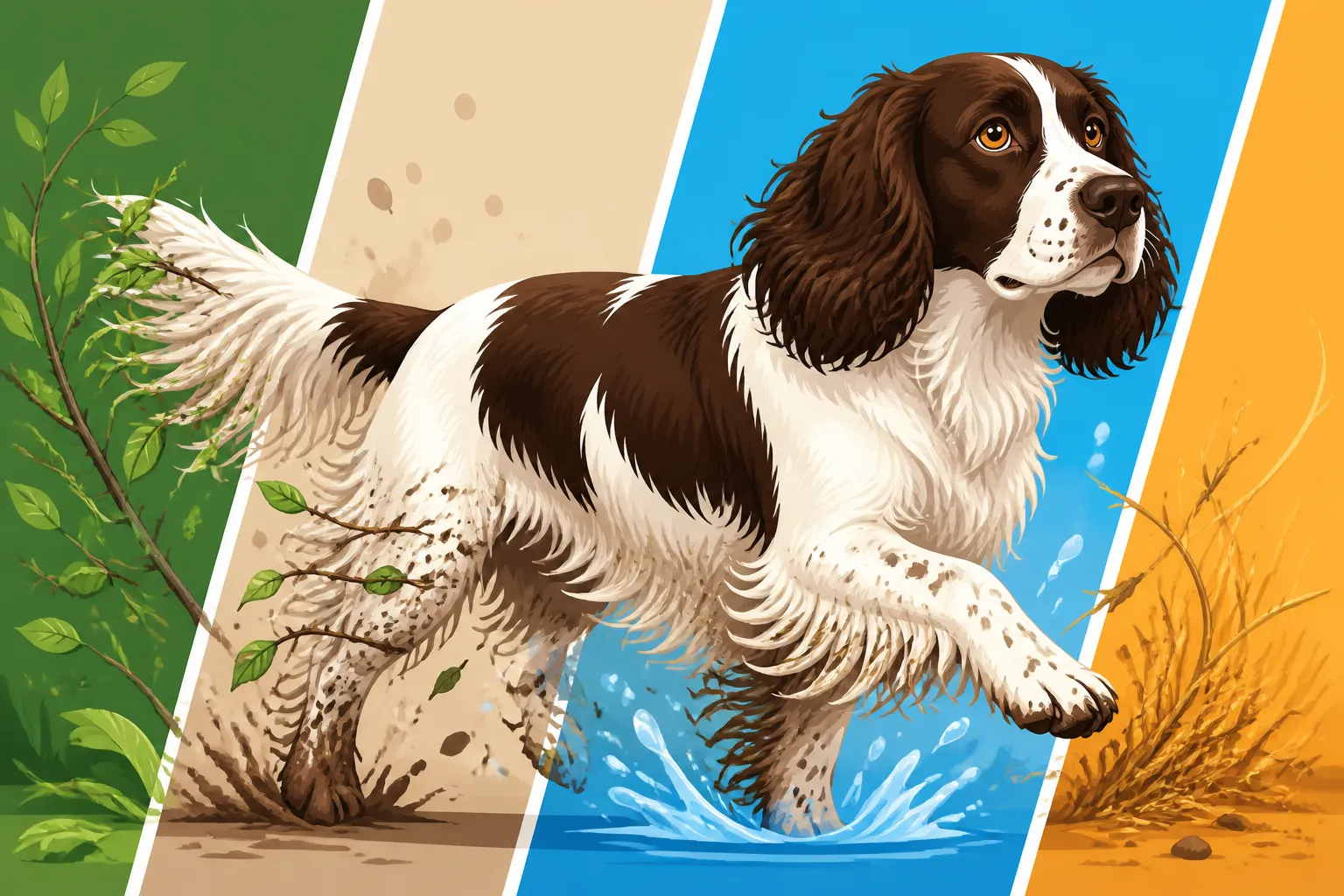
The Feathering a Show Springer Spaniel Drags Through Everything
If you've ever admired the regal, flowing coat of a show-bred English Springer Spaniel, you know there's a certain elegance to that luxurious feathering. But for those of us who live with these beautiful dogs, that elegance comes with a very real, very messy daily challenge: it truly does drag through everything. This guide is dedicated to helping you navigate the glorious, frustrating, and often muddy reality of managing a show Springer's signature coat, offering practical advice and solutions to keep your beloved companion comfortable and looking their best.
Understanding the Show Springer Spaniel's Coat
The English Springer Spaniel is known for its beautiful coat, but there's a significant difference between the working (field-bred) and the show-bred varieties. While both are undeniably Springers, their coats have evolved for different purposes, leading to vastly different grooming requirements and daily care routines. The show coat, with its ample feathering, is a hallmark of the breed's aesthetic standard, but it also presents a unique set of challenges.
What Defines Show Feathering?
When we talk about "feathering" on a show Springer, we're referring to the longer, silky hair that grows on specific parts of the dog's body. This includes the ears, chest, abdomen, and, most prominently, the backs of the legs and tail. The feathering isn't just long; it's typically soft, dense, and has a distinct wave or gentle curl, contributing to the breed's distinctive silhouette in the show ring. It's meant to be eye-catching, creating an impression of grace and substance, and breeders meticulously select for these traits to meet breed standards.
Beyond the feathering, the main body coat of a show Springer is generally moderate in length, dense, and lies flat, providing protection. However, it’s the long, flowing feathering that truly sets the show type apart, requiring specialized care to maintain its pristine condition. This beautiful growth, while admired, can quickly become a magnet for anything and everything your dog encounters in their environment, from mud and burrs to spilled dinner.
The Difference from a Field Coat
Contrast this with the field-bred Springer Spaniel, whose coat is designed for practicality and resilience in demanding working conditions. A field Springer typically has a shorter, coarser, and less abundant coat, with minimal feathering on the legs and belly, and often a shorter tail. This more utilitarian coat is bred to shed water, repel burrs, and withstand the rigors of crashing through heavy cover in pursuit of game. It's built for function, not fancy.
The distinction isn't just visual; it dictates the entire grooming regimen. A field Springer might get a quick brush-down after a hunt and be good to go, but a show Springer’s coat demands a much more intensive, regular commitment. Owners of show Springers quickly learn that their dog's magnificent feathering, while stunning, is a full-time job to keep clean and mat-free, especially if their dog enjoys typical Springer activities like running through fields or splashing in puddles.
Why the Breed Standard Favors This Coat
The breed standard for English Springer Spaniels, set by kennel clubs, emphasizes certain physical traits, and the show coat's abundant feathering is one of them. This aesthetic preference has been developed over decades, reflecting what judges and enthusiasts consider the ideal appearance for the breed. The flowing lines and elegant presentation are integral to the image of the show Springer Spaniel.
This emphasis on specific coat characteristics means that breeders of show lines strive to produce puppies with the genetic predisposition for this lush feathering. While historically all Springers needed a functional coat for hunting, the divergence into distinct show and field lines has led to dogs whose primary purpose (either conformation showing or working in the field) heavily influences their physical attributes, including their coat. This is why a beautifully presented show Springer often requires professional grooming and constant at-home maintenance to meet the expectations of the show ring, a commitment that many pet owners underestimate until they're knee-deep in mud and tangles. Two Breeds Registered as One: the Field and Show Springer Spaniel further explores this fascinating divergence.
The Daily Reality of Feathering
Living with a show Springer Spaniel, particularly one with magnificent feathering, is a beautiful experience, but it also means embracing a certain level of daily chaos. That long, silky hair, so admired in the ring, becomes a highly efficient broom for your home and a magnet for every bit of nature outside. It’s a constant dance between admiring their beauty and managing the practicalities.
Mud, Water, and Everything Else It Collects
Ah, the joys of a Springer Spaniel. They love to run, they love to splash, and they particularly love to plunge their glorious, feathered bodies into anything wet and muddy. This isn't just about a bit of dirt; it's about the sheer volume of detritus that can become embedded in those long, delicate strands of hair. Think about a rainy day walk: your dog comes back, and their once-pristine feathering on their legs and belly is now a thick, heavy curtain of mud. It's not just mud, though. Puddles, dew-soaked grass, fallen leaves, even yesterday's breakfast crumbs can all find a temporary home within that expansive feathering.
The problem isn't just the visible grime. Moisture trapped in the feathering against the skin can lead to skin irritation, especially in warmer weather or if the coat isn't dried properly. You might find yourself setting up a "mud room" station just inside your door, complete with towels and a spray hose, because simply letting them shake it off is never an option. The amount of extra cleaning around the house, from floors to furniture, ramps up considerably when you have a show Springer who lives life to the fullest.
The Constant Battle Against Tangles
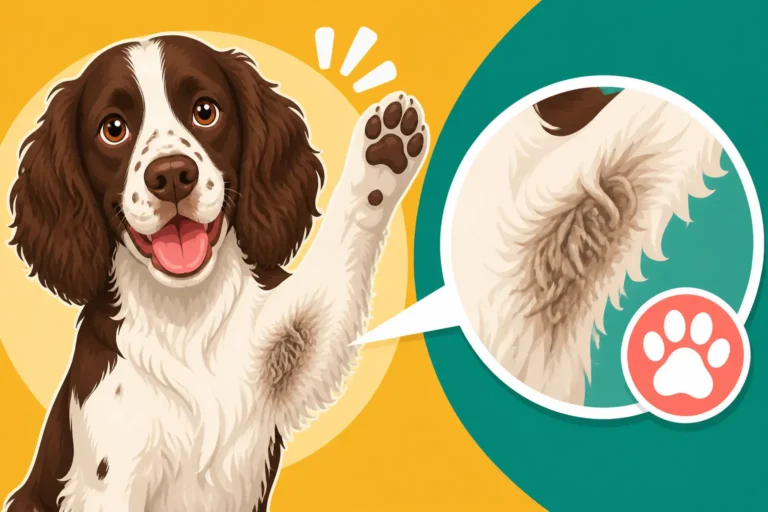
Feathering, by its very nature, is prone to tangling and matting. The longer and finer the hair, the more likely it is to knot up. Every time your Springer runs through bushes, rolls on the carpet, or even just scratches an itch, there's a risk of new tangles forming. These aren't just minor knots; they can quickly escalate into tight, painful mats that pull on the skin and cause discomfort. The areas most affected are typically behind the ears, in the armpits, on the inside of the thighs, and, of course, the long fringes on the legs and belly.
It's a daily ritual for many show Springer owners to run a comb through these areas, meticulously working out any nascent tangles. Skipping even one day can make the task significantly harder, turning a five-minute comb-through into a frustrating half-hour de-matting session. Imagine trying to untangle a stubborn knot in your own long hair, but multiply that by a factor of ten, and add a wiggly, impatient dog who just wants to play. It's a test of patience, and a constant reminder that regular, proactive grooming is non-negotiable.
Impact on Household Cleanliness
Let's be realistic: a dog with extensive feathering brings a lot more into your home than just love and slobbery kisses. Their coat acts like a mobile dust mop, collecting everything from stray crumbs under the kitchen table to dust bunnies under the sofa, not to mention anything they might pick up on a walk. Leaves, small twigs, grass seeds – it all hitches a ride on that beautiful feathering, only to be deposited throughout your house.
Beyond the outdoor debris, the shedding can be quite substantial. While Springers aren't known for being extreme shedders, their longer hair means that when it does shed, it's more noticeable. You'll find hair everywhere: on your clothes, the furniture, woven into carpets. Investing in a good vacuum cleaner becomes less of a luxury and more of a necessity. For many, a dedicated lint roller and pet hair removal tools become permanent fixtures in their home, and a quick sweep or vacuum before company arrives is often necessary. This is just part of the bargain when you share your life with a dog whose coat is as magnificent as a show Springer's.
Grooming Essentials for Show Feathering
Maintaining a show Springer Spaniel's feathering isn't just about aesthetics; it's crucial for their health and comfort. Regular, thorough grooming prevents painful mats, skin issues, and keeps their coat in top condition. Having the right tools makes all the difference, turning what could be a chore into a bonding experience.
Brushes and Combs You Can't Live Without
When it comes to tackling that lush feathering, not just any brush will do. You'll need an arsenal of specific tools to effectively manage the different textures and lengths of hair. A good quality slicker brush is essential for removing loose hair and small tangles from the main body coat and the longer feathering. Look for one with coated tips to prevent scratching your dog's skin.
However, the real work on feathering requires a few more specialized items. A metal comb with both wide and narrow teeth is indispensable. The wide-toothed side is perfect for gently working through the initial layers of feathering and tackling larger tangles, while the narrow-toothed side helps to smooth and finish, ensuring no small knots are missed. Another fantastic tool is a pin brush, which is great for the longer, more delicate feathering, as it glides through without snagging. For stubborn mats that are starting to form, a de-matting comb or rake can be a lifesaver, but always use these with extreme caution to avoid pulling hair or hurting your dog. Which Brush Suits a Springer Spaniel delves deeper into brush types.
Shampoos and Conditioners for Long Coats
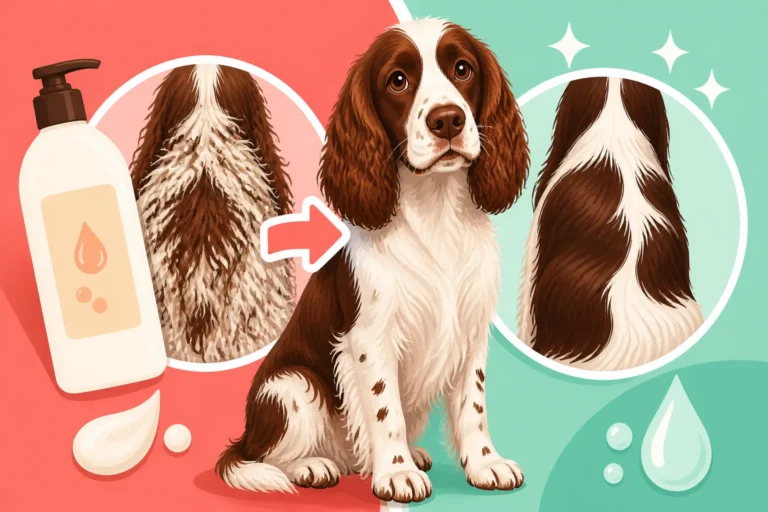
Choosing the right bathing products is just as important as your brushing tools. For a show Springer's feathering, you want shampoos and conditioners that cleanse thoroughly without stripping the natural oils, and most importantly, help prevent tangles. Look for formulas specifically designed for long-haired breeds or those that promote de-shedding and de-tangling. Many brands, including those found on Chewy or Amazon, offer excellent options for canine coats.
When shampooing, focus on gently massaging the product into the coat, ensuring you reach the skin, especially in areas prone to mats and odor. Rinse thoroughly, as any residue can irritate the skin or make the coat feel sticky and prone to attracting more dirt. Following up with a good conditioner is non-negotiable for feathering. It helps to smooth the hair cuticles, making the coat silkier, less prone to tangling, and easier to comb through when wet. Work the conditioner through the feathering, leave it for a few minutes, and then rinse completely. This step alone can drastically reduce future matting.
Tools for Trimming and Tidy-Ups
While show Springers are admired for their long feathering, strategic trimming is crucial for both hygiene and maintaining a tidy appearance, even if you’re not heading to the show ring. This isn't about shaving, which can ruin the coat texture, but rather about neatening and maintaining. Sharp grooming shears are vital for trimming the hair on the pads of the feet, around the hocks, and for tidying up the length of the feathering on the legs and belly.
Thinning shears are another indispensable tool. They allow you to thin out dense areas of feathering, such as behind the ears or on the chest, without creating harsh lines or visibly shortening the coat. This reduces bulk, which in turn minimizes matting and improves air circulation to the skin. You'll also use them to create a neat, natural-looking outline on the feathering of the legs. Remember, precise trimming is an art, and it's always better to take off too little than too much. If you're unsure, consulting with a professional groomer for guidance or a demonstration is a wise step. Trimming a Springer Spaniel's Feathering offers more specific techniques.
Preventing Mats and Tangles
For a show Springer Spaniel, preventing mats and tangles is a continuous effort, not a sporadic one. It’s about daily dedication and understanding the unique vulnerabilities of their long, flowing feathering. Neglecting these preventative measures can quickly lead to painful, skin-tight mats that are difficult and uncomfortable to remove.
Daily Brushing: More Than Just a Suggestion
If you own a show Springer with substantial feathering, "daily brushing" isn't a suggestion; it's a golden rule. This isn't just a quick once-over; it's a thorough session, often needing to be done daily, or at least every other day, especially if your dog is active outdoors. The goal is to work through the entire feathered coat, from tip to root, ensuring no small tangles have started to form. Pay particular attention to what we call "friction areas" – places where hair rubs together or against collars and harnesses.
These friction points are notorious for matting. Think behind the ears, under the armpits, inside the thighs where the legs rub together, and the longer feathering on the belly and tail. Use your pin brush or a wide-toothed comb first, then follow up with a finer-toothed comb to ensure you've caught everything. If you hit a snag, don't yank. Gently work it out with your fingers or a de-matting spray, slowly teasing the strands apart. Making this a positive, calm experience with treats and praise will make your Springer more cooperative in the long run.
The Importance of Regular Baths
While daily brushing keeps surface tangles at bay, regular bathing is crucial for deep cleaning the coat and skin, removing accumulated dirt, and further reducing matting potential. The frequency of bathing depends on your dog's lifestyle – an active outdoor dog might need a bath every couple of weeks, while a more sedate indoor dog might stretch to once a month or every six weeks. Over-bathing can dry out the skin and coat, so finding the right balance is key.
When bathing, use a high-quality shampoo and conditioner specifically designed for long, feathered coats, as mentioned before. The trick is to avoid scrubbing vigorously in a circular motion, which can knot the hair. Instead, gently squeeze the shampoo through the feathering in the direction of hair growth. After rinsing, apply a generous amount of conditioner, letting it sit for a few minutes before thoroughly rinsing. Towel dry gently by blotting and squeezing, not rubbing, and then ideally follow with a cool-setting hairdryer while brushing to straighten the feathering and prevent tangles from forming as it dries. This also helps to reduce the damp-dog smell that can permeate a home.
Protective Gear and Lifestyle Adjustments
Sometimes, the best offense is a good defense. For show Springers, this often means utilizing protective gear and making slight adjustments to their daily routine to minimize coat damage. Snoods, for instance, are fabric tubes worn around a dog's neck that cover their long ears and the feathering around them. These are invaluable during meal times, preventing the ears from trailing in food and water, which keeps them cleaner and reduces the risk of ear infections. You can find various snood styles and materials on sites like Amazon or Chewy.
Consider also a lightweight, breathable coat or vest for walks in muddy or brushy areas. While it might seem counterintuitive to put more on a dog, a well-fitting cover can protect the delicate feathering on the chest and belly from thorns, burrs, and excessive mud, making post-walk cleanup significantly easier. For very active dogs, or those regularly working in dense cover, some owners opt for a slightly shorter trim on the belly feathering to reduce the amount of debris picked up, a common compromise between show aesthetics and practical living.
Dealing with Dirt, Debris, and "Dragging"
The term "drags through everything" isn't an exaggeration for a show Springer Spaniel's feathering; it's a stark reality. Their beautiful, flowing coats are like natural magnets for dirt, burrs, and moisture, demanding consistent cleanup and careful handling to prevent both cosmetic damage and health issues.
Cleaning Up After Outdoor Adventures
After a spirited romp in the park or a leisurely walk along a muddy trail, your show Springer will inevitably come back looking like a furry mop. The feathering on their legs, chest, and belly will bear the brunt of the adventure, coated in mud, leaves, and whatever else they encountered. The first step upon returning home is always a thorough inspection and initial cleanup. Have a designated "mud station" ready near your entry point, equipped with plenty of old towels, a spray bottle of warm water, and perhaps a gentle dog-safe wet wipe.
Start by gently brushing off any loose, dried dirt or leaves. For caked-on mud, a quick rinse with warm water from a detachable shower head or a dedicated pet bathing system can work wonders. Focus on the legs and belly, gently working the mud out of the feathering. Avoid harsh scrubbing, which can tangle the wet hair. After rinsing, blot the coat dry with towels, getting out as much moisture as possible, then follow up with a pet dryer on a cool setting, carefully brushing the feathering as you dry it to prevent tangles from forming. This routine might feel tedious, but it's far less time-consuming than dealing with deep-set mud and ensuing mats later.
Removing Burrs, Twigs, and Seeds
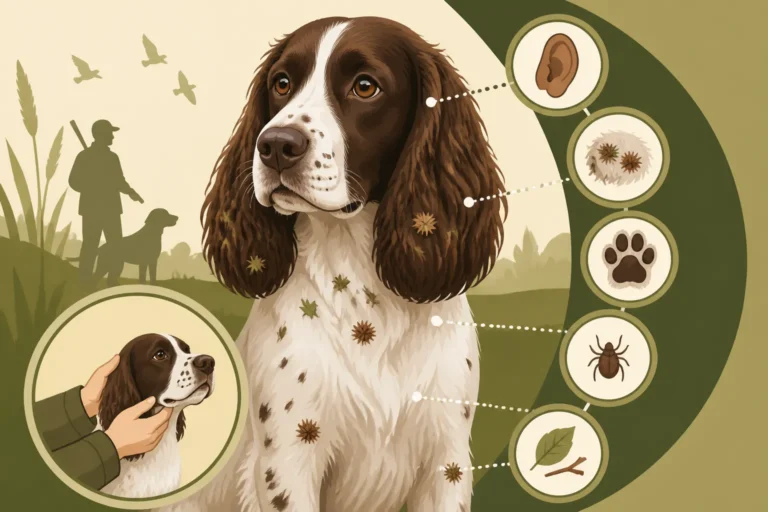
This is where the patience of a saint truly comes in handy. Burrs, sticky seeds, and small twigs have an uncanny ability to burrow themselves deep within the feathering, sometimes forming tight, painful knots. The longer you leave them, the harder they are to remove without causing discomfort or damage to the coat. Always conduct a full body check after walks in grassy or wooded areas, especially focusing on the lower legs, belly, and ears.
To remove burrs and seeds, first try to gently pull them out with your fingers, working from the tips of the hair towards the skin. If they are entangled, apply a detangling spray or a dab of cornstarch to the area. This helps to loosen the grip of the burr on the individual hair shafts. Then, use a fine-toothed comb, starting at the very end of the feathering and working your way up, inch by painstaking inch, to gently tease the burr out. Never rip or pull forcefully, as this can break the hair or injure the skin. For very stubborn or numerous burrs, sometimes cutting a small section of matted hair might be the kindest, albeit regrettable, solution.
Managing Mud and Moisture
Beyond the immediate removal of dirt, managing the ongoing presence of mud and moisture in your Springer's feathering is vital. Constant dampness can lead to a host of problems, from skin irritation to the infamous "wet dog smell." After any exposure to water or mud, thorough drying is paramount. As mentioned, blotting with towels and using a cool-setting pet dryer are your best friends. Ensure the feathering, especially around the ears and under the belly, is completely dry to the skin.
For dogs that love to swim or live in damp climates, consider investing in dog-specific drying coats that absorb moisture effectively. Regular use of an ear cleaner, recommended by your vet, is also crucial, as the long ear feathering of a Springer Spaniel can trap moisture, creating a perfect breeding ground for bacteria and yeast, leading to recurring ear infections. Why a Springer Spaniel's Ears Are Never Quite Healthy and How Often a Springer Spaniel Gets Ear Infections both highlight this common problem, and good drying practices are a key preventative measure.
Feathering and Health Concerns
While the show Springer's feathering is undeniably beautiful, its length and density can unfortunately contribute to several common health issues if not meticulously managed. Understanding these potential problems is key to proactive care and maintaining your dog's overall well-being.
Skin Irritations Hiding Under Long Hair
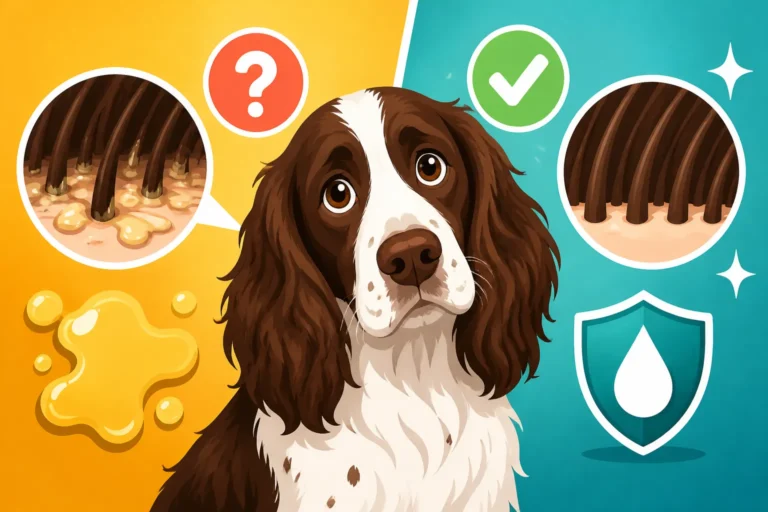
The dense, often thick feathering of a show Springer Spaniel creates a warm, sometimes moist, environment close to the skin. This can be a breeding ground for various skin irritations and infections. One of the most common issues is "hot spots," or acute moist dermatitis. These are rapidly developing, painful skin lesions that often start as a small itch or irritation and quickly become red, inflamed, and oozing, made worse by the dog's constant licking, chewing, or scratching. The long hair traps moisture and prevents air circulation, exacerbating the problem.
Identifying hot spots early is critical, but the extensive feathering can make them hard to spot until they're quite advanced. Regular grooming and petting allow you to feel for any abnormalities or tenderness on the skin. Other issues like bacterial or yeast infections, ringworm, or even simple chafing can also lurk beneath the thick coat. Owners often have to be extra vigilant, parting the hair and checking the skin, especially in humid conditions. Hot Spots Under a Springer Spaniel's Feathering offers more in-depth advice on dealing with this frustrating ailment.
The Link to Ear Infections
Springer Spaniels, regardless of whether they are field or show lines, are notoriously prone to ear infections. However, the show Springer's long, heavy ear leather and even longer ear feathering can significantly worsen this predisposition. The combination creates a perfect storm: the floppy ear flap covers the ear canal, limiting airflow, and the dense feathering around and inside the ear opening traps moisture, dirt, and debris. This creates a warm, dark, moist environment that bacteria and yeast absolutely thrive in.
After swimming, bathing, or even just a walk in damp grass, moisture can become trapped deep within the ear canal, leading to an infection. Signs include head shaking, scratching at the ears, foul odor, redness, or discharge. Regular ear cleaning with a vet-approved solution, keeping the ear feathering trimmed for better airflow, and thorough drying after any exposure to water are essential preventative measures. Some owners even use snoods when their dog is eating or drinking to keep the ears clean and dry. Why a Springer Spaniel's Ear Traps Moisture provides a deeper dive into this specific challenge.
Parasites: A Hidden Haven
The thick, voluminous feathering of a show Springer can unfortunately become an ideal hiding spot for external parasites like fleas and ticks. These unwelcome guests can be much harder to spot and remove from a long-haired dog compared to one with a short coat. A tiny tick, for instance, can burrow deep into the feathering, attach to the skin, and remain undetected for days, increasing the risk of transmitting diseases. Fleas, too, can live and breed comfortably within the protective layers of the long coat, causing constant itching and potential skin issues for your dog.
Regular, thorough checks are paramount, especially after walks in grassy or wooded areas where ticks are prevalent. Use your hands to systematically feel through the feathering, checking for any bumps or scabs that might indicate a tick. Part the hair to visually inspect the skin. In addition to physical checks, consistent use of veterinarian-recommended flea and tick prevention products is crucial for all Springer Spaniels, but especially those with dense feathering. These preventative measures from reputable brands like those found on Chewy are a non-negotiable part of responsible pet ownership for a feathered friend.
Maintaining Feathering for Comfort vs. Show Ring
The beautiful, flowing feathering of a show Springer Spaniel is truly a sight to behold, but maintaining it for the show ring requires an immense commitment that many pet owners find impractical for a beloved family dog. For most, the priority shifts from aesthetic perfection to the dog's comfort, hygiene, and overall well-being. Thankfully, there are many ways to manage that glorious coat without sacrificing their ability to live a full, happy, and sometimes messy, life.
Practical Trimming for a Pet Springer
If your show Springer isn't actively competing in conformation, you have a lot more freedom to prioritize practicality and your dog's comfort. This often means opting for more aggressive, but still aesthetically pleasing, trims. Many owners choose to trim the feathering on the belly and chest shorter, preventing it from dragging in mud and water and making post-walk cleanup a breeze. This "hygiene trim" also helps prevent mats in these high-friction areas.
The long feathering behind the ears can also be thinned or shortened. This not only helps with mat prevention but, crucially, improves air circulation around the ear canal, reducing the risk of ear infections. The hair between the paw pads should always be kept short to prevent slipping on smooth surfaces, collecting debris, and forming painful mats. These practical trims are not about changing the natural look of the Springer Spaniel but about making their daily life, and yours, much more manageable without constant battling with dirt and tangles.
Balancing Aesthetics and Everyday Life
The struggle to balance the show-ring aesthetic with the realities of an active pet's life is real. You want your Springer to look beautiful, but you also want them to be able to run through a field or splash in a stream without requiring an hour of cleanup afterward. For many, this means finding a happy medium. You might decide to keep the feathering on the legs relatively long for that classic look but opt for a slightly shorter, tidier trim on the belly and hindquarters.
This balance often involves compromise. Perhaps you keep the ear feathering long but are diligent with daily brushing and regular ear cleaning. Or maybe you decide to maintain a moderate length of feathering that still looks attractive but is far less prone to matting and collecting debris than a full show coat. The key is to assess your dog's lifestyle and your own grooming commitment. If the long feathering is causing your dog constant discomfort due to mats or contributing to frequent skin issues, then a more practical trim, even if it deviates from show standards, is always the kinder choice. The Show Springer Spaniel Coat That Adds a Groomer to Your Budget and How Often a Show Springer Spaniel Needs Trimming offer further insights into this balancing act.
The "Puppy Cut" Debate for Springers
The "puppy cut" is a common term in the grooming world, referring to an all-over, relatively short trim that gives a dog a youthful, easy-to-maintain look. For some show Springer Spaniel owners, especially those not involved in showing, this is a tempting option to escape the constant grooming demands. A puppy cut dramatically reduces matting, simplifies cleaning, and can make a dog much more comfortable in warmer weather. It's a pragmatic solution for many.
However, it's worth noting that a full "puppy cut" on a Springer Spaniel typically involves using clippers over much of the body, which can permanently alter the texture of their coat. The coarser guard hairs might grow back softer and wavier, or even thicker, and can sometimes lead to an uneven or duller appearance. Whether Shaving a Springer Spaniel Ruins the Coat addresses this concern directly. While a clipped coat is easier to maintain, it's a decision to make with full awareness of the potential long-term changes to their coat's natural texture. For many, the trade-off is worth it for a happy, comfortable, and low-maintenance pet.
When to Seek Professional Help
While regular home grooming is indispensable for a show Springer Spaniel, there are times when a professional groomer or veterinary intervention becomes not just helpful, but necessary. Recognizing these situations can save you and your dog a lot of discomfort and potential health complications.
When Mats Become Too Much
Despite your best efforts with daily brushing and regular bathing, sometimes mats can still form and become overwhelming. This is particularly true if life gets busy, or if a dog has had an unexpected romp through heavy brush. A small mat can quickly grow into a large, dense, painful felted mass that pulls on the skin, restricts movement, and can even hide skin infections. Trying to remove severe matting at home with scissors is incredibly risky, as it's very easy to accidentally cut your dog's skin, which can be thin and delicate under a tight mat.
If you find yourself facing mats that are too large, too close to the skin, or too numerous to safely and comfortably remove yourself, it's time to call a professional groomer. They have specialized tools, techniques, and experience to safely and humanely de-mat or, if necessary, clip out matted areas. Sometimes, a severe mat might necessitate shaving a section or even the entire dog, which, while a drastic step, is often the kindest solution for a dog in discomfort. Whether a Matted Springer Spaniel Has to Be Shaved explains this scenario.
Recurring Skin or Ear Issues
The feathering on a show Springer Spaniel, particularly around the ears and on the belly, can contribute to chronic skin and ear problems. If your Springer is constantly scratching, licking, developing hot spots, or experiencing recurring ear infections despite your diligent home care, it's a clear sign that veterinary attention is needed. These issues often have underlying causes, such as allergies (environmental or food-related), hormonal imbalances, or more resistant bacterial or yeast infections that require specific medical treatment.
Your veterinarian can perform diagnostics, such as skin scrapes, cytology, or allergy testing, to pinpoint the exact cause of the problem. They can prescribe medicated shampoos, topical treatments, oral medications, or even discuss long-term management plans, such as immunotherapy for allergies. Don't try to self-diagnose or treat chronic issues with over-the-counter remedies; professional veterinary guidance is essential to ensure your Springer gets the right care and relief.
Learning Proper Grooming Techniques
Let's be honest, grooming a show Springer Spaniel's coat is an art form. It requires skill, patience, and the right techniques. If you're a new Springer owner, or if you feel overwhelmed by the sheer volume of coat and the complexity of keeping it tidy, don't hesitate to seek guidance from a professional groomer. Many groomers offer "grooming lessons" or "brushing workshops" where they can teach you hands-on how to properly brush, comb, trim nails, and clean ears specifically for your dog's breed and coat type.
A professional groomer can demonstrate how to use thinning shears to thin out dense areas of feathering without making it look chopped, how to keep paw pads tidy, or how to maintain a clean, comfortable sanitary trim. Investing in a few sessions with a knowledgeable groomer can equip you with the skills and confidence to maintain your Springer's coat effectively at home, making the entire process more enjoyable for both you and your dog. It's an investment that pays dividends in your dog's comfort and appearance. The Show Springer Spaniel Coat That Adds a Groomer to Your Budget is a helpful resource here.
| Grooming Tool / Item | Purpose for Show Springer Feathering | Frequency of Use | Where to Find (Examples) |
|---|---|---|---|
| Pin Brush | Detangling, removing loose hair, smoothing feathering | Daily | Chewy, Amazon |
| Metal Comb (Wide/Narrow) | Working out tangles, checking for mats, finishing | Daily | Amazon, Pet Stores |
| Slicker Brush | Removing dead undercoat, tackling general shedding | Every few days | Chewy, Local Pet Shops |
| Detangling Spray | Loosening knots, making brushing easier | As needed | Pet Boutiques, Amazon |
| Grooming Shears (Blunt Tip) | Trimming paw pads, hocks, tidying feathering length | Monthly/Bi-monthly | Professional Pet Supply |
| Thinning Shears | Reducing bulk, creating natural lines, thinning ear feathering | Monthly/Bi-monthly | Professional Pet Supply |
| High-Quality Shampoo/Conditioner | Cleansing, conditioning, preventing tangles | Bi-weekly/Monthly | Chewy, Pet Supply Stores |
| Pet Dryer (Cool Setting) | Thorough drying of feathering, preventing tangles while drying | After every bath/swim | Amazon, Specialty Stores |
| Snood | Protecting ear feathering from food/water | Meal times | Etsy, Amazon |
Disclaimer
This article is for general informational purposes only and does not constitute professional advice. Laws, prices and regulations vary by location and change over time. Consult a qualified professional for guidance on your specific situation.