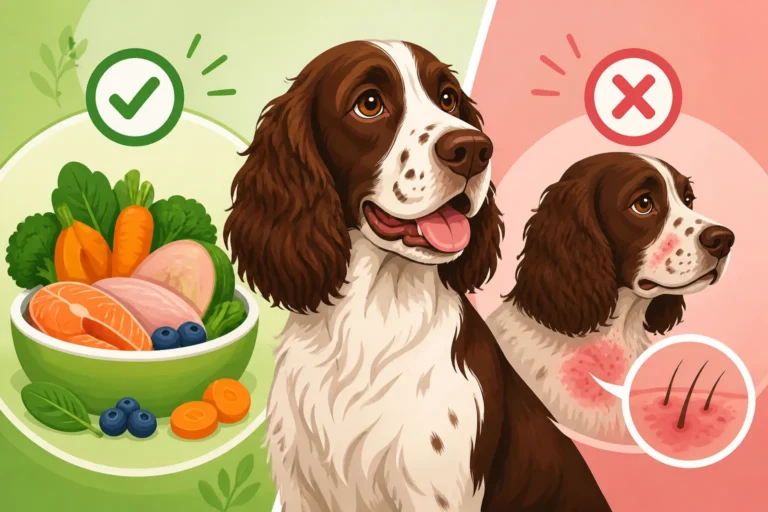
Whether a Springer Spaniel Food Trial Costs More Than Kibble
It’s a truly disheartening experience to watch your beloved Springer Spaniel suffer from chronic itching, recurrent ear infections, or constant tummy troubles, wondering if every new food or vet visit will finally bring relief. This guide aims to help you navigate the often-confusing and seemingly expensive world of food elimination trials, breaking down whether this specialized approach ultimately costs more than simply managing persistent symptoms with regular kibble and endless veterinary appointments.
Understanding Food Trials for Your Springer Spaniel
When your Springer Spaniel isn't feeling their best, and the symptoms point towards something internal, it’s often a process of elimination to get to the root cause. Many owners find themselves in a cycle of treating symptoms without ever truly understanding why their dog is constantly scratching or having digestive upset.
Why Your Springer Spaniel Might Need a Food Trial
Springer Spaniels, with their wonderful personalities and boundless energy, can unfortunately be prone to certain health sensitivities, and allergies are certainly high on that list. You might notice your dog constantly licking their paws, scratching behind their ears until they're raw, or shaking their head endlessly. These are often signs of skin allergies, which can lead to frustrating secondary issues like yeast or bacterial ear infections, turning those beautiful long ears into a recurring problem area. Or perhaps your pup is experiencing frequent bouts of diarrhea, vomiting, or excessive gas, suggesting a food sensitivity impacting their digestive system.
It's utterly frustrating when you've tried different "sensitive stomach" kibbles or over-the-counter allergy supplements with no lasting improvement. You've been to the vet countless times for antibiotics, anti-itch medications, or special shampoos, and while these might offer temporary relief, the problem always seems to creep back. This cycle of treating symptoms without addressing the underlying cause can feel like an endless drain, both emotionally and financially. Understanding The Skin Under a Springer Spaniel's Coat is a crucial first step, as many external signs point to internal issues. We often see dogs constantly scratching, leading to hot spots or generalized redness, and then needing vet intervention. Similarly, How Often Allergies Drive a Springer Spaniel's Ear Disease is a common conversation topic among Springer owners, highlighting the persistent nature of these problems.
What Exactly Is a Food Elimination Trial?
A food elimination trial, also known as a dietary exclusion trial, is the gold standard for diagnosing adverse food reactions in dogs. It's a very specific and often quite strict process designed to identify if certain ingredients in your dog's diet are triggering their symptoms. The core idea is simple: remove all potential allergens from your dog's diet for an extended period, then slowly reintroduce ingredients one by one to see which ones cause a reaction.
Typically, this involves feeding a novel protein diet (one your dog has never eaten before, like kangaroo or alligator) or a hydrolyzed protein diet (where the proteins are broken down so small that the immune system doesn't recognize them as allergens). This specialized diet becomes the only thing your Springer Spaniel consumes for an 8 to 12-week period. This means absolutely no treats, no human food scraps, no flavored medications, and no chewing on flavored toys. Every single morsel that goes into your dog’s mouth must be part of the trial diet. It can feel incredibly restrictive, especially with a Spaniel who masters the art of puppy-dog eyes, but consistency is absolutely critical for the trial to be successful. If even a small piece of cheese or a dropped crumb gets eaten, you essentially have to start the trial all over again.
The Cost of a Prescription or Novel Protein Diet Food Trial
Embarking on a food trial can certainly feel like a significant upfront expense. It's natural to compare the price of a bag of specialized diet food to your usual kibble and experience a bit of sticker shock. However, it’s important to look beyond that initial price tag.
The Initial Investment in Specialized Diets
When you decide to pursue a food trial, your veterinarian will likely prescribe a specific diet. These are not your average supermarket brands. They often come from companies like Purina Pro Plan Veterinary Diets, Royal Canin Veterinary Diet, or Hill's Prescription Diet. These diets are formulated either with hydrolyzed proteins, which are extensively broken down to avoid an immune response, or with novel proteins that your dog is unlikely to have encountered before, such as venison, duck, or fish if your dog hasn't had them.
The cost per bag of these specialized diets is generally higher than what you might pay for a premium commercial kibble. This is due to the research and development, the sourcing of unique ingredients, and the strict manufacturing processes required to prevent cross-contamination with common allergens. For a large, active Springer Spaniel, who eats a fair amount of food daily, that cost can add up quickly over the 8-12 week trial period. You're not just buying food; you're investing in a diagnostic tool.
Hidden Costs and Considerations During a Trial
Beyond the price of the food itself, there are other financial considerations during a food trial. One often overlooked aspect is treats. Your Springer Spaniel still deserves rewards for good behavior or during training, but during a food trial, those treats must be 100% compliant with the diet. This means buying specific, single-ingredient treats that match the novel protein source, or making your own from the trial kibble itself. Regular treats, even those you think are simple, can contain hidden ingredients or flavorings that could derail the entire process.
Another consideration is waste. While less common with careful planning, sometimes a dog just doesn't take to a particular novel protein or hydrolyzed diet, despite your best efforts. You might buy a large bag only to find your Spaniel refuses to eat it, or perhaps they have a mild reaction to something in the formulation. This can mean purchasing another, different specialized diet, effectively doubling your initial food cost. This is why some vets might recommend starting with smaller bags if available, although this can sometimes increase the per-pound cost. The commitment to an elimination diet (Running an Elimination Diet on a Springer Spaniel) is about being disciplined and prepared for these nuances.
The Ongoing Costs of Standard Kibble (and Associated Problems)
On the surface, continuing with your current kibble, even if it's not fully resolving your Springer Spaniel's issues, might seem like the more budget-friendly choice. A bag of regular, good quality kibble is almost always cheaper than a bag of prescription diet. But this is where the comparison often gets skewed.
The Apparent Affordability of Commercial Kibble
When you pick up a large bag of conventional kibble from the pet store or order it online, perhaps through a convenient service like Chewy, the price point often feels very reasonable. There's a wide range of options, from budget-friendly to super-premium, and many boast ingredients designed for "sensitive skin" or "digestive health." For many owners, this seems like the most straightforward and economical way to feed their dog. And for a Springer Spaniel without underlying sensitivities, it absolutely can be.
However, if your Springer is struggling with allergies or food sensitivities, the initial savings on kibble are quickly overshadowed by a cascade of other expenses. It's like patching a leaky roof with duct tape – it works for a bit, but the underlying problem isn't fixed, and you'll keep buying more tape.
The Escalating Price of Managing Allergy Symptoms
This is where the true financial burden lies for owners who forgo a food trial in favor of continuous symptom management. The costs associated with ongoing allergy issues can be relentless and add up to far more than a temporary switch to a specialized diet.
Consider the frequent vet visits: each appointment to diagnose an ear infection, examine irritated skin, or discuss digestive upset comes with an examination fee. Then there are the medications. Ear infections often require multiple types of medicated ear drops or washes. Skin flare-ups might necessitate medicated shampoos, oral antibiotics for secondary bacterial infections, or antifungals for yeast. Your vet might prescribe antihistamines, which can offer some relief but often aren't a long-term solution. For more severe cases, medications like Apoquel or Cytopoint, which specifically target the itch pathway, become necessary. These are incredibly effective for many dogs, but they come with their own recurring costs. For example, What Chronic Ear Disease Costs a Springer Spaniel Owner can be staggering over a dog's lifetime, especially if it means multiple trips to the vet each year.
Let’s not forget the diagnostic tests. A persistent ear issue might require a cytology to identify the type of infection, or even a culture and sensitivity if standard treatments aren't working. Skin scrapings, blood tests to rule out other conditions, or even specialized allergy testing (which is a separate discussion from a food trial, but often considered when food is ruled out) all carry significant costs. What Treating a Springer Spaniel's Ear Infection Costs can include not just the medication but also follow-up visits and repeated diagnostics. If your Springer Spaniel needs a full allergy workup, What a Springer Spaniel's Allergy Workup Costs can be substantial, often hundreds or even thousands of dollars if it involves referrals to veterinary dermatologists. The ongoing expense of Apoquel for a Springer Spaniel's Itch can quickly eclipse the cost of a several-month food trial, as it's typically a lifelong medication for managing environmental allergies. And let's not forget the potential for complications, like an aural hematoma from head shaking, which might require surgery, adding another large bill.
A Cost-Benefit Analysis: Food Trial vs. Symptom Management
It’s easy to focus on the immediate costs, but a true understanding requires looking at the bigger picture – both financially and in terms of your Springer Spaniel's well-being.
Short-Term Outlay vs. Long-Term Savings
When you look at the raw price of a single bag of prescription food versus a regular bag, the food trial appears more expensive. However, this is a classic "penny wise, pound foolish" trap. The food trial is an investment in finding an answer, which can lead to significant long-term savings.
Consider the potential scenario: you spend a higher amount on specialized food for 2-3 months during a trial. If successful, you identify the problematic ingredients, find a suitable maintenance diet that may or may not be prescription (but is certainly cheaper than continuous vet care), and your dog’s symptoms resolve. This means fewer vet visits, no more expensive medications, and no more constant purchase of special shampoos or ear cleaners.
Now compare that to not doing a food trial. You continue buying regular kibble, but your Springer Spaniel still suffers. This leads to recurring vet visits, repeated prescriptions for antibiotics, steroids, or allergy medications like Apoquel, and the constant purchase of supportive care items. Over months, or even years, these cumulative costs can far exceed the initial outlay of a food trial. A successful food trial gives you back control and knowledge, allowing you to feed a diet that truly supports your dog's health without endless medical intervention. Even exploring pet insurance options, like through Healthy Paws, can sometimes help cover diagnostic tests or certain medications, but specific food costs are often excluded. However, understanding What Insuring a Springer Spaniel Runs can help you budget for unexpected medical costs in general.
Let's illustrate with a simplified comparison:
| Item/Category | Cost of Food Trial (2-3 months) | Cost of Symptom Management (Per Year, if chronic) |
|---|---|---|
| Specialized Food | High (one-time investment) | N/A (assuming standard kibble) |
| Vet Consultations | Maybe 1-2 initially | Multiple (3-6+ per year for recurring issues) |
| Ear Meds/Cleaners | Minimal (if successful) | Frequent, ongoing |
| Skin Meds/Shampoos | Minimal (if successful) | Frequent, ongoing |
| Prescription Allergy Meds | N/A (if food allergy identified) | Potentially lifelong (e.g., Apoquel, Cytopoint) |
| Diagnostic Tests (Cytology, etc.) | Minimal (if diagnosis made) | Recurring (for new flare-ups) |
| Special Treats | Purchased or homemade for trial | Standard (but potentially aggravating symptoms) |
| Long-Term Diet | Often cheaper maintenance diet | Standard kibble, but with added medical costs |
| Overall | Higher short-term, lower long-term | Lower short-term, much higher long-term |
The Value of Your Springer Spaniel's Quality of Life
Beyond the financial aspects, there's the invaluable consideration of your Springer Spaniel's quality of life. A dog constantly suffering from itching, pain, or digestive upset isn't a happy dog. They might be irritable, restless, or withdrawn. They might not enjoy walks as much, or their sleep could be disrupted. As an owner, it's heart-wrenching to see them uncomfortable, and the constant worry and management of their symptoms can take a toll on you too.
A successful food trial can transform your dog's life. Imagine a Springer Spaniel who isn't scratching until they bleed, whose ears are clean and healthy, and who can enjoy their meals without subsequent discomfort. The energy they have for fetching, exploring, or simply cuddling on the couch is restored. The peace of mind this brings to an owner is immeasurable. The investment in a food trial isn't just about money; it's about giving your beloved companion a chance at a comfortable, joyful life free from chronic irritation. This is particularly relevant when considering issues like The Allergens Behind a Springer Spaniel's Itch and the discomfort they cause, or Why a Springer Spaniel Licks Its Paws Raw.
Navigating Options and Making Informed Choices
Deciding on a food trial can feel overwhelming, but with proper guidance and a clear understanding of your options, you can make the best choice for your Springer Spaniel.
Exploring Different Diet Types for Trials
While prescription hydrolyzed or novel protein diets are often the first recommendation, they aren't the only paths. Always consult your veterinarian before embarking on any food trial, as they can help you formulate the safest and most effective plan.
- Commercial Hydrolyzed Diets: These are the most common and often easiest to administer because the proteins are broken down so small that they typically don't trigger an immune response. They are scientifically formulated to be nutritionally complete.
- Commercial Novel Protein Diets: These diets use a protein source and often a carbohydrate source that your dog has likely never encountered before (e.g., duck and potato, venison and sweet potato). The key here is novelty – if your dog has eaten lamb before, a lamb-based diet won't be a novel protein for them.
- Home-Cooked Elimination Diets: Under strict veterinary guidance, some owners choose to prepare a homemade elimination diet. This involves cooking a single novel protein (like rabbit or goat) and a single novel carbohydrate (like tapioca or quinoa) for the trial period. This route offers maximum control over ingredients but requires significant time commitment and meticulous attention to nutritional balance to ensure your Springer Spaniel isn't missing essential nutrients during the trial. It also requires careful sourcing of ingredients, which can also influence the cost. You can often find specialty ingredients online or through pet food retailers like Chewy.
- Limited Ingredient Diets (LID): While not typically considered true elimination diets by veterinary dermatologists (due to potential for cross-contamination in manufacturing), some owners attempt LID diets if financial constraints are severe. These diets, often found in pet stores, contain fewer ingredients, but you still need to select a novel protein for your dog. Brands like Ollie, which offers fresh, human-grade food, can sometimes be formulated to be limited ingredient, but again, this requires careful vetting by your veterinarian to ensure it meets the strict criteria for a proper elimination trial.
Remember, the success of any trial hinges on strict adherence. Even a small slip-up can invalidate weeks of effort.
Budgeting and Pet Insurance
Planning for the costs associated with a food trial, or indeed any ongoing health management for your Springer Spaniel, is a smart move.
- Budgeting: Set aside funds specifically for veterinary care and specialized food if you know your dog is prone to allergies. Understanding How Much Food a Springer Spaniel Eats Monthly can help you estimate baseline costs, but medical diets are an addition.
- Pet Insurance: This can be a valuable safety net. While most pet insurance policies, including those from providers like Healthy Paws, typically do not cover the cost of prescription diets themselves, they can often cover the diagnostic work-up leading to the recommendation of a food trial, and certainly the medications needed to treat secondary infections or manage symptoms before a diagnosis is made. Always read the fine print of your policy to understand what is and isn't covered. If your dog develops chronic ear infections, for example, insurance might cover the initial vet visits, cytology, and antibiotics, but if the condition becomes "pre-existing" before you get coverage, it might be excluded.
Ultimately, a food trial, while an investment, can be the most direct and effective path to identifying and managing your Springer Spaniel's food sensitivities. It empowers you with knowledge, potentially leading to a healthier, happier dog and significant long-term financial relief from recurring medical expenses. Don't let the initial cost deter you from exploring this crucial diagnostic tool with your veterinarian.
Disclaimer
This article is for general informational purposes only and does not constitute professional advice. Laws, prices and regulations vary by location and change over time. Consult a qualified professional for guidance on your specific situation.