What Allergy Injections Cost for a Springer Spaniel
There’s nothing quite as heartbreaking as watching your lively English Springer Spaniel suffer through constant itching, scratching, and gnawing at their skin, ears, and paws. You've tried special shampoos, changed their diet, and maybe even used topical creams, but the relief is fleeting, or sometimes, non-existent. When allergies become a chronic nightmare, and your beloved companion is truly miserable, the conversation often turns to allergy injections. This guide will walk you through what these injections entail, why they might be necessary for your Springer, and crucially, what you can expect in terms of cost.
Understanding Why Your Springer Spaniel Might Need Allergy Injections
It's a common story in the Springer Spaniel world: one day, your dog starts scratching a bit more than usual, and before you know it, you're in a full-blown battle against relentless itching, skin infections, and ear trouble. Our Springers are known for their sensitive skin and ears, making them prime candidates for various allergic reactions. When those reactions escalate, injections often become a vital part of finding lasting relief.
The Root of Itchy Misery: Environmental Allergies
Many Springer Spaniel owners are quick to assume food allergies when skin issues arise, but often, the real culprit is lurking in the environment. Just like people, dogs can be allergic to things like pollen from trees, grasses, and weeds, dust mites, mold spores, and even dander from other animals. These environmental allergies, often called atopy, can manifest as itchy skin, redness, chronic ear infections, and paw licking. Imagine having hay fever all year round, but instead of sneezing, your skin is constantly crawling! It’s truly debilitating for them. For a deeper dive into pinpointing the irritants, you might find The Allergens Behind a Springer Spaniel's Itch helpful.
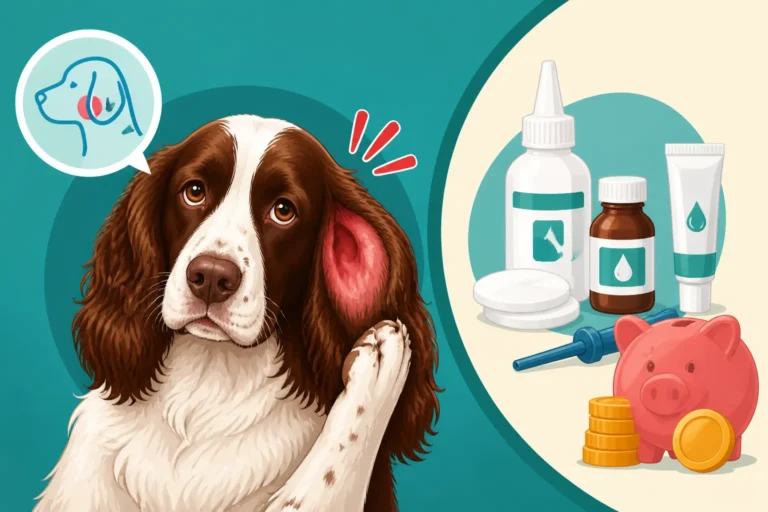
Our Springers, with their long, floppy ears and often dense coats, are particularly susceptible. Their ears, especially, can become a breeding ground for yeast and bacteria when irritated by allergies, leading to recurring infections that are both painful and costly to treat. You might be familiar with the frustration of chronic ear issues; if so, How Often a Springer Spaniel Gets Ear Infections could shed more light on this common Springer problem.
When Topicals and Diet Aren't Enough
You've probably already gone through a mental checklist: special limited-ingredient dog food, perhaps from a brand like Ollie, to rule out any dietary triggers, medicated shampoos, ear cleaners, and maybe even some anti-itch sprays. And for some dogs, these initial steps, coupled with diligent grooming, are enough to manage mild flare-ups. However, for many Springer Spaniels, especially those with moderate to severe environmental allergies, these measures are simply not enough to break the cycle of itching and inflammation.
When your vet suggests that your Springer needs a dermatology referral, it's often because the standard approaches aren't cutting it. This is when the discussion about more advanced treatments, including allergy injections, typically begins. It signifies moving past symptomatic relief and toward addressing the underlying immune response that causes the itch. Sometimes, people mistake a food allergy for an environmental one, or vice-versa, so understanding the difference is key. Check out Telling a Food Itch From a Pollen Itch in a Springer Spaniel for more information on distinguishing these.
Diagnosing the Allergy Culprit
Before any targeted allergy injections can begin, your veterinarian or a veterinary dermatologist will need to accurately identify what your Springer Spaniel is reacting to. This usually involves allergy testing. The two primary methods are blood tests and intradermal skin testing.
Blood tests (serum IgE tests) involve taking a blood sample and sending it to a lab to measure antibodies against a panel of common allergens. This is a less invasive option but can sometimes produce false positives or negatives. Intradermal skin testing, on the other hand, is considered the gold standard. It involves sedating your Springer, shaving a patch of fur on their side, and injecting tiny amounts of various allergens just under the skin. The dermatologist then observes which injection sites react with a raised, red bump, indicating an allergy. These diagnostic steps, while crucial, come with their own set of costs, which are part of the initial investment before you even get to the injections themselves. To get a handle on what this initial phase might cost, you might want to read What a Springer Spaniel's Allergy Workup Costs.
The Different Types of Allergy Injections and Their Cost Implications
Once your Springer's specific allergens are identified, your vet will recommend a course of treatment. When it comes to injections, there are generally a few paths you can take, each with different mechanisms and, predictably, different financial commitments. It's not a one-size-fits-all solution, and understanding the options will help you prepare.
Immunotherapy: Desensitization Shots
This is often referred to as "allergy shots" or "allergy vaccines." Immunotherapy works by gradually desensitizing your Springer Spaniel to the allergens they react to. After identifying the specific triggers through testing, a custom serum is formulated containing tiny, increasing amounts of these allergens. The goal is to "retrain" your dog's immune system to stop overreacting to them.
The process typically starts with a series of injections, often given frequently (e.g., daily or every other day) for an initial period, and then tapering down to a maintenance schedule (e.g., once a week or every few weeks) for the rest of your dog's life. These injections can often be administered at home by the owner, which can save on vet visit fees, but you’ll need to be comfortable giving injections. The costs here are primarily for the customized serum itself, which is produced by specialized labs. You'll typically pay for an initial, larger supply, followed by smaller, recurring purchases for maintenance doses. This is a long-term commitment, but for many dogs, it offers the best chance at significant, lasting relief without relying on immunosuppressive drugs.
Targeted Biologics: Fast Relief, Different Price Tag
In recent years, incredible advancements have been made in targeted therapies for canine allergies. The most well-known of these are medications like Cytopoint. Unlike immunotherapy, which aims to change the immune response over time, these biologics work by directly targeting and neutralizing specific proteins (interleukins) in your dog's body that cause the sensation of itch. Think of it as a targeted approach to stop the itch message from reaching the brain.
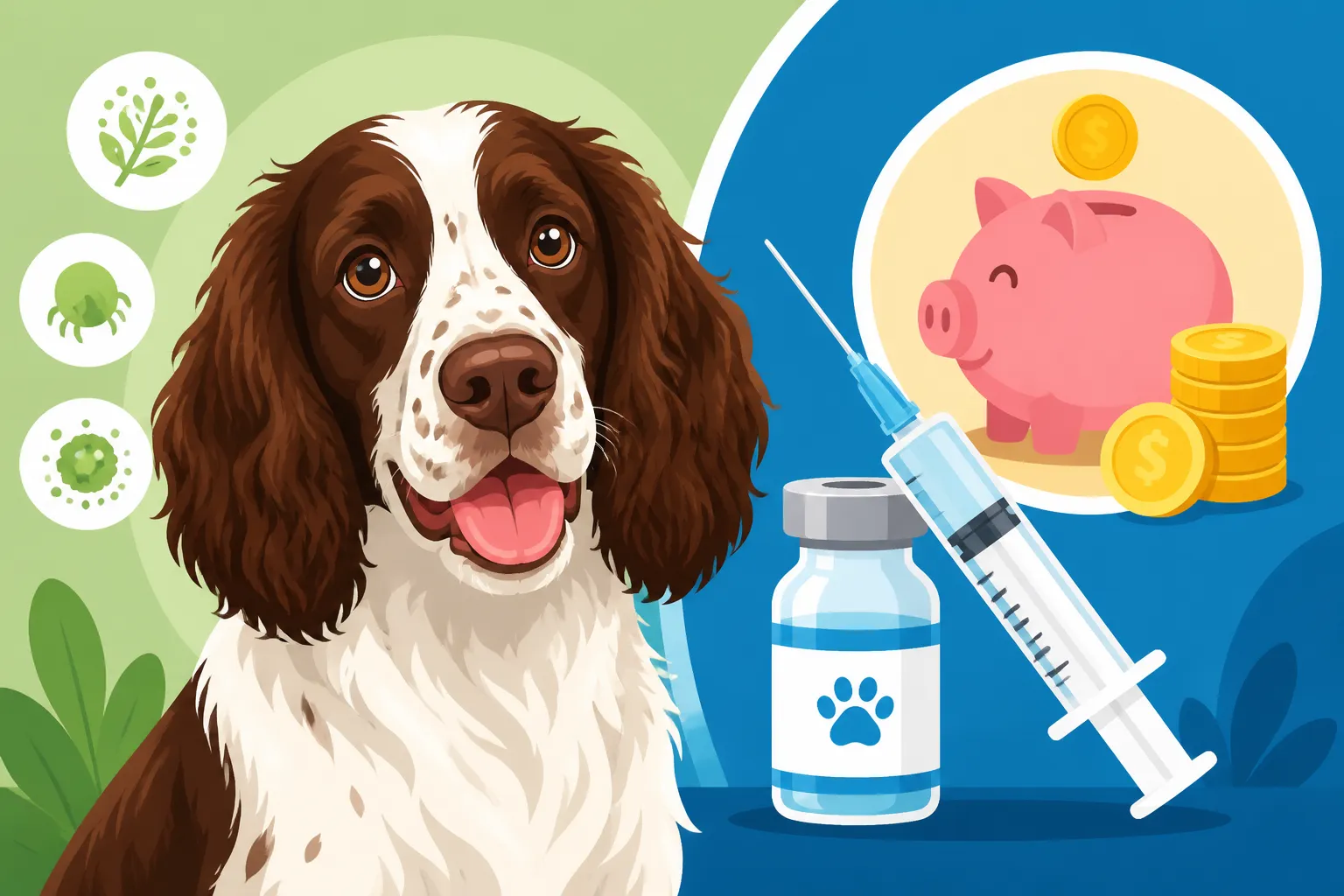
Cytopoint is administered as an injection, typically by your veterinarian, every 4 to 8 weeks, depending on your dog's needs and the severity of their symptoms. The relief can be quite rapid, often seen within a day or two, which is a huge advantage for a dog suffering intensely. The cost for these injections is per dose, and it varies based on your dog's weight (larger dogs need a higher dose) and the veterinary clinic's pricing. While it offers quick relief and is generally very safe, it doesn't "cure" the allergy; it simply manages the symptoms effectively. This means it's an ongoing expense for as long as your Springer needs relief. For persistent itching, often leading to raw paws, Why a Springer Spaniel Licks Its Paws Raw might offer further insights into this particular manifestation of allergies.
Steroid Injections: A Temporary Fix
Corticosteroid injections, such as methylprednisolone, are another type of injection sometimes used for severe allergic flare-ups. These are powerful anti-inflammatory medications that can quickly reduce itching and inflammation. They offer rapid, often dramatic, relief, which can be a lifesaver for a Springer in acute distress.
However, steroid injections are generally not recommended as a long-term solution. While effective, prolonged use or frequent high doses can lead to significant side effects, including increased thirst and urination, increased appetite, weight gain, muscle weakness, and a higher risk of infections or other health problems. Therefore, your vet will usually reserve these for short-term control of severe flares, to break the itch-scratch cycle, or in situations where other options are not viable. The cost per injection is often lower than biologics or immunotherapy, but the potential long-term health implications and the need for repeated doses make it less cost-effective and desirable for chronic management.
Breaking Down the Costs: What to Expect Financially
Navigating the financial side of chronic allergies can feel overwhelming. It’s not just the cost of the injections themselves, but all the associated care that adds up. Being prepared for these expenses can help you make informed decisions without added stress.
Initial Setup and Testing Fees
Before any injection therapy can even begin, there are a few foundational costs to consider. As mentioned, diagnostic allergy testing is paramount.
- Veterinary Consultation: You'll likely have initial consultations with your primary vet, and then possibly a referral to a veterinary dermatologist. Each visit comes with a fee.
- Allergy Testing: Whether it's a blood test or intradermal skin testing, these procedures are an investment. Blood tests can run into the hundreds of dollars, while intradermal skin tests, which require sedation and a specialist, can be more significant.
- Initial Medications/Supplies: Sometimes, before starting injections, your vet might prescribe oral medications (like Apoquel or other anti-histamines) or medicated shampoos to get the skin under control, adding to the initial outlay. Apoquel for a Springer Spaniel's Itch gives more details on this common oral medication.
- Custom Serum (for Immunotherapy): If you choose immunotherapy, the initial customized serum will be a larger upfront cost, often covering several months of treatment.
Here’s a simplified breakdown of potential initial costs:
| Item | Description | Cost Shape (Example) |
|---|---|---|
| Initial Vet Consult | Exam fee, discussion of symptoms. | Moderate |
| Dermatology Consult | Specialist exam, in-depth discussion, treatment plan. | Higher than general vet consult |
| Allergy Blood Test | Lab work to identify allergens from a blood sample. | Moderate to High |
| Intradermal Skin Test | Specialist procedure under sedation to pinpoint allergens. | Substantial, often including sedation and facility fees |
| Initial Serum (Immuno) | First batch of custom allergy vaccine (multi-month supply). | High (often covers several months) |
| Oral Medications | Steroids, anti-histamines, Apoquel to manage acute symptoms before/during testing. | Varies by medication type and duration, often monthly |
Ongoing Maintenance and Medication Refills
The costs don't stop after the initial diagnosis and setup. Allergy injections, especially immunotherapy and biologics, require ongoing commitment.
- Immunotherapy Serum Refills: After the initial supply, you'll need to regularly order refills of the custom serum, typically every few months. The cost per vial might be less than the initial large batch, but it's a recurring expense.
- Biologic Injections (e.g., Cytopoint): These are administered by your vet, usually every 4-8 weeks. Each injection is a separate cost. If you have a larger Springer, the dose will be higher, leading to a higher cost per injection.
- Vet Visits for Injections: For biologics, you'll have regular office visit fees in addition to the cost of the medication itself. Even for home-administered immunotherapy, occasional follow-up visits with your vet or dermatologist are recommended to assess progress and make adjustments.
- Supplies for Home Administration: If you're giving immunotherapy shots at home, you'll need syringes, needles, and sharps disposal containers, adding small but regular costs.
- Concurrent Treatments: Allergies often lead to secondary issues like ear infections or hot spots. Even with injections, you might still need to budget for ear cleaners, medicated ear drops, antibiotics, or topical treatments for flare-ups. You might find Whether a Springer Spaniel's Ear Infection Recurs a useful read as this often happens in allergy sufferers.
Factors That Influence the Total Price
It’s impossible to give exact figures because so many variables come into play. However, understanding these factors will help you estimate.
- Dog's Size: For biologics like Cytopoint, the dose is weight-dependent. A heavier Springer Spaniel will require a larger, more expensive dose than a smaller one.
- Severity of Allergies: Dogs with very severe, year-round allergies might require more frequent injections or a combination of therapies, naturally increasing overall costs.
- Geographic Location: Veterinary costs can vary significantly depending on whether you live in a rural area or a major metropolitan city. Specialists, especially, may charge more in high-cost-of-living areas.
- Veterinary Clinic: Different clinics have different pricing structures for consultations, procedures, and medications. A specialist dermatology clinic will likely have higher fees than a general practice.
- Type of Injection: As discussed, immunotherapy (long-term desensitization) has an initial higher cost for serum formulation, followed by recurring refill costs. Biologics are typically a per-dose, recurring cost for each injection. Steroid injections are generally cheaper per shot but aren't a sustainable long-term solution.
- Frequency of Injections: Some dogs do well with injections every two months, others need them monthly. More frequent injections mean higher recurring costs.
- Concurrent Issues: If your Springer is constantly developing secondary ear infections or skin infections (like those pesky hot spots under their feathering, detailed in Hot Spots Under a Springer Spaniel's Feathering), these treatments add to the overall expense, regardless of the allergy injections.
Managing the Expense of Your Springer Spaniel's Allergies
The ongoing financial commitment for a Springer Spaniel with chronic allergies can be substantial, no doubt about it. It can feel like a bottomless pit at times, but there are strategies to help manage the burden and ensure your beloved companion gets the care they need.
Exploring Pet Insurance Options
Pet insurance can be a real lifesaver when it comes to chronic conditions like allergies, if you get it before symptoms appear. Many pet insurance providers, such as Healthy Paws, offer comprehensive plans that can cover a significant portion of diagnostic tests, veterinary consultations, and prescribed medications, including allergy injections. However, it’s critical to understand the fine print.
- Pre-existing Conditions: This is the big one. If your Springer Spaniel has already shown signs of allergies before you enroll in a pet insurance plan, those allergies will almost certainly be considered a pre-existing condition and will not be covered. This is why getting insurance when your dog is a young, healthy puppy is often recommended. If your Springer has already been diagnosed with ear issues due to allergies, you might find that Whether a Springer Spaniel's Ear Disease Becomes Pre Existing addresses this concern directly.
- Deductibles and Reimbursement Rates: Insurance plans come with deductibles (the amount you pay out of pocket before coverage kicks in) and reimbursement rates (the percentage of eligible expenses the insurance pays back). Choose a plan that suits your budget and expected veterinary costs.
- Wellness Plans vs. Accident & Illness Plans: Allergy injections typically fall under accident and illness plans, not basic wellness plans, which usually cover routine preventative care.
While pet insurance won't erase all costs, it can significantly reduce the financial sting of ongoing treatments for chronic conditions. It’s worth researching different providers and their policies carefully. To get an idea of the monthly outlay, consider exploring What Insuring a Springer Spaniel Costs Monthly.
Bulk Purchases and Online Pharmacies
For certain aspects of allergy management, particularly with immunotherapy serums or oral medications that your vet has prescribed, you might find some cost savings through bulk purchases or reputable online pet pharmacies.
- Immunotherapy Serum: Labs that produce custom immunotherapy serums often offer discounts if you purchase larger volumes or multi-month supplies. Discuss this with your vet or the dermatology specialist. They can often facilitate ordering directly from these labs.
- Oral Medications: If your Springer is also on oral medications like Apoquel, your vet might write a prescription that you can fill at a human pharmacy or a large online pet supply retailer. Companies like Chewy often offer competitive pricing on prescription medications, as well as on other allergy-related supplies like special shampoos or ear cleaners. Always ensure you are using a legitimate, licensed pharmacy.
- Vet's Own Pharmacy: Sometimes, your vet’s office might have loyalty programs or offer slight discounts for buying certain medications directly from them, especially if you're a long-standing client with a chronic case. It never hurts to ask!
It's important to note that direct allergy injections (like Cytopoint) are typically administered by your vet and the cost is for the service and the medication combined, so opportunities for "bulk" buying are more limited to the veterinary clinic's own pricing structure.
Budgeting for Chronic Care
Having a Springer Spaniel with chronic allergies requires an ongoing financial plan. It's not a one-time fix, but a marathon.
- Dedicated Savings Account: Consider setting up a separate savings account specifically for your dog’s health expenses. Even putting away a small amount each month can build up a helpful cushion for those regular injection costs, unexpected flare-ups, or annual check-ups.
- Discuss Payment Plans: Don't be afraid to talk openly with your veterinary clinic about payment options. Some clinics offer in-house payment plans for larger bills, or they might partner with third-party financing services that provide low or no-interest payment options.
- Prioritize Treatments: Work with your vet to prioritize treatments. While injections are key, there might be times you need to decide between, for example, a new specialized ear cleaner and a less urgent supplement. A good vet will help you make the most impactful choices within your budget.
- Preventative Care: While injections manage the allergy, diligent preventative care can reduce secondary infections, saving you money in the long run. Regular ear cleaning (with vet-approved solutions!), consistent grooming, and prompt attention to any new itchiness can prevent minor issues from escalating into expensive infections. Whether a Springer Spaniel's Ears Should Be Checked Weekly is a good resource for proactive ear health.
- Lifestyle Adjustments: While not directly cost-related for injections, managing your Springer's exposure to known allergens can sometimes reduce the frequency or dosage needed for symptom control, subtly impacting overall costs. This might mean wiping paws after walks, using air purifiers, or more frequent vacuuming.
Caring for a Springer Spaniel with allergies is a commitment of time, effort, and resources. By understanding the types of injections, their cost implications, and strategies for managing these expenses, you can ensure your beloved companion lives as comfortably and itch-free a life as possible.
Disclaimer
This article is for general informational purposes only and does not constitute professional advice. Laws, prices and regulations vary by location and change over time. Consult a qualified professional for guidance on your specific situation.