What OFA Hip Certification Costs a Springer Spaniel Breeder
As a Springer Spaniel enthusiast and someone who's spent years navigating the world of canine health and breeding, I know firsthand the sheer frustration and confusion that can come with understanding what goes into producing a truly healthy litter. When you start looking into responsible breeding practices, one phrase you'll hear often is "OFA hip certification," and for many prospective puppy owners and even new breeders, the cost and process behind it can feel like a complete mystery. This guide aims to pull back the curtain on what OFA hip certification actually entails for a Springer Spaniel breeder and why it's such a vital investment in the future of the breed.
Understanding Why OFA Hip Certification Matters for Springer Spaniels
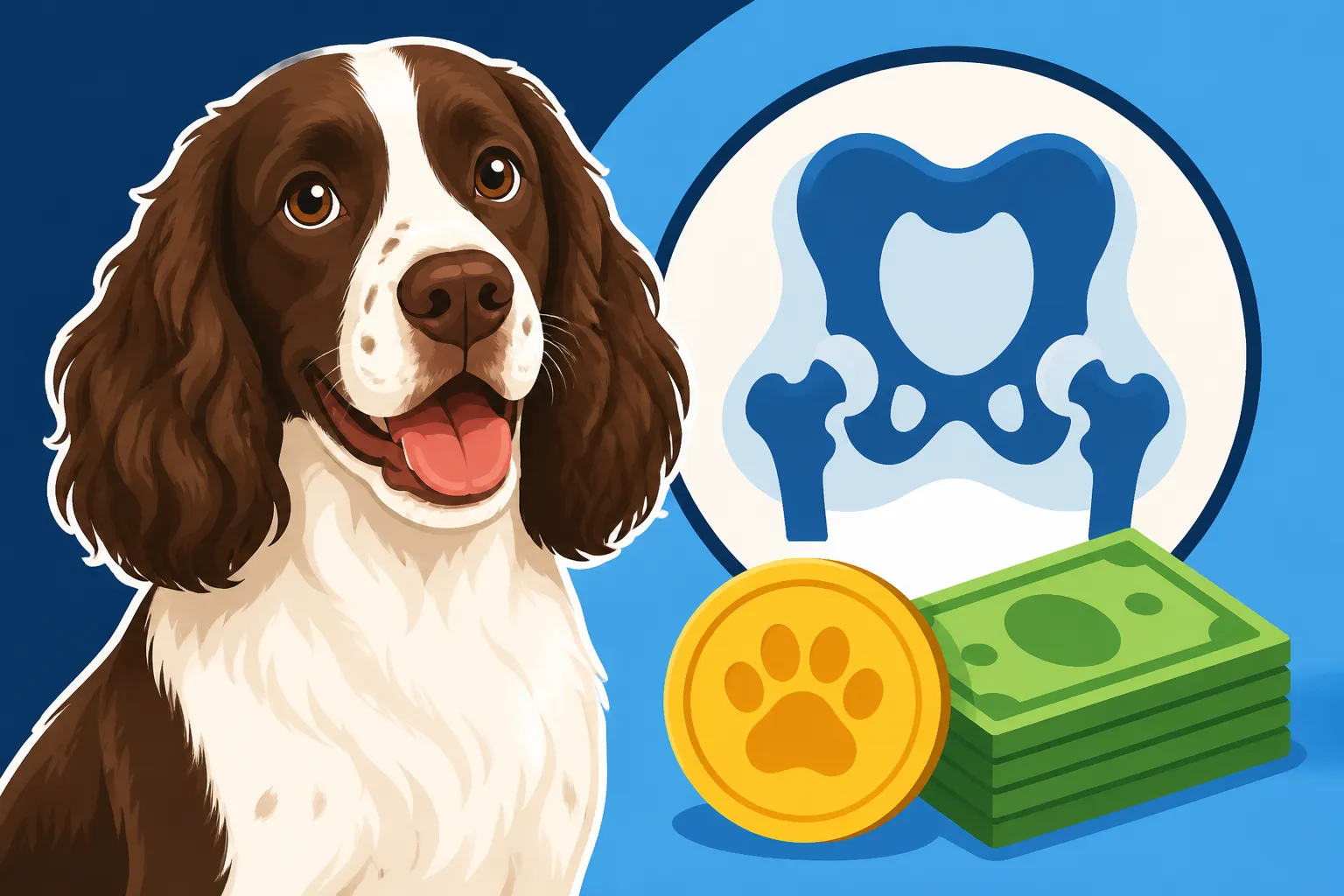
When we talk about breeding English Springer Spaniels, hip health is right up there at the top of the list of concerns. These active, energetic dogs are prone to a condition called hip dysplasia, a developmental abnormality of the hip joint. It’s not just a fancy vet term; it’s a real, painful, and often debilitating condition that can significantly impact a dog's quality of life, leading to arthritis and chronic pain, especially as they age. This is why the Orthopedic Foundation for Animals (OFA) certification isn't just a "nice-to-have" for breeders; it's absolutely crucial.
The Genetic Component of Hip Dysplasia
One of the biggest heartaches for any dog owner is seeing their beloved companion in pain, and hip dysplasia can certainly cause that. The tricky part about hip dysplasia is that while environmental factors like diet and exercise can play a role, there's a strong genetic predisposition. This means that if parents have dysplastic hips, their offspring are at a much higher risk of developing the condition. Imagine falling in love with a bouncy Springer Spaniel puppy, only to find them struggling to get up from a nap or limping after a short walk before they're even a few years old. It's a devastating prospect, and one that responsible breeders actively work to prevent. This understanding drives the need for rigorous health screening.
Responsible breeders are striving to minimize the incidence of genetic conditions like Hip Dysplasia in a Springer Spaniel by carefully selecting their breeding stock. They aren't just looking at pretty faces or impressive pedigrees; they're digging deep into the genetic health history of their dogs and their lines. Certification through programs like the OFA provides a standardized, objective assessment of hip quality, giving breeders a tangible tool to make informed decisions. It's a testament to their commitment to the breed's long-term health, aiming to produce puppies that will enjoy active, pain-free lives for The Twelve to Fourteen Years a Springer Spaniel Lives.
Setting the Standard for Responsible Breeding
For a new puppy buyer, seeing an OFA certification on a potential parent dog's pedigree provides a huge sense of reassurance. It tells you that the breeder isn't just guessing about their dogs' health, or worse, ignoring potential problems. It indicates that they've invested time, effort, and money into having their dogs evaluated by veterinary specialists according to strict protocols. This commitment helps to uphold the integrity of the breed as a whole.
This kind of health testing also directly impacts the value and reputation of a breeder. A breeder who consistently produces healthy puppies from health-tested parents builds trust within the community. Conversely, a breeder who skirts these tests often ends up with a bad reputation and, unfortunately, may contribute to the perpetuation of these painful conditions in the breed. When you’re looking for a puppy, always ask about The Health Tests Both Springer Spaniel Parents Should Have because skipping these steps often means a "cheaper" puppy up front, but a lifetime of potential heartache and exorbitant vet bills down the line. It's truly an investment in preventing future suffering and ensures that the English Springer Spaniel remains the vibrant, active companion we all adore.
The Step-by-Step Process of OFA Hip Certification
Getting an OFA hip certification isn't as simple as just getting a regular X-ray at your local vet clinic. It's a specific, multi-step process designed to ensure accurate and consistent evaluation of a dog's hip joints. This thoroughness is exactly why it's so respected within the veterinary and breeding communities, but it also adds to the complexity and, yes, the cost for the breeder.
Preparing for the Radiographs
The journey to OFA certification usually begins when a Springer Spaniel is at least 24 months old. This age is crucial because it allows the hip joints to be fully developed, ensuring the most accurate assessment. Before the X-rays can even happen, the dog needs to be in tip-top shape. This means good general health, a clean coat, and often, a fasting period before sedation or anesthesia. Yes, I said sedation – because getting the perfect, precise angles required for OFA evaluation often means the dog needs to be completely still and relaxed.
A breeder will typically schedule this with their regular veterinarian, but it's important that the vet clinic is experienced with OFA positioning. Improper positioning can lead to inconclusive results or even a lower score, meaning the whole process might need to be repeated. Some breeders might even travel to a veterinary specialist or a clinic known for its excellent OFA submission success rate. It's not just about snapping a picture; it's about artfully and precisely positioning the dog in specific ways to get the clearest possible view of the joint structure.
The Radiography Procedure and Submission
Once the dog is sedated and positioned correctly, a series of X-ray images are taken. The standard OFA hip view is a ventrodorsal extended view, where the dog is on its back with its hind legs extended straight and parallel to each other. Additional views might be taken depending on the veterinarian's discretion or if there are any initial concerns. These radiographs are then carefully labeled with the dog's information, including its registered name, registration number, breed, date of birth, and the date the X-rays were taken.
The veterinarian then submits these digital images, along with the required paperwork and fees, directly to the OFA. The OFA uses a panel of three independent, board-certified veterinary radiologists to review and grade the hips. This "blind" review process, where the radiologists don't know who owns the dog or who the other reviewers are, helps ensure objectivity. The hips are graded on a scale from Excellent to Severe. Only hips graded Excellent, Good, or Fair are considered passing for breeding purposes. This rigorous process is exactly what gives the OFA its credibility, and it’s why breeders rely on it to make informed decisions about their breeding stock and to answer the question, Whether a Springer Spaniel's Hip Score Predicts Arthritis later in life.
Deconstructing the Direct Costs of OFA Hip Certification
When a breeder tells you their puppies are from OFA-certified parents, they're not just saying a fancy phrase; they're communicating a significant financial investment they've made into the health of their breeding program. The direct costs associated with OFA hip certification are multifaceted, reflecting the specialized veterinary care and professional evaluation involved. It’s not just a single fee, but a combination of services that add up.
Veterinary Consultation and Radiograph Fees
The most substantial part of the direct cost comes from the veterinary clinic itself. This includes the fee for the veterinarian's time and expertise in performing the examination and taking the X-rays. Think about it: they're not just taking a quick snapshot. They're carefully positioning a sedated dog, ensuring the X-ray is perfectly centered and angled according to OFA's strict guidelines. This requires skill, patience, and specialized equipment.
Beyond the actual X-rays, there's the cost of sedation or light anesthesia. Most dogs, even the calmest Springer Spaniels, cannot hold the precise, extended position required for OFA radiographs without chemical assistance. Anesthesia comes with its own set of costs, including the drugs themselves, monitoring equipment, and the veterinary staff’s time to oversee the dog’s safety throughout the procedure. Some clinics might even recommend pre-anesthetic blood work to ensure the dog is healthy enough for sedation, adding another layer of expense. These aren't optional extras; they're essential components of a safe and effective OFA submission.
OFA Submission and Processing Fees
Once the X-rays are taken, the images and paperwork must be submitted to the Orthopedic Foundation for Animals (OFA) for their panel of expert radiologists to review. The OFA charges its own submission and processing fees for this service. This fee covers the cost of having three board-certified veterinary radiologists independently evaluate the radiographs and assign a hip grade. This rigorous, multi-expert review is a cornerstone of the OFA's credibility, ensuring that the results are as objective and accurate as possible.
It's important to remember that these fees are per dog and per condition tested. So, if a breeder is also submitting for elbow certification, or perhaps a re-evaluation of hips, each submission incurs its own fee. While the exact figure can fluctuate, it's a non-negotiable part of the process. For breeders who are diligently testing all their breeding stock, these fees represent a consistent, recurring investment in genetic health. Combined with the vet costs, it’s clear that responsible health testing is far from cheap, which is why when you see a puppy from health-tested parents, you're looking at a dog where significant care and cost have already been invested.
Beyond the X-Ray: Indirect and Related Expenses for Breeders
While the direct costs of veterinary services and OFA submission fees are clear, any seasoned English Springer Spaniel breeder will tell you that the true cost of health certification extends much further. There are numerous indirect and related expenses that, while perhaps less obvious to the casual observer, significantly contribute to the overall investment in a healthy breeding program. These are the "hidden" costs of doing things the right way.
Travel, Time, and Opportunity Costs
For a breeder, getting a dog OFA certified isn't just about the money that leaves their bank account; it's also about the time and logistical effort involved. Many specialized veterinary clinics or board-certified radiologists who excel at OFA positioning might not be just around the corner. This often means significant travel time and fuel costs, especially for breeders in more rural areas. A breeder might spend a whole day driving to and from an appointment, waiting for their dog to be sedated, X-rayed, and then recover. That's a full day that could have been spent on other breeding program tasks, work, or family responsibilities.
Beyond the physical travel, there's the opportunity cost. For a dedicated breeder, every hour spent on health testing is an hour not spent training, socializing, or caring for other dogs. These are skilled individuals who might be losing income from their primary jobs or foregoing other activities. It's a dedication that speaks volumes about their commitment to the breed. And this is just for one dog! Imagine a breeder with several potential breeding animals, each requiring these appointments and associated time commitments. It adds up very quickly.
Supporting a Healthy Breeding Dog
Preparing a Springer Spaniel for OFA certification isn't just about the day of the X-rays. It's a year-round commitment to their overall health, which indirectly impacts the success and cost of certification. A dog with good muscle tone and a healthy weight is often easier to position for X-rays and may even present better joint conformation. This means investing in high-quality nutrition throughout their lives. Brands like Ollie, known for their fresh, human-grade ingredients, or high-quality kibble available from retailers like Chewy, are often chosen by breeders to ensure optimal health from puppyhood onward.
Furthermore, a breeder is always mindful of their dog’s overall well-being, which includes preventative vet care leading up to the certification. Regular check-ups, vaccinations, and parasite prevention all contribute to a dog being in prime condition for health evaluations. If a dog has an underlying health issue, even minor, it might delay or complicate the OFA process. These routine health maintenance costs, while not directly billed as "OFA fees," are nonetheless essential for a successful certification outcome. It’s a holistic approach to canine health that underscores the true dedication of responsible breeders.
The Return on Investment: Why Breeders Absorb These Costs
Looking at the costs, both direct and indirect, you might wonder why any breeder would voluntarily take on such a financial and logistical burden. The answer lies in a combination of ethical responsibility, long-term breed health, and ultimately, the reputation and viability of their own breeding program. For a dedicated English Springer Spaniel breeder, these costs aren't merely expenses; they're an essential investment with multiple returns.
Protecting the Breed's Future and Reputation
At the heart of every good breeder's motivation is a deep love for the English Springer Spaniel breed and a desire to see it thrive for generations to come. By meticulously screening for conditions like hip dysplasia, breeders actively work to reduce the prevalence of these genetic diseases in the breed's gene pool. This isn't just about their own dogs; it's about making a positive contribution to the entire breed. Think of it as being a steward of the breed, ensuring that future generations of Springer Spaniels are as healthy and robust as possible.
This dedication to health testing also builds a breeder's reputation within the dog community. Breeders who consistently produce healthy, well-adjusted puppies from health-tested parents earn trust and respect. This positive reputation is invaluable, attracting responsible puppy buyers and establishing the breeder as a reputable source. On the flip side, a breeder who cuts corners on health testing quickly gains a negative reputation, and rightly so, which can severely impact their ability to place puppies in good homes. It's a long-term game, and the investment in OFA certification pays dividends in credibility and ethical standing.
Peace of Mind for Breeders and Puppy Owners
Perhaps one of the most significant, yet intangible, returns on investment for a breeder is peace of mind. Knowing that their breeding dogs have passed rigorous health clearances like OFA hip certification allows them to sleep soundly at night, confident that they've done everything within their power to produce healthy puppies. This isn't just about avoiding potential financial liability for health guarantees; it's about the emotional burden of knowing you've contributed to a puppy's suffering.
For puppy owners, this peace of mind is equally invaluable. When you bring home a Springer Spaniel puppy from OFA-certified parents, you have a much higher assurance that your new family member has the best possible start to a healthy life. While no test can guarantee a 100% absence of all health issues, OFA certification drastically reduces the risk of debilitating conditions like hip dysplasia. This translates into fewer heartbreaking vet visits, potentially lower lifetime medical costs, and more years of joyful companionship. For example, knowing you have a genetically sound puppy might influence your decision on whether to invest in pet insurance from providers like Healthy Paws, knowing you're protecting against unforeseen accidents or illnesses, rather than managing a known genetic predisposition.
Navigating Other Health Clearances and Their Impact on Breeding Costs
While OFA hip certification is a cornerstone of responsible English Springer Spaniel breeding, it's far from the only health clearance conscientious breeders undertake. A truly comprehensive health testing regimen for a Springer Spaniel involves multiple evaluations, each with its own costs and complexities. Understanding these additional clearances is crucial for grasping the full financial commitment of a dedicated breeder.
Beyond Hips: Elbows, Eyes, and DNA Panels
A responsible Springer Spaniel breeder typically doesn't stop at just hip evaluations. Elbow dysplasia is another common orthopedic concern in the breed, and the OFA also offers certification for elbows, following a similar X-ray and evaluation process. This means additional veterinary fees, sedation costs, and OFA submission fees, essentially doubling the orthopedic screening expense. Imagine the joy of a Springer Spaniel running freely, then consider the pain of Elbow Dysplasia in a Springer Spaniel and you understand why breeders tackle this too.
Beyond orthopedics, eye health is paramount for a breed like the Springer Spaniel. Breeders regularly have their dogs examined by a board-certified veterinary ophthalmologist to check for hereditary eye diseases such as Progressive Retinal Atrophy (PRA), Retinal Dysplasia, and Entropion. These eye exams are usually performed annually and submitted to the OFA's companion eye registry, the Canine Eye Registry Foundation (CERF), or directly to OFA for their eye database. Each annual exam incurs a specialist's fee. You can read more about The Four Eye Diseases a Springer Spaniel Breeder Screens For and understand why these regular checks are vital.
Then there are the genetic DNA tests. Conditions like Fucosidosis and Phosphofructokinase (PFK) Deficiency are serious, inherited diseases that can be identified through simple DNA tests. A breeder will typically utilize a reputable genetic testing lab, and while these tests are usually less expensive individually than OFA X-rays, many breeders opt for comprehensive breed-specific panels that test for multiple conditions at once. Companies like Embark offer panels that screen for dozens of genetic diseases, providing a wealth of information but also adding to the overall cost. These DNA tests are a huge step forward in eradicating these diseases from the breed. A DNA test like The DNA Test That Should Precede Every Springer Spaniel Purchase can save future heartache.
The Cumulative Cost of Comprehensive Health Testing
When you consider the combined expense of hip certification, elbow certification, annual eye exams, and a full panel of genetic DNA tests, the costs for a single breeding dog quickly become substantial. We're talking about multiple vet visits, specialist fees, sedation, X-rays, lab fees, and OFA/CERF submission fees – all for one dog, before they even produce a single litter.
This cumulative financial commitment underscores why well-bred English Springer Spaniel puppies, from health-tested parents, command a higher price point. This isn't about profit-mongering; it's about recouping a fraction of the significant investment made to ensure the health and future of the breed. Breeders aren't just selling a puppy; they're selling the assurance that generations of careful planning, extensive health screening, and ethical practices have gone into producing that healthy, vibrant companion. It’s a testament to their dedication, and it’s why understanding What a Springer Spaniel Puppy Costs in 2026 means understanding the value of these crucial health clearances.
| Health Clearance Type | Primary Purpose | Typical Age for Testing | Involved Professional | Key Costs (Shape, Not Specifics) |
|---|---|---|---|---|
| OFA Hips | Assess hip joint conformation; screen for dysplasia | 24 months + | General Vet (skilled in positioning) + OFA Radiologist Panel | Veterinary consultation, sedation/anesthesia, X-rays, OFA submission fee |
| OFA Elbows | Assess elbow joint conformation; screen for dysplasia | 24 months + | General Vet (skilled in positioning) + OFA Radiologist Panel | Veterinary consultation, sedation/anesthesia, X-rays, OFA submission fee (often done concurrently with hips) |
| Eye Exams (CERF/OFA Eye) | Screen for inherited eye diseases (PRA, RD, Entropion, Glaucoma) | Annually | Board-Certified Veterinary Ophthalmologist | Specialist examination fee, OFA/CERF listing fee |
| DNA Panel (e.g., Fucosidosis, PFK) | Screen for specific genetic diseases | Any age (often once in lifetime) | DNA Testing Lab (sample collected by owner/vet) | Lab processing fee for panel or individual tests |
Disclaimer
This article is for general informational purposes only and does not constitute professional advice. Laws, prices and regulations vary by location and change over time. Consult a qualified professional for guidance on your specific situation.