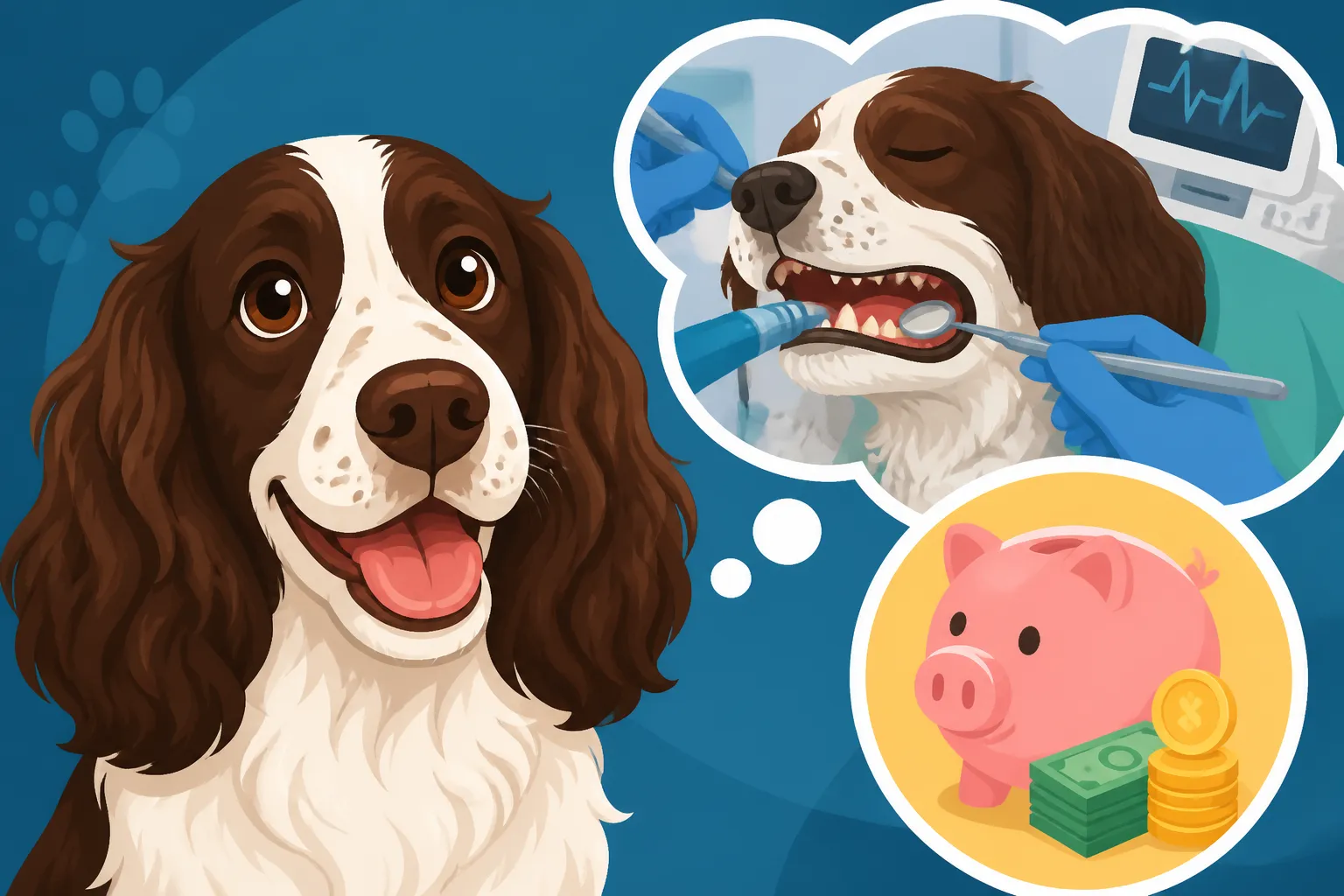
What a Springer Spaniel’s Dental Costs Under Anesthesia
One of the most common worries for any English Springer Spaniel owner, especially as our beloved companions age, is the thought of veterinary dental work. You might diligently brush your dog's teeth, but eventually, plaque and tartar can build up under the gumline, leading to pain, infection, and even systemic health issues. The inevitable question then becomes: what does a comprehensive dental cleaning or even extractions cost when anesthesia is involved? It's not just a simple cleaning; it's a medical procedure that requires careful planning and execution, and understanding the various components that contribute to the final bill can help alleviate some of that financial anxiety. This guide aims to break down the costs associated with a Springer Spaniel's dental procedure under anesthesia, from the initial consultation to post-operative care, so you're prepared for what's ahead.
Understanding the Components of Dental Care Under Anesthesia
Sending your lively Springer Spaniel in for a dental procedure under anesthesia can feel daunting. It's more than just a quick brush-up; it's a careful medical process with several crucial steps, each contributing to the overall cost and, more importantly, to your dog's safety and well-being. Think of it as preparing for a human surgery – there are pre-op checks, the procedure itself, and careful post-op monitoring.
The Initial Exam and Diagnostics
Before your Springer Spaniel even thinks about stepping into the dental suite, there's a vital preliminary stage: the initial examination and diagnostic tests. Your veterinarian needs to ensure your dog is healthy enough to undergo anesthesia. This isn't just a formality; it's a critical safety measure, especially for breeds like Springers who can occasionally have underlying health conditions.
This stage typically begins with a thorough physical examination. Your vet will listen to your Springer's heart and lungs, check their general condition, and take a close look at their mouth to get a preliminary idea of the dental disease severity. They're looking for any red flags that might make anesthesia riskier. For example, if your Springer Spaniel is breathing a little heavy or has a cough, they might investigate further before proceeding.
Following the physical exam, pre-anesthetic blood work is almost always recommended. This includes a complete blood count (CBC) to check for infection, anemia, or other blood disorders, and a chemistry panel to assess organ function, particularly the liver and kidneys, which are crucial for processing anesthetic drugs. Imagine your energetic Springer, "Rusty," who bounds around the house like a spring-loaded toy. Even though he seems perfectly healthy, these blood tests reveal if his internal systems are ready to handle the stress of anesthesia, reducing the risk of complications.
In some cases, especially for older Springer Spaniels or those with suspected heart issues, additional diagnostics like a urinalysis, chest X-rays, or even an electrocardiogram (ECG) might be recommended. These provide a more complete picture of your dog's overall health and help the veterinary team tailor the anesthetic protocol specifically for your Springer Spaniel, making the experience as safe as possible. These tests are an investment in your dog's safety, allowing the vet to make informed decisions about their care.
Anesthesia Monitoring and Safety Protocols
Once your Springer Spaniel has been cleared for anesthesia, the focus shifts to ensuring their safety throughout the entire procedure. This isn't a "set it and forget it" situation; it's a highly monitored and dynamic process that demands constant attention and specialized equipment. This commitment to safety is a significant component of the overall dental cost, and rightly so.
The process usually begins with placing an intravenous (IV) catheter, typically in a leg vein. This allows for the administration of anesthetic drugs, emergency medications if needed, and most importantly, IV fluids. Administering IV fluids helps maintain blood pressure, support organ function, and aid in recovery by keeping your Springer hydrated during the procedure. This is a standard protocol that significantly enhances the safety margin for any anesthetized patient.
During the actual anesthesia, a dedicated veterinary technician will be constantly monitoring your Springer Spaniel. They'll use sophisticated equipment to track vital signs such as heart rate, respiratory rate, blood pressure, oxygen saturation, and body temperature. Your Springer will also be intubated, meaning a tube will be placed into their windpipe to deliver anesthetic gas and oxygen directly, ensuring their airway remains clear and protected. For a Springer Spaniel named "Daisy" who might have a slight heart murmur, this constant monitoring and personalized attention are absolutely critical, as any fluctuation in her vitals can be immediately addressed by the team.
The expertise of the veterinary staff, from the veterinarian overseeing the procedure to the technicians meticulously monitoring your dog, is invaluable. They are trained to recognize subtle changes and react swiftly to prevent complications. This comprehensive approach to anesthesia safety means that while your Springer Spaniel is completely relaxed and unaware, they are under the vigilant watch of a skilled team, ensuring they wake up as comfortably and safely as possible. It's a testament to modern veterinary care that these procedures, once much riskier, are now routinely performed with a high degree of safety.
The Dental Procedure Itself: Cleaning, Extractions, and Beyond
The core of any dental appointment under anesthesia for your Springer Spaniel is the actual work performed inside their mouth. This is where the veterinary team addresses the plaque, tartar, and any underlying issues that have been causing discomfort or infection. It's a meticulous process that often uncovers problems that simply can't be seen or managed while your dog is awake.
Professional Cleaning and Polishing
Just like when you visit your dentist for a cleaning, your Springer Spaniel benefits from a thorough professional scaling and polishing. This goes far beyond what you can achieve with a toothbrush at home, no matter how dedicated you are to your dog's oral hygiene. While home brushing is incredibly helpful for preventing buildup, it typically can't remove hardened tartar, especially below the gumline.
Once your Springer Spaniel is safely under anesthesia, the veterinary team begins with a full oral examination. They meticulously probe each tooth, checking for pockets, gum recession, and any signs of disease. They use specialized ultrasonic scalers, similar to those used by human dentists, to remove plaque and tartar from the surface of the teeth and, crucially, from beneath the gumline. This subgingival cleaning is paramount because it addresses the bacteria that cause periodontal disease, which is the leading cause of tooth loss in dogs. Imagine your determined "Finn," who lets you brush his front teeth but resists when you try to get to the molars. Over time, that hidden tartar can wreak havoc.
After scaling, each tooth is polished using a special paste and a rotary tool. Polishing creates a smooth tooth surface, making it much harder for plaque and bacteria to adhere in the future. This step is often overlooked by pet owners but is just as important as the scaling itself for long-term dental health. Finally, the veterinarian will often perform full-mouth dental X-rays. This is a game-changer for identifying hidden problems, like abscesses, bone loss, or unerupted teeth, that are completely invisible to the naked eye. These X-rays are crucial for making informed decisions about whether extractions are necessary and for ensuring no underlying issues are missed.
The Unforeseen: Extractions and Oral Surgery
One of the biggest variables in the cost of a Springer Spaniel's dental procedure is the possibility of extractions or other oral surgery. It’s incredibly common for a simple "cleaning" appointment to reveal issues that require more intensive intervention, purely because the full extent of the problem can only be assessed once the dog is anesthetized and comprehensive oral exams and X-rays are performed.
Many times, what appears to be a slightly discolored tooth on the surface might be harboring a deep, painful infection at its root, or significant bone loss surrounding it. If X-rays reveal such problems, or if teeth are severely fractured, loose, or diseased beyond saving, extractions become necessary. This isn't a decision taken lightly; your vet will always aim to save teeth if possible, but removing a painful, infected tooth is often the kindest and most medically sound course of action for your Springer's long-term health. Think of "Buddy," who went in for what you thought was a routine cleaning. The vet called you mid-procedure to explain that several teeth were so rotten beneath the gumline that they were causing him immense pain, and extraction was the only way forward.
The process of tooth extraction in dogs is a skilled surgical procedure. It often involves local nerve blocks to provide excellent pain relief, careful surgical techniques to extract the tooth without damaging the jawbone, and sometimes sutures to close the gum tissue. The cost increases with the number of teeth extracted and the complexity of each extraction. A simple, single-rooted tooth is far less involved than a multi-rooted molar that requires surgical flaps and bone removal. The time involved, the specialized tools, the additional local anesthetics, and the need for post-operative pain management all add to the overall expense.
Beyond extractions, your vet might encounter other issues, such as oral masses that require biopsy or removal, or a fractured jaw from previous trauma. These situations, while less common, highlight why it's so important for your Springer Spaniel to be thoroughly examined under anesthesia. Addressing these problems immediately prevents further suffering and more costly complications down the road.
Pain Management and Post-Procedure Care
The care for your Springer Spaniel doesn't end when the dental procedure is complete and they start to wake up. Just like humans, dogs need effective pain management and careful post-procedure care to ensure a comfortable recovery and prevent complications. This vital aspect of the dental process is another component that contributes to the overall cost, but it's one you definitely don't want to skimp on.
During the procedure, your veterinary team will likely have already administered pain medication, often in conjunction with local anesthetic nerve blocks directly to the teeth and gums. This "multi-modal" approach to pain relief is highly effective, targeting pain from different angles to keep your Springer Spaniel as comfortable as possible. As they recover from anesthesia, they'll continue to be monitored closely for any signs of discomfort. Ensuring they are warm, quiet, and receiving adequate pain relief is paramount to a smooth recovery.
When your Springer Spaniel is ready to go home, you'll typically be sent home with a course of oral pain medication, and sometimes antibiotics, especially if extractions were performed or if there was significant infection. These medications are crucial for managing any residual discomfort and preventing post-operative infections. You'll also receive detailed instructions on how to care for your dog's mouth at home, including dietary recommendations (soft food might be necessary for a while), restrictions on chewing hard toys, and when to resume brushing. Imagine "Rosie" coming home a bit groggy but otherwise comfortable because of the excellent pain control. Your vet will give you a schedule for her medications and advise you on how to make her transition back to home life as easy as possible.
Sometimes, a follow-up appointment is recommended, particularly if there were extensive extractions or if your vet wants to recheck the surgical sites. This ensures everything is healing correctly and that your Springer Spaniel is on the right track to a healthy, pain-free mouth. This comprehensive approach to pain management and aftercare not only makes the recovery process easier for your dog but also helps prevent future issues, truly maximizing the investment you've made in their dental health.
Factors Influencing the Total Bill and How to Manage It
It’s clear that a Springer Spaniel’s dental procedure under anesthesia involves many moving parts. Because of this complexity, the final bill can vary quite a bit. Understanding the factors that influence this cost can help you anticipate expenses and plan effectively, ensuring your beloved companion gets the care they need without unnecessary stress on your budget.
Geographical Location and Clinic Type
Where you live and the type of veterinary clinic you choose can have a significant impact on what you pay for your Springer Spaniel's dental procedure. Veterinary costs are not universally uniform; they are influenced by regional economics, the cost of living, and the overhead expenses of operating a practice in a particular area.
Generally speaking, veterinary services in major metropolitan areas or affluent suburbs tend to be higher than those in rural communities. This is often due to higher rent, increased staff wages, and greater access to specialized equipment and services. A dental cleaning in, say, San Francisco or New York City is likely to cost more than the same procedure in a smaller town in the Midwest. It’s also worth noting that states with higher regulatory requirements for veterinary medicine may also see slightly elevated costs. This means if you live in an urban center, it’s always a good idea to get quotes from a couple of different clinics in your area.
Furthermore, the type of clinic makes a difference. A general veterinary practice will offer standard dental cleanings and extractions. However, if your Springer Spaniel has particularly severe or complex dental issues, your vet might recommend a referral to a veterinary dental specialist. These specialized clinics offer advanced procedures, such as root canals, orthodontics, or complex oral surgery, and their services will naturally come at a higher price point due to the specialized training, equipment, and expertise involved. For example, comparing the quote for your Springer "Cody's" dental work between your beloved local vet in a small community versus a state-of-the-art dental specialist clinic an hour away will likely show a noticeable difference.
Severity of Dental Disease and Your Dog's Age
Perhaps the most significant factor influencing the cost of your Springer Spaniel's dental procedure is the actual condition of their teeth and gums. The more advanced the dental disease, the more time, effort, and resources will be required to address it effectively, directly impacting the final bill.
If your Springer Spaniel has only mild plaque and tartar buildup with no significant gum disease or damaged teeth, a routine cleaning and polishing will be relatively straightforward and less expensive. However, if they have advanced periodontal disease, with deep pockets of infection, significant tartar accumulation, bone loss around the teeth, or multiple painful teeth requiring extraction, the procedure becomes far more involved. Each extraction adds time under anesthesia, requires more surgical skill, and necessitates additional materials like sutures, local nerve blocks, and post-operative medications. Think about "Max," your older Springer Spaniel who has a mouth full of problematic teeth. What might have been a simple cleaning in his younger years has become a much more extensive and therefore costly procedure now that he's older and the issues have compounded.
Your Springer Spaniel's age also plays a role, not just because older dogs tend to have more accumulated dental disease, but also due to increased anesthetic risks. Senior dogs often require more extensive pre-anesthetic blood work, more cautious anesthetic protocols, and more intensive monitoring during the procedure. The vet team might spend more time planning and executing the procedure to minimize risks for an older dog, which can reflect in the cost. This isn't just about age itself, but the associated health concerns that tend to emerge with age. Caring for a Springer Spaniel Past Nine often means addressing a host of potential health issues, with dental care being a significant one. Prioritizing preventative care, like regular home brushing and routine professional cleanings, can often prevent these minor issues from escalating into major, costly problems.
Pet Insurance and Financial Planning
Facing a potentially large veterinary bill for your Springer Spaniel's dental care can be stressful, but there are proactive steps you can take to manage these costs. Pet insurance is one of the most effective ways to mitigate unexpected expenses, especially when complex procedures like multiple extractions are involved.
Many pet insurance plans, such as those offered by Healthy Paws, cover a portion of unexpected dental procedures like extractions due to injury or illness, once your deductible is met. It’s important to read the fine print, however, as routine cleanings are often excluded from standard accident and illness policies or may only be covered if you opt for a wellness rider. For many Springer Spaniel owners, the cost of What Insuring a Springer Spaniel Costs Monthly can feel like an added expense, but it provides invaluable peace of mind when significant health issues arise. Consider "Bella," who suddenly needed several teeth removed due to advanced periodontal disease. If her owner had pet insurance, a good portion of that expensive surgical bill might have been reimbursed, easing the financial burden considerably.
Beyond insurance, proactive financial planning is crucial. Some owners set up a dedicated savings account specifically for their pet's veterinary expenses. By setting aside a small amount each month, you build a fund that can cover routine care, emergency visits, and those essential dental procedures. This approach gives you financial flexibility and ensures you can make the best medical decisions for your Springer Spaniel without immediate financial strain. You could even look into getting dental hygiene products from retailers like Chewy to extend the time between professional cleanings, but remember these are supplements, not replacements, for professional veterinary care.
Another option is to explore payment plans or financing options offered by your veterinary clinic or third-party providers. Many clinics understand that large bills can be challenging and are willing to work with clients to find a manageable solution. While dietary choices from brands like Ollie might contribute to overall health and potentially better breath, it's essential to remember that fresh food, while beneficial, is not a substitute for professional dental care under anesthesia when significant tartar and gum disease are present. Preparing for Setting Money Aside for a Springer Spaniel's Vet Bills is a wise decision for any responsible pet owner, ensuring your Springer Spaniel enjoys a healthy, pain-free life.
Here's a breakdown of common dental procedure components and how they contribute to the cost:
| Component | Description | Impact on Cost |
|---|---|---|
| Pre-anesthetic Exam | Physical check-up by vet | Minor, typically part of consultation fee |
| Pre-anesthetic Blood Work | CBC, chemistry panel to assess organ function & health | Moderate, crucial for safety, can vary based on tests |
| IV Catheter & Fluids | Ensures hydration, maintains blood pressure, access for meds | Moderate, standard safety protocol |
| Anesthesia Monitoring | Dedicated technician, equipment (ECG, pulse oximeter, blood pressure) | Significant, reflects staff expertise & equipment |
| Dental Prophylaxis | Scaling above & below gumline, polishing all teeth | Core cost, varies by time/severity |
| Full-Mouth Dental X-rays | Essential for identifying hidden disease below the gumline | Moderate to significant, depends on number of images required |
| Tooth Extractions | Removal of diseased or fractured teeth | Highly variable, increases with number/complexity of extractions, requires more time and resources |
| Oral Surgery (complex) | Procedures like gingival flaps, bone removal, mass biopsies | Significant increase, due to advanced techniques & time |
| Pain Medication (during) | Injectable pain relief administered during procedure | Minor, often included in anesthesia fee or procedure |
| Take-Home Medications | Oral antibiotics, pain relief, anti-inflammatories for recovery | Minor to moderate, depends on type and quantity of medications |
| Follow-up Appointment | Recheck of surgical sites, general recovery assessment | Minor, sometimes included or a small consultation fee |
This article is for general informational purposes only and does not constitute professional advice. Laws, prices and regulations vary by location and change over time. Consult a qualified professional for guidance on your specific situation.