Whether Eye Drops Save a Springer Spaniel’s Sight
It's heartbreaking to see your beloved Springer Spaniel start to struggle with their vision, bumping into furniture, hesitating on stairs, or simply not tracking that thrown bumper like they used to. As devoted dog parents, our first instinct is to ask: can something be done? Specifically, when it comes to eye conditions, many owners wonder if simple eye drops can truly save a Springer Spaniel's precious sight. This guide will delve into the nuances of eye health in our Springers, exploring when eye drops are a lifesaver and when they fall short.
Understanding the Common Eye Threats to Springer Spaniel Sight
Springer Spaniels, with their sweet, expressive eyes, are unfortunately prone to several inherited and acquired eye conditions that can threaten their vision. It's not just one blanket issue; different problems require different approaches, and the effectiveness of eye drops varies dramatically depending on what's going on inside your dog's eye. Knowing what to look for, and when to act, is paramount.
Primary Glaucoma: A Silent Blinder with Urgent Needs
One of the most devastating eye conditions we see in Springer Spaniels is primary glaucoma. This isn't just a mild irritation; it's a painful, rapidly progressing disease where pressure builds up inside the eye, damaging the optic nerve and retina. Imagine a constant, throbbing headache localized right in their eye – that’s what severe glaucoma can feel like for your dog. The pressure increase happens because the fluid (aqueous humor) that normally nourishes the eye can't drain properly. Our Springers are particularly susceptible to this inherited form, and it can strike seemingly out of nowhere, often presenting as a sudden emergency.
This condition is absolutely an emergency. You might wake up one morning to find your dog's eye looking cloudy, red, noticeably larger, or they may be squinting, rubbing it, or showing signs of discomfort. Time is critically important in these situations. The longer the pressure remains high, the more irreversible damage occurs to the delicate structures within the eye. Without immediate intervention by a veterinary ophthalmologist, vision loss can become permanent within hours to days. Many owners don't realize how quickly this can progress, often thinking it's just a minor irritation that will pass. This is why understanding the urgency and seeking immediate veterinary attention is paramount. You can learn more about how this condition progresses and the devastating consequences in our article, "How Primary Glaucoma Blinds a Springer Spaniel".
Progressive Retinal Atrophy PRA: A Genetic Degeneration with No Cure
Another significant concern for Springer Spaniel owners is Progressive Retinal Atrophy, or PRA. Unlike glaucoma, which is a structural and pressure problem, PRA is a genetic condition affecting the retina, the light-sensitive tissue at the back of the eye. With PRA, the photoreceptor cells in the retina (rods and cones) gradually degenerate. Initially, your dog might struggle with night vision, becoming hesitant in dimly lit areas or bumping into objects in low light. As the disease progresses, their daytime vision will also worsen, eventually leading to complete blindness.
The insidious nature of PRA is that it's painless, and often, by the time owners notice significant vision loss, the degeneration is well underway. There's no inflammation or obvious discomfort for your dog, making it harder to spot in its early stages without routine eye exams. This slow, relentless progression can be heartbreaking to watch, knowing there's no way to stop it. While there are DNA tests available to identify carriers and affected dogs, once the clinical signs appear, the course of the disease is generally irreversible. Unfortunately, there are currently no effective treatments, including eye drops, that can reverse or halt the progression of PRA. For a deeper dive into this condition, check out "Progressive Retinal Atrophy in a Springer Spaniel".
Other Eye Conditions: From Discomfort to Blindness Risk
Beyond these two major threats, Springer Spaniels can experience other eye issues, though some are less immediately sight-threatening than glaucoma or PRA. Each requires a different approach, and the role of eye drops varies accordingly.
- Retinal Dysplasia: This is a malformation of the retina, typically present from birth, where retinal tissue does not develop correctly. It can range from small, benign folds that don't impact vision to more severe forms that can cause significant vision impairment or even blindness. While less common, it's something responsible breeders screen for. Our article on "Retinal Dysplasia in a Springer Spaniel" provides more information on this condition.
- Entropion: This is a structural problem where the eyelid rolls inward, causing eyelashes and fur to constantly rub against the cornea. This ongoing irritation can lead to pain, chronic tearing, corneal ulcers, and secondary infections. While not directly a cause of blindness, severe, untreated entropion can lead to corneal scarring that obstructs vision or severe secondary infections. Eye drops may manage the symptoms, but surgery is often the definitive treatment for entropion. "Entropion in a Springer Spaniel" details this painful condition.
- Cataracts: While not as common in Springer Spaniels as in some other breeds, cataracts can occur, leading to a clouding of the lens inside the eye. This clouding obstructs light from reaching the retina, impairing vision. It can range from small opacities that don't affect vision to complete clouding, leading to significant vision loss or blindness. Certain types of cataracts can be inherited. Eye drops play a minimal role here; surgical removal of the cataract is the only way to restore vision.
How Eye Drops Work: Different Types and Their Purposes
It's easy to think of eye drops as a simple, all-encompassing solution, but in reality, they are highly specific medications designed to address particular issues. Understanding the different categories of eye drops and their limitations is key to managing your Springer's eye health effectively, and knowing whether they stand a chance of saving sight.
Pressure-Lowering Drops for Glaucoma Management
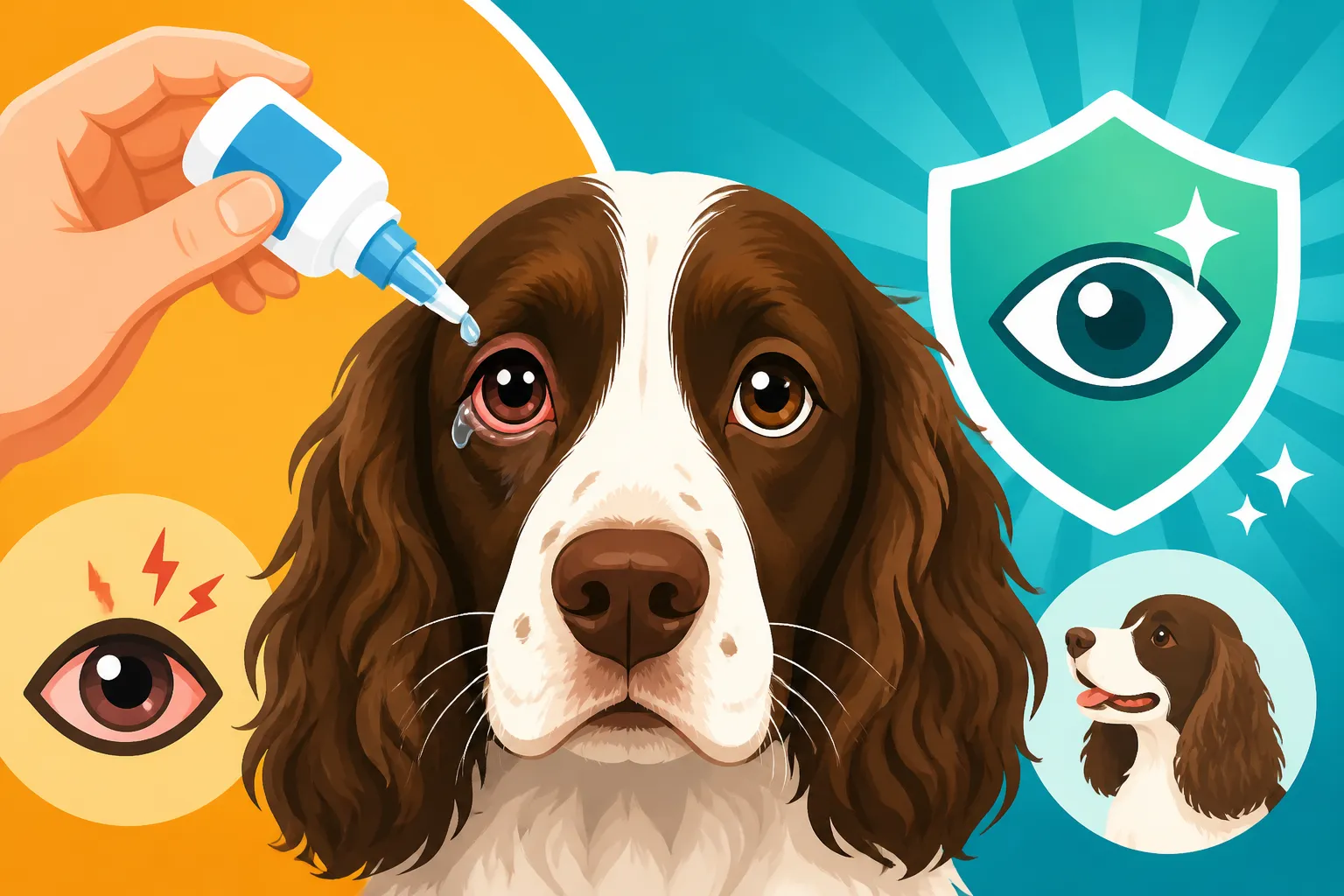
When dealing with glaucoma, the primary goal of eye drops is to rapidly and effectively reduce the intraocular pressure (IOP) that is actively damaging the eye. This is where eye drops can truly be critical in an emergency. There are several classes of medications used for this purpose:
- Prostaglandin Analogs: These drops (like latanoprost or travoprost) work by increasing the outflow of aqueous humor from the eye, effectively reducing pressure. They are often very potent and can bring down pressure quickly, making them a cornerstone of emergency and long-term glaucoma management.
- Beta-Blockers: Medications such as timolol work by decreasing the production of aqueous humor, thus reducing the amount of fluid building up inside the eye. These are often used in combination with other drops.
- Carbonic Anhydrase Inhibitors (CAIs): Dorzolamide and brinzolamide are examples of CAIs that also reduce fluid production within the eye. They can be used alone or in combination with other drops to achieve better pressure control.
These drops, when used diligently and as prescribed by a veterinary ophthalmologist, can indeed buy time and, in some cases, save sight in the affected eye – at least temporarily – especially if treatment begins almost immediately after pressure rises. However, the catch with glaucoma in Springer Spaniels is that it often affects both eyes, though one may show symptoms much earlier than the other. Regular monitoring of the "good" eye with a procedure called a "Why a Springer Spaniel Needs a Gonioscopy" is crucial. For many Springer Spaniels, managing primary glaucoma is a lifelong battle, requiring multiple drops several times a day, which can be a significant commitment. Unfortunately, even with the best medical management, the disease often progresses, and surgery or even enucleation (removal of the eye) may eventually become necessary to manage pain and prevent the spread of inflammation.
Anti-Inflammatory and Antibiotic Drops for Infections and Irritation
For conditions like conjunctivitis (inflammation of the conjunctiva), corneal ulcers, or other types of eye irritation and infection, eye drops play a critical supportive role in healing and preventing secondary damage that could impact vision.
- Antibiotic Drops/Ointments: If your Springer has a bacterial eye infection, whether it's secondary to an injury, entropion, or another cause, antibiotic drops are essential to clear the infection and prevent further damage to the cornea or deeper structures. Common examples include neomycin, polymyxin B, and tobramycin. Prompt and consistent use of these can definitely save sight by eradicating infection.
- Anti-Inflammatory Drops: Steroidal (e.g., prednisolone acetate) or non-steroidal anti-inflammatory drugs (NSAIDs) in drop form can reduce swelling, redness, and pain associated with various eye conditions. However, a critical caveat: steroid drops should never be used if a corneal ulcer is present, as they can worsen the ulcer, delay healing, and even lead to rupture of the eye. This is why a proper veterinary diagnosis, including ruling out ulcers with a fluorescein stain, is so important before administering any medication, especially steroids.
- Lubricating Drops/Artificial Tears: For dogs with dry eye (keratoconjunctivitis sicca or KCS), often caused by insufficient tear production, lubricating drops are vital. While dry eye itself isn't directly life-threatening to the eye in an acute sense, chronic dryness leads to severe discomfort, corneal damage, and potential vision impairment from scarring and pigmentation over time. These drops often contain cyclosporine or tacrolimus to stimulate tear production, along with artificial tears for lubrication. Lifelong management with these drops can absolutely save vision by preventing progressive corneal damage and maintaining comfort.
These types of drops are often very effective at treating their specific issues. An infection can be cleared, inflammation reduced, and comfort significantly improved. For chronic conditions like KCS, lifelong use of cyclosporine drops can absolutely save vision by preventing corneal damage. It's about addressing the root cause or managing the symptoms that could indirectly lead to sight loss.
The Hard Truth: When Eye Drops Aren't Enough
While eye drops are indispensable tools in veterinary ophthalmology, it’s crucial to understand their limitations, especially when dealing with some of the more aggressive or irreversible conditions affecting Springer Spaniels. It’s a harsh reality, but for many serious eye issues, drops can only do so much, and hoping they will "save" sight can lead to critical delays.
Irreversible Damage from Glaucoma
With primary glaucoma, even the most aggressive use of pressure-lowering eye drops can sometimes fail to save a Springer Spaniel's sight, especially if the pressure has been elevated for too long before treatment. The damage to the optic nerve and retina is often irreversible once it occurs. Think of it like a delicate internal structure that’s been subjected to crushing pressure; even if you relieve the pressure, the damage sustained may be permanent. In many cases, the goal of drops becomes managing pain and making the dog comfortable, rather than restoring vision.
Many Springer Spaniel owners have faced the agonizing decision of choosing between long-term, expensive, and often ultimately unsuccessful medical management, or surgical options. Sometimes, the only way to alleviate chronic pain and prevent further suffering is enucleation (surgical removal of the eye). This is a gut-wrenching choice, but often, dogs adapt remarkably well to living with one eye or even being completely blind, especially once they are out of pain. The emotional toll on the owner, however, is immense. It's a journey often complicated by the fact that "Whether a Springer Spaniel Loses Both Eyes to Glaucoma" is a very real concern, as the condition often affects the second eye eventually.
No Cure for Genetic Degenerations Like PRA
For conditions like Progressive Retinal Atrophy (PRA), there are currently no effective eye drops or treatments that can stop or reverse the degeneration of the retina. This is a genetic disease, meaning the cells themselves are programmed to fail. While scientists are always working on gene therapies and other advanced treatments, for now, if your Springer Spaniel is diagnosed with PRA, eye drops cannot save their sight. The disease will progress to blindness, usually gradually over months or years.
In these situations, the focus shifts entirely to supportive care: helping your dog adapt to vision loss, maintaining their quality of life, and keeping them safe. This might involve keeping furniture in consistent places, using scent markers, ensuring safe outdoor spaces, or even training with new verbal cues specific to navigation. It’s about accepting the inevitable progression and providing the best possible environment for a blind dog. Knowing that there are no drops to halt this process can be incredibly disheartening, but understanding it allows you to prepare and support your dog through this challenging transition.
Surgical Solutions Often Needed for Structural Issues
Conditions like severe entropion, significant cataracts, or persistent corneal ulcers might require more than just eye drops to truly "save" or restore sight. While drops can manage symptoms or secondary infections, they don't fix the underlying structural or primary disease process.
- Entropion: Surgery to correct the eyelid position is typically curative. Drops might be used pre-operatively to reduce inflammation or post-operatively to prevent infection, but they don't fix the inward-rolling eyelid itself. Without surgery, the constant irritation can lead to chronic pain and eventual vision-impairing corneal scarring.
- Cataracts: If cataracts significantly impair vision, surgical removal of the cloudy lens (phacoemulsification) is the only way to restore sight. Eye drops are used after surgery to manage inflammation and prevent infection, but they cannot dissolve the cataract itself. If left untreated, severe cataracts lead to permanent blindness and can cause secondary issues like glaucoma.
- Deep Corneal Ulcers: While superficial ulcers can often be managed effectively with antibiotic and pain-relieving drops, deep or non-healing ulcers may require urgent surgical intervention, such as a conjunctival flap or corneal grafting, to protect the eye, promote healing, and prevent rupture. Without surgery, these can lead to permanent vision loss or even loss of the eye itself.
It's clear that while eye drops are powerful tools, they are not magic bullets. They are part of a broader veterinary strategy, and often, the most effective "sight-saving" interventions involve timely diagnosis, surgical procedures, or acceptance and adaptation to irreversible conditions.
Proactive Steps Beyond Just Drops: Comprehensive Eye Care for Your Springer Spaniel
Relying solely on eye drops to save your Springer Spaniel's sight is often a reactive approach to problems that could be delayed, mitigated, or even prevented with proactive care. A comprehensive approach to eye health involves regular check-ups, genetic screening, and attentive daily observation, alongside financial preparedness for unexpected costs.
The Absolute Necessity of Regular Veterinary Eye Exams
Many serious eye conditions in Springer Spaniels develop subtly or without obvious pain in their early stages. This is why regular eye examinations by your general veterinarian, and ideally, periodic checks by a board-certified veterinary ophthalmologist, are so critical. These specialists have the sophisticated equipment and expertise to detect issues before they become emergencies. They can perform diagnostic tests like tonometry (measuring eye pressure), slit-lamp biomicroscopy (examining the front structures of the eye), and indirect ophthalmoscopy (examining the retina).
For breeds prone to conditions like glaucoma, a baseline eye pressure reading and a gonioscopy (an examination of the eye's drainage angle) can provide invaluable information about future risk. Catching elevated eye pressure or anatomical predispositions early, even before your dog shows symptoms, can make a world of difference in saving vision. It's far better to prevent a crisis than to react to one. Regular check-ups also allow your vet to spot other issues like minor infections or early signs of other diseases. Consider discussing "Whether a Springer Spaniel Needs a Yearly Eye Exam" with your vet to create a preventive schedule tailored to your dog.
Genetic Screening and Responsible Breeding: Prevention Starts Early
One of the most powerful proactive measures for maintaining healthy eyes in Springer Spaniels happens long before you even bring your puppy home: responsible breeding. Many of the devastating eye conditions, like primary glaucoma and PRA, have a strong genetic component. Reputable breeders utilize DNA tests for conditions like PRA and ensure their breeding dogs have current eye certifications from organizations like the Orthopedic Foundation for Animals (OFA) or the Canine Eye Registration Foundation (CERF, now part of OFA). These certifications confirm that the parents are free from detectable eye diseases at the time of examination.
When choosing a Springer Spaniel puppy, always ask to see the health clearances of both parents. This includes their eye certifications, hip and elbow scores, and DNA test results for known genetic diseases. This due diligence can significantly reduce the risk of inheriting conditions that could lead to blindness or chronic pain down the line. It's about making an informed decision that protects your future companion's health and ensures you're not unknowingly supporting practices that perpetuate these health issues. Our article on "The Four Eye Diseases a Springer Spaniel Breeder Screens For" provides more detail on the specific conditions breeders should test for.
Daily Observation and Swift Action: Your Role as First Responder
You, as your Springer Spaniel's owner, are their first line of defense. Daily observation of your dog's eyes can catch early signs of trouble. This isn't about being paranoid, but about knowing what's normal for your dog and noticing subtle changes. What should you look for?
- Changes in appearance: Redness in the white of the eye, cloudiness or blue haze over the cornea, any unusual discharge (clear, watery, thick, or colored), excessive tearing, squinting, swelling around the eye, or changes in pupil size or symmetry (one pupil larger than the other).
- Behavioral changes: Rubbing their eyes or pawing at their face more often, sensitivity to light (photophobia), bumping into objects, reluctance to go outside at night, or suddenly hesitant on stairs or in unfamiliar environments.
- Asymmetry: Does one eye look different from the other in size, position, or appearance? Any difference should be noted.
If you notice any of these signs, especially those indicating pain or rapid change, don't wait to see if it "gets better." Contact your veterinarian immediately. As discussed with glaucoma, minutes and hours can truly matter when it comes to preserving sight. A prompt diagnosis can mean the difference between effective treatment with a good prognosis and irreversible vision loss.
Financial Preparedness: Insurance and Savings for Eye Care
Let's be realistic: specialized veterinary eye care, especially surgeries (like cataract removal or glaucoma shunts) or long-term medication regimens for conditions like glaucoma, can be incredibly expensive. This is where financial planning comes into play. Pet insurance can be a lifesaver, helping to cover a significant portion of these costs, particularly if you enroll your Springer Spaniel when they are young and healthy, before any conditions manifest as "pre-existing."
Companies like Healthy Paws offer comprehensive plans that can ease the financial burden of managing chronic eye conditions. For example, if your Springer develops glaucoma, the cost of multiple daily eye drops (which can be pricey for specialty medications), frequent follow-up visits, and potentially surgery can quickly add up. Having a good pet insurance policy from a provider like Healthy Paws could make continuing treatment feasible without extreme financial strain. Alternatively, establishing a dedicated savings fund specifically for your dog's veterinary care is a wise decision. No one wants to be in a position where they have to choose between their dog's sight and their financial stability. Being prepared for these potential costs is an integral part of responsible dog ownership. Our guide on "What Insuring a Springer Spaniel Runs" could offer more insight into typical costs.
Table: Eye Conditions, Role of Eye Drops, and Prognosis in Springer Spaniels
| Eye Condition | Primary Role of Eye Drops | Can Drops Save Sight? | Typical Prognosis (with drops) |
|---|---|---|---|
| Primary Glaucoma | Reduce intraocular pressure, manage pain | Potentially, if caught very early; often temporary. Requires swift action. | Guarded to poor; often progresses to blindness/enucleation over time, especially in the affected eye. |
| Progressive Retinal Atrophy | No direct role; sometimes for secondary issues | No. | Progressive and irreversible blindness. |
| Entropion | Manage infection/inflammation pre/post-surgery | Indirectly, by preventing corneal damage; not a cure for the structural issue. | Good with surgical correction; chronic irritation and potential scarring without it. |
| Corneal Ulcers (superficial) | Antibiotics to treat infection, pain relief | Yes, for superficial ulcers if treated promptly and correctly. | Good with appropriate drops; deeper ulcers may require surgery or lead to scarring. |
| Dry Eye (KCS) | Stimulate tear production, lubricate eye | Yes, lifelong drops can prevent corneal damage and maintain comfort. | Good for long-term comfort and vision preservation with consistent treatment. |
| Cataracts | Manage inflammation pre/post-surgery | No, not for removing the cataract itself; only surgery can restore sight. | Varies; can cause partial to complete blindness; surgical prognosis good in many cases. |
Eye drops are undoubtedly a vital part of a comprehensive eye care strategy for your Springer Spaniel. They can reduce pain, fight infection, and, in some specific cases like early-stage glaucoma or chronic dry eye, directly help preserve vision for a significant period. However, they are not a universal panacea. For many serious conditions, particularly genetic degenerations or advanced structural problems, eye drops serve as supportive care at best, or are simply ineffective. The real key to preserving your Springer's sight and overall eye health lies in prevention, early diagnosis through regular veterinary care, genetic screening, and swift, informed action when problems arise.
Disclaimer
This article is intended for informational purposes only and is not a substitute for professional veterinary advice, diagnosis, or treatment. Always seek the advice of your veterinarian or another qualified animal health provider with any questions you may have regarding a medical condition or treatment for your English Springer Spaniel.