Whether a Springer Spaniel’s Eyelashes Grow Inward
It's incredibly frustrating and heartbreaking to watch your beloved Springer Spaniel constantly paw at their eyes, blink excessively, or simply look uncomfortable, and then wonder if something as seemingly minor as an eyelash could be causing such distress. Many Springer Spaniel owners worry about their dog's eye health, especially when they notice irritation that doesn't seem to go away. This guide will delve into the specific eye conditions where eyelashes or even eyelids can grow in a way that irritates your dog's eyes, how to recognize the signs, and what steps you can take to provide relief and long-term solutions.
Understanding Inward-Growing Eyelashes in Springer Spaniels
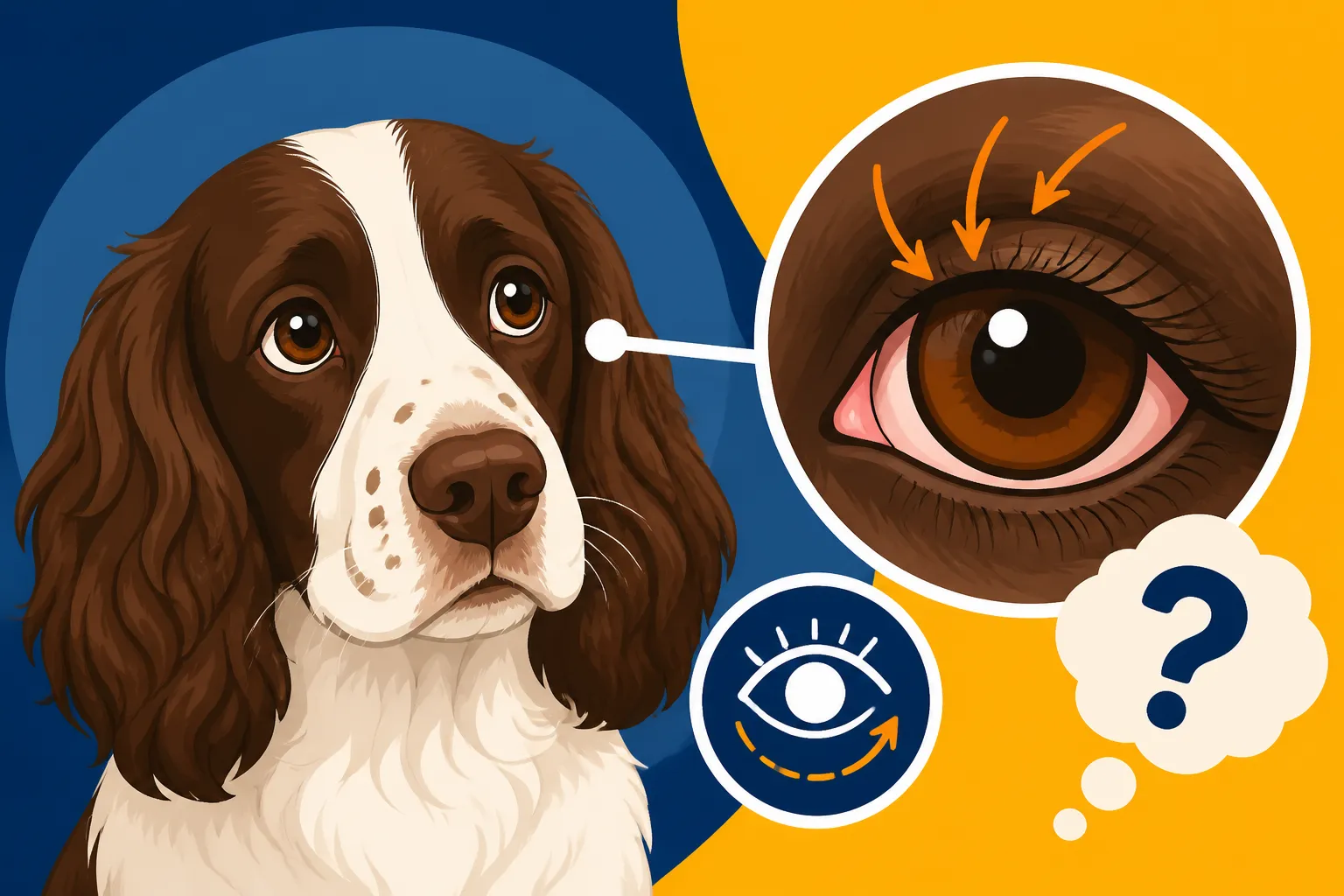
When we talk about eyelashes growing "inward" on a Springer Spaniel, we're actually touching on a few distinct conditions that all lead to the same painful outcome: hair rubbing against the delicate surface of the eye. These aren't just cosmetic issues; they can cause significant discomfort, chronic pain, and even lead to more severe eye problems if left unaddressed. It's important for Springer Spaniel owners to understand the nuances of each to better communicate with their veterinarian.
Distichiasis: The Most Common Culprit
Distichiasis is perhaps the most frequently encountered "inward-growing eyelash" problem in many breeds, including our beloved Springers. Imagine your dog having extra eyelashes, sometimes a whole row of them, growing from an abnormal spot on the eyelid margin – specifically, from the ducts of the meibomian glands, which are usually responsible for producing the oily layer of tears. These extra hairs can be fine and soft, causing minimal irritation, or they can be stiff and coarse, constantly scratching the cornea with every blink.
The presence of these errant lashes is often genetic, passed down through generations. You might notice them early in puppyhood, or they might only become apparent as your dog matures and the hairs stiffen or grow longer. The discomfort caused by distichiasis can range from mild annoyance, like having a tiny grain of sand in your eye, to severe pain and potential corneal ulcers if the scratching is continuous and deep. It's a common reason why a Springer Spaniel might develop chronic eye discharge, even if their eyes otherwise look clear.
Ectopic Cilia: A Hidden Danger
While distichiasis involves lashes growing from the normal lid margin but in an abnormal location, ectopic cilia are far more insidious. These are single hairs, or sometimes small tufts, that grow through the conjunctiva (the pink tissue lining the inner eyelid) and emerge directly onto the surface of the eye. Because they pierce the conjunctiva from the inside, they are often not visible until a veterinarian carefully examines the inverted eyelid.
The danger with ectopic cilia lies in their direct, concentrated irritation. Unlike distichiasis where multiple hairs might spread the irritation, an ectopic cilium acts like a single, sharp thorn constantly poking the cornea. This localized trauma can lead to severe pain, immediate squinting, and often causes a distinct corneal ulcer directly opposite where the hair is rubbing. This condition typically manifests when a dog is young, often under a year old, and requires prompt attention to prevent serious damage to the eye.
Entropion: When the Eyelid Itself Rolls Inward
Beyond just eyelashes, sometimes the entire eyelid rolls inward, a condition known as entropion. When this happens, the skin and hair on the outside of the eyelid are brought into direct contact with the eye's surface. This is a significant problem for Springer Spaniels, especially given their expressive faces and sometimes looser skin around the eyes. Unlike distichiasis or ectopic cilia, where the issue is the hair itself, with entropion, the eyelid structure is the problem, dragging all the normal lashes and surrounding fur against the delicate cornea and conjunctiva.
Entropion can affect the upper eyelid, the lower eyelid, or even both. It can be present from birth (congenital) or develop later due to scarring, muscle spasms, or severe weight loss. The constant rubbing of skin and hair on the eye can cause chronic irritation, tearing, discharge, and if not corrected, can lead to painful corneal ulcers, pigmentation of the cornea, and even impaired vision. For a comprehensive look into this specific condition, you might want to read more about Entropion in a Springer Spaniel.
Recognizing the Signs and Symptoms
Observing your Springer Spaniel closely is your first line of defense against eye problems. Dogs are incredibly stoic, and sometimes the signs of discomfort can be subtle. However, with inward-growing eyelashes or entropion, the irritation is usually persistent, leading to a noticeable change in your dog's behavior and eye appearance. It's crucial not to dismiss these signs, as prolonged irritation can have lasting consequences for your dog's vision and comfort.
Constant Eye Irritation and Rubbing
One of the most obvious signs that something is wrong with your Springer Spaniel's eyes is persistent irritation. This might manifest as them pawing at their face, especially around the eyes, rubbing their face on furniture or the carpet, or constantly blinking. They might seem to be trying to "get something out" of their eye. This behavior is a direct response to the foreign body sensation caused by hair rubbing against the cornea or conjunctiva.
This constant rubbing can unfortunately make the problem worse, as it can introduce bacteria, lead to skin irritation around the eye, and even cause further damage to the delicate eye tissues. You might also notice them trying to close one eye more than the other, or generally looking uncomfortable and less engaged than usual. Don't assume a little rubbing is harmless; it's often a clear indicator of underlying pain.
Tearing, Redness, and Discharge
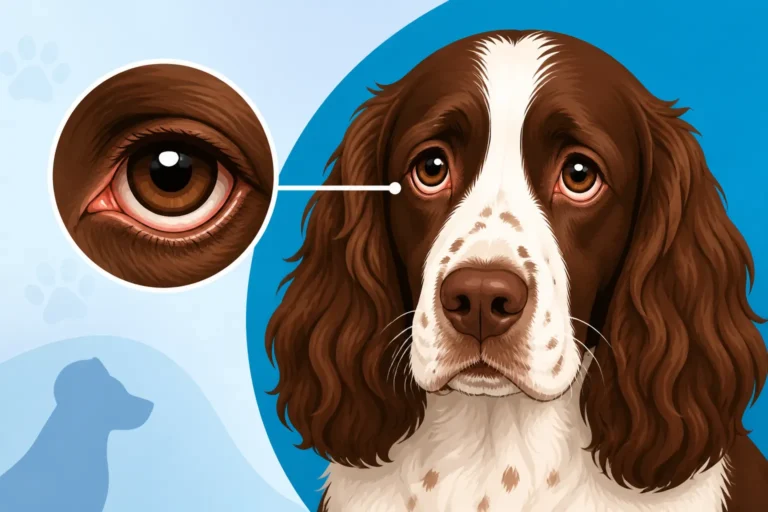
Just like our eyes water when irritated, your Springer Spaniel's eyes will likely produce excessive tears, a condition known as epiphora. This isn't just a sign of sadness; it's the eye's attempt to flush out the irritant. Alongside tearing, you'll often see redness in the conjunctiva (the white part of the eye and the lining of the eyelids), which indicates inflammation. This redness can range from a faint pink hue to a bright, angry red, depending on the severity and duration of the irritation.
In addition to clear tearing, you might also notice mucous or pus-like discharge, especially if secondary bacterial infections have set in due to the constant irritation and damage to the eye's surface. This discharge can be clear, whitish, yellowish, or greenish, and might crust around the eye, particularly after sleep. If you see any signs of a greenish or yellowish discharge, it's a strong indicator of infection and requires immediate veterinary attention.
Squinting and Light Sensitivity
Squinting, or blepharospasm, is a protective reflex in dogs, just as it is in humans, signaling pain or intense irritation in the eye. Your Springer Spaniel might keep one or both eyes partially or fully closed to try and alleviate the discomfort. They might also become sensitive to light (photophobia), preferring to stay in darker areas or actively avoiding bright sunshine. This is because light can exacerbate the pain caused by corneal damage or inflammation.
If your Springer Spaniel suddenly starts squinting, especially consistently, it’s a red flag. This often indicates a corneal abrasion or ulcer, which can be very painful and, if left untreated, can lead to serious complications, including vision loss. It's similar to the symptoms you might see if your dog were experiencing Primary Glaucoma and the Springer Spaniel That Loses an Eye, though the underlying cause is different. A veterinarian will need to assess the eye promptly to determine the exact cause of the pain and rule out other serious conditions.
Diagnosis and Treatment Options
If you suspect your Springer Spaniel is suffering from inward-growing eyelashes or entropion, a visit to your veterinarian is non-negotiable. Self-diagnosing and attempting home remedies can delay proper treatment and potentially worsen the condition. Early and accurate diagnosis is key to effective treatment and preventing long-term damage to your dog's eyes.
The Veterinary Examination and Tools
When you bring your Springer Spaniel to the vet with eye concerns, expect a thorough examination. Your veterinarian will use an ophthalmoscope to carefully inspect the surface of the eye, looking for any visible hairs rubbing against the cornea. They'll also evert (gently roll back) the eyelids to look for ectopic cilia, which are often hidden. A fluorescent dye test, called a fluorescein stain, is a routine diagnostic tool. This orange dye is applied to the eye and, if there's any corneal damage like an abrasion or ulcer, the dye will stick to it and glow bright green under a special blue light, making the damage visible.
This comprehensive eye exam is critical not just for identifying the primary issue but also for ruling out other potential causes of eye irritation, such as allergies, foreign bodies (like a grass awn), or other eye diseases. It's a good idea for every Springer Spaniel to have Whether a Springer Spaniel Needs a Yearly Eye Exam to catch potential issues early. For instance, sometimes what looks like eyelash irritation could actually be a symptom of a deeper problem like Progressive Retinal Atrophy in a Springer Spaniel, which is why a thorough check-up is so important.
Temporary Relief Measures at Home
While awaiting a vet appointment or in the initial stages of a minor irritation, you might be able to offer some temporary relief. Lubricating eye drops, often called artificial tears, can help create a barrier between the offending hair and the cornea, reducing friction and soothing the eye. These are typically over-the-counter and safe for dogs, but always consult your vet before using any human eye drops. You can also gently clean away any discharge with a warm, damp cloth, moving from the inside corner of the eye outwards.
However, these are purely palliative measures. They do not fix the underlying problem of the inward-growing hair. If the irritation persists or worsens, or if you notice any signs of infection (yellow/green discharge), increasing redness, or pain, you must see your vet. Delaying professional treatment for serious eye conditions can have severe and irreversible consequences for your dog's vision and comfort.
Surgical Interventions for Lasting Comfort
For most cases of distichiasis, ectopic cilia, or entropion, surgical intervention is the most effective and often the only permanent solution.
For Distichiasis:
- Cryoepilation: This is a common method where the abnormal hair follicles are frozen, causing them to die and the hairs to fall out. It's often performed under general anesthesia.
- Electrocautery: Similar to cryoepilation, this uses heat to destroy the hair follicles.
- Surgical Excision: For a few isolated hairs, the veterinarian might simply remove the follicles surgically.
For Ectopic Cilia:
- Surgical Excision: Ectopic cilia are typically removed by making a small incision in the conjunctiva, excising the hair and its follicle, and sometimes suturing the small wound. This provides immediate and often permanent relief.
For Entropion:
- Eyelid Surgery (Blepharoplasty): This involves surgically removing a small wedge of skin from the affected eyelid to tighten it and roll it back to its correct position. The goal is to prevent the hair and skin from rubbing against the eye. Sometimes, a temporary "tacking" procedure is performed on puppies with entropion, using sutures to evert the eyelid, allowing them to grow into the correction as their head develops.
These procedures are usually very successful, providing immense relief to the dog. The cost of these surgeries can vary significantly depending on the clinic, your location, and the complexity of the case. Having pet insurance, like a policy from Healthy Paws, can be incredibly helpful in covering these unexpected veterinary expenses. You can learn more about What Insuring a Springer Spaniel Runs to prepare for such possibilities.
Long-Term Management and Prognosis
After a successful surgery, the prognosis for Springer Spaniels with inward-growing eyelashes or entropion is generally excellent. The relief your dog experiences will be palpable, and you'll likely see a return to their happy, energetic selves without the constant irritation. However, it's not always a "one and done" situation, and understanding the long-term outlook and preventative measures is important for any responsible Springer Spaniel owner.
Life After Treatment
Post-operative care is crucial for successful healing. Your vet will likely prescribe antibiotic eye drops or ointment to prevent infection, and possibly anti-inflammatory medications to manage swelling and discomfort. Your dog may need to wear an Elizabethan collar (the "cone of shame") to prevent them from rubbing or pawing at the incision sites during healing. Regular follow-up appointments will be necessary to ensure proper healing and monitor for any recurrence.
In most cases, once the problematic hairs or eyelid position are corrected, your Springer Spaniel can look forward to a comfortable, irritation-free life. It's a huge relief for both the dog and their owner. However, it's wise to continue with regular eye checks, as other eye conditions can still develop. For example, The Four Eye Diseases a Springer Spaniel Breeder Screens For highlights other potential issues that you should remain vigilant about throughout your dog's life.
Breeding Considerations and Prevention
Because distichiasis and entropion often have a genetic component, responsible breeding practices are critical in reducing their prevalence. Reputable breeders will screen their breeding stock for these conditions and ideally remove affected dogs from their breeding program. This is part of the comprehensive health testing that should precede any Springer Spaniel purchase. You should always ask breeders about the eye health history of their dogs and puppies, including whether parents have been screened for these and other hereditary eye conditions.
If your Springer Spaniel has been diagnosed and treated for one of these conditions, especially if it required surgery, it's generally advised not to breed them. Passing on these genetic predispositions can lead to unnecessary suffering in future generations. Organizations like the Orthopedic Foundation for Animals (OFA) maintain a database of canine health information, including eye certifications, which can be a valuable resource for prospective puppy buyers. Being aware of The DNA Test That Should Precede Every Springer Spaniel Purchase can help you make an informed decision and potentially avoid some of these hereditary issues.
It's also worth noting that while surgical correction is usually very effective, there's always a slight chance of recurrence or incomplete correction, especially if only a partial number of follicles were removed. Sometimes, a follow-up procedure might be needed. This is another area where an emergency fund or robust pet insurance from a provider like Healthy Paws can truly make a difference, helping you afford the best care without financial strain.
Canine Eye Health Conditions in Springer Spaniels
Understanding the various eye conditions that can affect Springer Spaniels is important for proactive care. Here's a quick overview of some common issues, including those related to inward-growing eyelashes:
| Condition | Description | Common Signs | Treatment (Typical) | Genetic Component |
|---|---|---|---|---|
| Distichiasis | Extra eyelashes grow from meibomian glands, rubbing the cornea. | Tearing, redness, squinting, chronic irritation. | Cryoepilation, electrocautery, surgical removal. | Yes |
| Ectopic Cilia | Hair grows through conjunctiva directly onto cornea. | Severe, sudden pain; intense squinting; corneal ulcer. | Surgical excision of the cilium and follicle. | Yes |
| Entropion | Eyelid rolls inward, causing skin and hair to rub the eye. | Squinting, excessive tearing, discharge, corneal damage. | Surgical correction (blepharoplasty), temporary tacking. | Yes |
| Progressive Retinal Atrophy (PRA) | Degeneration of the retina, leading to blindness. | Night blindness, then total blindness; dilated pupils. | No effective treatment; genetic test available. | Yes |
| Primary Glaucoma | Increased pressure within the eye, leading to pain and blindness. | Pain, redness, dilated pupil, cloudy cornea, vision loss. | Medications, laser surgery, eye removal (if severe). | Yes |
| Retinal Dysplasia | Abnormal development of the retina. | Often no signs (mild cases); vision impairment or blindness. | No treatment; genetic test for some forms. | Yes |
| Cataracts | Clouding of the eye's lens, leading to vision loss. | Cloudy pupil, bumping into objects; vision loss. | Surgical removal of cataracts. | Yes (hereditary forms) |
This table provides a snapshot, but each condition has its own complexities. Always consult your veterinarian if you have any concerns about your Springer Spaniel's eye health.
Disclaimer
The information provided in this article is intended for general knowledge and informational purposes only, and does not constitute medical advice. Always consult with a qualified veterinarian or animal healthcare professional for any health concerns or before making any decisions related to your pet's health and treatment.