The Age a Springer Spaniel’s PRA Shows Up
One of the most heartbreaking worries for any Springer Spaniel owner is the thought of their beloved companion losing their sight. Progressive Retinal Atrophy (PRA) is a particularly insidious inherited eye disease that can steal vision over time, leaving many of us wondering when this might even begin. This comprehensive guide aims to shed light on the typical age a Springer Spaniel's PRA shows up, what to look for, and how to support your dog through this challenging condition.
Understanding Progressive Retinal Atrophy in Springer Spaniels
Progressive Retinal Atrophy, often simply called PRA, isn't just one disease; it's actually a group of genetic eye disorders that all lead to the degeneration of the retina. For us Springer Spaniel owners, understanding PRA means understanding a potential future, and thankfully, also understanding how to prepare for it. It’s a condition that truly speaks to the importance of proactive care and responsible breeding.
What is PRA and How Does It Affect Vision?
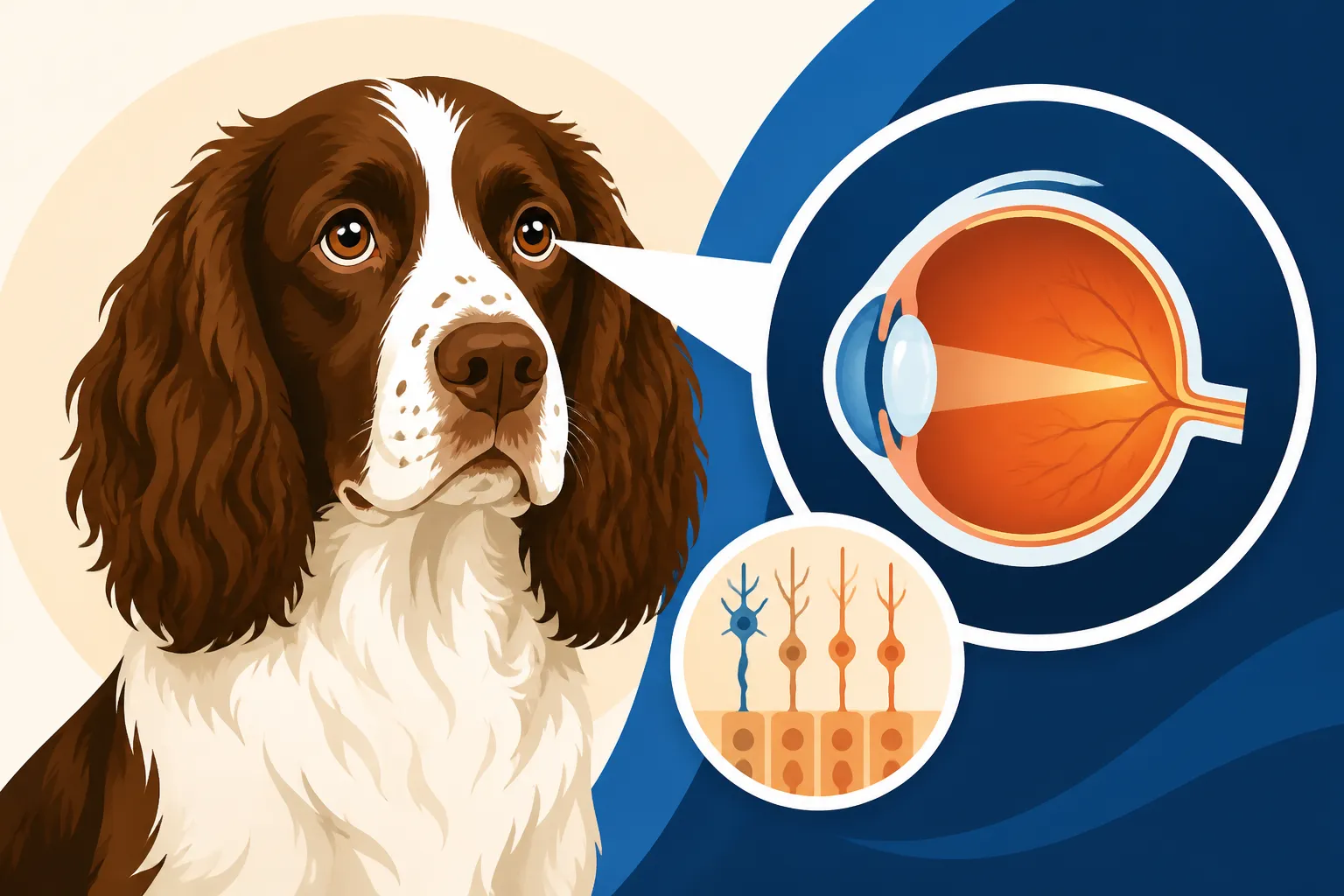
Imagine the back of your dog's eye, a crucial layer of tissue called the retina. This retina is packed with photoreceptor cells – rods and cones – which are responsible for detecting light and sending signals to the brain, essentially creating what your dog sees. Rods handle vision in dim light and detect movement, while cones are for bright light and color perception. In Springer Spaniels with PRA, these photoreceptor cells, which started out perfectly healthy, begin to break down over time. It’s a slow, relentless march of degeneration.
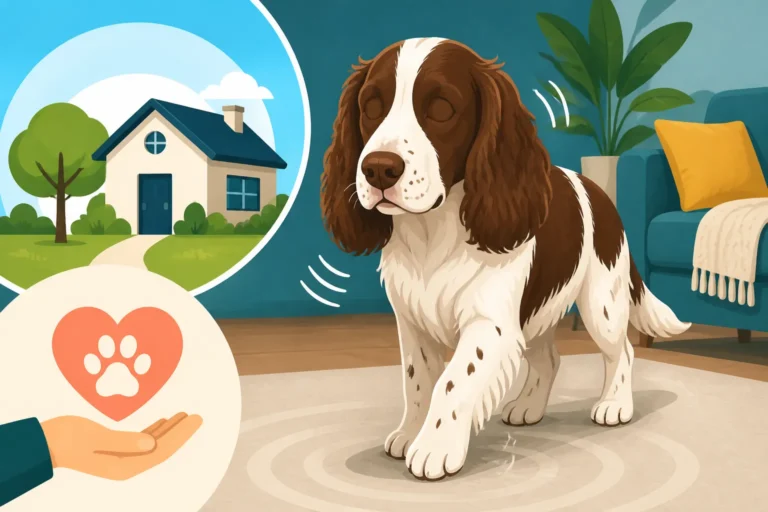
Initially, the rods are often affected first, meaning your Springer will typically start to struggle with night vision. They might become hesitant to go out in the yard after dark, bump into furniture in dimly lit rooms, or just generally seem more anxious when the lights are low. As the disease progresses, the cones also begin to degrade, leading to complete blindness, even in bright light. This isn't a sudden event, but a gradual dimming, much like an old lightbulb slowly fading out. It's truly a silent thief of sight, creeping in almost unnoticed at first.
The Genetic Component: Why Springers Are Susceptible
Unfortunately, English Springer Spaniels are one of the breeds with a known genetic predisposition to several forms of PRA. This isn't a fault of the dog or the owner, but rather a quirk of genetics that has been passed down through generations. PRA is an inherited condition, meaning it's passed from parent to offspring. Most forms of PRA in dogs are inherited in an autosomal recessive pattern. This means that a dog must inherit two copies of the faulty gene (one from each parent) to develop the disease. If they inherit only one copy, they are considered a "carrier" and won't show symptoms, but they can still pass the gene on to their puppies.
This genetic link is why responsible breeders are so crucial. They utilize specific DNA tests to identify carriers and affected dogs, aiming to breed healthy puppies and reduce the incidence of these devastating conditions. Without knowing the genetic status of breeding dogs, breeders are essentially playing a genetic lottery, potentially perpetuating these diseases. It's a prime example of why The DNA Test That Should Precede Every Springer Spaniel Purchase is so vital.
Differentiating PRA from Other Eye Conditions
Sometimes, owners might notice changes in their Springer's vision and immediately jump to the conclusion of PRA, but it's important to remember that other eye conditions can present with similar symptoms. For instance, cataracts, which are a clouding of the lens, can also cause vision impairment, but they look different to a veterinarian during an eye exam and are managed differently. Glaucoma, a painful condition characterized by increased pressure within the eye, can also lead to blindness, often quite rapidly, and is typically identified by an enlarged, cloudy eye and visible discomfort.
While all these conditions are serious, their prognosis and treatment vary significantly. This is why a proper diagnosis from a veterinary ophthalmologist is so critical. They can perform specialized tests, including ophthalmoscopy and electroretinography (ERG), to definitively diagnose PRA and rule out other issues. For instance, Primary Glaucoma and the Springer Spaniel That Loses an Eye is a distinctly different, often acute, emergency compared to the slow progression of PRA. It's a good reminder that not all vision loss is PRA, even if it feels just as scary.
When Progressive Retinal Atrophy Typically Appears
This is the big question for many Springer Spaniel enthusiasts: when does PRA actually show up? Unlike some conditions that manifest in puppyhood, PRA in Springers often has a later onset, making it particularly heartbreaking as your dog enters its prime or senior years. However, "later" is still a broad term, and there can be variations.
Age of Onset: The Crucial Window
For English Springer Spaniels, the age of onset for PRA can vary depending on the specific genetic mutation involved, but generally, it tends to appear in adulthood, typically between 3 and 7 years of age. Some forms might appear earlier, in what's considered "early-onset" PRA, though this is less common for Springers than the later-onset forms. For example, a specific form known as cord1-PRA (also called PRA-crd4) is prevalent in English Springer Spaniels and often manifests with initial signs of night blindness appearing as early as 3-5 years old, progressing to full blindness by 6-8 years of age.
It's a cruel irony that this often happens right when your Springer is in their prime, full of energy and enjoying life to the fullest. This age window means that a puppy might have a perfectly clear eye exam at 8 weeks, leaving you with a false sense of security, only for the signs to emerge years down the line. It really underscores why continuous monitoring and genetic testing are so vital, even if a puppy's eyes seem fine initially. The question of The Age a Springer Spaniel's PRA Shows Up isn't a simple one, but it definitely points to those middle years.
Subtle Early Signs Owners Might Miss
Because PRA is progressive, its initial signs can be incredibly subtle, easily dismissed as normal quirks or signs of aging. The most common early indicator is usually a decrease in night vision, which is often referred to as nyctalopia. Your Springer Spaniel might:
- Become more hesitant or clumsy in dimly lit environments, like navigating stairs in the evening or going into a dark room.
- Start bumping into familiar objects when the lights are off.
- Be reluctant to go outside in the yard after sunset, even if it's a routine they once loved.
- Their eyes might appear more reflective or "shine" brighter in photographs due to increased tapetal reflectivity, which is the reflective layer behind the retina. This is sometimes the very first thing an owner notices, even before behavioral changes.
As the disease progresses, day vision also deteriorates. You might notice your Springer becoming less confident in new environments, startling easily, or relying more on their sense of smell and hearing. They might become clingier, staying very close to you on walks, or struggle to locate dropped toys. These aren't just minor behavioral shifts; they are key indicators that their world is literally dimming.
The Progression of Vision Loss
The speed at which PRA progresses can vary from dog to dog, even within the same breed and with the same genetic mutation. Generally, the degeneration is gradual, unfolding over several months to a few years. It's not usually a sudden event, which can make it hard for owners to pinpoint exactly when it started. First, the rods degrade, leading to night blindness. Then, the cones follow suit, causing daytime vision to fail. Ultimately, this leads to complete blindness.
During this progression, your Springer Spaniel's eyes may undergo visible changes, such as the pupils dilating more widely to try and let in more light, giving their eyes a "wide-eyed" or glassy appearance. In some cases, cataracts can also develop secondary to PRA, further obscuring vision. It's important to remember that while the loss of sight is devastating, dogs are incredibly adaptable. Many blind Springer Spaniels can live full, happy lives with the right support and adjustments. The article Whether a Springer Spaniel Goes Fully Blind From PRA delves deeper into this, and the good news is that they truly can adapt.
| Feature | Early-Onset PRA (Less common in Springers) | Late-Onset PRA (Common in Springers) |
|---|---|---|
| Typical Age | Puppyhood to 2-3 years | 3-7 years (often 3-5 first signs) |
| Initial Symptoms | Rapid onset night blindness, clumsy | Subtle night blindness, hesitant in low light |
| Progression | Rapid, often full blindness by 3-5 years | Gradual, full blindness by 6-8+ years |
| Impact | Significant adaptation needed early | More emotionally challenging as dog is in prime |
| Management Focus | Early intervention, genetic counseling | Environmental adaptation, consistent routine |
Diagnosing and Managing PRA in Your Springer Spaniel
Catching PRA early and managing its progression is crucial for maintaining your Springer's quality of life. This involves a combination of regular veterinary care, specialized ophthalmic exams, and proactive genetic testing.
The Importance of Regular Ophthalmic Exams
Regular eye examinations are absolutely vital for all Springer Spaniels, especially if they come from lines where PRA has been known to occur, or if you simply want to be proactive about their health. A general veterinary check-up might catch obvious issues, but a certified veterinary ophthalmologist has the specialized equipment and expertise to diagnose subtle retinal changes long before they become apparent to the untrained eye. These specialists can perform tests like indirect ophthalmoscopy to view the retina and, if necessary, an electroretinogram (ERG) to measure the electrical activity of the retinal cells, which can confirm PRA even before clinical signs are visible.
Many breeders will have puppies' eyes checked at 8 weeks, but this isn't enough to rule out PRA that has a later onset. Therefore, an annual eye exam by a specialist is highly recommended for at-risk breeds like Springers. This helps monitor for conditions like PRA, cataracts, and glaucoma. Indeed, Whether a Springer Spaniel Needs a Yearly Eye Exam is not just good practice, it's often a recommendation from breed clubs and veterinary specialists. Investing in these routine checks can make a huge difference in catching problems early. If you're looking into pet insurance, reputable providers like Healthy Paws often cover these specialized diagnostic tests, especially if the condition isn't pre-existing, which can be a huge relief if you face a diagnosis.
Genetic Testing: Proactive Steps for Breeders and Owners
The single most effective tool for preventing PRA is genetic testing. For many forms of PRA affecting English Springer Spaniels, specific DNA tests are available that can identify whether a dog is clear, a carrier, or affected by the gene mutation. These tests are simple, usually requiring just a cheek swab or a blood sample, and can be done at any age. Breeders should absolutely be testing all their breeding stock before any mating takes place. This allows them to make informed decisions and avoid breeding two carriers together, which would produce affected puppies.
For owners, knowing your dog's genetic status can provide invaluable peace of mind or, conversely, help you prepare for a potential future. If you've adopted a Springer Spaniel and don't have their full genetic history, opting for a DNA health panel from companies like Embark or Optimal Selection can screen for several genetic diseases common in the breed, including various forms of PRA. This proactive approach ensures you're aware of potential health challenges your dog might face and can plan accordingly. Remember, The Health Tests Both Springer Spaniel Parents Should Have are not just a recommendation; they are a cornerstone of responsible breeding and ownership, especially for genetic conditions like PRA.
Supporting a Springer Spaniel with Vision Loss
Receiving a PRA diagnosis can be devastating, but it's important to remember that your Springer Spaniel can still live a happy, fulfilling life. Dogs adapt remarkably well to vision loss, often relying more heavily on their other highly developed senses of smell and hearing. Your role as their owner becomes one of creating a safe, consistent, and predictable environment.
Here are some key ways to support a blind or vision-impaired Springer:
- Maintain Consistency: Try not to rearrange furniture or household items. If you must, do it gradually and guide your dog around the changes.
- Establish Verbal Cues: Use consistent verbal cues for steps, turns, and obstacles. Words like "step up," "watch out," or "turn right" can become invaluable navigation tools.
- Scent Markers: Place scented oils (like vanilla or essential oils diluted safely) on furniture legs or doorways to help your dog orient themselves.
- Safe Outdoor Exploration: Keep walks on a leash in familiar areas. In your yard, ensure hazards are removed and consider creating a safe, fenced "sensory garden" for them to explore.
- Auditory Toys: Switch to toys that make noise, like squeakers or bells, to encourage play and engagement.
- Halo Vests/Bumper Collars: For dogs prone to bumping into things, a halo vest can act as a bumper, protecting their head and face from collisions.
- Lots of Love and Patience: Your Springer will pick up on your anxiety, so staying calm and reassuring is key. Lots of verbal praise and gentle touch will help build their confidence.
It truly is incredible how well a Springer Spaniel can navigate life without sight once they've adjusted. As explored in Whether a Blind Springer Spaniel Copes at Home, with dedicated care and a loving environment, many blind dogs thrive. Pet insurance plans, such as those from Healthy Paws, can also be instrumental here, helping to cover ongoing veterinary support, specialist visits, and potentially even adaptive equipment recommendations if a covered illness leads to the need for such items.
The Broader Impact and Prevention Efforts
Progressive Retinal Atrophy isn't just a challenge for individual dogs and their owners; it has broader implications for the English Springer Spaniel breed as a whole. Addressing it effectively requires a community effort from breeders, owners, and veterinary professionals.
Breeding Responsibly to Reduce PRA Incidence
The cornerstone of preventing PRA lies in responsible breeding practices. Breeders who genuinely care about the long-term health of the breed will meticulously screen their breeding dogs for genetic conditions like PRA. This means:
- Genetic Testing: Ensuring both sire and dam are tested and confirmed clear of known PRA gene mutations. If one parent is a carrier, they should only be bred to a clear mate, and any offspring should be tested before being considered for breeding themselves.
- OFA/CERF Eye Certifications: Participating in breed health registries like the Orthopedic Foundation for Animals (OFA) Eye Certification Registry (formerly CERF). This involves regular eye exams by board-certified veterinary ophthalmologists, with results publicly recorded. This helps track eye health over generations.
- Transparency: Reputable breeders are transparent about their health testing results and are happy to discuss the genetic history of their lines. They understand that informed puppy buyers are crucial for improving breed health.
By prioritizing these practices, breeders actively work to remove the faulty genes from the gene pool, ensuring healthier generations of Springer Spaniels. This commitment protects not just their own puppies but the future of the breed. It ties directly into the comprehensive screening breeders should undertake, going beyond just PRA, as detailed in The Four Eye Diseases a Springer Spaniel Breeder Screens For.
The Emotional Toll on Owners
For many of us, our dogs are family. Witnessing a beloved Springer Spaniel slowly lose their sight to PRA can be incredibly emotionally taxing. It's a journey filled with sadness, frustration, and often, guilt – wondering if you missed something, or if you could have done more. The changes in their behavior, their loss of independence, and the realization that their world is shrinking can weigh heavily.
It's okay to feel these emotions. Acknowledge them, and don't be afraid to seek support. Talking to other owners who have gone through similar experiences, joining online forums, or even seeking counseling can provide immense comfort and practical advice. Remember, you are doing your best for your dog, and your love and patience are the most valuable things you can offer. The challenges of caring for a dog with a progressive illness are real, and this is especially true when discussing Caring for a Springer Spaniel Past Nine, where age-related changes can compound existing conditions like PRA.
Future Outlook and Research
While there is currently no cure for PRA, research is continually advancing. Scientists are working to identify more specific genetic markers for different forms of PRA, which could lead to even more targeted genetic tests. There's also ongoing research into potential gene therapies, which aim to introduce healthy copies of genes into the retina to halt or reverse the degeneration process. While these therapies are still largely experimental, they offer a glimmer of hope for the future.
Additionally, advancements in diagnostic tools and supportive care continue to improve the quality of life for affected dogs. Staying informed about the latest research through reputable veterinary ophthalmology organizations and breed clubs can provide access to new information and potential trials. Even simple things like nutritional support, while not a cure, are often investigated for their potential to slow progression or improve retinal health, demonstrating how comprehensive care from a provider like Healthy Paws can truly support your dog throughout their life.
Disclaimer
The information provided in this article is for general informational purposes only and is not a substitute for professional veterinary advice. Always consult with a qualified veterinarian or veterinary ophthalmologist for any health concerns or before making any decisions about your Springer Spaniel's care.