Whether a Springer Spaniel Litter Is Tested Before Breeding
It’s a truly exciting time when you’re looking forward to bringing a fluffy, wiggly Springer Spaniel puppy into your home. The dreams of long walks, happy retrieves, and cozy evenings are already dancing in your head. But often, amidst all that puppy excitement, a big question lingers: how do you know if your future furry family member is truly healthy, and what kind of testing has already happened? This guide will cut through the confusion, explaining when and why health testing is done for Springer Spaniels, and whose job it really is.
Understanding the Foundation of Health: Parent Testing, Not Litter Testing
When you're thinking about the health of a Springer Spaniel litter, it's a common misconception that the puppies themselves are extensively tested for genetic conditions before they leave their mother. The truth is, the true foundation of a healthy litter lies squarely with the parents. A responsible breeder focuses on ensuring the sire (father) and dam (mother) are thoroughly screened for inherited diseases before they ever produce puppies. This proactive approach is the cornerstone of ethical breeding and significantly impacts the health outlook for every puppy in the litter.
Why Parent Testing is the Gold Standard for Genetic Health
Think of it like this: if you want to know the quality of a batch of cookies, you'd first check the ingredients and the baker's reputation, right? It's similar with puppies. Most serious genetic health issues in Springer Spaniels aren't spontaneous mutations that pop up randomly in a litter. Instead, they're conditions passed down from the parents through their DNA. If the parents are clear of these genetic markers, then their offspring won't inherit those specific diseases. If one parent is a carrier, their puppies might be carriers themselves, but won't be affected by a recessive disease. However, if both parents are carriers for the same recessive gene, then there's a real risk of producing affected puppies. This is why testing the parents is paramount.
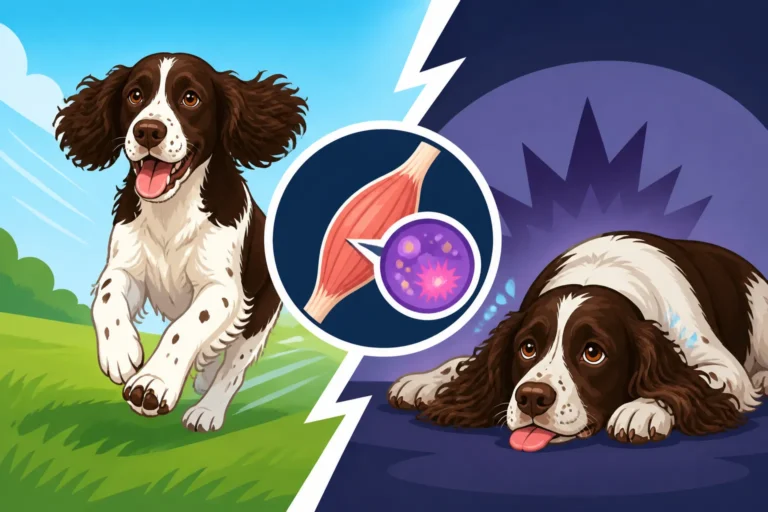
For Springer Spaniels, this includes crucial DNA tests for conditions like Fucosidosis and Phosphofructokinase (PFK) Deficiency. Imagine the heartbreak and expense if a puppy develops a severe neurological condition like Fucosidosis Kills a Springer Spaniel Within Weeks of the First Sign, or a debilitating exercise intolerance from PFK Deficiency and the Springer Spaniel That Collapses After Exercise. These aren't issues that suddenly appear; they stem from the genetic makeup passed down. By testing the parents before breeding, responsible breeders can ensure they are not inadvertently passing on these devastating conditions, offering you peace of mind from day one.
Key Health Clearances for Breeding Springer Spaniels
A truly dedicated Springer Spaniel breeder undertakes a significant investment in time, effort, and money to ensure their breeding dogs are as healthy as possible. These are not quick tests; many require specialized evaluations and are performed on mature dogs, not puppies. The results are typically registered with reputable organizations like the Orthopedic Foundation for Animals (OFA) or the Canine Eye Registration Foundation (CERF), now known as OFA Eye Certification (CAER).
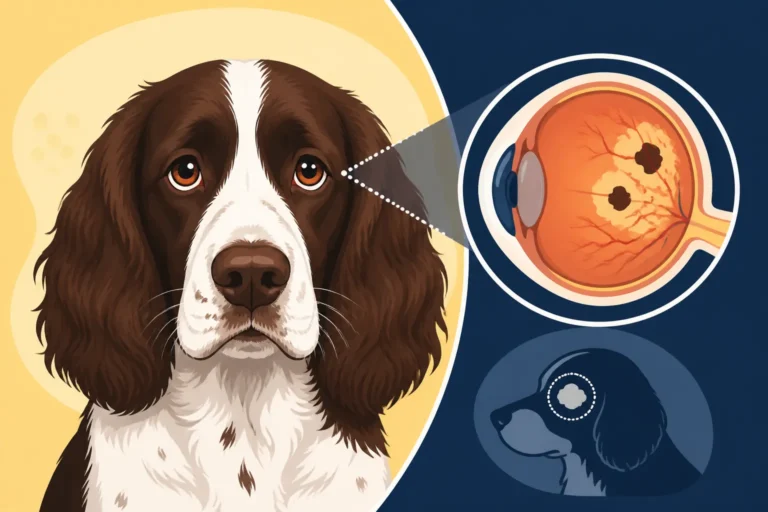
Beyond DNA tests for Fucosidosis and PFK Deficiency, ethical breeders will screen for orthopedic issues such as Hip Dysplasia in a Springer Spaniel and elbow dysplasia through X-rays submitted to the OFA. Eye health is also critical, with annual examinations by a board-certified veterinary ophthalmologist to check for issues like Progressive Retinal Atrophy, Retinal Dysplasia, Entropion, and crucially, primary glaucoma. A special procedure called a gonioscopy is also often performed to check the drainage angles of the eyes, which is vital for preventing Primary Glaucoma and the Springer Spaniel That Loses an Eye. Less commonly, some breeders also screen for thyroid function to rule out hypothyroidism. All of these tests are performed on the adult breeding dogs to ensure they are structurally and genetically sound, minimizing the risk to their future litters. Knowing The Health Tests Both Springer Spaniel Parents Should Have is invaluable when choosing a breeder.
When and What Kind of "Testing" Happens for a Springer Spaniel Litter
While the heavy lifting of genetic screening happens at the parent level, puppies certainly don't go unchecked. They receive a different, but equally important, kind of "testing" and evaluation throughout their first weeks of life. This involves careful observation and multiple veterinary check-ups to ensure they are growing and developing normally, and are free from any immediate, non-genetic health concerns before they head to their forever homes.
Initial Veterinary Checks for Newborn Puppies
From the moment a Springer Spaniel puppy takes its first breath, a good breeder is vigilant. This isn't formal genetic testing, but rather an ongoing, hands-on health assessment. Immediately after birth, puppies are checked for obvious congenital defects like cleft palates, which would make nursing impossible, or significant umbilical hernias. The breeder monitors their weight daily to ensure they are gaining steadily, a crucial indicator of overall health and adequate nutrition from the dam.
Over the first few weeks, the breeder will observe their development milestones: are their eyes opening at the right time? Are they starting to walk and explore? Are they strong, active, and nursing well? Any lethargy, refusal to eat, or unusual signs would prompt an immediate vet visit. While these aren't the same as a DNA panel, these early checks are critical for ensuring the puppies have the best possible start in life, addressing any immediate concerns that aren't necessarily hereditary but could impact their survival and well-being.
The Role of the Puppy Vet Check-Up Before Going Home
The most formal "testing" a Springer Spaniel litter receives, collectively, is their comprehensive veterinary check-up before they are cleared to go to their new homes. This typically happens between seven and eight weeks of age, usually just before or around the time they receive their first set of vaccinations. This is a crucial appointment that every prospective puppy owner should confirm takes place.
During this visit, the veterinarian performs a thorough physical examination on each puppy. They'll listen to the heart and lungs, check their eyes, ears (which, let's be honest, will likely be healthy at this age but require ongoing vigilance given Why a Springer Spaniel's Ears Are Never Quite Healthy), mouth, and teeth. They'll palpate the abdomen, check joints, assess gait, and ensure all systems appear to be functioning correctly. The vet will also look for external parasites, administer initial vaccinations, perform deworming, and often insert a microchip. This check-up provides an essential snapshot of the puppy's immediate health status, confirming they are robust enough for their new adventure. It's a critical assurance for new owners, but it’s important to remember it doesn't replace the comprehensive genetic and orthopedic screenings done on the parents.
The Importance of Breeder Transparency and DNA Testing
When you're looking for a Springer Spaniel puppy, the breeder's transparency regarding health testing is just as important as the tests themselves. A reputable breeder isn't just selling you a puppy; they're offering a lifetime commitment to the health and well-being of the breed, and that means being open and honest about their practices. This allows you to make an informed decision and feel confident in your choice.
Why Responsible Breeders Share Parent Health Testing Results
A truly responsible breeder views health testing as a non-negotiable part of their program, and they are proud to share the results with prospective puppy buyers. They understand that you, as a future owner, deserve to know the genetic background of your puppy. This means they will readily provide documentation for the sire and dam’s OFA clearances (hips, elbows, eyes, thyroid) and DNA test results for conditions like Fucosidosis and PFK Deficiency. Many breeders register these results publicly through organizations like the OFA, or through commercial DNA testing services like Embark or Wisdom Panel, making them easily verifiable online.
Don't be shy about asking to see these documents. A breeder who hesitates or makes excuses is a red flag. They should be able to walk you through what each test means and how it applies to the health of the litter. This level of transparency speaks volumes about their commitment to the breed's future and the health of the puppies they produce. It's truly a critical step, as understanding The DNA Test That Should Precede Every Springer Spaniel Purchase can save you immense heartache later. Always confirm Whether a Springer Spaniel Breeder Should Show Fucosidosis Results before committing to a puppy.
When a Puppy Might Undergo Specific DNA Testing
While routine genetic testing of an entire litter isn't standard practice if the parents have been fully screened, there are specific, albeit rare, circumstances where an individual puppy might undergo DNA testing. This typically happens in situations where the parental genetic status is unknown. For example, in a rescue scenario, or if a breeder acquired a dog without proper documentation and needs to confirm its genetic health status before considering it for breeding in the future. In such cases, a blood or cheek swab sample can be sent to a lab to identify carrier or affected status for various genetic diseases.
Some individual puppy owners, out of curiosity or a desire for a comprehensive genetic profile, might also choose to do an extended DNA panel on their own puppy using services like Embark or Wisdom Panel. These tests can screen for a vast array of genetic conditions beyond the breed-specific ones, often including coat color genetics and traits. It's a personal choice and can offer a deeper understanding of your dog's unique genetic blueprint, even if the parents were fully cleared. This allows you to confirm Whether a Springer Spaniel Owner Can Order the Test and explore Whether a Springer Spaniel's Health Panel Covers Both Diseases on your own terms.
The True Cost of Neglecting Pre-Breeding Health Tests
Choosing a puppy based purely on price or immediate availability, without investigating the parents' health testing, can lead to devastating consequences down the line. What might seem like a "bargain" puppy can quickly become an emotional and financial burden far exceeding any initial savings. Responsible breeders might charge a bit more, but that price reflects their dedication to health, temperament, and the longevity of their lines.
The Heartbreak and Financial Burden of Inherited Diseases
The emotional toll of watching your beloved Springer Spaniel suffer from an inherited disease is immense. Beyond the heartbreak, the financial costs can be astronomical. Conditions like severe hip dysplasia, which may become evident as Hip Dysplasia in a Springer Spaniel in a young adult, can necessitate expensive surgeries, ongoing pain management, and specialized care throughout the dog's life. Genetic eye conditions like primary glaucoma can lead to blindness and require emergency veterinary visits and potentially expensive medications or even eye removal surgery. Similarly, a dog affected by a genetic condition that causes behavioral issues, such as Rage Syndrome in an English Springer Spaniel, can profoundly impact family life and lead to difficult decisions.
Imagine faced with a diagnosis that requires specialized care costing thousands of dollars, knowing that proper parent testing could have prevented it. While no amount of testing can guarantee a dog will never have a health issue, it significantly reduces the risk of predictable, inherited problems. This is where pet insurance, like plans offered by Healthy Paws, can be a lifesaver, providing a financial safety net for unexpected illnesses or accidents. Even with the best breeding practices, unforeseen issues can arise, and a good insurance policy can help manage those What a Springer Spaniel's Vet Bills Look Like, but it's crucial to understand it's not a substitute for responsible breeding.
The Ethical Imperative for Breeders
At its core, responsible breeding is an ethical commitment to the future of the English Springer Spaniel breed. It's about selecting breeding pairs that will enhance the health, temperament, and conformation of the next generation, rather than simply producing puppies for profit. Breeders who skip health testing for their breeding dogs are not only cutting corners financially but are also acting unethically towards the dogs they breed and the families who will eventually welcome those puppies into their homes.
These breeders contribute to the perpetuation of genetic diseases within the breed, ultimately causing suffering for countless dogs and their owners. A truly dedicated breeder spends years researching pedigrees, understanding genetic lines, and investing in all the necessary health clearances to ensure they are making the most responsible choices. They are guardians of the breed, striving to reduce the prevalence of inherited conditions and ensure their puppies have the best possible chance at a long, healthy, and happy life. When you choose a puppy from parents who have undergone thorough health testing, you are supporting these ethical practices and helping to improve the breed as a whole.
| Feature | Parent Health Testing | Litter/Puppy Health Checks |
|---|---|---|
| Purpose | Screen breeding adults for inherited genetic diseases and structural issues before breeding. Prevent passing on known problems. | Assess immediate health and development of individual puppies. Identify congenital defects or acute illnesses. |
| Timing | Done on mature adult dogs (often 1-2+ years old) before breeding. | Ongoing observation from birth; formal vet check at 7-8 weeks of age. |
| Methods | DNA tests (e.g., Fucosidosis, PFK), X-rays (Hips, Elbows), eye exams (CERF/CAER, Gonioscopy), other blood tests (e.g., Thyroid). | Physical exam (heart, lungs, eyes, ears, palpation), vaccinations, deworming, microchipping, fecal test. |
| Who Performs | Specialized labs, veterinary ophthalmologists, board-certified radiologists. Results often registered with OFA, AKC. | General practice veterinarian. |
| Outcome | Informs breeding decisions, identifies carriers/affected dogs. Reduces risk of inherited conditions in offspring. | Confirms puppy is healthy enough to go to new home, addresses immediate health concerns. |
| New Owner's Role | Verify parent clearances before purchasing a puppy. | Arrange follow-up vet care and complete vaccination series after bringing puppy home. |
Disclaimer
This article is intended for informational purposes only and does not constitute veterinary advice. Always consult with a qualified veterinarian for any health concerns or before making decisions about your pet's care.