Progressive Retinal Atrophy in a Springer Spaniel
It's heartbreaking to realize your lively Springer Spaniel, once so keen-eyed and alert, might be struggling to see, especially when the lights dim. Progressive Retinal Atrophy (PRA) is a challenging condition that slowly robs our beloved companions of their sight, leaving many owners feeling helpless and confused about how to best support their dog through this profound change. This guide aims to shed light on what PRA truly is, how it affects Springer Spaniels specifically, and the steps you can take to understand, manage, and even potentially prevent this hereditary eye disease.
What Exactly is Progressive Retinal Atrophy?
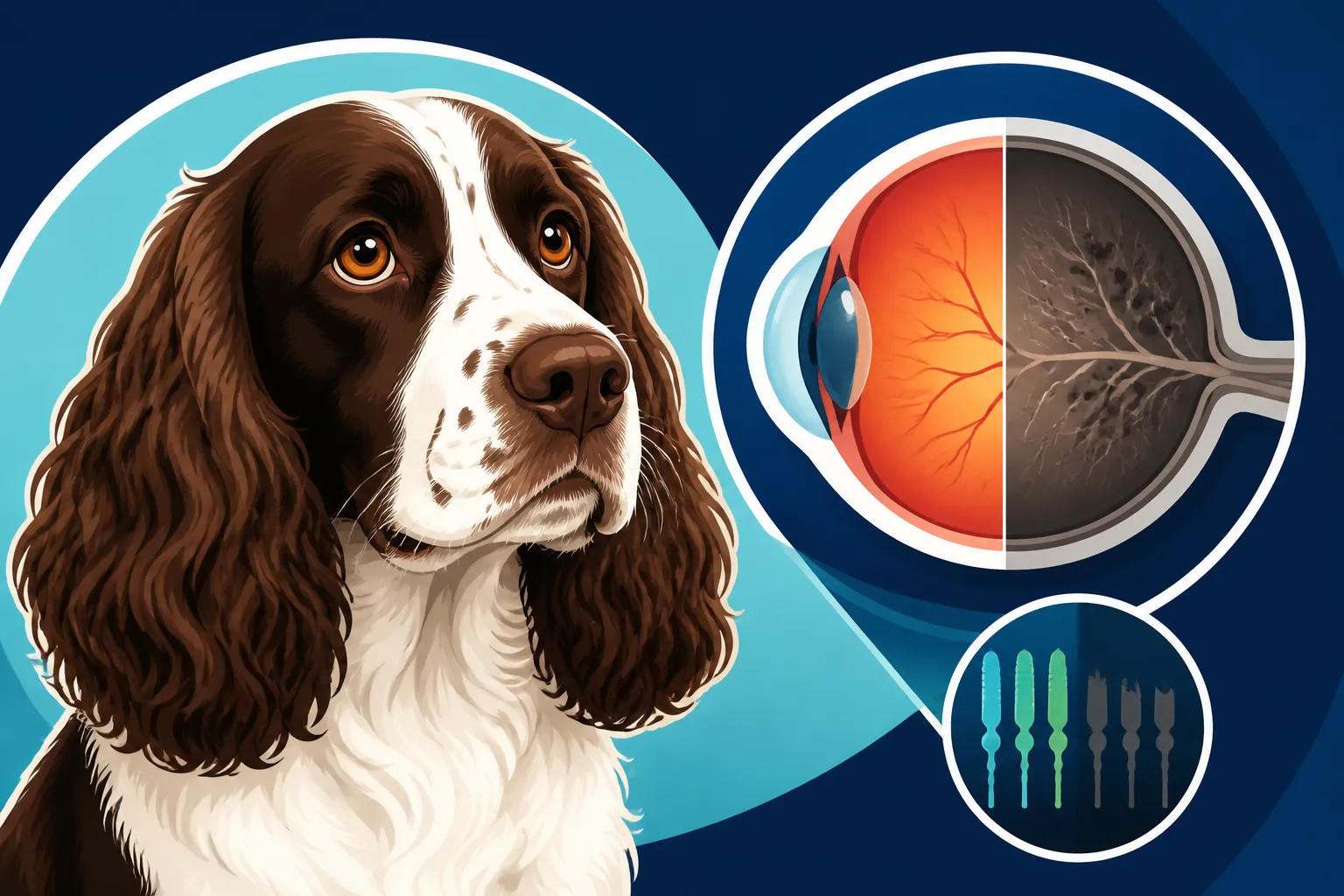
Progressive Retinal Atrophy, often simply called PRA, isn't just one disease but a group of genetic disorders that affect the retina, the light-sensitive tissue at the back of the eye. Think of the retina as the film in an old-fashioned camera; it's responsible for capturing images and sending them to the brain. In dogs with PRA, the cells in this 'film' begin to degenerate, leading to gradual vision loss that ultimately results in blindness. It’s a cruel progression, often starting subtly and then steadily worsening, which can be incredibly disorienting for both the dog and their human family.
The term "progressive" is key here, as it means the condition doesn't happen overnight. Instead, it's a slow, insidious decline, often over months or even years. Many owners don't even realize anything is amiss until the disease has progressed significantly, which is why early understanding and screening are so vital, especially in breeds like our cherished Springer Spaniels, who are known to be predisposed to certain forms of PRA.
The Genetics Behind PRA
Understanding PRA in Springer Spaniels really means understanding its genetic roots. Most forms of PRA are inherited in an autosomal recessive manner. This means that for a puppy to develop the disease, they must inherit two copies of the faulty gene – one from each parent. A dog with only one copy of the faulty gene is considered a "carrier" and will not develop the disease themselves, but they can pass the gene on to their offspring. This is a critical piece of the puzzle for responsible breeders.
There are various types of PRA, and each is linked to a specific genetic mutation. For Springer Spaniels, the most common form is often linked to the prcd-PRA mutation (progressive rod-cone degeneration). This particular mutation causes the rods (responsible for night vision) and then the cones (responsible for day vision and color perception) to degenerate. The good news is that advancements in veterinary genetics mean we now have DNA tests available to identify carriers and affected dogs. This knowledge is invaluable for breeders who are committed to producing healthy puppies.
Without proper genetic screening, breeders might unknowingly mate two carriers, leading to a litter where a quarter of the puppies could be affected by PRA, half could be carriers, and only a quarter would be completely clear. This is why a simple DNA test can prevent so much heartache down the line. It's truly a foundational step in ensuring the long-term health of the breed, helping to reduce the incidence of this devastating condition.
How PRA Affects Vision Over Time
The progression of PRA is, by its very nature, gradual. It typically begins with the deterioration of the rod cells in the retina. These cells are essential for vision in low light conditions. So, one of the first and most common signs you might notice is your Springer Spaniel becoming hesitant or clumsy in dimly lit environments, like at dusk or inside a dark room. They might bump into furniture they usually navigate with ease or be slower to react to toys thrown in low light.
As the disease advances, the cone cells, which are responsible for day vision and detail, also start to break down. This is when daily vision becomes noticeably impaired. Your dog might start struggling to find their food bowl, misjudge steps, or become more easily startled. The pupils may appear dilated even in bright light, as the eye tries to let in as much light as possible to compensate for the failing retina. Eventually, in most cases, PRA leads to complete blindness. However, the exact timeline for this progression can vary significantly from one dog to another, depending on the specific genetic mutation and individual factors.
It's also worth noting that while the physical loss of sight is the most profound effect, dogs don't experience vision in the same way humans do. Their other senses, especially their sense of smell and hearing, are incredibly acute and often become heightened to compensate for their failing eyesight. This amazing adaptability can sometimes mask the early signs of vision loss, making it even more challenging for owners to detect until it's quite advanced.
Recognizing the Early Signs of PRA in Your Springer Spaniel
Catching PRA early can make a world of difference in how you manage the disease and support your Springer Spaniel. While there’s no cure, understanding the signs means you can begin adaptations sooner, making the transition to reduced vision much smoother for your dog. It often starts subtly, and as attentive owners, we need to be tuned into those little shifts in behavior. Sometimes it feels like you’re just imagining things, but those small observations can be crucial.
Early detection of vision problems can also help rule out other conditions. For instance, sometimes a Springer Spaniel's unusual behavior might be mistaken for a temperament issue or even Rage Syndrome in an English Springer Spaniel, when in fact, it's simply fear or confusion stemming from poor eyesight. Being proactive and observant is your best defense against the silent progression of PRA.
Night Blindness and Reduced Visibility in Dim Light
The earliest and most tell-tale sign of PRA in a Springer Spaniel is often night blindness, scientifically known as nyctalopia. This happens because the rod cells, which are the first to be affected, are responsible for vision in low-light conditions. You might notice your dog becoming hesitant or bumping into familiar objects when moving around the house after dark, or struggling more to navigate outside in the evening. They might be reluctant to go into a dimly lit room, or hesitate at the top or bottom of stairs that are usually no problem.
Consider your routine: does your dog usually bound through the backyard at dusk to chase squirrels, but now moves more cautiously? Do they seem disoriented in the hallway if you haven't turned on the lights? These are not necessarily signs of clumsiness or aging, but potentially indicators that their night vision is failing. Many owners describe their dogs as suddenly becoming "spooked" by shadows or unfamiliar objects in low light, which can be quite upsetting for both parties. It’s not that they’re scared of the dark, but rather that the dark has become a confusing and potentially dangerous place for them.
It's important to differentiate this from general clumsiness. A Springer Spaniel, especially a younger one, is typically agile and confident. If you start seeing these hesitations or minor bumps, particularly when light levels drop, it's a strong signal that something is off with their vision. Keep a mental log or even a physical note of these observations, as they will be incredibly helpful when you speak with your veterinarian.
Behavioral Changes and Navigational Difficulties
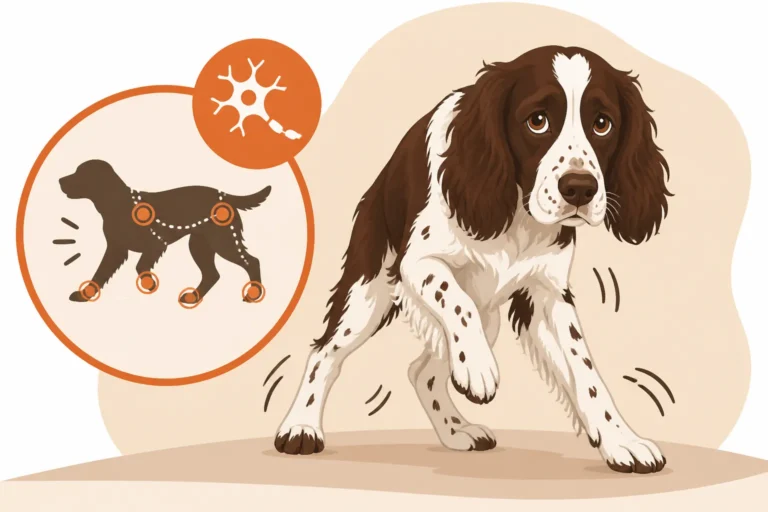
Beyond just night blindness, as PRA progresses, you'll start to notice more generalized behavioral changes and overt navigational difficulties. Your Springer Spaniel might become more anxious in new environments, relying heavily on you for guidance. They might stick closer to your side on walks, or hesitate before jumping on or off furniture. Familiar routes in the house might suddenly become challenging, leading them to bump into doorways or trip over rugs.
Another common observation is that their pupils might appear larger or more dilated than usual, even in normal light conditions. This is their body's attempt to allow more light into the retina to compensate for its diminishing function. You might also notice a reflective quality in their eyes, sometimes described as a "green glow" or tapetal hyper-reflectivity, when light catches them just right. This is due to the thinning of the retinal layers.
Some dogs, especially active breeds like Springer Spaniels, might also show reduced interest in games involving sight, such as fetch, if they can no longer accurately track the ball. They might compensate by using their incredible sense of smell more, but the joy of visually chasing a toy can diminish. This can be particularly disheartening for owners of dogs that thrive on activity and play. If you're seeing these changes, it's definitely time to schedule a vet visit, as early intervention in terms of lifestyle adjustments can make a significant difference in your dog's comfort and confidence.
Diagnosing PRA: What Your Vet Will Look For
When you suspect your Springer Spaniel might have PRA, the first step is always a visit to your trusted veterinarian. They'll start with a thorough general examination and then typically move to more specific ophthalmic tests. It’s understandable to feel worried during this process, but remember that diagnosis is the first crucial step toward understanding and managing the condition.
Many vets, especially those in areas with a strong gundog community, are very familiar with eye issues in breeds like the Springer Spaniel. They know that The Four Eye Diseases a Springer Spaniel Breeder Screens For include PRA, and will guide you through the necessary steps. Don't hesitate to ask questions; an informed owner is always the best advocate for their dog.
Ophthalmic Examination and Advanced Diagnostics
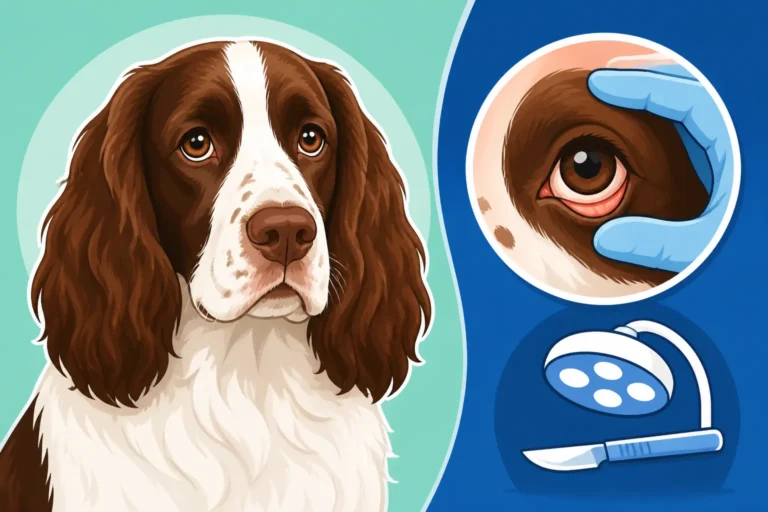
Your general veterinarian will likely begin with a standard eye exam, checking for general eye health, pupil reflexes, and looking into the back of the eye with an ophthalmoscope. They'll be looking for specific changes in the retina and optic nerve that are indicative of PRA, such as the tell-tale tapetal hyper-reflectivity mentioned earlier, or a narrowing of the retinal blood vessels. These visual cues are often present even before significant behavioral signs of vision loss become apparent.
However, for a definitive diagnosis of PRA, especially in its early stages, your vet might recommend a referral to a veterinary ophthalmologist. This specialist has advanced equipment and expertise to perform more detailed tests. One such test is an electroretinogram (ERG), which measures the electrical activity of the retinal cells in response to light. An ERG can detect retinal dysfunction long before clinical signs of vision loss are obvious to the owner or even during a routine veterinary exam. This test is non-invasive and provides a clear picture of the retina's health.
Another diagnostic tool, especially if other eye conditions are suspected, might be an ocular ultrasound. While an ultrasound won't diagnose PRA directly, it can help rule out other problems like retinal detachment or masses, ensuring a clear diagnosis. The ophthalmologist can also assess for conditions like Primary Glaucoma and the Springer Spaniel That Loses an Eye, which might present with similar symptoms but require very different treatments. A comprehensive eye exam is really important, and don't be afraid to ask for a referral if your general vet suggests it.
The Importance of DNA Testing
While an ophthalmic exam and ERG can confirm retinal degeneration, the gold standard for diagnosing the specific genetic form of PRA, and for identifying carriers, is DNA testing. For English Springer Spaniels, this typically involves a test for prcd-PRA. This simple test, usually done with a cheek swab, can identify whether a dog is clear, a carrier, or affected by the specific genetic mutation. This is absolutely critical for breeders, as it allows them to make informed decisions to avoid producing affected puppies.
Many breeders understand the profound importance of genetic testing and will openly share the results for their breeding dogs. When considering a puppy, asking to see proof of parentage DNA testing for PRA, along with other common Springer Spaniel ailments like PFK Deficiency and the Springer Spaniel That Collapses After Exercise and Fucosidosis Kills a Springer Spaniel Within Weeks of the First Sign, is paramount. A responsible breeder will have done their homework.
For current pet owners, especially if your dog is diagnosed with PRA clinically, DNA testing can help pinpoint the exact genetic mutation, which can sometimes give insight into the expected progression. While there's no cure for PRA, knowing the genetic cause can be empowering. Additionally, organizations like Healthy Paws pet insurance often encourage and sometimes even offer resources for preventative health measures, including genetic testing, recognizing the long-term benefits of a healthy pet. Knowing your dog's genetic status can help you budget for future care or understand what might be covered by insurance should complications arise.
Living with a Springer Spaniel Diagnosed with PRA
Receiving a PRA diagnosis for your Springer Spaniel can be incredibly tough. It's natural to feel a mix of sadness, worry, and a desperate desire to help your furry friend. The good news is that dogs are remarkably adaptable, and with some thoughtful adjustments, your Springer Spaniel can continue to lead a happy, fulfilling life even as their vision diminishes or is lost entirely. Your role shifts from preventing to adapting, and that’s a journey you can navigate together.
Many owners worry about Whether a Springer Spaniel Goes Fully Blind From PRA and how their dog will cope. The reality is that while full blindness is the typical outcome, your dog's ability to adjust often surprises and inspires. They rely on their other senses, and your consistent support makes all the difference.
Adapting Your Home Environment
The key to helping a visually impaired Springer Spaniel is consistency and safety. Once you know your dog is losing their sight, try to keep your home environment as consistent as possible. Avoid rearranging furniture frequently. If you do move something, guide your dog around the new obstacle repeatedly until they've mapped it out in their mind. Use scent markers or textured mats near important areas like food and water bowls, or doors, to help them orient themselves.
Consider creating a safe, designated "home base" where your dog can always feel secure. This might be their crate or a specific bed in a quiet corner. Ensure pathways are clear of clutter, electrical cords, and tripping hazards. For stairs, you might install gates if your dog struggles, or add carpet runners to provide better traction and a consistent feel underfoot. For outdoor spaces, ensure your yard is securely fenced and free of dangerous obstacles. Always supervise them closely outside, especially in unfamiliar areas.
Auditory cues also become very important. Talking to your dog frequently as you move around the house can help them track your location and feel less startled. Gentle verbal commands for "step up" or "watch out" can also become incredibly useful. Remember, your voice and touch are their new guides.
Maintaining a Good Quality of Life
A PRA diagnosis doesn't mean your Springer Spaniel's life is over; it means a new chapter begins, one where you learn to navigate the world differently together. Maintaining a good quality of life involves stimulating their other senses, continuing with appropriate exercise, and ensuring their emotional well-being. Regular walks are still vital, perhaps on a longer lead in familiar, safe areas, allowing them to explore scents. A GPS collar, like those offered by Tractive or Fi, can offer peace of mind during outdoor adventures, even in securely fenced yards.
Interactive toys that incorporate sound or scent, such as Kongs filled with treats or snuffle mats, can keep their minds engaged. Scent work, even simple "find the treat" games around the house, can become a favorite activity, leveraging their extraordinary sense of smell. Continue to groom them regularly, both for their coat health and as a comforting tactile experience. This is especially true for show-bred Springers with their long feathering, where regular brushing is essential.
Social interaction remains crucial. Your Springer Spaniel still needs cuddles, playtime, and interaction with family members. Introduce new people or other dogs slowly and verbally, allowing your dog to sniff and explore without being startled. This unwavering emotional support helps them build confidence in a world that is gradually becoming darker. Healthy Paws and similar pet insurance providers understand that ongoing quality of life is key, and while they can't cure PRA, they often support expenses related to diagnostics and supportive care.
The Emotional Toll on Owners
It’s completely normal, and honestly, expected, for owners to feel a significant emotional toll when their Springer Spaniel is diagnosed with PRA. You’ve pictured years of walks, games of fetch, and adventures together, and the thought of your dog losing their sight can be devastating. You might feel a profound sense of grief, sadness, guilt, or even anger. These feelings are valid and should not be dismissed.
Watching your once-confident dog become hesitant, confused, or bumping into things can be heartbreaking. You might mourn the loss of certain activities you shared, or worry constantly about their safety. It’s important to acknowledge these feelings and allow yourself to process them. Reach out to friends, family, or online support groups for owners of blind dogs. Sharing your experiences can be incredibly cathartic and provide valuable advice from others who have walked a similar path.
Remember, your dog is still the same loving companion, just with a different way of experiencing the world. Your calm, patient, and consistent presence is the greatest gift you can give them. Focus on what they can do, and celebrate their incredible resilience. It’s a journey of adaptation for both of you, and with love and understanding, you can ensure your Springer Spaniel continues to live a happy, enriched life, even if Whether a Blind Springer Spaniel Copes at Home with grace.
Breeding Responsibly and Preventing PRA
While managing PRA in an affected dog is crucial, the long-term solution lies in prevention through responsible breeding practices. As an inherited condition, PRA can be significantly reduced, and ideally eliminated, from a breed through careful genetic screening and selective breeding. This is where the true power of scientific advancement meets ethical animal husbandry.
It's a huge responsibility for breeders, and a major factor for prospective owners to consider when looking for a puppy. Understanding The Health Tests Both Springer Spaniel Parents Should Have is not just about peace of mind for you, but about supporting the future health of the entire breed.
Health Screening for Prospective Parents
For any serious, ethical breeder of English Springer Spaniels, comprehensive health screening for prospective breeding dogs is non-negotiable. This isn't just a suggestion; it's a moral imperative to protect the breed and prevent future suffering. When it comes to PRA, the cornerstone of this screening is genetic DNA testing. As discussed earlier, the prcd-PRA DNA test can identify if a dog is clear, a carrier, or affected by the gene mutation. This allows breeders to avoid mating two carriers, which would produce affected puppies.
Beyond DNA tests, reputable breeders will also have their dogs undergo regular comprehensive eye examinations performed by a board-certified veterinary ophthalmologist. This yearly eye exam is crucial because while DNA tests are specific to known genetic mutations, an ophthalmologist can detect other eye conditions or even atypical forms of PRA that might not be covered by standard DNA panels. For example, Whether a Springer Spaniel Needs a Yearly Eye Exam is important not just for PRA, but for other conditions like cataracts, retinal dysplasia, and glaucoma, all of which can affect vision. These certifications, often through organizations like the Orthopedic Foundation for Animals (OFA) or the Canine Eye Registration Foundation (CERF, now part of OFA Eye Certification Registry), provide public documentation of a dog's eye health.
A responsible breeder won't just tell you they've done these tests; they'll happily show you the official documentation for both parents of a litter. This transparency is a hallmark of ethical breeding practices and gives prospective owners confidence in the health of their future puppy.
The Role of Ethical Breeders
Ethical breeders are the guardians of a breed's future health. Their commitment goes far beyond simply producing puppies; it involves a deep understanding of genetics, health testing, and breed standards. For English Springer Spaniels, an ethical breeder will actively work to minimize the incidence of inherited diseases like PRA by utilizing available DNA tests and ensuring their breeding dogs have clear eye certifications. They meticulously study pedigrees, aiming to improve the health and temperament of each successive generation.
They understand that a carrier dog can still be bred, but only if mated to a "clear" dog. In such a pairing, none of the puppies will be affected by the disease, though some will be carriers themselves. This careful planning allows for the responsible management of genetic diversity while working towards eliminating undesirable traits. Good breeders are essentially scientists and passionate advocates rolled into one. They are proactive in seeking out new information and collaborating with veterinary professionals and breed clubs to stay informed about the latest health research and testing protocols.
When you're looking for a Springer Spaniel puppy, choosing an ethical breeder is the single most important decision you can make to reduce the risk of your puppy developing PRA. They might not be the cheapest option, but the investment in a puppy from health-tested parents can save you immense emotional and financial distress down the line. A reliable pet insurance provider like Healthy Paws can also offer a safety net, but investing in a responsibly bred dog is always the best first step. Support those breeders who are committed to the health and longevity of the English Springer Spaniel breed, ensuring that future generations can see and thrive.
Disclaimer
The information provided in this article is for general informational purposes only and is not a substitute for professional veterinary advice. Always consult with a qualified veterinarian or veterinary ophthalmologist for any health concerns or before making any decisions related to your pet's health or treatment.