Whether a Solid Colored Springer Spaniel Exists
It's a common question that pops up in conversations among Springer Spaniel enthusiasts and potential owners alike: do solid colored English Springer Spaniels actually exist? You might have seen photos or even met a dog that looked solid, making you wonder if the classic white-and-color pattern is just a preference or a strict breed characteristic. This guide dives deep into the breed's coat genetics, what the standards say, and why what you see isn't always what you get in the world of Springer Spaniel colors.
The English Springer Spaniel Coat Standard: A Palette of Patterns
When you picture an English Springer Spaniel, what usually comes to mind is that striking pattern of white and another color—most often liver (brown) and white, or black and white. These aren't just common markings; they're deeply ingrained in the breed's history and genetic makeup, and they're what the breed standards globally recognize as correct. It’s not just about aesthetics; these patterns tell a story of the breed's lineage and purpose.
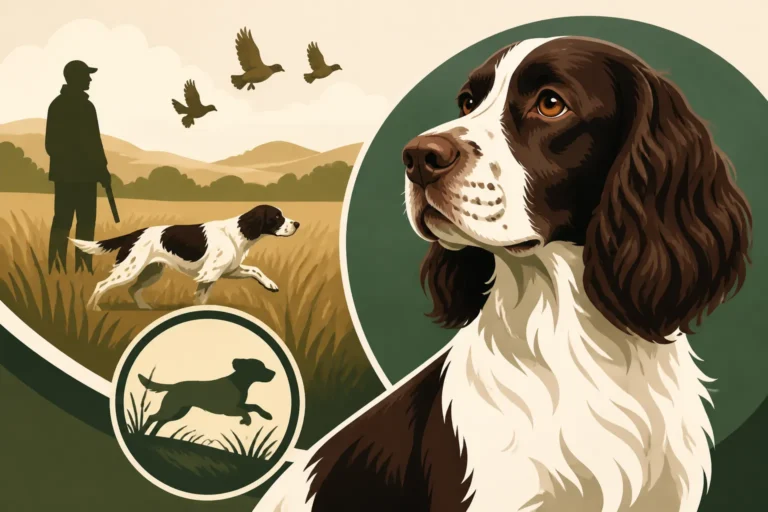
For centuries, the English Springer Spaniel was developed to "spring" game, flushing it from cover for hunters. Their distinctive markings weren't accidental; a dog that stood out against the dense foliage was easier for hunters to spot in the field. This practical aspect influenced the breed's development and, eventually, its formal standards. The standards are essentially the blueprint for what a purebred English Springer Spaniel should look and act like, and coat color is a significant part of that. Deviations from these standards are typically considered faults, especially in the show ring.
Accepted Color Combinations
The English Springer Spaniel breed standard is quite specific about acceptable colors. You won't find a "solid" color listed among them, whether you're looking at American Kennel Club (AKC) standards or those from other international bodies. The expectation is always a combination with white, making the term "solid colored Springer Spaniel" a bit of an oxymoron within the purebred context. The primary colors you'll encounter, always paired with white, are:
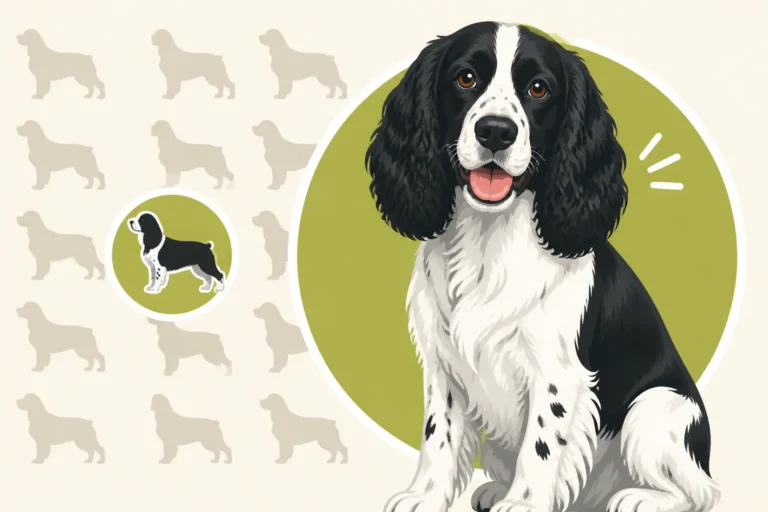
- Black and White: This is a classic, bold combination. The black should be rich and dark, forming distinct patches against a clean white background. Sometimes, these black areas can be so extensive that from a distance, or in certain lighting, a dog might appear predominantly dark.
- Liver (Brown) and White: Often called "chocolate and white" by some, this elegant combination features varying shades of brown, from a deep, rich liver to a lighter, almost golden hue, all set against white. Liver and white Springers also tend to have liver-colored noses and lighter eyes, which is Whether a Springer Spaniel Can Have a Liver Nose.
- Tricolor: This adds another layer of complexity and beauty! A tricolor Springer will have either black and white or liver and white markings, plus tan points. These tan points usually appear on the eyebrows, muzzle, cheeks, and under the tail. Whether a Tricolor Springer Spaniel Is Correct is a question many ask, and yes, it is absolutely within the standard. It creates a stunning, multi-dimensional coat.
These combinations are the hallmarks of the breed, a vibrant tapestry that defines the English Springer Spaniel's appearance. You won't find a solid black, solid liver, or any other single color as a recognized purebred coat pattern.
The Role of Ticking and Roaning
Beyond the primary color patches and white, many English Springer Spaniels also display ticking or roaning. These aren't solid colors either; they're intricate patterns that add even more character to the coat. People often confuse these patterns or aren't entirely sure what they mean, but they're perfectly normal and even desirable in many instances.
- Ticking: This refers to small, isolated spots of color that appear within the white areas of the coat. Imagine tiny freckles scattered across the white fur. These spots will be the same color as the main patches—either black or liver. How Ticking Develops on a Springer Spaniel Puppy is fascinating because it often isn't present at birth, but rather develops as the puppy matures. You might get a perfectly white puppy, and then slowly, these little spots start to emerge. The amount of ticking can vary greatly from dog to dog, some having just a few speckles, others being quite heavily ticked.
- Roaning: Roaning is similar to ticking but involves a much denser intermingling of colored hairs within the white areas, creating a salt-and-pepper or marbled effect rather than distinct spots. The white areas appear shaded or frosted with the primary color, giving a blended look. A heavily roaned dog might have very little "pure" white, making its coat appear almost entirely colored, but upon closer inspection, you'll still see the white hairs mixed in. This roaning can be so extensive that it contributes to the perception of a "solid" dog from a distance.
Both ticking and roaning are genetically determined and are considered part of the breed's normal variation. They add depth and texture to the coat, making each Springer Spaniel truly unique. So, while you might glance at a dog and think it's mostly colored, a closer look will almost always reveal the underlying white and the intricate patterns of ticking or roaning that distinguish the breed.
Why You Might See What Looks Like a Solid Springer
It's completely understandable why someone might believe they've spotted a solid-colored English Springer Spaniel. Our eyes can play tricks on us, and certain genetic expressions or even superficial resemblances can lead to misidentification. There are a few key reasons why a Springer might appear to be solid, even when it isn't according to the breed standard. It often comes down to the distribution of their markings or mistaking them for another breed entirely.
Think about a dog playing in a field, moving quickly, perhaps a bit muddy. From a distance, distinguishing between heavy markings and a true solid coat can be incredibly difficult. Even in a perfectly clean, still dog, the sheer volume of colored patches can create an illusion that catches many people off guard.
Heavily Marked Dogs
Some Springer Spaniels are born with very extensive color patches, meaning there's very little white space on their bodies. This isn't a solid color; it's simply a genetic expression resulting in large, confluent areas of black or liver. These dogs still possess the underlying white base coat, but the colored portions cover so much of their body that the white becomes almost secondary, tucked away on their chest, belly, or feet.
Imagine a black and white Springer Spaniel where the black covers most of its back, sides, and head, leaving only a small blaze on its forehead, a white chest patch, and white socks on its paws. To the casual observer, especially in dim light or when the dog is in motion, that dog could easily be mistaken for a solid black dog. The same goes for liver and white Springers; a "saddle" of liver across its back that extends down its sides can make it look remarkably uniform in color from certain angles. These heavily marked dogs are still purebred English Springer Spaniels, perfectly within the acceptable range of markings, but they challenge the typical image people have of the breed's pattern.
Misidentification with Other Breeds
Another very common reason for believing solid Springers exist is simply mistaking another breed for an English Springer Spaniel. There are several other spaniel breeds, and even some non-spaniel breeds, that come in solid colors and share some physical similarities with Springers.
Consider the English Cocker Spaniel. While historically related—Why Springer and Cocker Puppies Once Came From One Litter and The 1902 Split That Separated Springer From Cocker are fascinating parts of their shared past—they are distinct breeds now. English Cocker Spaniels absolutely do come in solid colors like solid black, solid liver, or solid red. They are smaller than Springers, but their general build, floppy ears, and expressive eyes can lead to confusion. If you see a beautiful, solid black spaniel with long ears, your first thought might be "Springer," when it's much more likely an English Cocker Spaniel. The English Springer Spaniel Against an English Cocker Spaniel details more of these differences.
Other breeds that could be mistaken include:
- Field Spaniels: These are almost always solid colored (black, liver, or roan), with a similar spaniel build and long ears. They are less common than Springers or Cockers but certainly exist.
- American Cocker Spaniels: While often shown with much more profuse coats, they also come in solid colors and could be misidentified, though their head and body shape are quite different from an English Springer.
It's easy to see how a quick glance at a solid black English Cocker or Field Spaniel could plant the idea that English Springer Spaniels also come in solid colors. Understanding the distinct breed characteristics, especially coat patterns, helps clarify these distinctions.
The Genetic Reality of Springer Spaniel Coats
The beautiful, distinctive coats of English Springer Spaniels are no accident; they are the result of specific genetic interactions. Understanding a bit about the genetics involved helps solidify why "solid" isn't in their vocabulary. Breeders work carefully with these genetics, often using tools and tests from companies like Chewy's partner labs, to ensure they're producing healthy, well-tempered dogs that adhere to the breed standard. This careful genetic management is crucial for maintaining the integrity of the breed.
The patterns we see—the patches of color, the white, the ticking, the roaning—are all governed by a complex interplay of genes, particularly those related to pigmentation and pattern distribution. It's not just one switch that determines if a dog is colored or white; it's a series of genetic instructions working in concert.
The Piebald Gene
The key player in creating the Springer Spaniel's signature patched coat is the piebald gene, often referred to as the "S" locus. This gene controls the distribution of white markings on a dog's coat.
- S/S (No Piebald): A dog with two copies of the dominant "S" allele would typically be solid colored, meaning no white markings at all. This is the genetic configuration for many solid breeds.
- s/s (Extreme Piebald): A dog with two copies of the recessive "s" allele will be largely white, with varying amounts of color. This is the genetic makeup that produces the typical patched pattern we see in English Springer Spaniels. The gene essentially "tells" the pigment-producing cells where not to go, resulting in white areas.
- S/s (Heterozygous): Dogs with one copy of each allele may have white markings, but generally less extensive than those with two recessive copies.
Because English Springer Spaniels are fixed for the piebald gene (meaning they essentially carry the s/s genotype for white markings), they must have white in their coats. It’s part of their genetic blueprint. This means that a true purebred English Springer Spaniel cannot be genetically solid colored. Any apparent "solid" appearance is purely due to the extent of the colored patches, not the absence of the piebald gene. This foundational genetic characteristic is why the breed standard never describes a solid color.
Breeding for Specific Markings
Reputable breeders put a tremendous amount of effort into understanding the genetics of their dogs, not just for health but also for coat characteristics. They aren't trying to breed solid Springers; rather, they're aiming for dogs that exemplify the breed standard in both form and function. This involves careful selection of breeding pairs to ensure desirable traits are passed down, including coat patterns.
While the piebald gene ensures white markings, other genes influence the extent and pattern of the colored patches, as well as the presence of ticking or roaning. A breeder might notice certain lines tend to produce heavily marked offspring, while others might yield dogs with more balanced white and color. This is all within the normal variation of the breed. For example, some working lines might be slightly less concerned with very precise markings, prioritizing drive and ability, but they still adhere to the fundamental bi-color or tricolor pattern.
Breeders rely on generations of pedigree knowledge and, increasingly, genetic testing. They are also responsible for The Health Tests Both Springer Spaniel Parents Should Have to ensure puppies are healthy, not just pretty. For potential owners, if a breeder claims to have "rare solid colored Springer Spaniels," it's a significant red flag. This either indicates a misunderstanding of breed genetics, a mixed-breed dog being misrepresented, or potentially a deviation from ethical breeding practices. Always insist on seeing registration papers and health clearances, and understand that Whether an Untested Springer Spaniel Litter Is Worth Buying is a serious question to consider for your future dog's health and longevity.
Health Considerations and Coat Color Myths
It's natural to wonder if specific coat colors or patterns are linked to certain health conditions, especially in breeds known for white markings. In some breeds, extensive white can be associated with deafness or other issues. However, it's important to separate fact from fiction when it comes to English Springer Spaniels. The breed's unique blend of white and color generally doesn't carry the same health risks as the all-white or merle patterns seen in other breeds.
As a general rule, health in English Springer Spaniels is far more influenced by responsible breeding practices, genetic health testing (like for conditions such as PFK Deficiency and the Springer Spaniel That Collapses After Exercise or Hip Dysplasia in a Springer Spaniel), and overall genetic diversity rather than the specific distribution of their black or liver patches. A good breeder will prioritize health above all else, ensuring their breeding stock is sound, regardless of whether a puppy has more white or more color.
White Coats and Deafness/Vision
In some dog breeds, particularly those with vast amounts of white, like Dalmatians, or those carrying the merle gene, there can be a link between coat color and congenital deafness or vision problems. This is due to the genetic pathways involved in both pigment production and the development of the inner ear and eyes.
However, in English Springer Spaniels, the presence of white markings (due to the piebald gene, as discussed) is generally not associated with an increased risk of deafness or vision issues. The genetic mechanism at play in Springers is different from the one that causes problems in breeds like Dalmatians. A Springer Spaniel with a predominantly white head or body is typically no more prone to deafness than one with less white. While Springers can unfortunately suffer from various eye conditions, such as Progressive Retinal Atrophy in a Springer Spaniel or Primary Glaucoma and the Springer Spaniel That Loses an Eye, these are inherited through different genetic channels and are not linked to the amount of white in their coat.
Therefore, you shouldn't be concerned that a heavily white Springer Spaniel puppy will automatically have hearing or sight problems. It’s always crucial to choose a puppy from a breeder who performs all recommended health clearances on the parents, but this concern is largely unfounded for the Springer's specific type of white marking.
Temperament and Coat Color
Another enduring myth across many breeds is the idea that certain coat colors are linked to specific temperaments. You might hear people claim that solid black dogs are more aggressive, or that liver-colored dogs are softer, for instance. For English Springer Spaniels, these notions are simply not supported by scientific evidence or the experience of seasoned breeders and owners.
An English Springer Spaniel's temperament is overwhelmingly influenced by genetics related to behavior (which are complex and polygenic), early socialization, training, and environmental factors, not the color or pattern of their fur. Whether a Springer is black and white, liver and white, or tricolor, its core personality traits—its eagerness to please, its boundless energy, its affectionate nature, or its drive in the field—will be consistent with the breed's general characteristics. Rage Syndrome in an English Springer Spaniel is a serious concern, but it is a complex neurological condition, not one tied to coat color.
If you are looking for a Springer, focus on the temperament of the parents, the breeder's commitment to early socialization, and your own ability to provide consistent training and exercise. These are the factors that will truly shape your dog's personality and behavior, not whether it has more black or more liver in its coat. When shopping for dog supplies on sites like Chewy, you'll find plenty of training tools and enrichment toys to support a well-adjusted Springer, regardless of their color.
What to Expect When Seeking a Springer Spaniel
Bringing an English Springer Spaniel into your home is a wonderful adventure, but it’s one that requires research and a clear understanding of the breed. Knowing about their coat colors and patterns is just one piece of the puzzle. The goal is always to find a healthy, well-adjusted companion that truly embodies the qualities of the breed. This means looking beyond superficial appearances and focusing on responsible sources.
Whether you're looking for a companion dog, a working gundog, or a show prospect, the same principles apply. You want a dog that comes from a solid background, with parents who have been health-tested and chosen for their excellent temperaments and adherence to the breed standard. This ensures you're getting a true English Springer Spaniel, with all the wonderful traits the breed is known for.
Reputable Breeders and Standards
When you're searching for an English Springer Spaniel puppy, working with a reputable breeder is paramount. A good breeder will be transparent about their dogs' lineage, health clearances, and what they breed for. They will openly discuss the breed standard, which includes coat colors. They will never advertise "rare" solid-colored Springer Spaniels because they know such a thing doesn't exist within the purebred standard.
Here’s what to look for:
- Health Clearances: Insist on seeing certifications for health tests on both parents. This includes hips, elbows, eyes, and DNA tests for genetic conditions like PFK deficiency and Fucosidosis. This is crucial for your puppy's long-term well-being.
- Knowledge of the Breed Standard: A good breeder understands Which Colors the Springer Spaniel Standard Allows and strives to produce dogs that conform to it. They can explain the nuances of ticking, roaning, and tricolor markings.
- Temperament Focus: They should prioritize good temperament, ensuring their dogs are stable, friendly, and well-socialized from an early age. The difference between How a Field Bred Springer Spaniel Differs in Drive and a show-bred Springer's energy levels is something they should openly discuss, helping you choose the right fit for your lifestyle. How Different the Two Springer Spaniel Types Look is also a key factor.
- Transparency and Support: They should be willing to answer all your questions, show you where the puppies are raised, introduce you to the parents, and provide ongoing support after you take your puppy home.
Remember, if a breeder tries to sell you a "solid colored Springer Spaniel" as something special or rare, it's a strong indication that they are either misinformed or unethical. The AKC or breed clubs like the English Springer Spaniel Field Trial Association are excellent resources for finding reputable breeders who uphold the breed standard.
Adopting from Rescue
Adopting an English Springer Spaniel from a rescue organization is another fantastic way to bring one of these wonderful dogs into your life. Rescue groups often have Springers of all ages, colors, and backgrounds, some of whom may have found themselves in rescue through no fault of their own. Why Springer Spaniels Are Surrendered often involves changes in owner circumstances or underestimation of the breed's energy needs, not issues with the dog itself.
When adopting a Springer from a rescue:
- Coat Colors: You'll find a full spectrum of acceptable Springer Spaniel coat colors—black and white, liver and white, and tricolor—often with varying degrees of ticking and roaning. You might even find a dog with very extensive color that appears solid at first glance, but upon closer inspection, will reveal the characteristic white markings.
- Health History: Rescue organizations strive to provide as much health history as possible, and many will perform basic vet checks and sometimes even genetic testing on their dogs. However, comprehensive health clearances like those from a breeder might not always be available for adult rescue dogs. You may need to budget to What a Springer Spaniel Owner Pays to Retest a Rescue Dog if you want to know their full genetic picture.
- Temperament Assessment: Rescues excel at assessing the temperament of their dogs in foster homes, which can give you a very clear picture of what kind of companion you're bringing home. This is especially helpful if you're concerned about things like Separation Anxiety in a Springer Spaniel or living with children.
- Lifetime Support: Many rescues offer ongoing support and advice, which can be invaluable for new owners, or those looking to understand What a Springer Spaniel Actually Weighs or How Much a Springer Spaniel Sheds Into a House with an adult dog.
Ultimately, whether you choose a puppy from a breeder or an adult from a rescue, the most important thing is to understand the English Springer Spaniel for what it truly is: a lively, affectionate, intelligent dog with a distinctive patched, bi-color or tricolor coat. A solid colored Springer Spaniel, in the purebred sense, simply doesn't exist.
| Characteristic | Solid Color (e.g., English Cocker) | English Springer Spaniel (Typical) |
|---|---|---|
| Primary Appearance | Uniform single color (e.g., black, red, liver) | Two or three distinct colors with white base |
| White Markings | Generally absent or minimal (small chest blaze) | Always present, forming distinct patches |
| Ticking/Roaning | Uncommon | Very common and accepted |
| Breed Standard | Allows solid colors | Requires bi-color or tricolor with white |
| Genetic Basis | Lacks the piebald gene (S/S) | Carries the piebald gene (s/s) |
| Size (Approx.) | Smaller (25-30 lbs) | Larger (40-50 lbs) |
Disclaimer
This article is for general informational purposes only and does not constitute professional advice. Laws, prices and regulations vary by location and change over time. Consult a qualified professional for guidance on your specific situation.