Whether a Springer Spaniel’s Feet Need the Hair Trimmed
You've noticed that fluffy hair between your Springer Spaniel's paw pads, haven't you? It might seem harmless, just a bit of extra fluff, but many owners find themselves asking if they really need to trim it. The truth is, that seemingly innocent fur can actually be a magnet for trouble, leading to discomfort, infections, and even serious injuries if not properly managed. This guide will walk you through why keeping your Springer's paw hair tidy is crucial, how to do it safely, and how to maintain those busy feet for a lifetime of happy bounding.
Why Your Springer Spaniel's Foot Hair Matters More Than You Think
It’s easy to overlook the hair on your dog's feet. After all, they’re down there, mostly out of sight, and often covered in mud or grass from their latest adventure. But for a Springer Spaniel, with their naturally abundant coat and energetic lifestyle, the fur between their paw pads and around their toes can become a significant issue if left untended. It’s not just about aesthetics; it’s fundamentally about comfort, hygiene, and preventing painful problems.
The Function of Fur Between Their Toes
Initially, a bit of hair between the toes offers some level of protection. It can act as a natural cushion against rough terrain and provide a little insulation in colder weather. However, in our domesticated Springers, especially those living in homes and urban environments, this natural "boot" can quickly turn into a liability. The fur tends to grow long, obscuring the paw pads and becoming much more of a hindrance than a help. Think of it like trying to walk in overgrown grass with bare feet; it's just not as efficient or clean as on a clear path.
Moreover, the environment our dogs navigate today is far different from what their ancestors experienced. Pavements, carpets, and curated lawns don't mesh well with excessively long paw hair. That protective quality diminishes, replaced by a propensity to collect debris and cause traction issues. It's a prime example of how even a small detail of canine anatomy, when combined with modern living, can create unexpected challenges for our beloved companions.
Common Problems Caused by Untrimmed Paw Hair
Untrimmed paw hair is a magnet for all sorts of unwelcome guests and issues. First and foremost, it drastically reduces traction. Imagine trying to run on a hardwood floor or tile when you have fluffy slippers on – it's slippery and unstable. For an active Springer, this can lead to slips, falls, and potential injuries, especially as they get older and their joints might not be as forgiving. This loss of grip can make simple movements surprisingly hazardous.
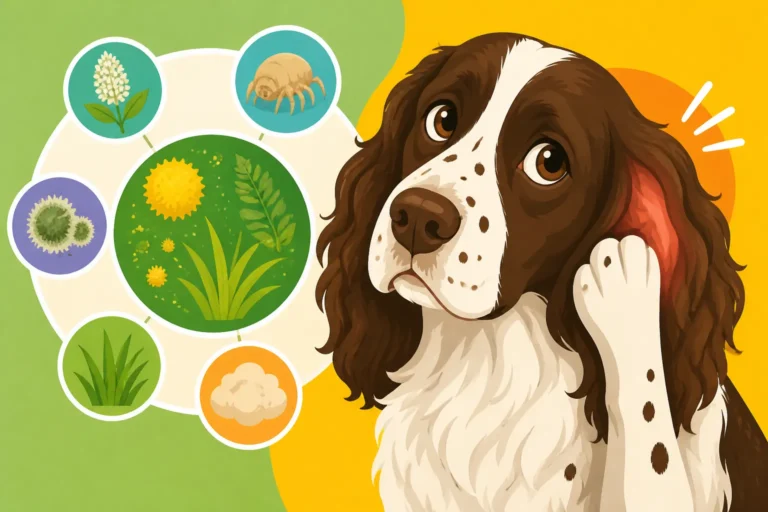
Beyond traction, the hair acts like a broom, sweeping up everything from outside. Burrs, twigs, tiny stones, mud, ice balls in winter, and even nasty thorns become embedded deep within the fur. These foreign objects aren't just annoying; they can cause painful punctures, skin irritations, and infections between the toes. Owners often find themselves plucking out painful little treasures after a walk, or worse, noticing their dog limping only to discover a deeply lodged foxtail or Grass Allergy in a Working Springer Spaniel. This is also a major way ticks make their way indoors, hiding deep in the dense fur.
Another prevalent problem is matting. The hair between the pads can tangle and knot, pulling on the skin and causing immense discomfort. These mats can be incredibly painful, making walking unbearable, and they also create a moist, warm environment where yeast and bacterial infections absolutely thrive. You might notice your Springer licking or chewing their paws excessively, which is often a tell-tale sign of irritation or infection due to these hidden issues. It's a vicious cycle: the irritation leads to licking, which adds moisture, which exacerbates the infection and matting.
The Difference Between Field and Show Springers in Paw Care
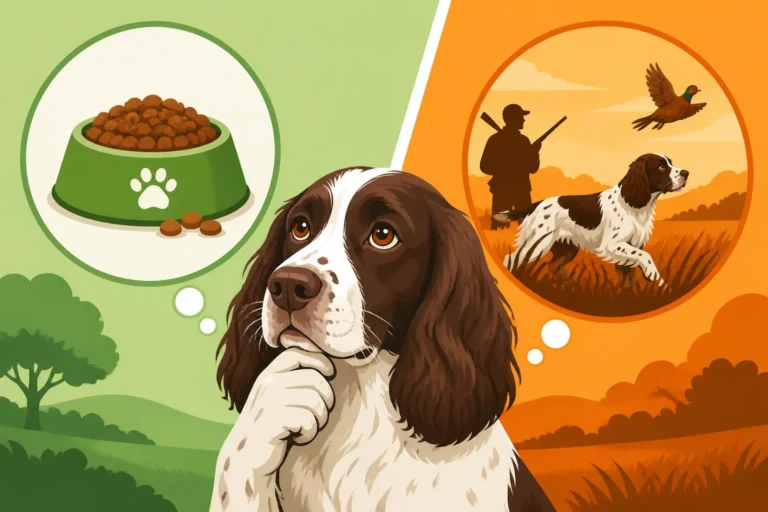
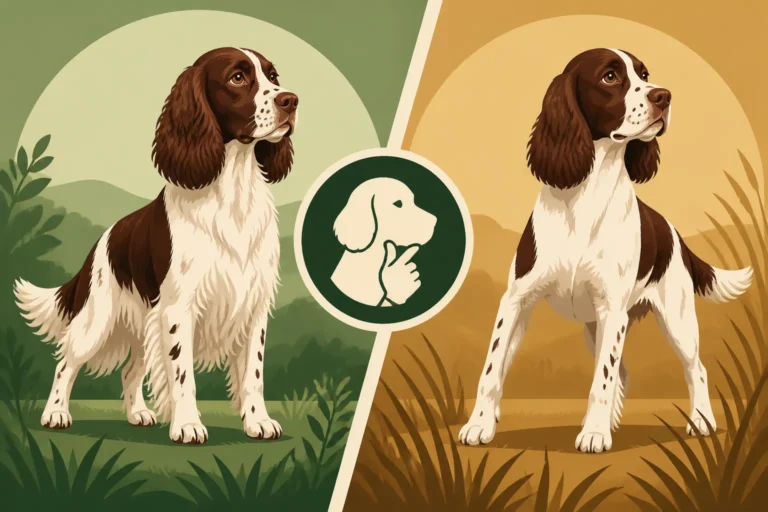
While both types of Springer Spaniels benefit from paw hair trimming, the specific needs can differ slightly due to their coat structure and activity levels. Field-bred Springers, often having a coarser, less profuse coat overall, might still have significant feathering on their legs and feet that needs attention. Their job is to dive headfirst into thick cover, which means burrs, sticks, and grass awns are a constant threat. For these working dogs, meticulous paw care after every outing is non-negotiable. Keeping the paw hair short helps reduce the amount of debris they drag in and makes post-hunt checks much easier. You’ll be looking for Burrs, Ticks and Grass Awns in a Working Springer Spaniel constantly.
Show-bred Springers, on the other hand, are bred for a more aesthetically pleasing, often silkier and more abundant coat, including heavier feathering on their legs and feet. While they might not be crashing through brambles daily, their longer, finer hair is even more prone to matting and collecting debris in everyday life, whether it’s walking through a park or simply around the house. Their longer coat means they also tend to pick up more dust and allergens, which can settle between their pads and contribute to paw irritation. So, while the environmental challenges might differ, the need for regular trimming of the paw hair remains equally high for both types to maintain comfort and health.
When and How to Trim Your Springer Spaniel's Paw Hair Safely
So, you’ve decided it’s time to tackle that paw hair – excellent decision! It’s not a difficult task, but it does require a steady hand, the right tools, and a calm approach. Rushing through it or using the wrong equipment can lead to accidental nicks or create a negative experience for your dog, making future grooming sessions much harder. Preparation and patience are key here.
Recognizing When It's Time for a Trim
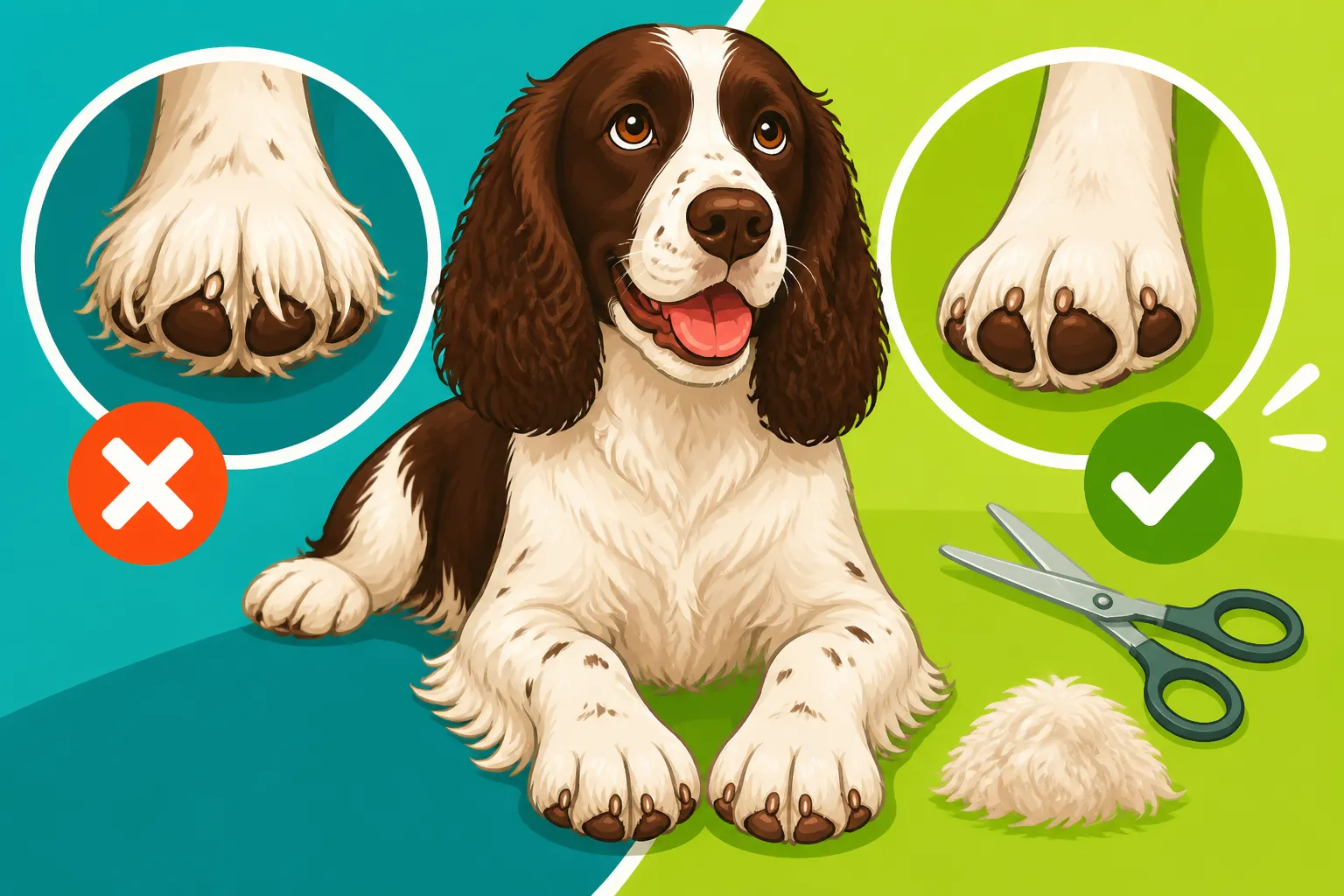
Knowing when to trim is largely a matter of observation. Visually, if the hair between your Springer’s paw pads is obscuring the pads themselves, curling over the edges, or looking matted and tangled, it’s definitely time. When they stand, you should ideally be able to see most of their paw pads clearly, not just a sea of fur. If you can't easily see their distinct paw prints on a clean floor, the hair is too long.
Beyond visual cues, observe your dog's behavior. Are they slipping more often on smooth surfaces? Are they licking, chewing, or biting at their feet more than usual? Are they reluctant to walk on certain terrains? These are all strong indicators that the excess hair is causing discomfort or gathering unwanted materials. For highly active or working Springers, a trim might be needed more frequently, perhaps every 2-4 weeks, especially during seasons when burrs or snow/ice are common. For a pet Springer with a less demanding routine, monthly or bi-monthly might suffice. Consistency is more important than strict adherence to a calendar date.
Essential Tools for At-Home Paw Grooming
You don't need a professional grooming kit to keep your Springer's paws tidy, but having the right tools makes a world of difference for safety and efficiency.
- Small, blunt-nosed scissors: These are absolutely crucial. Look for grooming scissors specifically designed for pets, often with rounded tips. These greatly reduce the risk of accidentally poking or cutting your dog's sensitive paw pads or skin. Trying to use sharp kitchen scissors or craft scissors is just asking for an accident. Brands like Pet Republique or Hertzko offer good, affordable options often found on Chewy or Amazon.
- Small clippers or trimmers: For dogs who tolerate them, small, quiet clippers can be even safer than scissors for trimming between the pads. Look for cordless, quiet models with a ceramic blade, as these tend to run cooler and are less likely to snag hair. A good example might be the Wahl Pet Micro Groomsman. These are excellent for getting into those tight spaces without the risk of scissor blades.
- A slicker brush or comb: Before and after trimming, a small comb or slicker brush is useful for gently brushing the hair up and out from between the pads. This helps you see what you're working with and ensures you don't miss any hidden mats.
- Paw balm (optional but recommended): After a trim, especially if the pads are dry or cracked, a soothing paw balm can be a great way to moisturize and protect them. This is especially useful if you notice your Springer Spaniel Licks Its Paws Raw.
- Treats! Plenty of high-value treats are essential for making this a positive experience for your Springer.
Here's a quick comparison of trimming tools:
| Tool Type | Pros | Cons | Best For |
|---|---|---|---|
| Blunt-nosed Scissors | Precise control, no noise, no heat | Higher risk of nicks if dog moves suddenly | Nervous dogs, quick touch-ups, edges of pads |
| Small Trimmers/Clippers | Very safe between pads, quick, less fatigue for owner | Some dogs dislike vibration/noise, can overheat | Confident dogs, dense paw hair, deep between pads |
Step-by-Step Guide to Trimming Paw Hair
Ready to get trimming? Take your time, stay calm, and make it a positive experience for your Springer.
- Find a quiet, well-lit space: Choose a time when your Springer is relaxed, perhaps after a good walk when they're a bit tired. Make sure you have good lighting so you can clearly see the hair and pads.
- Gather your tools and treats: Have everything within arm's reach. Lay out a non-slip mat if you're working on a hard floor.
- Position your dog: You might need a helper to gently hold your dog, or you can teach them to lie down or sit calmly. Some dogs are comfortable on a grooming table if you have one. If you're working alone, you might kneel beside them while they lie down.
- Inspect the paw: Gently lift one paw. Use your slicker brush or comb to brush the hair out from between the pads and around the toes. Look for any mats, debris, cuts, or irritation. If you find a severe mat, try to gently tease it apart. If it's too tight or painful, it might be safer to visit a professional groomer or vet.
- Spread the pads: Gently spread your dog's toes apart with one hand, exposing the hair between the pads.
- Start trimming (scissors): If using scissors, point the blunt tips downwards, parallel to the paw pad. Never point the tips directly into the paw. Snip small amounts of hair at a time, working from the center of the paw outwards. Trim the hair flush with the paw pads, being careful not to cut the pads themselves. You want to remove the hair that protrudes and gets caught on things.
- Start trimming (clippers): If using clippers, gently press the clippers flat against the paw pad, moving slowly and steadily from the back of the pad towards the front. Use short strokes, letting the clippers do the work. Be extra careful around the dewclaws and nails. Lift each toe pad separately to trim the hair between them thoroughly.
- Trim around the edges: After tackling the hair between the pads, you can tidy up the hair that grows around the perimeter of the paw, ensuring it doesn't extend past the paw's natural outline. This creates a neat "cat foot" appearance.
- Reward, reward, reward: After trimming each paw (or even a single toe!), give your Springer a treat and praise them lavishly. This positive reinforcement is vital for future success. If they get anxious, take a break and come back to it later. It's better to do a little bit at a time than to force the issue.
- Repeat for all four paws. Don't forget the hair around the dewclaws if your Springer still has them.
Remember, slow and steady wins the race. Your goal is comfort and hygiene, not a perfect show trim. If you’re ever unsure or your dog is highly resistant, a professional groomer can do this quickly and safely. Many local pet supply stores, like Petco or PetSmart, offer grooming services, and even independent groomers can be found online through searches like "Springer Spaniel groomers near me."
Preventing Issues and Maintaining Healthy Paws Year-Round
Trimming your Springer Spaniel's paw hair isn't a one-and-done deal; it's an ongoing part of their care. Think of it as preventative maintenance, just like checking their ears regularly to prevent How Often a Springer Spaniel Gets Ear Infections. Regular attention to their paws can head off a multitude of painful and costly problems, ensuring your active companion stays comfortable and ready for any adventure.
Daily Checks and Routine Maintenance
Even between formal trimming sessions, incorporating quick paw checks into your daily routine is incredibly beneficial, especially if your Springer is an active working dog or enjoys exploring varied terrain. After every walk or outdoor excursion, take a moment to quickly lift each paw. Check between the pads and toes for any embedded debris like burrs, seeds, small stones, or even tiny pieces of glass. This is especially critical during hunting season when grass awns are prevalent and can burrow deep into the skin. Catching these early can prevent severe infections and pain.
During these checks, also look for any signs of redness, swelling, cuts, or excessive licking. Feel for any unusual lumps or bumps. Regular inspection will help you become familiar with what your dog's healthy paws look and feel like, making it easier to spot potential problems quickly. A quick brush-through with a small comb can also help remove loose hair and prevent matting from starting.
Addressing Specific Paw Problems
Despite your best efforts, sometimes paw problems still arise. Here's how to tackle some common issues:
- Matted Hair: If you discover small mats, try gently working them apart with your fingers or a comb, starting from the outside and working your way in. A little cornstarch or detangling spray can sometimes help. If a mat is tight against the skin and painful, it's safer to use blunt-nosed scissors to carefully cut underneath the mat, parallel to the skin, or better yet, take your dog to a professional groomer. Pulling on mats is incredibly painful and can tear the skin.
- Dry or Cracked Pads: Springers are active dogs, and their paw pads can get dry or cracked, especially with exposure to hot pavement, ice melt, or rough terrain. Applying a dog-specific paw balm (many good options exist on Amazon or from brands like Musher's Secret) can help moisturize and protect them. You can also explore specialized conditioning treatments, perhaps even a product from a brand like Ollie that focuses on natural ingredients.
- Infections: If you notice redness, swelling, pus, a foul odor, or your dog is constantly licking their paws, it's likely an infection. This needs veterinary attention. Your vet can diagnose whether it's bacterial, fungal (like yeast), or caused by an allergic reaction and prescribe appropriate medication. Don't try to treat serious infections at home without veterinary guidance.
- Embedded Objects: If you find a small, superficial object like a seed, you might be able to remove it with tweezers. However, if it's deeply embedded, causing pain, or you suspect a foxtail, it's crucial to see a vet immediately. Foxtails can migrate under the skin and cause serious complications. How to Find a Grass Awn on a Springer Spaniel details this problem and why quick action is necessary.
The Link Between Paw Health and Overall Well-being
It might seem like a small detail, but the health of your Springer Spaniel's paws is intricately linked to their overall well-being and happiness. Dogs "read" the world through their paws; they use them for locomotion, balance, and to gather sensory information. When their paws are sore, irritated, or painful, it affects everything. A dog with uncomfortable paws will be less likely to run, play, or explore, leading to reduced exercise, potential weight gain, and even behavioral issues due to frustration or pain.
Imagine having a constant pebble in your shoe – it would make you miserable and impact your desire to be active. It's the same for our Springers. By keeping their paw hair trimmed and their feet clean and healthy, you're not just preventing problems; you're actively contributing to their comfort, mobility, and quality of life. Regular paw care is a small investment of time that pays huge dividends in a happy, healthy, and enthusiastic companion who is always ready for the next adventure, whether it's chasing a ball in the yard or a pheasant in the field.
Disclaimer
This article is for general informational purposes only and does not constitute professional advice. Laws, prices and regulations vary by location and change over time. Consult a qualified professional for guidance on your specific situation.