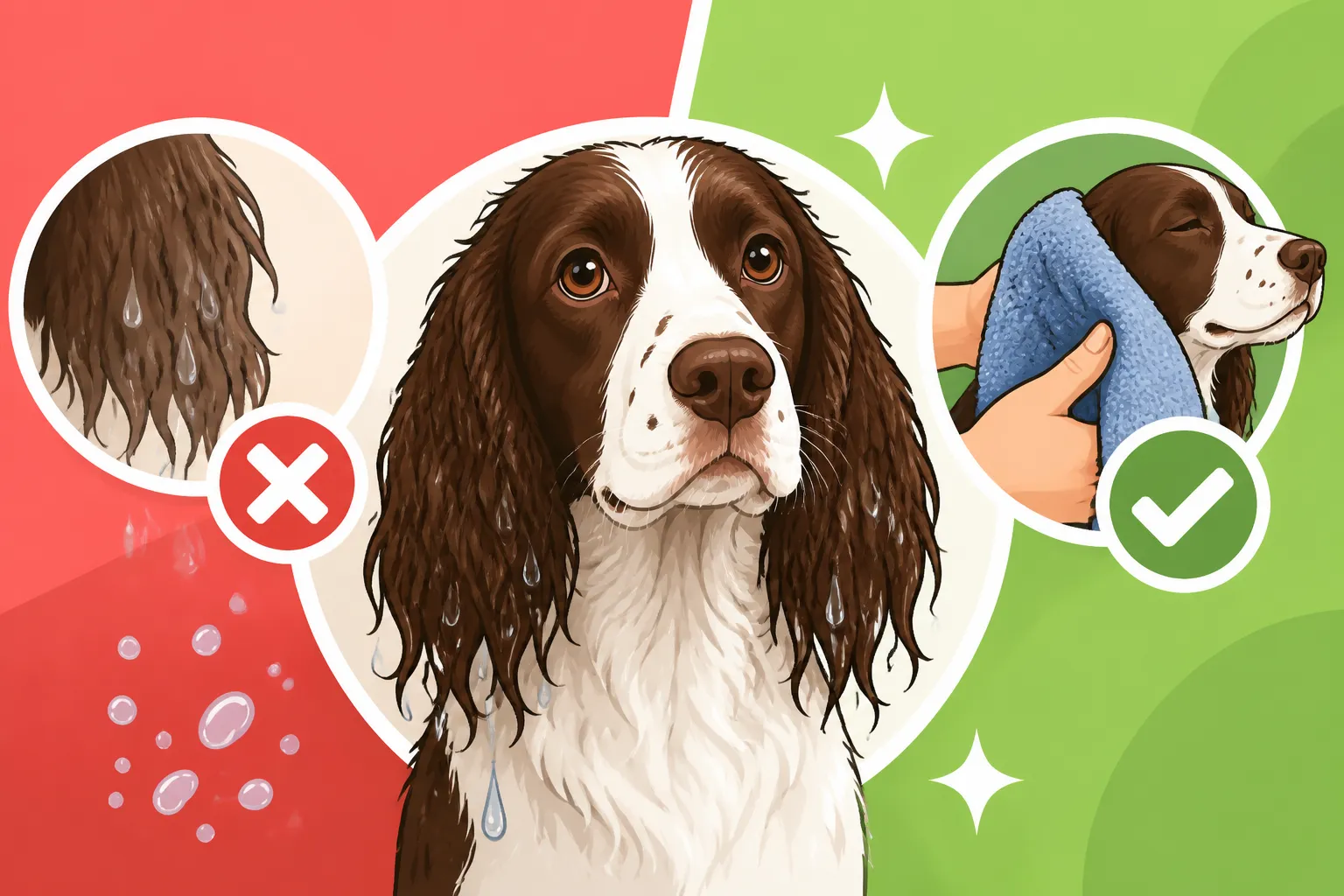
Whether a Springer Spaniel’s Ears Should Be Dried With a Towel
One of the most common frustrations for English Springer Spaniel owners is the persistent battle with damp ears, particularly after a swim or a rainy walk. Those beautiful, long, pendulous ears are a defining characteristic, but they also create a perfect environment for moisture to linger, leading to discomfort and, all too often, nasty infections. This guide is here to walk you through whether simply using a towel is enough to keep your Springer's ears healthy and what steps you can take to ensure they stay dry and happy.
The Unique Challenge of Springer Spaniel Ears
If you've ever owned a Springer, you know those ears are special – wonderfully soft, expressive, and an absolute magnet for trouble if not cared for properly. They aren't just an aesthetic feature; their structure plays a huge role in why they're so susceptible to moisture-related issues.
Why Springer Spaniel Ears Are Prone to Moisture
The anatomy of a Springer Spaniel's ear is truly a marvel, but it's also its Achilles' heel when it comes to moisture. Unlike breeds with pricked ears that allow for excellent air circulation, a Springer's ears hang low and flat against their head. This creates a warm, enclosed, and often dark canal that is the ideal breeding ground for bacteria and yeast, especially when dampness is introduced. Think of it like a humid greenhouse – once moisture gets in, it struggles to escape naturally. When your Springer dips their head into water, whether it's the lake, a stream, or even their own water bowl, those long ear flaps effectively seal the entrance, trapping water deep inside. It's a design that’s fantastic for protecting the inner ear from debris in thick cover, but less so for quick drying. This is why you often hear owners talk about Why a Springer Spaniel's Ear Traps Moisture.
Furthermore, the ear canal itself isn't a straight shot. It's an L-shaped structure, making it even harder for water to drain out once it has entered. Combined with the thick hair that often grows inside the ear canal, this creates multiple barriers to evaporation. Imagine trying to air dry a thick, damp carpet in a sealed room – it’s just not going to happen efficiently. This unique combination of pendulous ears, a winding canal, and internal hair means that even a little splash can lead to significant trapped moisture, setting the stage for bigger problems down the line. It's a constant management challenge for any dedicated Springer owner.
The Risks of Lingering Dampness
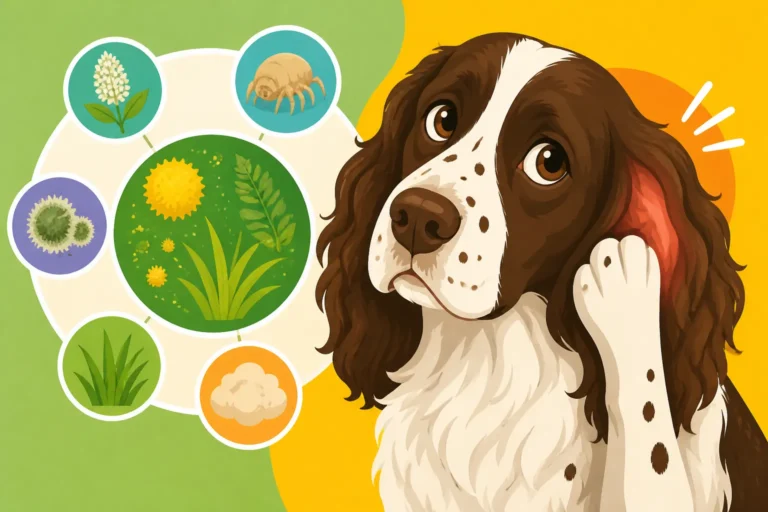
Leaving your Springer Spaniel's ears damp for too long is like an open invitation to a whole host of uncomfortable and painful conditions. The primary culprits are bacteria and yeast, both of which thrive in warm, moist, dark environments. When moisture lingers, these opportunistic organisms seize the chance to multiply, leading to ear infections that can be stubborn and recurrent. You might start to notice Signs a Springer Spaniel Has an Ear Infection, such as excessive scratching, head shaking, or a foul odor emanating from the ear. These are all indicators that something is amiss, and often point directly back to trapped moisture.
Beyond superficial infections, chronic dampness can contribute to more serious long-term issues. Over time, repeated inflammation can cause the tissues inside the ear canal to thicken and narrow, a condition that can make future infections even harder to treat. This narrowing can be a real problem for a Springer Spaniel, as it further hinders air circulation and medication delivery. In severe, neglected cases, the ear canal can even become calcified, potentially requiring complex and expensive surgery. It’s a cascading effect: simple dampness can lead to infection, which can lead to chronic changes, and ultimately impact your dog's hearing and quality of life. Understanding that Whether Every Springer Spaniel Gets Ear Trouble is a matter of proactive care, not just luck, is crucial for preventing these painful outcomes.
Towel Drying: A Step-by-Step Approach
So, is a towel enough? It's a great start, and an essential part of ear care, but it's often not the only tool you'll need in your arsenal. The key is knowing how to use it effectively and when to recognize its limitations.
Choosing the Right Towel
When it comes to drying your Springer's ears, not all towels are created equal. You're not looking for your old bath towel that's seen better days; you need something highly absorbent and soft. Microfiber towels are a fantastic choice because they are specifically designed to wick away moisture efficiently and dry quickly themselves. They're also usually gentler on sensitive skin inside the ear flap. You can find excellent options online at retailers like Chewy or Amazon, often sold as dedicated pet towels or even car drying towels, which work just as well for dog ears. Look for ones with a good pile that can really get into the nooks and crannies of the ear flap without being too abrasive.
Another great option is a simple, soft cotton towel, but make sure it’s a fresh, clean one. Old, scratchy towels can irritate the delicate skin. The goal is maximum absorbency with minimal friction. Always have a designated "ear towel" set aside, especially if your Springer loves water. This ensures you're not cross-contaminating with other grooming tasks. Having a few on hand means you always have a clean, dry one ready to go after a swim, a bath, or even just a walk in the rain.
The Gentle Drying Technique
Once you have your super-absorbent towel, the technique is key. Remember, a Springer's ear canal is delicate, and you want to avoid pushing moisture further in or causing irritation. Start by gently folding back the ear flap to expose the inner surface. Using a corner of your chosen towel, carefully blot and dab the visible parts of the ear. Focus on the inside of the flap, the folds, and especially around the entrance to the ear canal. You're not trying to rub vigorously; think gentle pressing and blotting to absorb moisture.
After you've done the initial blotting of the visible areas, you can use a fresh, dry corner of the towel to gently wipe the external folds and crevices. For deeper, more inaccessible areas, a cotton ball or a soft, lint-free cloth wrapped around your finger can be used – again, with a gentle blotting motion. Never insert anything deep into the ear canal itself. Your finger should only go as far as it can comfortably reach without forcing. The goal here is to remove as much surface moisture as possible without pushing anything further down. A distracted Springer is a cooperative Springer, so having a high-value treat on hand, perhaps from a brand like Ollie, can make this routine much smoother. This thorough, yet gentle, towel dry is a critical first step for Drying a Springer Spaniel's Ears After Swimming or any wet adventure.
When Towel Drying Alone Isn't Enough
While towel drying is absolutely essential, for many Springer Spaniels, especially those who love water or are prone to ear issues, it simply isn't enough on its own. The problem lies in the design of their ear canal – no matter how diligent you are with a towel, you can't reach the deepest parts of that L-shaped canal. Water inevitably gets trapped, and without proper evaporation or assistance, it will sit there, creating that perfect breeding ground for trouble. This is particularly true if Swimming Causes a Springer Spaniel's Ear Trouble. You might dry the outer ear meticulously, only for an infection to brew from moisture deep inside the canal.
This is where you need to be realistic about your Springer's needs. If your dog is constantly in and out of the water, or if you find yourself battling recurrent ear infections despite regular towel drying, it's a clear sign that you need to elevate your ear care routine. The lingering dampness deep within the ear is often the silent culprit. Ignoring these signs can lead to chronic problems, persistent discomfort for your dog, and ultimately, more expensive veterinary bills down the line. A towel is a foundational step, but for the robust and water-loving Springer Spaniel, it often needs companions in the fight against dampness.
Beyond the Towel: Comprehensive Ear Care
To truly keep a Springer Spaniel's ears healthy, especially those who spend a lot of time outdoors or in water, you'll need to look beyond just the towel. It's about combining methods and establishing a consistent routine.
Incorporating Drying Solutions
This is where the real power-up for Springer Spaniel ear care comes in. After you've towel-dried the outer ear, a good quality ear drying solution is your next best friend. These solutions are formulated to evaporate residual moisture deep within the ear canal, helping to prevent the conditions that lead to infections. Many contain ingredients like witch hazel or boric acid, which have astringent properties, or gentle alcohol bases that promote quick drying. You can usually find a wide variety of these solutions from trusted brands on Chewy or Amazon, and your veterinarian can also recommend specific products.
To use them effectively, gently lift your Springer’s ear flap and apply the recommended amount of solution directly into the ear canal, as per the product instructions. Then, gently massage the base of the ear for about 30 seconds. You might hear a squishing sound, which means the solution is working its way down. After massaging, allow your dog to shake their head – this is crucial as it helps dislodge debris and excess solution. You can then use your towel to wipe away any expelled liquid from the outer ear. This step is particularly vital after swimming or a bath. Asking yourself Whether a Springer Spaniel Needs a Drying Solution After Water is almost always answered with a resounding "yes" if you want to be proactive about ear health.
Routine Cleaning and Inspection
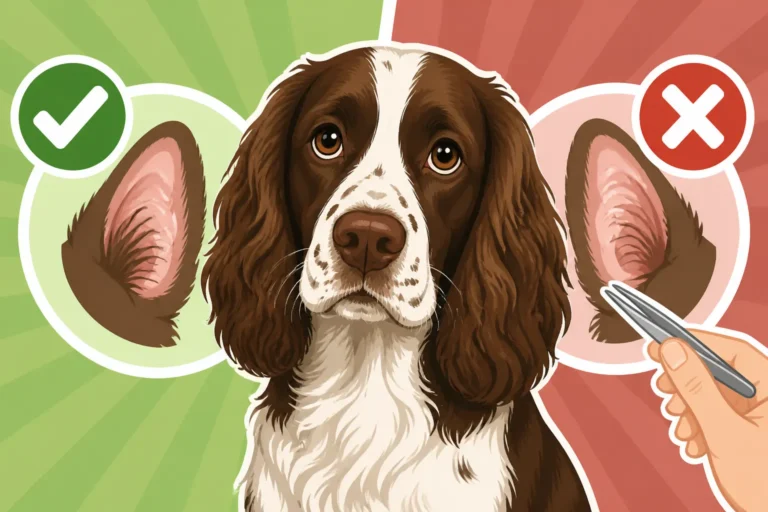
Beyond drying, regular cleaning and inspection are paramount for a Springer Spaniel's ear health. This isn't just about reacting to a problem, but preventing one. Aim for a weekly ear check-up, more often if your dog is particularly active or prone to infections. During your inspection, gently lift the ear flap and visually check for any redness, swelling, discharge, or unusual odor. A healthy ear should be pale pink, clean, and free from strong smells. If you spot anything concerning, don't hesitate to consult your vet.
For routine cleaning, especially if there's a buildup of wax or dirt, you'll want to use a veterinary-approved ear cleaner. These are different from drying solutions, as they're designed to break down wax and debris. Apply the cleaner as directed, massage the ear, and then let your dog shake. You can then use cotton balls or soft gauze to gently wipe away any visible debris from the outer ear and the entrance to the canal. Again, never probe deep. This regular cleaning regimen, combined with appropriate drying, helps prevent the conditions that lead to issues like How Often a Springer Spaniel Gets Ear Infections and can save you from costly and uncomfortable treatments down the line. Remember that What Ear Cleaner Costs a Springer Spaniel Owner Yearly is a small price to pay compared to vet bills for severe infections.
When to Seek Veterinary Advice
While diligent home care can prevent many ear problems, there are times when professional veterinary intervention is absolutely necessary. You should always consult your vet if you notice any persistent signs of discomfort, such as your Springer constantly scratching their ears, rubbing their head along furniture, head shaking, or holding their head at an unusual angle. Any discharge from the ear, especially if it's yellowish, green, or has a strong, unpleasant odor, warrants immediate veterinary attention. Redness, swelling, or tenderness around the ear flap or inside the canal are also red flags.
It's tempting to try and treat an ear problem yourself with over-the-counter remedies, but this can often do more harm than good, especially if you don't know the underlying cause. Different types of infections (bacterial vs. yeast vs. mites) require different treatments, and using the wrong one can delay healing or even make the condition worse. Your vet can accurately diagnose the problem, prescribe the correct medication, and check for more serious issues like a ruptured eardrum or Whether a Springer Spaniel's Ear Canal Narrows Over Time. Early intervention is key to preventing acute infections from becoming chronic, painful conditions that might eventually lead to something as drastic as Whether a Springer Spaniel Needs a Total Ear Canal Ablation. Don't guess; get professional help when in doubt.
Remember, keeping those beautiful Springer ears healthy is an ongoing commitment, but a worthwhile one for your loyal companion.
| Drying Method | Pros | Cons | Best Use Case |
|---|---|---|---|
| Towel Drying | Simple, accessible, removes surface moisture, gentle | Doesn't reach deep ear canal, not always sufficient alone | Initial drying after any wet exposure, daily maintenance |
| Ear Drying Solution | Evaporates deep moisture, helps prevent infections | Requires specific product, can be irritating if overused | After baths/swims, for Springers prone to ear infections |
| Cotton Balls/Pads | Good for crevices, gentle, precise | Cannot dry deep canal, can push debris if not careful | Targeting specific visible folds and outer ear entrance |
| Low-Heat Hair Dryer | Can speed up drying, good air circulation | Risk of burns, can be noisy/stressful for some dogs, over-drying | Only with extreme caution, very low heat, held far away |
Disclaimer
This article is for general informational purposes only and does not constitute professional advice. Laws, prices and regulations vary by location and change over time. Consult a qualified professional for guidance on your specific situation.