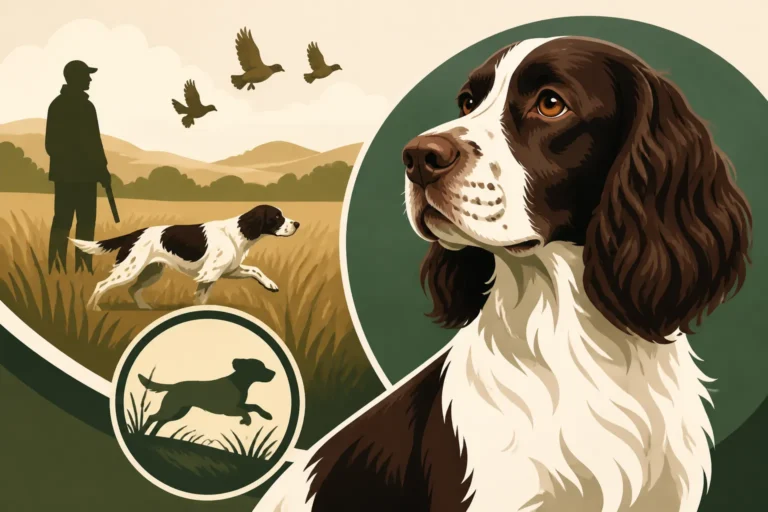
Whether the Two Springer Spaniel Types Interbreed
One of the most common questions I hear from fellow Springer Spaniel enthusiasts, especially those who are new to the breed or are considering adding a Springer to their family, revolves around the two distinct types: the field-bred and the show-bred. People often wonder if these two types are so different that they can't, or shouldn't, be bred together. This guide aims to clear up the confusion and delve deep into whether these two wonderful variations of the English Springer Spaniel can indeed interbreed, and what that might mean for the puppies and the breed as a whole.
Understanding the Divide: Field vs. Show Springer Spaniels
It’s easy to look at a sleek, highly driven field Springer Spaniel hurtling through cover and then glance at a plush, beautifully feathered show Springer gracing the conformation ring and think you're looking at two entirely different breeds. While they are both undeniably English Springer Spaniels, the divergence in their breeding goals over generations has created two remarkably distinct types. Understanding this fundamental split is key to appreciating the complexities of interbreeding them.
The Historical Divergence
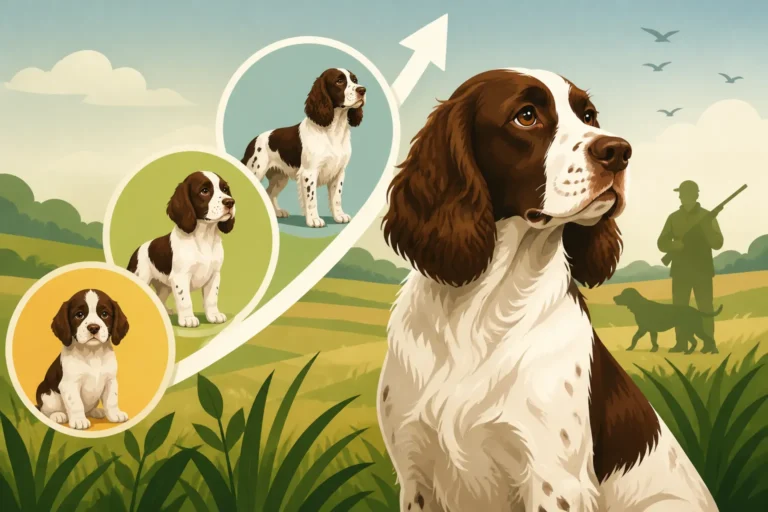
The English Springer Spaniel has a long and storied history as a gundog, developed to "spring" game from cover for hunters. For centuries, dogs were bred based purely on their working ability, regardless of specific appearance, as long as they could do the job. However, as dog shows gained popularity in the late 19th and early 20th centuries, a subtle but significant shift began. Breeders started to select for specific physical traits that conformed to a written standard, leading to dogs that excelled in the show ring. At the same time, other breeders remained focused solely on working ability, prioritizing drive, scenting power, and stamina above all else. This created How the Field and Show Springer Spaniel Diverged.
This divergence wasn't a sudden, deliberate splitting of the breed, but rather a gradual process driven by differing priorities. The formal recognition of the English Springer Spaniel as a distinct breed in the early 20th century cemented these two paths. Over the decades, the gene pools began to separate, with show lines focusing on conformation, coat, and a generally calmer disposition suited for family life and the show circuit, while field lines relentlessly pursued peak athleticism, prey drive, and mental toughness for demanding days in the field. This seventy-year split has resulted in The Seventy Year Gene Pool Divide Inside One Springer Spaniel Breed.
Distinctive Traits of Each Type
To truly understand what happens when you consider interbreeding, it's vital to grasp the core differences between these two types. They are more than just cosmetic; they impact everything from daily exercise needs to temperament.
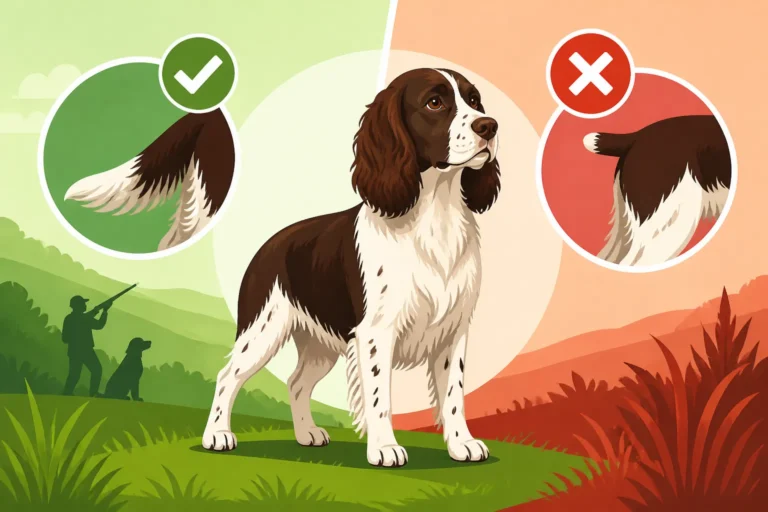
Field-bred Springer Spaniels are typically built for endurance and agility. They tend to be lighter-boned, with a finer, shorter coat that's less prone to snagging on briars and burrs in the field. Their bodies are usually more athletic and streamlined, designed for sustained effort. Their temperament is characterized by intense drive, a keen desire to work, and often boundless energy. They are perpetually "on" and require significant physical and mental stimulation to be content. If you're looking for a couch potato, a field-bred Springer is generally not it. They often have shorter tails (historically docked for working purposes) and a keen, alert expression that speaks to their hunting prowess.
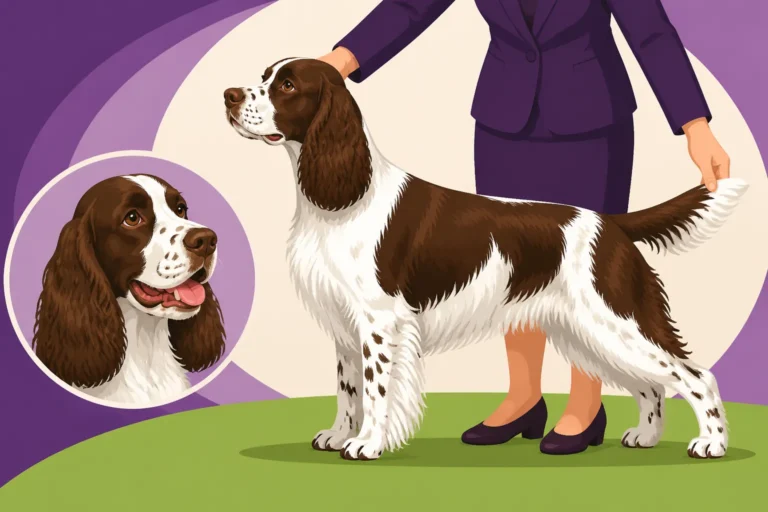
Show-bred Springer Spaniels, on the other hand, are bred to conform to the breed standard as judged in the show ring. This often means a heavier bone structure, a fuller, longer coat with more extensive feathering, and a generally more substantial appearance. While they still possess the inherent intelligence and enthusiasm of a Springer, their drive is typically more moderated than their field-bred cousins. They are often described as calmer, more laid-back dogs, better suited to a less active family life, though they still need regular exercise. Their longer, flowing coats require considerable grooming, a stark contrast to the wash-and-go nature of most field Springers. You can truly see How Different the Two Springer Spaniel Types Look when you compare them side-by-side.
The Biological Possibility: Can They Interbreed?
With such pronounced differences, it's natural to wonder if these two types are even compatible for breeding. The simple answer is a resounding yes. They are, after all, the same breed.
Genetic Compatibility
Despite their different appearances and working styles, field-bred and show-bred English Springer Spaniels are genetically identical enough to interbreed without any biological barriers. They are all Canis lupus familiaris and belong to the same registered breed. There are no known genetic incompatibilities that would prevent a successful mating or the production of healthy, viable offspring. Think of it like breeding two different strains of a plant – they're still the same species and will produce offspring, though the traits might vary significantly from either parent.
The reason they are distinct isn't due to different species or even different sub-species, but rather decades of selective breeding for specific traits. If a field Springer and a show Springer were to mate, they would produce puppies that are 100% English Springer Spaniels. Their shared ancestry runs deep, meaning the fundamental genetic blueprint for a Springer Spaniel is present in both lines.
Registration and Pedigree Considerations
For owners and breeders concerned with official recognition, interbreeding between field and show lines typically poses no issues with breed registration. Major kennel clubs, such as the American Kennel Club (AKC) in the United States or The Kennel Club (KC) in the UK, recognize both field and show types as simply "English Springer Spaniels." As long as both parents are registered English Springer Spaniels, their offspring are eligible for registration.
This means that puppies resulting from a field-to-show cross would receive full registration papers, just like any other purebred Springer Spaniel litter. However, it's important to note that while the national kennel clubs don't differentiate, specific breed clubs or individual breeders might have their own philosophies or guidelines regarding such crosses. A breeder deeply committed to preserving one type might view a cross-type breeding differently than a breeder aiming for a blend. From a purely administrative standpoint, though, the offspring are legitimate members of the breed.
The Practical Implications: Why and How Breeders Might Cross
Given the clear distinctions, why would a breeder ever consider mixing these lines? The motivations are often complex and rooted in a desire to either improve certain aspects of one line or create a "versatile" Springer Spaniel that embodies the best of both worlds.
Bridging the Gap: The Potential Benefits
The primary reason a breeder might decide to interbreed field and show lines is to introduce desired traits from one type into the other. For example, a show-line breeder might find their dogs are becoming too sedate or lacking the strong working instincts that define the breed's heritage. Introducing a field-bred Springer could inject more drive, athleticism, and natural hunting ability back into their line, creating a dog that's not just beautiful but also capable in the field. Similarly, a field-line breeder might choose to incorporate a show-bred Springer to bring in more substance, a slightly calmer temperament for a pet home, or to improve certain conformational aspects like bone structure or a fuller coat for protection in harsh cover without sacrificing too much drive. This effort is often part of The Effort to Reunite the Two Springer Spaniel Types, aiming for a more balanced dog.
Another significant benefit can be to improve the overall health and genetic diversity of a line. While both types are susceptible to certain genetic conditions, the prevalence or specific mutations can sometimes differ. By carefully crossing lines, a breeder might inadvertently (or deliberately, with thorough testing) bring in genes that strengthen resistance to certain diseases or simply broaden the gene pool, potentially reducing the incidence of recessive genetic disorders. This is a subtle but powerful reason, as maintaining genetic diversity is crucial for the long-term health of any breed.
The Unpredictability of Hybrid Vigor
While the idea of combining the best of both worlds sounds appealing, the reality can be far more complex and unpredictable. Genetics aren't always a simple 50/50 split. The term "hybrid vigor" refers to the increased strength or health of a crossbred animal, but it doesn't guarantee specific trait combinations. You might get a puppy that has the boundless energy of a field Springer but with the heavy coat of a show Springer, leading to a dog that's a grooming nightmare and still needs immense exercise.
It's a bit like a genetic lottery. You might be hoping for a dog with a moderate drive and a tidy, easy-care coat, but end up with a high-octane dog with profuse feathering. The resulting puppies can exhibit a wide spectrum of traits, sometimes leaning heavily towards one parent's type, sometimes showing a truly mixed bag. This unpredictability means that careful selection of the breeding pair, with a deep understanding of their pedigrees and the traits they carry, is absolutely essential. A breeder truly needs to know their dogs inside and out, and be prepared for a range of outcomes in the offspring.
Challenges and Considerations for Interbreeding
While interbreeding is biologically feasible, it comes with a unique set of challenges that potential owners and breeders need to seriously consider. It's not a decision to be taken lightly.
Coat, Conformation, and Grooming
One of the most immediate and visible differences between the two types is their coat and overall conformation. A field Springer typically has a shorter, denser coat that offers protection without excessive bulk, making them relatively low-maintenance in terms of grooming. A show Springer, however, boasts a much longer, more profuse coat with extensive feathering on the legs, chest, and belly. This magnificent coat requires regular brushing, trimming, and often professional grooming to prevent matting and keep it looking its best. The Show Springer Spaniel Coat That Adds a Groomer to Your Budget is a real commitment.
When you interbreed, the coat length and texture of the puppies can be highly variable. You might get a dog with a medium-length coat that's a little too long for easy field work but not quite long enough for the show ring, making it a compromise in both aesthetics and practicality. Grooming needs could fall anywhere on the spectrum, potentially leading to more work than a field-type but less "oomph" than a show-type. Similarly, conformation can be unpredictable. You might get a dog with the lighter bone of a field Springer but the slightly blockier head of a show Springer, or vice-versa. These variations might not be ideal for either specific purpose, creating a dog that doesn't quite fit into either established niche.
Temperament and Drive Blending
Perhaps the most critical consideration when interbreeding is the potential impact on temperament and drive. Field-bred Springers are often described as high-energy, driven, and intense. They thrive on having a job and can become destructive or anxious if their considerable mental and physical exercise needs aren't met. Living with A Field Bred Springer Spaniel Is a Different Dog to Live With requires dedication. Show-bred Springers, while still active and intelligent, generally have a more moderate energy level and are often selected for their calmer dispositions, making them more adaptable to a purely pet home.
When you cross these lines, the temperament of the offspring can be a wild card. You might hope for a dog with a more balanced drive – enough to enjoy outdoor activities but calm enough indoors. However, you could just as easily end up with a dog that has the high drive of a field Springer but without the clear focus, or a dog that is restless and unsatisfied in a pet home because it inherited a strong working instinct without the specific training outlet. It takes a very experienced breeder with a deep understanding of canine behavior and genetics to predict and manage these outcomes. Without careful selection, there's a risk of producing dogs that are difficult for the average family to manage because their energy and drive levels are neither clearly defined nor consistently moderate.
Health Screening and Genetic Load
Health is paramount for any breeding program, and interbreeding lines adds another layer of complexity. Both field and show lines have their own predispositions to certain genetic health conditions. For example, some conditions like hip and elbow dysplasia, eye conditions (like Progressive Retinal Atrophy or glaucoma), and certain heart conditions can be found in both types, though prevalence might vary. The DNA Test That Should Precede Every Springer Spaniel Purchase is vital for all Springers, regardless of type.
A responsible breeder undertaking an inter-type cross must be even more diligent with health screening than usual. They need to understand the genetic health history of both lines involved, testing for all relevant conditions common to the breed, such as PFK deficiency, Fucosidosis, and various eye disorders. The goal should be to bring together healthy individuals from both lines to broaden the gene pool and potentially reduce the incidence of disease, not to inadvertently double down on genetic risks. Without rigorous health testing and transparency, there's a risk of compounding genetic predispositions rather than mitigating them, potentially creating more health challenges for the puppies. It's also worth investigating How Health Problems Differ Between Springer Spaniel Types to make informed breeding decisions.
The "Should They?" Debate: Ethical and Breed Preservation Perspectives
Beyond the biological feasibility and practical implications, there's a significant ongoing debate within the Springer Spaniel community about whether interbreeding these distinct types is a good idea for the breed as a whole. This often boils down to differing philosophies on breed preservation and the definition of a "true" English Springer Spaniel.
The Purist Viewpoint
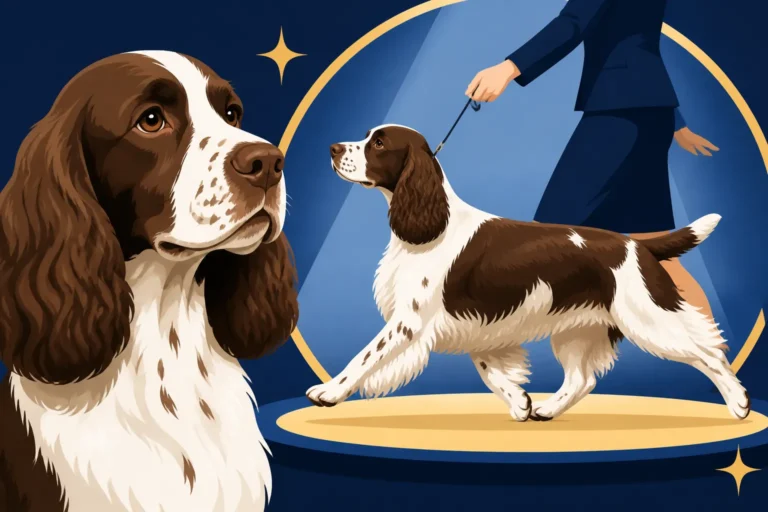
Many dedicated breeders, particularly those who have spent generations refining their lines for specific purposes (either conformation or field work), strongly oppose the idea of interbreeding. Their argument is often rooted in the principle of preserving the integrity and distinct characteristics of each type. A show-line purist might argue that introducing field blood would compromise the classic appearance, coat, and calmer temperament that they have meticulously worked to establish and maintain, believing that How a Field Springer Spaniel Fares in the Ring would be disastrous for conformation standards.
Conversely, a field-line purist would contend that bringing in show genetics could dilute the intense drive, athleticism, and unflagging work ethic that are essential for a top-tier gundog. They might fear that a show-bred influence would result in dogs that are too heavy-boned, too slow, or simply lack the inherent "fire" needed to excel in competitive field trials or demanding hunting environments, making How a Show Springer Spaniel Fares in a Hunt Test a likely failure. For these purists, the distinct types represent the pinnacle of breeding for their respective purposes, and crossing them risks diluting both, resulting in a dog that is mediocre at everything and excellent at nothing. This perspective often fuels the discussion about Whether the Springer Spaniel Should Be Split Officially into two distinct breeds.
The Moderate Approach
On the other side of the debate are breeders who advocate for a more measured and strategic approach to interbreeding. They often see the field and show types not as separate entities to be rigidly maintained, but as two parts of a single, diverse breed that can benefit from careful interaction. Their goal is not to randomly mix, but to thoughtfully select individuals from both lines to achieve specific improvements.
For example, a moderate breeder might aim to reintroduce some working instinct into a show line that has become overly placid, or to improve the longevity and genetic diversity of a field line that has become too narrow. They emphasize that any crossing must be done with clear objectives, extensive health testing, and a deep understanding of the pedigrees and traits of the parent dogs. The idea is to judiciously borrow positive traits from one type to enhance the other, always with the overall health, temperament, and functionality of the English Springer Spaniel breed in mind. This approach views the two types as valuable resources within the same breed, rather than entirely separate populations that must never meet.
Ultimately, while the two types of English Springer Spaniels can absolutely interbreed, the decision to do so carries significant responsibility. It's a complex undertaking that demands a thorough understanding of genetics, breed history, and the potential outcomes. For the average pet owner, seeking a puppy from a reputable breeder who specializes in either field or show lines, depending on your lifestyle, is often the most predictable and satisfying path.
| Feature | Field-Bred Springer Spaniel | Show-Bred Springer Spaniel | Interbred Springer Spaniel (Potential) |
|---|---|---|---|
| Primary Goal | Hunting, Field Trials | Conformation Shows, Companionship | Balanced Traits, Genetic Diversity |
| Energy Level | Very High, Intense | Moderate to High | Variable, often High |
| Build/Conformation | Lighter, Leaner, Athletic | Heavier Bone, More Substance | Variable, can be a mix of both |
| Coat Length | Shorter, Denser | Longer, Profuse Feathering | Variable, medium to long |
| Grooming Needs | Low to Moderate | High, Frequent Trimming | Variable, often moderate to high |
| Prey Drive | Extremely High | Moderate | Variable, often strong |
| Temperament | Focused, Eager to Work | Affectionate, Adaptable | Variable, can be unpredictable |
| Suitability (Pet) | Demanding, Needs a Job | Good with Active Families | Highly Variable, depends on blend |
Disclaimer
This article is for general informational purposes only and does not constitute professional advice. Laws, prices and regulations vary by location and change over time. Consult a qualified professional for guidance on your specific situation.