Whether a Springer Spaniel Can Do Agility
Many English Springer Spaniel owners look at their energetic, intelligent companions and wonder if there's a productive outlet for all that boundless enthusiasm. The truth is, it can feel like your Springer has a motor that never quits, and finding engaging activities that channel their drive is often a real challenge. This comprehensive guide will explore whether the English Springer Spaniel is a good fit for dog agility, what it takes to get started, and what you can expect on this exciting journey with your four-legged athlete.
The Springer Spaniel's Natural Aptitude for Agility
When you live with a Springer Spaniel, you know you're sharing your home with a dog bred for action, intelligence, and an unwavering desire to please. These inherent traits make them remarkably well-suited for the fast-paced, mentally stimulating world of dog agility. They're not just running; they're thinking, leaping, and often, having the time of their lives with their favorite human.
Energy and Drive: Are They Too Much or Just Right?
Let's be honest, the energy of an English Springer Spaniel can be a lot to handle. It's the kind of energy that makes them bounce off the walls if not properly exercised, turning your perfectly tidy living room into an impromptu race track. But this very trait, often seen as a challenge in a pet home, is an enormous asset in agility. Agility demands speed, stamina, and quick bursts of activity, all of which a Springer has in spades. They thrive on having a "job" to do, and for many, running an agility course feels like the ultimate game. It taps into their natural athleticism, giving them a constructive way to burn off that endless drive. If you've been wondering Whether a Springer Spaniel Needs a Job, agility certainly fits the bill, transforming their high-octane nature into focused, purposeful movement.
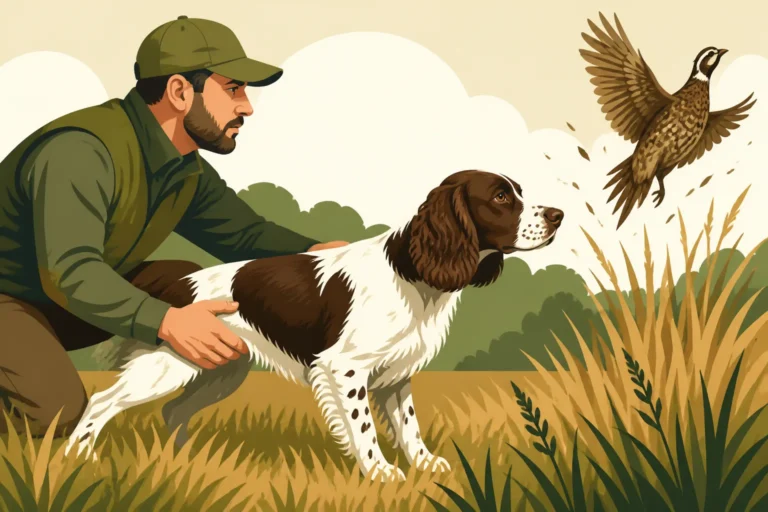
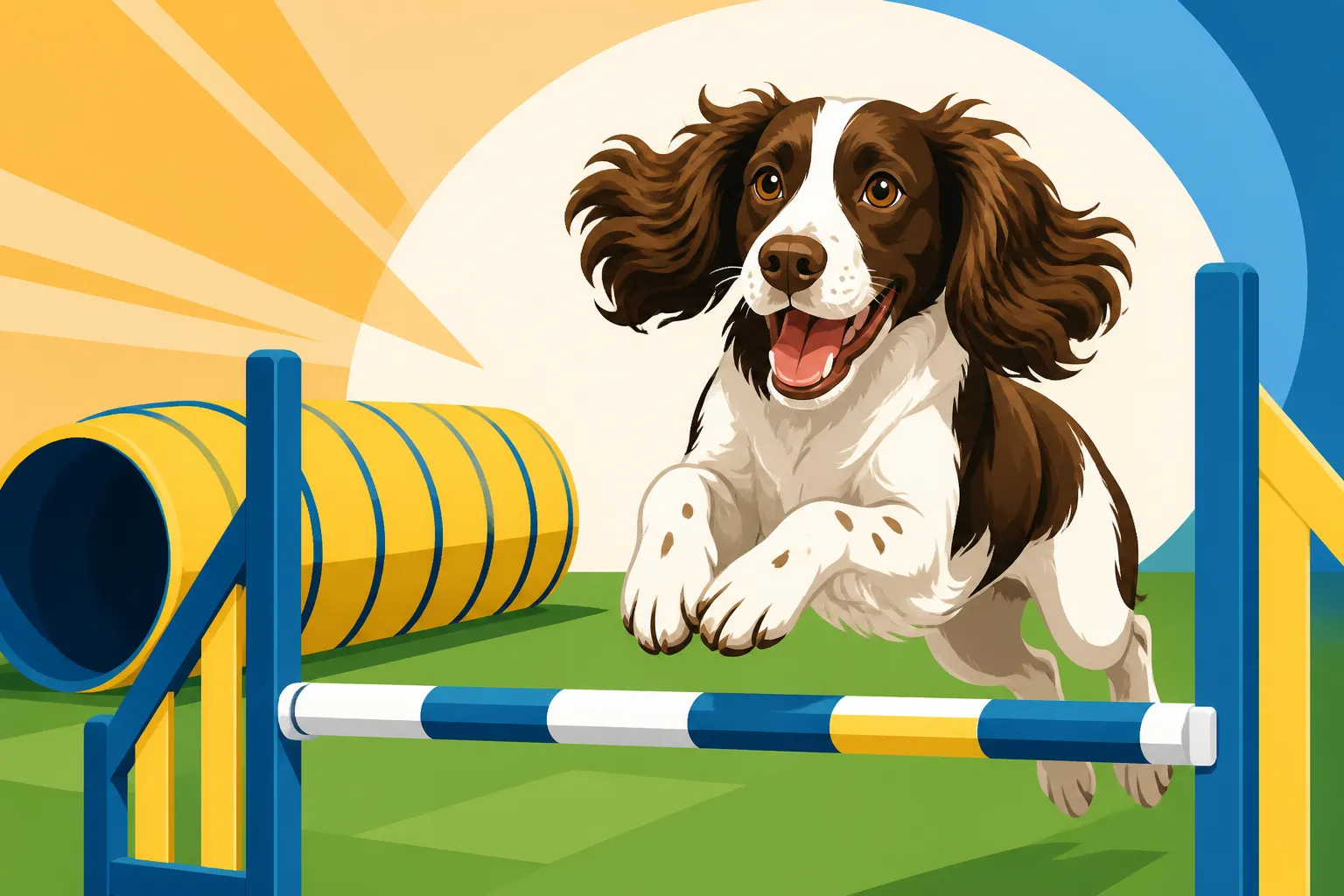
Think about a typical Springer in the field, quartering back and forth, covering ground with effortless grace, always ready to spring into action. That same dynamic energy translates perfectly to navigating tunnels, weaving poles, and soaring over jumps. They don't just participate; they attack the course with a joyous intensity that's infectious. This isn't about wearing them out with endless repetitions, but about channeling their inherent desire to move and explore into a structured, exciting activity.
Intelligence and Trainability: Quick Learners on the Course
Springer Spaniels are famously smart dogs. They're quick on the uptake, eager to learn, and possess a strong desire to work with their handler. This makes them highly trainable, a crucial trait for agility where complex sequences and quick directional changes are the norm. They'll pick up on new commands and obstacle cues surprisingly fast, often anticipating your next move before you've even fully signaled it. This eagerness to please, coupled with their sharp minds, means that once they understand what's expected, they'll give it their all.
However, their intelligence also means they can get bored if training isn't engaging or varied. They respond best to positive reinforcement and clear, consistent communication. Shouting or harsh corrections can cause a sensitive Springer to shut down, which is the last thing you want on an agility course. Instead, reward their effort, celebrate their successes, and keep sessions fun and upbeat. If you have a particularly sensitive dog, remember The Soft Springer Spaniel That Shuts Down If You Shout, and tailor your training approach to their individual personality. Their ability to learn hand signals and Whistle Work: The Language a Springer Spaniel Learns is also invaluable, as you'll be communicating with them from a distance on the course.
Physical Build: Built for Speed and Spring
The English Springer Spaniel possesses a moderate, athletic build that is perfectly suited for agility. They're not too large to be cumbersome over obstacles, nor too small to lack the necessary power and stride. Their compact yet muscular frame allows for quick acceleration, sharp turns, and impressive leaps. This breed was, after all, developed to "spring" game from cover, which demands both speed and agility in challenging terrain.
Their well-balanced physique means they generally handle the physical demands of agility with ease, assuming they are healthy and conditioned. They have the stamina for longer courses and the explosive power for high jumps and fast contacts. While a large breed might struggle with tight turns or the speed needed for weave poles, and a toy breed might lack the height for certain jumps, the Springer Spaniel sits comfortably in the middle, capable of excelling in all aspects of agility. This robust build, combined with their desire to work, makes them natural candidates for dog sports.
Understanding Agility Training for Your Springer
Agility isn't just about letting your dog run wild over some obstacles; it's a sport that requires teamwork, communication, and a solid foundation of training. It's a progressive journey, building skills step-by-step, ensuring both safety and success for your Springer.
Starting with Foundations: Beyond Basic Obedience
Before your Springer Spaniel ever tackles a jump or a tunnel, they need to have a strong grasp of basic obedience. Think of it as their agility vocabulary. A reliable recall is absolutely non-negotiable, especially considering their strong prey drive and tendency to put their nose to the ground and vanish. Imagine your Springer zooming off a dog walk to investigate a particularly interesting leaf mid-course – not ideal! A solid "stay" or "wait" command is also crucial for positioning them at the start line or before an obstacle.
Beyond just knowing the commands, your Springer needs to be focused on you. In agility, the handler is the guide, directing the dog through the course. This means your dog needs to be attentive and responsive to your voice and body language, even with exciting distractions around. Building this focus, often through positive reinforcement games and high-value rewards, is paramount. Many online resources, like those offered by BAXTER & Bella, can help you build these foundational behaviors at home before you even step into a formal agility class. These early lessons in focus and connection lay the groundwork for a successful agility partnership.
Equipment and Obstacles: What You'll Encounter
The world of dog agility is filled with various exciting obstacles designed to test a dog's athleticism, coordination, and handler communication. You'll introduce these gradually and safely.
- Jumps: These are the most common, ranging from simple bar jumps to tire jumps and broad jumps. They teach your dog to clear obstacles without knocking them down.
- Tunnels: Dogs absolutely love tunnels! They're flexible fabric tubes that your Springer will learn to zoom through at top speed. It builds confidence and teaches them to propel themselves forward.
- Weave Poles: This is often considered one of the most challenging obstacles. Your dog must weave in and out of a line of poles at speed, entering on the correct side of the first pole. It requires precision and body awareness.
- Contact Obstacles: These include the A-frame, dog walk, and teeter-totter. They have "contact zones" (usually painted yellow) that your dog must touch with at least one paw on the ascent and descent to avoid a fault. These teach confidence on elevated and moving surfaces.
Introducing these obstacles requires patience and positive reinforcement. You don't just throw your dog at an A-frame. You teach them to walk over it slowly, rewarding them heavily for touching the contact zones. For tunnels, you might start with a short, straight tunnel and lure them through with a treat or toy. You can even purchase affordable starter agility kits on Amazon to practice some basic obstacles in your backyard before committing to classes.
Finding the Right Class and Trainer: Paws-itive Guidance
Choosing the right agility class and instructor is crucial for your Springer Spaniel's safety, enjoyment, and success. Look for trainers who emphasize positive reinforcement, force-free methods, and who understand the nuances of working with energetic, scent-driven breeds like Springers. An experienced trainer will know how to keep your dog engaged, manage distractions, and build confidence slowly and safely.
A good program will typically offer different levels:
- Foundation/Beginner: Focuses on building obstacle familiarity, understanding basic handling maneuvers, and reinforcing obedience in a distracting environment. This is where you'll learn how to safely introduce your Springer to tunnels, low jumps, and contact equipment.
- Intermediate: Progresses to linking obstacles together, refining handling techniques, and increasing speed. You'll start learning about different types of turns and how to direct your dog more effectively.
- Advanced/Competition: Prepares teams for competition, focusing on course strategy, speed, and precision on full-length courses.
Don't be afraid to observe a class before signing up. See how the instructor interacts with the dogs and handlers. A class should be fun, supportive, and safe for everyone involved. The environment should be one where your Springer feels encouraged to try new things, even if they're a little unsure at first.
Challenges and Considerations for Springer Spaniels in Agility
While English Springer Spaniels are fantastic agility candidates, it's not without its specific breed-related considerations. Knowing these challenges upfront can help you prepare and navigate them effectively, ensuring a rewarding experience for both you and your dog.
The Alluring Scent: Distraction on the Course
This is perhaps the biggest hurdle for many Springer Spaniel owners in agility: their incredibly powerful nose. Bred to find and flush game, a Springer's natural instinct is to put their nose to the ground and follow any interesting scent trail. On an agility course, this can be a major distraction. A rogue blade of grass, a dropped treat from a previous dog, or even just the smell of the ground itself can become more compelling than your carefully delivered command. If you've ever walked your Springer off-leash and seen them Why a Springer Spaniel Puts Its Nose to the Ground and Vanishes, you'll understand this challenge perfectly.
Managing this requires consistent training, high-value rewards, and a strong bond that makes you more interesting than any smell. Start training in low-distraction environments and gradually introduce more stimulating ones. Practice engaging your Springer with toys and treats before they get their nose down. Some handlers use specific verbal cues to tell their dog to ignore scent, while others rely on swift body language to keep their dog's attention forward. It's an ongoing battle, but one that can certainly be won with dedication.
Maintaining Focus and Preventing Burnout
Springers are high-drive dogs, and while this is great for agility, it also means you need to manage their mental and physical energy carefully. They can get incredibly excited, sometimes leading to over-arousal where they might struggle to think clearly or follow commands precisely. Learning to gauge your dog's energy levels and knowing when to take a break is key.
Varying your training routine is also important to prevent burnout. Don't just drill the same obstacle over and over. Mix it up with different sequences, incorporate obedience exercises, or even just play a game of fetch. Keep sessions relatively short and always end on a positive note. Remember that even though they are smart, they still need repetition, but How Many Repetitions a Springer Spaniel Needs will vary from dog to dog. The goal is to keep agility fun and exciting, not a chore. A bored or over-drilled Springer is more likely to start looking for those tempting scent trails!
Potential Health Considerations: Joints and Ears
Like any breed, Springer Spaniels have certain health predispositions that owners should be aware of, especially when participating in an athletic sport like agility.
- Joint Health: Hip and elbow dysplasia can affect Springers. While responsible breeders screen for these conditions, it's vital to ensure your dog is physically sound before engaging in high-impact activities like jumping. Regular vet check-ups are essential. If you're concerned about Hip Dysplasia in a Springer Spaniel, discuss it with your veterinarian and breeder. Proper warm-ups, cool-downs, and a carefully structured training program can help minimize strain.
- Ear Health: Those beautiful long, drop ears that make Springers so endearing are also prone to ear infections, especially if they love water. While not directly impacting agility performance, recurrent infections can be uncomfortable and distracting for your dog, potentially leading to time off from training. Keep their ears clean and dry, especially after swimming or wet conditions, and address any signs of infection promptly. You can learn more about managing these common issues in our guide, Why a Springer Spaniel's Ears Are Never Quite Healthy.
A foundational rule of dog agility is that safety comes first. Never push your dog beyond its physical limits, especially when it's young and still growing. Consult your vet to ensure your Springer is cleared for agility training, particularly if they have any pre-existing health concerns.
| Aspect | Pros for Springer Spaniels in Agility | Cons for Springer Spaniels in Agility |
|---|---|---|
| Energy & Drive | High stamina, quick bursts of speed, natural athleticism, excellent work ethic. | Can become over-aroused, may need careful management to prevent boundless energy from becoming chaotic. |
| Intelligence | Quick learners, eager to please, respond well to positive training, good problem-solvers. | Can get bored with repetitive drills, prone to independent thinking if not properly motivated. |
| Physical Build | Moderate size, agile and balanced, good for jumps and turns, robust and muscular. | Predisposition to joint issues (hips, elbows) if not carefully managed and screened. |
| Scent Drive | Highly motivated by rewards (food/toys), focused on handler when engaged. | Powerful nose is a major distraction, can easily get "stuck" on scent trails during a course. |
| Trainability | Forms strong bonds, responsive to handler, enjoys working as a team. | Sensitive to harsh corrections, requires consistent, positive reinforcement. |
| Overall Experience | Builds confidence, deepens bond, provides excellent mental & physical stimulation, highly rewarding. | Requires significant time commitment, careful health management, and a patient, dedicated handler. |
Getting Started with Agility Training
So, you're convinced your Springer Spaniel has what it takes, and you're ready to dive into the exciting world of agility! Here’s how you can take those first practical steps and ensure a successful, enjoyable journey for both of you.
At-Home Prep: Building Confidence and Skills
You don't need a full agility course in your backyard to start preparing your Springer. There's a lot you can do at home to build their confidence, body awareness, and foundational skills.
- Body Awareness: Practice "paws up" on a low, stable object like a sturdy step stool or a large book. Teach them to back up, spin in circles, and walk slowly over different textures. This helps them understand where their feet are in space, which is vital for navigating obstacles.
- Simple Jumps: Start with a broomstick laid flat on the ground, then gradually raise it just a few inches. Lure your dog over it with a treat or toy. The goal is to teach them to step or lightly jump over it, not to clear high hurdles yet. Always keep it low and safe.
- DIY Tunnels: A child's play tunnel or even a large cardboard box with both ends cut out can be a fantastic way to introduce the concept of going through an enclosed space. Make it fun and rewarding. You can find many affordable options for beginner agility equipment, including tunnels and weave poles, on Amazon.
- Recall and Focus Games: Play games in your yard that reward coming when called, staying near you, and making eye contact. Use high-value treats or their favorite toy. This builds the invaluable connection and responsiveness you'll need on a course.
The idea is to make these early experiences positive and fun. Avoid any pressure or fear, as a negative experience early on can make your Springer reluctant to try new things. These informal sessions also serve as fantastic bonding opportunities, solidifying your relationship before the more structured environment of a class. Consider starting with a solid puppy training program, such as the one from BAXTER & Bella, which often includes foundational exercises that will serve your agility journey well. You can read more about what the first year entails in The First Year With a Springer Spaniel Puppy.
When to Join a Class: The Right Age and Readiness
Timing is everything, especially when it comes to a physically demanding sport like agility. While you can start some foundation work with a young Springer puppy – teaching body awareness, low obstacle introductions, and building focus – serious agility training should wait until they are physically mature.
- Puppies (Under 12 months): Focus on socialization, basic obedience, building a strong bond, and gentle body awareness exercises. Avoid any high-impact activities like jumping or weaving, as their growth plates are still open, and their joints are vulnerable. Overexertion at this age can lead to lifelong orthopedic problems.
- Adolescents (12-18 months): Depending on their physical development and your veterinarian's advice, you might begin introductory agility classes. These classes focus heavily on safe obstacle introduction, proper form, and handler mechanics, with very low or no jumping. Contact obstacles might be introduced at very low heights.
- Adults (18+ months): Most veterinarians and experienced agility trainers recommend waiting until a Springer Spaniel is at least 18 months old, if not closer to two years, before engaging in full-height jumping and complex contact obstacles. This ensures their joints, bones, and muscles are fully developed, minimizing the risk of injury.
Always consult with your veterinarian before starting any strenuous activity with your dog. They can assess your Springer's physical readiness and provide personalized advice based on their health history.
Enjoying the Journey: Fun and Bonding
Ultimately, agility should be a fun and rewarding experience for both you and your Springer Spaniel. It's a fantastic way to deepen your bond, build your dog's confidence, and provide them with the mental and physical stimulation they so crave. Don't get caught up solely on competition or winning titles. The real prize is the teamwork, the shared joy, and the incredible connection you build with your dog as you navigate courses together.
Some Springers will be natural superstars, zipping through courses with incredible speed and accuracy. Others might be a bit more thoughtful, or perhaps more easily distracted by a stray scent. That's perfectly okay! Celebrate every small victory, whether it's a perfectly executed weave pole sequence or simply maintaining focus through a challenging distraction. Your Springer is happiest when they're working with you, learning from you, and having fun. Embracing the journey, rather than just the destination, will ensure that agility remains a positive and enriching part of your life with your English Springer Spaniel. It's truly a journey of discovery for both of you, uncovering new skills and strengthening a unique partnership.
Disclaimer
This article is for general informational purposes only and does not constitute professional advice. Laws, prices and regulations vary by location and change over time. Consult a qualified professional for guidance on your specific situation.