Whether Springer Spaniels Work as Sniffer Dogs
Many Springer Spaniel owners marvel at their dog's incredible nose, watching them quarter a field with an almost obsessive focus, often wondering if there's a way to harness that intense drive for something more. It can be frustrating when their nose leads them astray, sometimes making them seem utterly deaf to your calls, but it's also their greatest gift. This guide will delve deep into why English Springer Spaniels excel as sniffer dogs, exploring the types of scent work they're naturally suited for, how to train them for both professional and recreational purposes, and what it truly means to engage that phenomenal olfactory ability.
The Unrivaled Nose: Why Springer Spaniels Are Natural Scent Hounds
If you live with a Springer Spaniel, you already know. Their nose isn't just a part of their face; it's their entire worldview. They experience the world through scent, and it's a profound, detailed experience we humans can only begin to imagine. This isn't just a quirky trait; it's the very core of their being, honed over centuries of selective breeding.
A Breed Built for Scent
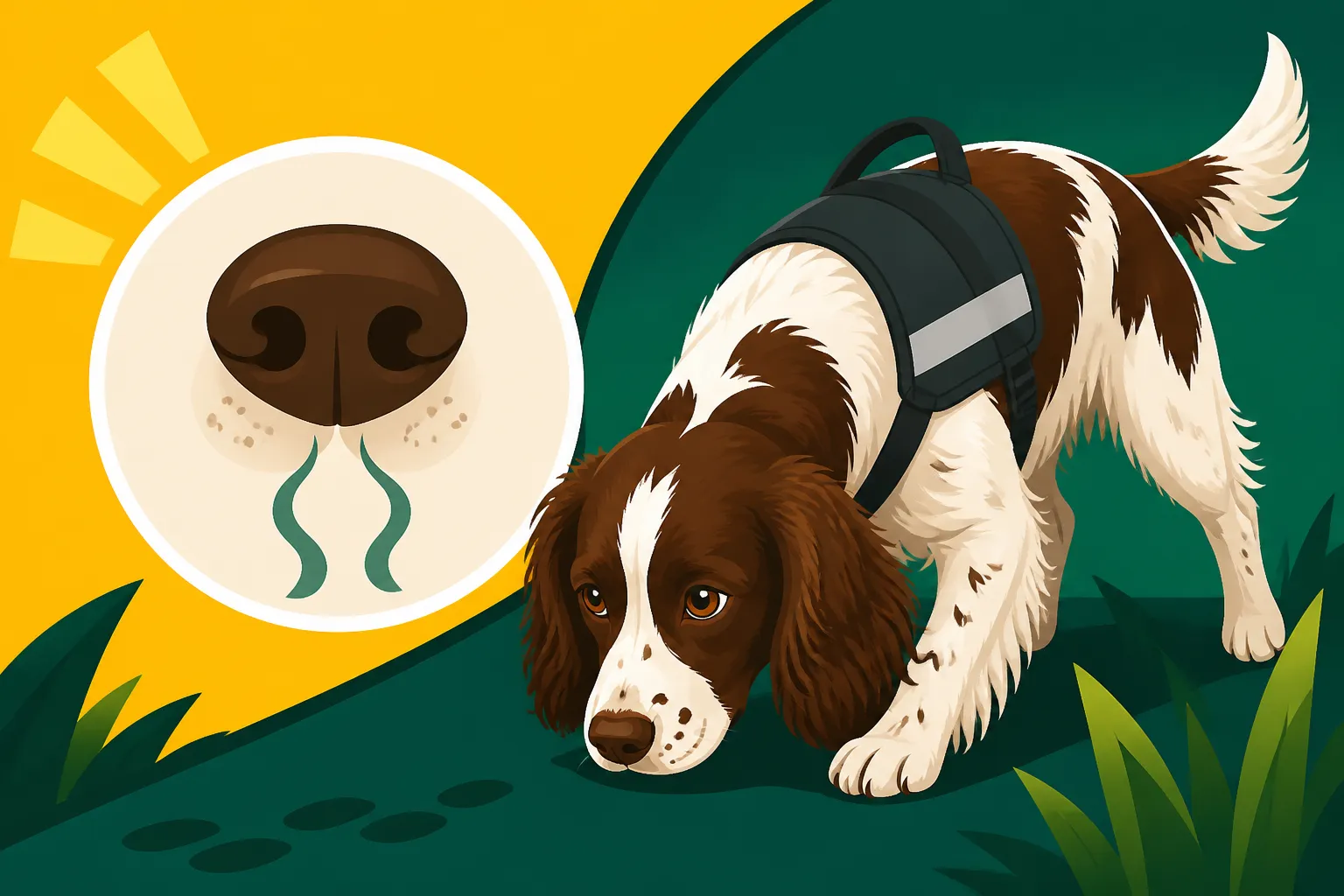
The English Springer Spaniel was literally bred for scent work, specifically to "spring" game from dense cover for hunters. This means they were designed to methodically search an area, follow even the faintest of scent trails, and locate hidden birds or small animals. Their deep-set, soft eyes might be endearing, but it's their powerful nose and unwavering focus on scent that truly define their working heritage. When you see your Springer with their nose to the ground, moving with purpose, they're not just sniffing; they're reading a complex tapestry of smells, interpreting stories invisible to us. It's a testament to their heritage that this instinct remains so strong, even in dogs whose ancestors haven't seen a pheasant in generations. This innate desire to investigate every interesting smell is exactly what makes them so trainable for detection tasks.
They are quite literally born with a job description written into their DNA. Their conformation – strong legs for pushing through brush, a robust body, and that signature deep chest for endurance – all support their primary function of covering ground efficiently and thoroughly, all while using their nose. Understanding this fundamental aspect of their breed is crucial for any owner, as it explains so much of their behavior, particularly their seemingly insatiable need to explore with their nose. You might find yourself frustrated when your Springer puts its nose to the ground and vanishes, seemingly ignoring all your commands. This isn't defiance; it's instinct.
The Drive to Find: More Than Just a Pet
A Springer Spaniel isn't content to just sit on the couch all day, no matter how much they love cuddling up with you. They have an inherent drive, a deep-seated desire to do something, to use their mind and body. This "drive to find" is their engine, and scent work provides the perfect outlet. It satisfies their intellectual curiosity, their physical energy, and their genetic predisposition all at once. For a Springer, finding a hidden scent isn't just a game; it's a fulfillment of purpose. It’s deeply enriching for them in a way that a simple walk around the block or a game of fetch often can’t replicate. Many owners struggle to find an activity that truly tires out their energetic Springer, and engaging their nose can be far more mentally exhausting and satisfying than hours of physical exercise alone. This is particularly true for field-bred Springers, whose drive is often even more intense. If you've ever wondered How a Field Bred Springer Spaniel Differs in Drive, you'll understand why their energy needs a specific, purposeful outlet.
This inherent motivation is a massive advantage in scent detection training. You don't have to make a Springer want to sniff; you just have to channel that natural enthusiasm. They are often incredibly tenacious once they lock onto a scent, willing to push through distractions and work tirelessly until the source is located. This tenacity, combined with their biddability and desire to please, makes them truly exceptional students in the realm of detection.
Their Superpower: Olfactory Sensitivity
The sheer number of olfactory receptors in a Springer Spaniel’s nose is astounding, far surpassing our own. While we have around 5 million, a dog can have upwards of 220 million. But it’s not just the quantity; it’s the quality and the processing power of their brain. They can differentiate between scents at incredibly low concentrations, and they can pick out individual components of a complex odor mixture. Think about trying to find a single ingredient in a heavily spiced dish – that's what a Springer's nose does, but with far greater precision and speed.
This heightened olfactory sensitivity is what makes them so effective in various detection roles. They can smell things we can't even conceive of, like specific chemical compounds associated with explosives, accelerants, or even certain medical conditions. This superpower isn't something that needs to be taught; it simply needs to be guided and refined through training. Their long, floppy ears also play a small but interesting role, sweeping scents up towards their nose as they move, creating a more concentrated scent picture. It's a full-sensory experience for them, and one they are uniquely equipped to master.
Beyond Birds: What Springer Spaniels Can Sniff Out
While their historical role was flushing game birds, the highly adaptable nature and incredible olfactory capabilities of the English Springer Spaniel have opened doors to a vast array of detection disciplines. They are truly versatile working dogs.
From Game to Narcotics: Versatility in Detection
The transition from game detection to other targets isn't a huge leap for a Springer Spaniel. The core skill is the same: find a specific scent and indicate its location. Because they are often smaller and more agile than some retriever breeds, they can navigate tighter spaces and clamber through wreckage or dense environments with ease. This physical adaptability, combined with their focused drive, makes them highly sought-after in various professional fields.
| Detection Role | Common Targets | Why Springers Excel Here |
|---|---|---|
| Explosives Detection | Various explosive compounds | High drive, meticulous search pattern, agile. |
| Narcotics Detection | Illegal drugs (cocaine, heroin, marijuana, etc.) | Strong scent discrimination, focused, biddable. |
| Arson Detection | Accelerants (gasoline, lighter fluid) | Ability to detect trace amounts, thorough search. |
| Conservation Detection | Poached wildlife products, invasive species, scat | Endurance, natural tracking, working in diverse terrain. |
| Human Remains Detection | Cadaver scent, blood | Persistent search, ability to work in challenging environments. |
| Currency Detection | Specific inks or compounds on banknotes | Focus, precise indication, able to work in high-traffic areas. |
| Agricultural Detection | Plant diseases, pests | Delicate nose for subtle changes, careful movement. |
Springers are often a preferred choice for customs and border patrol, as well as police departments, precisely because of their thoroughness and ability to work in diverse environments, from cargo containers to open fields. Their medium size also makes them less intimidating in public settings compared to larger breeds, which can be an advantage in certain operational contexts. They can be incredibly efficient at clearing large areas or pinpointing specific items in a cluttered space.
Sporting Detection and Scent Games for Every Dog
You don't need to be a law enforcement officer or a professional handler to engage your Springer Spaniel's incredible nose. Scent work, also known as "nose work" or "sporting detection," is a rapidly growing dog sport that is accessible to virtually any dog, regardless of age, breed, or physical ability – though Springers tend to naturally shine. This sport mimics professional detection work, with dogs learning to identify specific target odors (like birch, anise, or clove essential oils) and alert their handler to the source.
These games are phenomenal for mental enrichment and building confidence. They provide a fantastic outlet for your Springer's natural instincts, often leaving them happily exhausted after a session. You can start with simple hide-and-seek games using their favorite treats or toys, gradually introducing commercial scent kits. Many online resources, like those offered by BAXTER & Bella, can guide you through the initial steps of puppy training and basic obedience, which are foundational for more advanced scent work. You can find starter kits and training aids easily on platforms like Amazon, making it simple to dive into this rewarding activity right from your home. This type of training is also wonderful for older or less mobile Springers, as it relies on their nose, not their speed or agility, which can deteriorate with age.
Real-World Applications: Search and Rescue, Forensics
Beyond the specific detection tasks listed above, Springer Spaniels are also highly valued in broader search and rescue operations. Their ability to cover ground quickly and methodically, coupled with their relentless drive to find, makes them excellent for locating missing persons, whether they are live or deceased. Their tenacity means they won't give up easily, even in challenging terrain or weather conditions. This also translates into forensic applications, where they can be trained to detect minute traces of evidence at crime scenes.
Their enthusiasm for the work, combined with their smaller stature compared to many German Shepherds or Labradors, can make them better suited for navigating tight spaces, rubble piles, or even water searches. They possess the perfect blend of physical capability and mental fortitude for such demanding and important roles. Engaging in these serious applications requires a significant commitment to specialized training, often with certified organizations, but it highlights the incredible potential locked within this breed's nose.
Training Your Springer for Sniffer Work: From Beginner to Pro
Training a Springer Spaniel for scent work, whether for fun or serious application, is one of the most rewarding journeys you can undertake together. It's a process that deeply engages their natural talents and strengthens your bond.
Starting Early: Puppy Foundations in Scent
The best time to start cultivating your Springer's natural scenting abilities is during puppyhood. Even before formal obedience, you can introduce simple "find it" games. Start with high-value treats hidden under cups or in plain sight, gradually increasing the difficulty by hiding them in different rooms or within boxes. Make it a fun, low-pressure game, always celebrating their success enthusiastically. This early exposure teaches them that using their nose is a rewarding activity. Consider this an extension of their natural exploratory behavior.
Puppy classes and early socialization are also vital, as a well-adjusted dog is a more confident and effective working dog. While you're working on basic commands, remember that a Springer Spaniel can be quite sensitive. The Soft Springer Spaniel That Shuts Down If You Shout is a common observation, so positive reinforcement and gentle guidance are always the most effective methods. Building confidence and trust from a young age will make them much more receptive to focused training later on. Introducing them to different environments and surfaces will also prepare them for diverse search scenarios they might encounter in advanced scent work.
Essential Training Tools and Techniques
When you're ready to move beyond basic treat games, you'll want to invest in a few key tools. A scent kit with target odors like birch, anise, and clove is essential for formal nose work. You'll also need small, airtight containers for the odors, and a variety of search articles (boxes, tubes, household items) to hide the scent. A long line can be helpful for practicing outdoor searches in controlled environments, ensuring your dog stays within a search area while still having freedom.
Positive reinforcement is absolutely paramount. When your Springer locates the target scent, mark the behavior (with a clicker or a verbal cue like "Yes!") and immediately reward with a high-value treat or a favorite toy. The goal is for the dog to associate the target odor with that fantastic reward. Initially, you might hide the scent in very obvious places, gradually increasing the difficulty and adding distractions. Many trainers advocate for teaching a passive alert (sitting or freezing at the source) rather than a destructive one (pawing or biting), especially for professional work where the item being detected might be fragile or dangerous.
For generalized training and behavior, online platforms like BAXTER & Bella can provide excellent, structured guidance for everything from basic obedience to more advanced canine enrichment activities, which can lay a solid foundation for specialized scent work. Don't forget the everyday items, like a variety of chew toys from Amazon, which can be used as rewards or as distractions in more complex search scenarios.
Overcoming Challenges: The Distracted Nose
One of the biggest challenges with a Springer Spaniel's incredible nose is its potential for distraction. They can be so engrossed in a fascinating trail that they seem to forget you exist. This is where solid obedience, especially a rock-solid recall, becomes critical. You might have noticed Why a Springer Spaniel Puts Its Nose to the Ground and Vanishes is a frequent complaint; this same drive can be both a blessing and a curse. Training them to ignore irrelevant scents and focus on the target odor requires patience and consistency.
Start training in low-distraction environments and gradually introduce more complex scenarios. Teach a "leave it" command that applies to other interesting smells. Remember that their primary motivation is often the hunt, the search, and the find, so make the target odor the most exciting thing in the environment. Using different types of rewards can also help; some Springers prefer a quick game of tug, while others live for a piece of cheese. Understanding What a Springer Spaniel Will Work For is key to successful training. Consistent practice with a variety of odors and environments will help them generalize their learning and maintain focus.
The Reality of Life as a Sniffer Dog: What It Truly Takes
While the image of a focused Springer Spaniel heroically sniffing out contraband is captivating, the reality of both professional and recreational sniffer dog work involves significant commitment and understanding.
Time, Dedication, and Ongoing Training
Becoming a truly proficient sniffer dog, whether for competitive sport or professional deployment, is not a weekend endeavor. It requires consistent, dedicated training sessions, often daily, to keep skills sharp and expand their repertoire. This isn't just about repetition; it's about making the training engaging, challenging, and fun for your Springer. Their enthusiasm will wane if the work becomes boring or overly frustrating.
Professional sniffer dogs undergo intensive programs that can last for months, followed by regular maintenance training and certification. Even for hobbyists, attending workshops, joining local nose work clubs, and working with experienced instructors can greatly accelerate progress and ensure correct technique. It's an ongoing learning process for both dog and handler. The commitment needed is akin to training for any high-level canine sport; it’s a lifestyle, not just a casual pastime. You need to be prepared to put in the hours, adjust your methods, and celebrate every small success. Understanding How Fast a Springer Spaniel Learns can give you an idea of the pace, but consistency is always king.
The Bond Between Handler and Dog
One of the most profound aspects of sniffer dog work is the incredible bond it fosters between dog and handler. When you're working together as a team, relying on each other in a focused, purposeful activity, a unique connection forms. The dog trusts the handler to guide them, to interpret their signals, and to reward them. The handler learns to read their dog's subtle cues – a slight head tilt, a change in breathing, a focused stare – that indicate they're on scent or at the source.
This deep level of communication and mutual reliance creates an almost telepathic understanding. It's not just about commands; it's about partnership. This bond is built on trust, clear communication, and shared success. This kind of intense, shared activity can strengthen your relationship in ways that everyday companionship might not. It highlights the Springer's desire to be with and work for their human, making them truly eager partners in detection.
Is it Right for Your Springer?
Before embarking on a serious sniffer dog journey, it’s worth considering if this is truly the right path for your individual Springer Spaniel and your lifestyle. Not every Springer will be cut out for professional detection, which often demands a certain temperament: unflappable, high drive, and resilient. However, almost every Springer will thrive on recreational nose work.
Ask yourself:
- Does your Springer genuinely enjoy searching and finding? (Most do!)
- Do you have the time and dedication for consistent training?
- Are you willing to learn alongside your dog?
- Can you handle the potential for distraction and persevere through it?
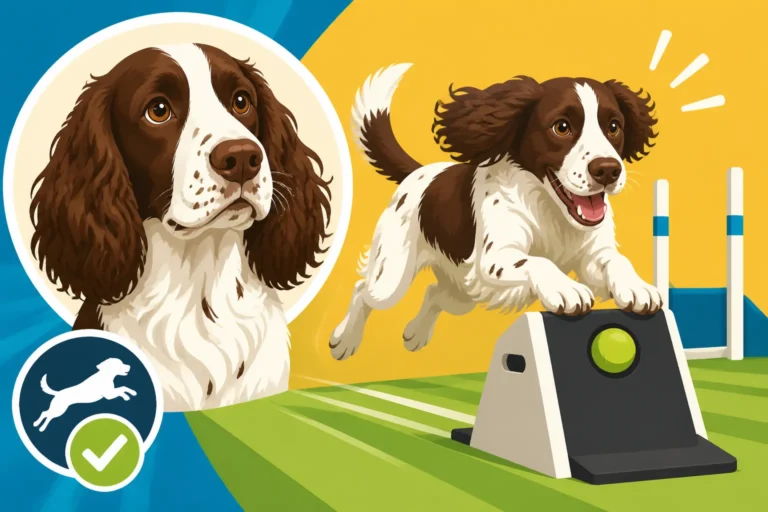
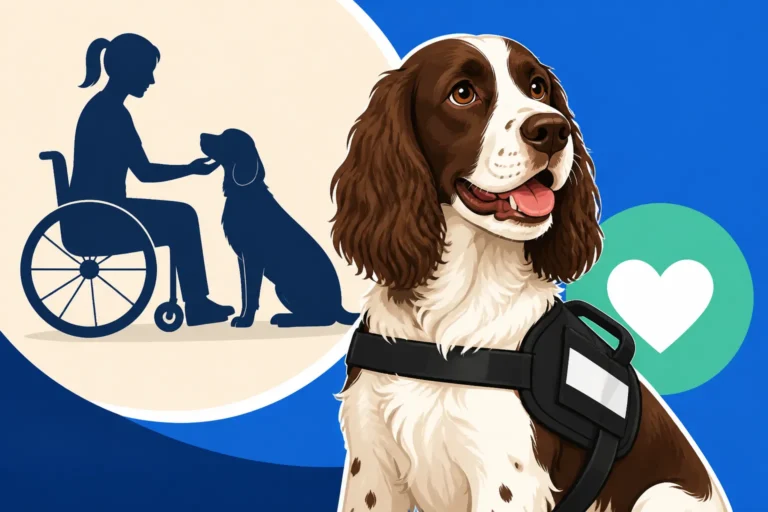
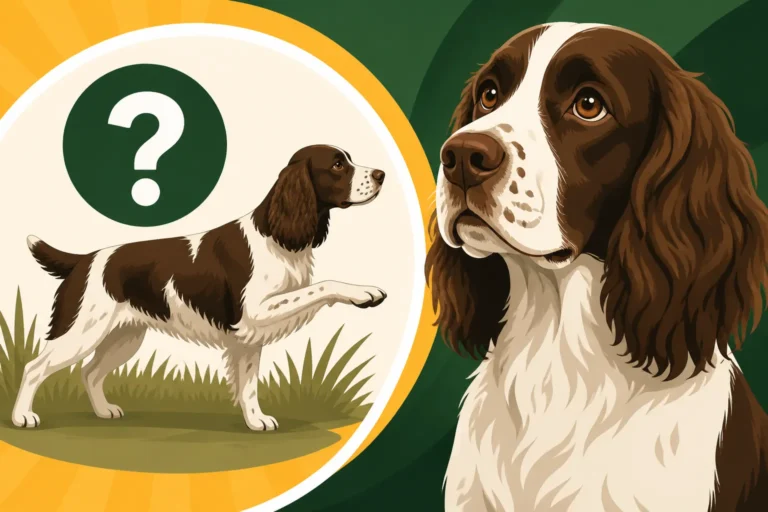
For many Springers, having a "job" like scent work is incredibly fulfilling. It taps into their core instincts and provides mental stimulation that can prevent boredom-related behaviors. Whether a Springer Spaniel Needs a Job is a question many owners ponder, and scent work is an excellent answer. If professional work isn't on the cards, consider competitive nose work or simply integrating fun scent games into your daily routine. It’s a fantastic way to honor their heritage and give them a purpose that truly satisfies their incredible nose. If you're exploring other activities, a Springer can also excel in areas like Whether a Springer Spaniel Can Do Agility, showing their versatility beyond just scent.
| Factor | Recreational Scent Work | Professional Detection Work |
|---|---|---|
| Goal | Fun, mental enrichment, bond building | Public safety, law enforcement, specific task completion |
| Training Intensity | Flexible, self-paced, can be informal | Highly structured, intensive, demanding |
| Required Temperament | Any dog with scent drive | High drive, resilient, steady, unflappable |
| Time Commitment | As much as owner can give, often short daily sessions | Significant, often full-time for handler/dog team |
| Certification/Testing | Optional club or organizational titles | Mandatory agency/governmental certification |
| Environment | Home, yard, local park, trial venues | Diverse, often stressful, real-world scenarios |
Ultimately, whether your Springer Spaniel becomes a professional sniffer dog or a champion in local nose work competitions, engaging their extraordinary sense of smell is a gift you can give them. It's a way to speak their language, to appreciate their unique talents, and to deepen the incredible bond you share.
Disclaimer
This article is for general informational purposes only and does not constitute professional advice. Laws, prices and regulations vary by location and change over time. Consult a qualified professional for guidance on your specific situation.