The Age a Springer Spaniel Puppy Stops Mouthing
That adorable bundle of fluff, your new English Springer Spaniel puppy, quickly turns into a tiny land shark, constantly nipping at your hands, clothes, and anything else within reach. It's a phase that can be frustrating, painful, and leave you wondering if this is just "puppy play" or something more. This comprehensive guide is here to explain why your Springer Spaniel puppy is so mouthy, when you can expect this behavior to naturally subside, and, most importantly, how you can effectively guide them through it with patience and consistent training.
Why Your Springer Spaniel Puppy Is Mouthing: The Instinct Behind the Nips
Before we can tackle the nips, we need to understand why your Springer Spaniel puppy is doing it. It's not usually out of malice or aggression, but rather a completely normal, instinctual part of their development. Understanding this helps us approach the behavior with empathy rather than frustration.
Exploring Their World with Their Mouths
Imagine a human baby. What's the first thing they do when they encounter something new? They put it in their mouth! Puppies are no different. Their mouths are their primary tools for exploring the world around them. They pick things up, chew on them, and test textures and temperatures, gathering information in a way that our hands might. This oral exploration is critical for their cognitive development and understanding their environment.
When your Springer Spaniel puppy mouths your hand, they're not necessarily trying to hurt you; they're trying to figure out what you are, what you feel like, and how you react. Their little brains are constantly processing new data, and their mouths are their data collection devices. This can be particularly pronounced in active, curious breeds like Springers, who are naturally inclined to investigate everything with gusto. They might mouth your shoelaces, the corner of a rug, or even your trousers as you walk by, all in the spirit of exploration. It's just how they engage with their surroundings and learn about boundaries, both physical and social.
Learning Bite Inhibition from Peers (or You!)
In a litter of puppies, mouthing is a crucial part of how they learn "bite inhibition." When puppies play together, they mouth and nip each other. If one puppy bites too hard, the other will yelp and stop playing. This teaches the offender that a hard bite means the fun stops, and they learn to moderate the pressure of their jaws. This is a natural feedback loop that helps them develop a "soft mouth" – an essential trait for a gundog like a Springer Spaniel, who needs to retrieve game gently without damaging it.
When your puppy comes home, you become their new "littermate." It's your job to continue this lesson. They no longer have their siblings to teach them, so they'll test the boundaries with you. Every time they mouth your hand, they are looking for your reaction. If you respond consistently to too much pressure, you're teaching them bite inhibition just as their littermates would have. This early lesson is vital, not just for preventing painful nips now, but for ensuring your adult dog understands how much pressure they can exert with their teeth in any situation. A lack of this training can lead to a dog who, even accidentally, causes harm because they never learned the "ouch" factor.
The Great Transition: When Mouthing Begins to Ease
Many new Springer Spaniel owners feel like they've adopted a furry piranha during the first few months. It's intense, it can be painful, and it definitely tests your patience! But rest assured, it's a phase that, with proper guidance, does pass.
The Infamous Puppy "Shark" Phase
Ah, the "shark phase." Every puppy owner knows it well, and Springer Spaniel puppies, with their boundless energy and inquisitive nature, often excel at it. This period typically begins when they arrive home, usually around 8 to 12 weeks of age, and often peaks between 2 and 5 months old. During this time, their tiny, needle-sharp teeth seem to be everywhere, seeking out flesh, clothing, and furniture. This intensity is partly due to their boundless energy and natural curiosity, as we discussed, but it's also heavily influenced by teething.
Just like human babies, puppies lose their baby teeth and grow in their adult set. This process can be uncomfortable, leading them to chew and mouth more frequently to relieve the pressure and discomfort on their gums. They'll chew on anything and everything to help those new teeth emerge, which often includes your fingers and toes. It feels relentless, doesn't it? It can make playing with your puppy a challenge, as every interaction seems to involve getting nipped. During this phase, it's particularly important to have plenty of appropriate chew toys available and to be diligent with your redirection efforts. Remember that this intense period of mouthing is a sign of normal development, even if it's not always pleasant. You might find some excellent resources on navigating The First Year With a Springer Spaniel Puppy to help set expectations for this stage.
The Turning Point: Adult Teeth and Growing Up
You'll likely notice a significant shift in your Springer Spaniel puppy's mouthing habits between 5 and 7 months of age. This period marks the end of most of their teething woes, as their adult teeth have largely come in. With the discomfort subsiding, the intense, exploratory mouthing often starts to diminish naturally. They're also getting a bit older, becoming more aware of their body and their surroundings, and (hopefully!) have had consistent lessons from you on appropriate interactions.
At this age, the mouthing that persists is often more about habit, excitement, or a learned behavior if it hasn't been consistently corrected. You'll probably see fewer frantic, undirected nips and more purposeful chewing on toys, or perhaps a softer mouth when playing. This is the stage where consistency really pays off. If you've been diligently working on bite inhibition and redirection, your Springer will start to generalize these lessons, understanding that human skin is off-limits. They're growing out of their "baby" phase and into their adolescence, which means more mature behaviors are starting to emerge. Of course, individual dogs vary, and a highly energetic Springer might still have moments of over-excitement that lead to a quick nip, but the frequency and intensity should markedly decrease.
Beyond Seven Months: Residual Mouthing and Problem Behavior
While the most intense mouthing usually subsides by around 7 months, it's not uncommon for some residual mouthing to pop up occasionally, especially when your Springer Spaniel is over-aroused, overly excited, or feeling playful. An adolescent Springer still has a lot of learning to do and can sometimes forget their manners in the heat of the moment. You might notice a playful nip during a boisterous game or when they haven't had enough mental or physical stimulation. This is different from the constant, exploratory mouthing of younger puppies and is often easier to correct because they already have a foundational understanding of bite inhibition.
However, if mouthing persists beyond this age with the same intensity or, worse, if it seems to escalate into harder bites, growling, or fear-based snapping, it's time to take it more seriously. This could indicate a lack of effective bite inhibition training in earlier stages, or it might point to underlying issues like anxiety, frustration, or even pain. It’s important to distinguish between playful, albeit annoying, mouthing and behavior that could be a precursor to genuine aggression. A Springer Spaniel that consistently breaks skin or shows reluctance to release a bite needs a different approach than one that just occasionally gets a bit too mouthy in play. Understanding Whether a Springer Spaniel Puppy Bites Hard can help you gauge the severity of the issue.
Practical Strategies to Tame the Toothiness
Dealing with a mouthy puppy requires consistency, patience, and a clear understanding of what you want your Springer Spaniel to learn. It’s all about teaching them appropriate ways to use their mouths and redirecting those natural urges.
Teaching Bite Inhibition Effectively
This is arguably the most important lesson you can teach your mouthy Springer Spaniel puppy. The goal isn't to stop them from using their mouth entirely – that's unrealistic and counterproductive for a dog – but to teach them to use it gently. Think of it as teaching them to "hold back" their bite pressure.
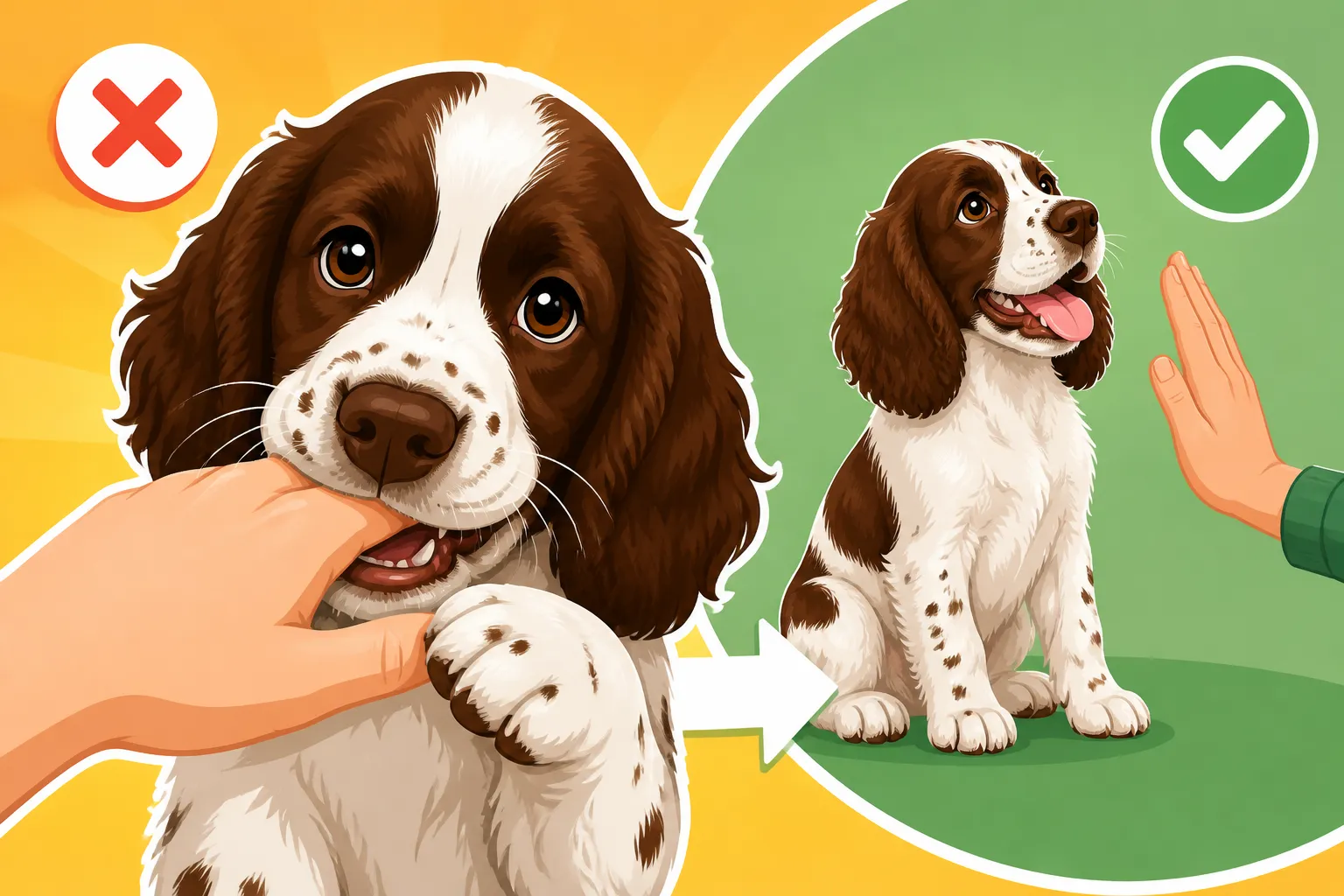
The classic method involves imitating what another puppy would do. When your Springer puppy mouths your hand and applies too much pressure, let out a high-pitched "ouch!" or "yipe!" immediately. Then, withdraw your hand and ignore them for a few seconds. If they calm down, you can resume play. If they continue to nip, stand up, turn your back, and completely disengage for 10-20 seconds. If they persist, calmly leave the room for a minute. The key is to consistently communicate that "hard bites stop the fun." It teaches them that their actions have consequences. This isn't about punishing them; it's about providing a clear, immediate, and consistent consequence that they understand. Remember that consistency across all family members is paramount. If one person allows harder bites, it confuses the puppy and undermines the training. For more structured guidance, online platforms like BAXTER & Bella offer puppy training courses that delve into bite inhibition and can provide a roadmap for new owners. They often have step-by-step videos and support that can be invaluable.
Redirection and Providing Appropriate Outlets
One of the best ways to manage mouthing is to redirect your Springer Spaniel's natural chewing and mouthing instincts onto appropriate objects. Puppies need to chew, especially during teething. Having a variety of engaging, safe chew toys readily available is non-negotiable. When your puppy starts to mouth you, immediately offer them an appropriate chew toy instead. Praise them enthusiastically when they take the toy in their mouth.
Think about the types of toys that appeal to a growing Springer. Durable rubber toys like Kongs (especially stuffed with a treat to increase engagement), tough nylon chews such as Nylabones, and softer, textured teething toys can all be effective. Rotate these toys to keep things interesting and novel. Make sure the toys are appropriately sized for your puppy – too small and they can be a choking hazard, too large and they might not be able to get a good grip. Providing these acceptable outlets teaches your puppy, "It's okay to chew, but this is what you chew on, not me." You'll find a huge variety of options on Amazon, making it easy to stock up on different textures and durability levels to see what your Springer prefers. This strategy not only saves your hands and furniture but also helps build a positive association with their toys.
| Toy Type | Benefits | Best For | Considerations |
|---|---|---|---|
| Kongs | Durable, can be stuffed with treats, mentally stimulating. | Power chewers, boredom, crate training. | Choose appropriate size and fill with safe, appealing treats. |
| Nylabones | Long-lasting, various textures, helps clean teeth. | Persistent chewers, teething relief. | Ensure size is correct; replace when too small or worn. |
| Rope Toys | Good for tug-of-war, helps clean teeth, satisfying texture. | Interactive play, teething. | Supervise closely to prevent ingestion of strands; replace when frayed. |
| Puzzle Toys | Mentally stimulating, slows eating, rewards problem-solving. | Mental enrichment, reducing boredom-related mouthing. | Ensure durability; choose appropriate difficulty level. |
| Soft Teethers | Soothes sore gums, gentler on puppy teeth. | Young puppies, intense teething phase. | Monitor for damage; replace once adult teeth are in and they need tougher toys. |
Managing Energy and Preventing Overwhelm
Springer Spaniels are renowned for their high energy levels and intelligence. A bored, under-exercised, or over-stimulated puppy is often a mouthy puppy. If your Springer has pent-up energy, they're more likely to channel it into undesirable behaviors, including nipping. Ensuring your puppy gets sufficient physical exercise and mental stimulation appropriate for their age is crucial. For a growing Springer, this isn't just about endless walks; it's about structured playtime, short training sessions that engage their minds, and scent games.
Think about your puppy's routine. Are they getting enough opportunities to run, sniff, and explore in a safe environment? Are you incorporating short, fun training sessions to tap into their intelligence? Even a simple game of fetch with a soft toy for 10-15 minutes, or a Whether a Springer Spaniel Needs a Job that involves sniffing out treats, can make a huge difference. Conversely, an over-tired or over-stimulated puppy can also become prone to nipping. Just like a toddler having a meltdown, a puppy might lash out when they've had too much excitement and not enough quiet time. Learning to read your Springer's cues for needing a nap or a calmer activity is key. A well-exercised, mentally engaged, and rested puppy is a far less mouthy puppy. You might find that Whether a Field Springer Spaniel Is Too Much for a Family directly relates to understanding their energy needs.
When Mouthing Becomes a Concern: Seeking Expert Guidance
While mouthing is a normal puppy behavior, there are times when it escalates beyond what's typical or manageable. Recognizing these red flags and knowing when to seek professional help is vital for your safety and your dog's well-being.
Recognizing Red Flags and Problematic Mouthing
Most puppy mouthing, while annoying, is usually soft and exploratory. However, there are clear indicators that a puppy's mouthing is becoming problematic and requires more serious intervention. The first major red flag is if your Springer Spaniel puppy is consistently biting hard enough to break skin, draw blood, or leave deep bruises, even after consistent efforts to teach bite inhibition. This suggests they aren't learning the crucial lesson of how much pressure is too much.
Another concerning sign is if the mouthing is accompanied by other aggressive body language, such as growling, stiffening of the body, baring teeth, or a fearful, defensive posture. This moves beyond playful nipping and into potential aggression or resource guarding. Similarly, if your puppy seems to target certain individuals more aggressively, or if they resist letting go of a bite when you try to disengage, these are serious concerns. If you've been consistently implementing the bite inhibition and redirection strategies for weeks, and you see no improvement, or even an escalation in the intensity or frequency of hard bites, it's a sign that you might be missing something or that your puppy has deeper behavioral challenges. Ignoring these red flags can lead to more serious issues as your Springer Spaniel grows into an adult, potentially making them more difficult to manage or even dangerous.
The Value of Professional Intervention
If you're noticing any of the red flags discussed, or if you simply feel overwhelmed and unsure how to proceed, don't hesitate to reach out for professional help. The first step should always be a visit to your veterinarian. They can rule out any underlying medical conditions or pain that might be contributing to the behavior. Sometimes, discomfort can make a dog irritable and more prone to snapping.
Once health issues are ruled out, consult a certified professional dog trainer or a veterinary behaviorist. These experts have extensive experience with canine behavior and can assess your individual Springer Spaniel's situation, identify the root cause of the problematic mouthing, and develop a tailored training plan. They can observe your interactions, point out subtle cues you might be missing, and teach you advanced techniques for managing and modifying the behavior. A good trainer won't just tell you what to do; they'll show you how to do it and support you through the process. Remember, seeking help early is always better. It's much easier to address problematic behaviors in a puppy than in an adult dog. Resources like Whether a Springer Spaniel Owner Needs a Private Trainer can help you decide if personalized guidance is the right fit for your situation. Investing in professional guidance can save you a lot of stress, and ensure your Springer grows into a well-adjusted, well-mannered companion.
Disclaimer
This article is for general informational purposes only and does not constitute professional advice. Laws, prices and regulations vary by location and change over time. Consult a qualified professional for guidance on your specific situation.