Whether a Hunting Springer Spaniel Needs Extra Coverage
It's a question that keeps many of us who share our lives with a hunting Springer Spaniel up at night: are we truly prepared for the unexpected? These incredible dogs are born for action, but that drive to work in demanding environments often comes with a higher risk of injury and illness than for a typical couch-potato pet. This guide will help you navigate the world of pet insurance and determine whether your energetic field companion genuinely needs that "extra" coverage to keep them safe and sound.
Understanding the Unique Risks of a Hunting Springer Spaniel
Owning a hunting Springer Spaniel means embracing a life of adventure, but also acknowledging that their working environment is inherently more hazardous than a fenced suburban backyard. These aren't just pets; they're canine athletes, and their dedication to their job exposes them to a unique set of challenges that can result in significant veterinary bills.
The Active Lifestyle and Increased Injury Potential
A hunting Springer Spaniel lives to run, flush, and retrieve, often in rugged terrain that most household dogs will never encounter. This isn't a gentle stroll on a paved path; it's pushing through dense briars, leaping over downed logs, and plunging into icy water. All this high-octane activity, while fulfilling for them, comes with a substantial risk of physical injury.
Think about a typical day in the field: your Springer might be quartering through thick cover, suddenly changing direction, or making a hard retrieve from challenging brush. Each of these actions carries the potential for injury. We're talking about anything from minor cuts and scrapes on their pads or delicate ear leathers to more serious issues like muscle strains, ligament tears (the cranial cruciate ligament is a common culprit!), or even fractures from missteps or falls. Imagine your dog taking a bad jump over a hidden ditch or twisting awkwardly while turning at speed; these aren't rare occurrences. They could even run into barbed wire that's been left neglected, leading to deep lacerations requiring immediate veterinary attention and potentially multiple stitches or even surgery. In the worst-case scenarios, an accidental gunshot wound, while rare and preventable with proper safety, is a devastating possibility that working dog owners must confront. These aren't just "ouchie" moments; they're often emergency visits, specialist consultations, and lengthy rehabilitation processes that come with a hefty price tag.
Environmental Hazards
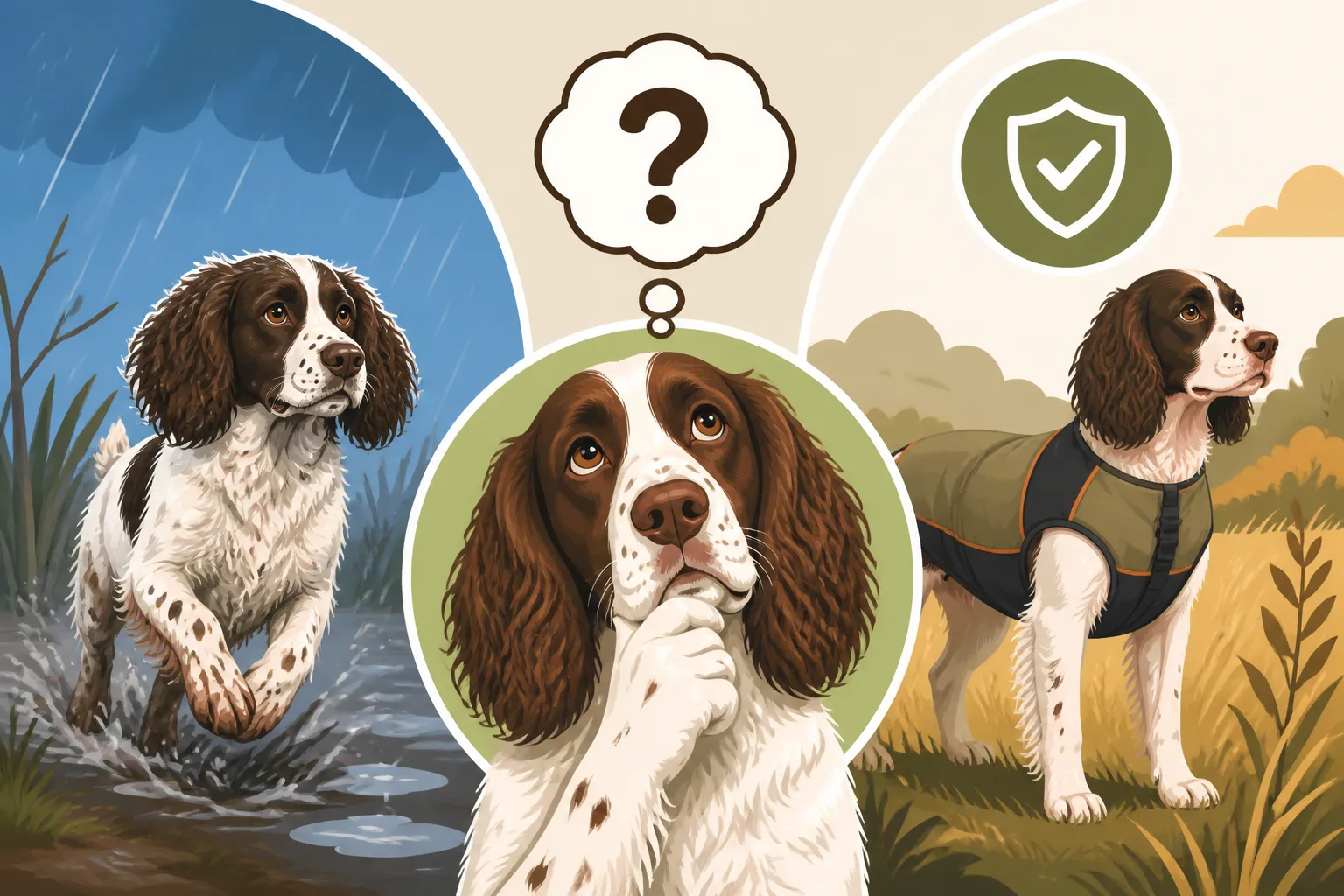
Beyond the physical demands of the hunt itself, the environment where a Springer Spaniel works is riddled with hidden dangers. Unlike a controlled park, the wild offers a buffet of potential problems, many of which can escalate quickly into emergencies.
One of the most insidious threats comes from tiny, seemingly innocuous plant matter: grass awns, burrs, and thorns. These can work their way into ears, paws, under eyelids, or even burrow beneath the skin, causing severe inflammation, abscesses, and deep-seated infections. We've all been there, spending hours After the Hunt: Checking a Springer Spaniel Over Nose to Tail to find these tiny invaders. If undetected, a migrating grass awn can lead to incredibly complex and costly medical interventions, including sedation and surgical removal. Then there's the water: beautiful, tempting, and often teeming with bacteria, algae, or parasites that can cause gastrointestinal upset or serious infections. Hunting dogs frequently work in and around ponds, rivers, and swamps, increasing their exposure to these waterborne pathogens. Depending on your region, encounters with venomous snakes, spiders, or aggressive wildlife can also pose a life-threatening risk, leading to expensive anti-venom treatments or critical care. Even something as simple as extreme weather, whether scorching heat leading to heatstroke or freezing temperatures causing hypothermia, demands immediate and often expensive veterinary intervention. This isn't just about comfort; it's about survival.
Age and Activity Levels
The relentless energy and boundless enthusiasm of a Springer Spaniel are part of their charm, but sustained high-impact activity over many years can take a toll on their bodies, potentially leading to or exacerbating certain health conditions earlier in life.
While all dogs are susceptible to age-related issues, a hunting Springer Spaniel’s joints endure considerably more stress and impact. Conditions like Hip Dysplasia in a Springer Spaniel or elbow dysplasia, even in dogs from well-screened lines, can become symptomatic earlier or progress more rapidly due to the constant pounding and twisting movements inherent in hunting. This means that chronic pain management, anti-inflammatory medications, joint supplements, or even corrective surgeries might become necessary at a younger age than for a less active companion dog. Furthermore, conditions like arthritis, which typically manifest in later years, can appear prematurely, requiring ongoing veterinary care, physical therapy, and potentially advanced treatments to maintain their quality of life. The very traits that make them exceptional hunting dogs – their power, speed, and agility – also predispose them to accelerated wear and tear on their musculoskeletal system. It's a trade-off many owners willingly accept, but one that comes with the understanding that specialized care might be needed sooner. Understanding these risks is crucial when considering Whether a Working Springer Spaniel Wears Out Its Joints and what that means for their long-term health plan.
Standard Pet Insurance vs. Hunting Dog Specific Coverage
Navigating the world of pet insurance can feel like trying to find your way through thick cover without a map. There are so many options, so many terms, and it's not always clear what truly applies to a highly active, working dog like a Springer Spaniel. It's easy to assume a standard policy will cover everything, but for hunting dogs, that's often not the full picture.
What Standard Policies Typically Cover
Most pet insurance policies are designed to help you manage the costs of unexpected accidents and illnesses that your furry family member might face. Generally speaking, a good standard accident and illness policy will cover a wide range of veterinary expenses. This often includes things like emergency visits, diagnostic tests such as X-rays, MRIs, and blood work, surgeries, hospitalization, prescription medications, and even specialist care for conditions like cancer or serious injuries. Many policies also cover chronic conditions, provided they weren't pre-existing before you enrolled your dog.
For instance, if your Springer Spaniel suddenly develops a severe ear infection – a common issue for dogs with drop ears like ours, as discussed in How Often a Springer Spaniel Gets Ear Infections – a standard policy would likely cover the vet visit, ear cytology, antibiotics, and any follow-up appointments. If they break a leg jumping off the sofa (heaven forbid, but accidents happen!), the policy would typically cover the orthopedic surgery, pain medication, and post-op care. These plans are invaluable for mitigating the shock of large, unforeseen veterinary bills that can pop up at any moment. Companies like Healthy Paws are well-known for their comprehensive accident and illness coverage, often covering a significant portion of unexpected veterinary costs once your deductible is met.
The Gaps in Standard Coverage for Hunting Dogs
Here's where it gets tricky for our hard-working Springers: while standard policies are excellent for general accidents and illnesses, they might have crucial gaps or limitations when it comes to the specific needs and risks of a hunting dog. It's not always a hard "exclusion," but rather how the terms are interpreted or what's specifically not included.
Many policies, for example, might be vague about injuries sustained during "working activities" or "professional endeavors." While most Springer owners aren't "professionals" in the traditional sense, some policies could interpret hunting as a working activity and impose limitations or higher deductibles, or even outright deny claims if the injury occurred in the field. Specific types of injuries common to hunting, such as puncture wounds from thorns, deeply embedded grass awns, or extensive pad lacerations, might be treated differently than, say, a cut from broken glass in your kitchen. Moreover, conditions that are often considered "wear and tear" or pre-existing – even if only sub-clinical when you enrolled – could be scrutinized if they manifest earlier due to strenuous activity. This means that if your dog has minor hip laxity that doesn't cause problems until they're pushing hard in the field for years, some insurers might argue it was a pre-existing condition if a more serious issue arises. This makes reading the fine print absolutely essential. You'll want to ask very direct questions about how they handle hunting-related injuries and conditions exacerbated by intense activity.
Exploring "Extra" Coverage Options
Given these potential gaps, many hunting dog owners opt for what could be considered "extra" coverage, not always as a separate policy, but often as riders or specialized plans designed to address these unique needs.
One common "extra" is a wellness plan, which isn't traditional insurance but helps budget for routine care. While basic wellness plans might cover annual exams and vaccinations, some more comprehensive versions can include things like regular ear cleanings (a godsend for Springers!), regular deworming, or even dental cleanings – all critical for a dog that spends a lot of time outdoors and retrieving. These can be particularly beneficial for managing chronic conditions that, while not "illnesses" in the emergency sense, require ongoing preventative care. Some insurance providers offer specialized accident-only plans with lower premiums that might be suitable if you're primarily concerned with high-impact injuries but are willing to self-insure for less severe illnesses. Furthermore, some companies have policies specifically tailored for working dogs, which explicitly state their coverage for activities like hunting or field trials, often without the ambiguous exclusions found in standard pet policies. When looking for these, it's crucial to compare different providers. Websites like Chewy, for example, often offer comparison tools or partner with various insurance companies, allowing you to see different plans side-by-side and directly inquire about their working dog provisions. Don't be afraid to call the providers directly and get explicit answers about what is and isn't covered during a hunt. It's about finding a policy that truly understands the life your Springer leads.
Assessing the Value of Additional Coverage
Deciding whether to invest in "extra" coverage for your hunting Springer Spaniel isn't a simple yes or no. It's a calculated decision based on understanding the potential financial impact of injuries, the peace of mind comprehensive coverage offers, and your own comfort level with risk and budgeting.
The Financial Reality of a Hunting Dog Injury
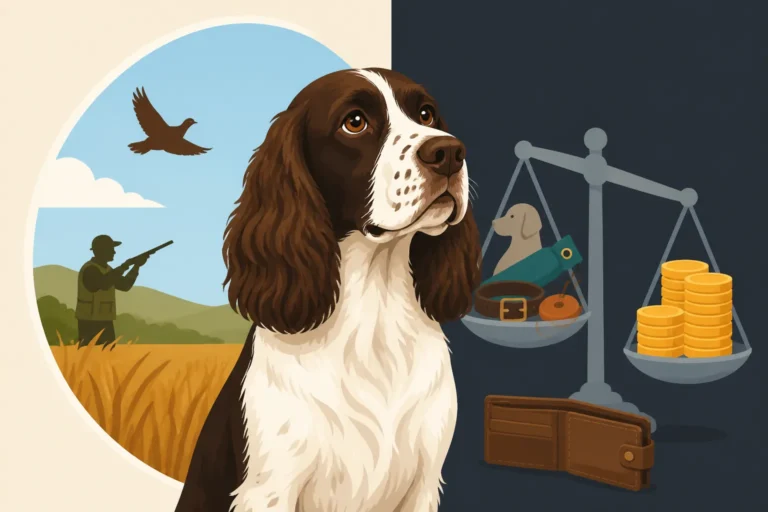
Let's be realistic: veterinary care can be incredibly expensive, and emergencies don't happen on a convenient payment plan. For a hunting dog, the types of injuries they incur often require immediate, specialized, and intensive treatment. These aren't minor issues that a quick vet visit can fix; they can escalate into complex situations that drain your savings surprisingly fast.
Consider a few hypothetical but all-too-common scenarios. Your Springer, in its enthusiasm, tears a cruciate ligament while navigating challenging cover. This is a common and painful injury. The diagnostic X-rays, specialist consultation, TPLO or TTA surgery, pain medications, and weeks of post-operative physical therapy can easily run into thousands of dollars. Or perhaps a grass awn, missed during a routine check, migrates into the lung, requiring advanced imaging, endoscopic removal, and long courses of antibiotics. That's another multi-thousand-dollar event. What if they suffer a serious bite wound from an angry raccoon, necessitating extensive debridement, drainage tubes, hospitalization, and multiple follow-up visits? These are not isolated incidents; they are part and parcel of the active, adventurous life of a hunting dog. Without adequate coverage, these situations can force agonizing choices between the best possible care for your beloved companion and your family's financial stability. What a Springer Spaniel's Vet Bills Look Like can be a stark reminder of these potential costs.
Peace of Mind and Treatment Choices
Beyond the sheer financial impact, "extra" coverage offers something invaluable: peace of mind. Knowing that you have a robust safety net in place allows you to focus on what truly matters when your dog is injured or ill – their recovery – rather than being paralyzed by the potential cost.
When your hunting Springer is in pain or critically ill, the last thing you want to be doing is agonizing over whether you can afford a particular diagnostic test, a specialist referral, or an innovative treatment option. Comprehensive insurance coverage empowers you to make medical decisions based solely on what's best for your dog's health and recovery, not on the size of your bank account. It means you can say "yes" to that MRI that will pinpoint the exact nerve damage, or "yes" to that advanced therapy that could accelerate healing, without the crushing weight of financial worry. This ability to provide optimal care without hesitation can make a significant difference in your dog's prognosis and quality of life. It helps you avoid the immense guilt and regret that comes from wondering if you could have done more if money hadn't been an object.
Considering Your Personal Risk Tolerance and Budget
Ultimately, the decision to get "extra" coverage boils down to a very personal assessment of your financial situation, your risk tolerance, and how much you're willing to budget for your hunting Springer Spaniel's potential veterinary needs.
Some owners prefer to "self-insure" by setting aside a dedicated emergency fund specifically for their dog's care. This can work if you are disciplined and consistently save a substantial amount, but it requires a significant lump sum available at all times, which isn't feasible for everyone. Others find the predictable monthly premium of an insurance policy a more manageable way to budget for the unpredictable. When considering your budget, think about the total cost of ownership, including What a Springer Spaniel's Working Vest and Kit Cost, food, training, and routine veterinary care. If you have multiple hunting dogs, the costs multiply, making a comprehensive policy even more attractive. If your personal risk tolerance is low – meaning the thought of a multi-thousand-dollar vet bill gives you serious anxiety – then "extra" coverage will likely be worth every penny. However, if you have ample emergency savings and are comfortable with the idea of potentially paying out-of-pocket for significant expenses, you might opt for a higher deductible plan or a more basic policy. It's a balancing act, and there's no single right answer for everyone. The key is to make an informed decision that aligns with your financial capabilities and your desire for peace of mind. You can compare various pet insurance options, including those with different levels of coverage, through platforms like Chewy, which often highlight plans and features that might cater to active breeds. This can help you weigh the costs and benefits against your specific circumstances.
Practical Steps to Insure Your Hunting Springer Spaniel
Once you've decided that some form of "extra" coverage is the right path for your hunting Springer Spaniel, the next step is to actually go about getting it. This isn't a one-size-fits-all process, and a bit of diligent research will pay dividends in the long run.
Researching Providers and Policy Details
This is perhaps the most critical step. Don't just pick the first pet insurance ad you see. You need to deep-dive into what different providers offer and, more importantly, what their policies explicitly state regarding working or hunting dogs.
Start by compiling a list of reputable pet insurance companies. Healthy Paws is often highly rated for its comprehensive accident and illness coverage, but there are many others worth investigating. Once you have a shortlist, download and thoroughly read their sample policies or, even better, call their customer service lines. Don't be shy about asking very specific questions:
- "Does your policy cover injuries sustained while hunting or participating in field trials?"
- "Are there any exclusions for specific types of injuries common in hunting, such as grass awn removal, pad lacerations, or snake bites?"
- "How do you define a 'pre-existing condition,' especially for conditions that might be exacerbated by strenuous activity, like early-onset arthritis or joint issues?"
- "Are there any age limits for enrollment, or limitations on coverage as my hunting Springer ages?"
- "What about behavioral issues that might arise from stress in the field, like excessive anxiety? Is that covered?"
Get these answers in writing if possible, or note down the date, time, and name of the representative you spoke with. This due diligence ensures that when you truly need the coverage, there are no unwelcome surprises. Also, consider the reputation of the company for processing claims quickly and fairly.
Understanding Deductibles, Reimbursement Rates, and Annual Limits
These three terms are the pillars of any pet insurance policy, and understanding how they work together is crucial to predicting your out-of-pocket costs.
A deductible is the amount you pay out of pocket before your insurance coverage kicks in. It might be an annual deductible, meaning you pay it once per policy year, or a per-incident deductible, which means you pay it for each new illness or injury. For a hunting dog that might have multiple minor incidents throughout a busy season, an annual deductible is often more favorable.
The reimbursement rate is the percentage of the covered veterinary bill that the insurance company will pay after your deductible has been met. Common reimbursement rates are 70%, 80%, or 90%. If you have an 80% reimbursement rate, and a covered vet bill is $1,000 (after deductible), the insurance company will pay $800, and you'll be responsible for the remaining $200.
An annual limit is the maximum amount the insurance company will pay out in a given policy year. Some policies offer unlimited annual coverage, which is often ideal for hunting dogs given the potential for high-cost, recurring issues. Other policies might have limits of $5,000, $10,000, or more. If your dog suffers a catastrophic injury or a severe chronic illness, it's very possible to hit a lower annual limit quickly, leaving you responsible for the rest of the bills. When evaluating policies, it’s beneficial to make a table to compare these factors:
| Feature | Basic Policy Example | Enhanced Coverage Example | Hunting Dog Specific Considerations |
|---|---|---|---|
| Deductible | $500 annual | $250 annual | Lower deductible preferred for potentially multiple smaller incidents. |
| Reimbursement | 70% | 90% | Higher reimbursement offsets high costs of specialist/emergency care. |
| Annual Limit | $10,000 | Unlimited | Unlimited often best, as severe injuries can exceed limits quickly. |
| Exclusions | May exclude "working dog" injuries | Explicitly covers "working dog" activities | Crucial to confirm no exclusions for hunting-related risks. |
| Wellness Option | Not included | Available add-on | Useful for preventative care like ear cleaning, parasite control, discussed in Care & Nutrition: Cluster: Drying a Springer Spaniel's Ears After Swimming. |
Always calculate a few hypothetical scenarios based on common hunting injuries to see what your out-of-pocket expenses would truly be under different policies. Remember that Setting Money Aside for a Springer Spaniel's Vet Bills is a good practice even with insurance, to cover deductibles and non-covered items.
Beyond Insurance: Preventative Care and Emergency Preparedness
While insurance is a crucial safety net, it's just one piece of the puzzle when it comes to keeping your hunting Springer Spaniel healthy and safe. Proactive care and preparedness are equally important, often preventing issues that would otherwise lead to claims.
Regular veterinary check-ups are non-negotiable. A vet can catch potential issues like early signs of joint problems or dental disease before they become severe. Discuss a proper conditioning program with your vet to build your Springer's stamina and muscle, reducing the risk of strains and tears in the field. Nutrition plays a huge role; Whether a Working Springer Spaniel Needs a Performance Formula is a valid question, as a high-quality diet can support energy levels, joint health, and coat condition, which in turn can impact overall resilience. Brands like Ollie, known for fresh, human-grade ingredients, can be a great option for supporting optimal health through nutrition.
Beyond regular care, equip yourself for emergencies in the field. Carry a well-stocked first-aid kit that includes essentials for cuts, scrapes, snake bites, and allergic reactions. Learn basic canine first aid, including how to stop bleeding, splint a limb, or perform CPR. Know the location and contact information for the nearest emergency veterinary clinic, especially when you're hunting in unfamiliar areas. Keeping your dog properly hydrated, rested, and protected from environmental extremes like intense sun or cold is also key. After every outing, perform a thorough physical check, paying close attention to ears, paw pads, and feathering for burrs, ticks, and grass awns – proactive checks can prevent small problems from becoming major ones.
Disclaimer
This article is for general informational purposes only and does not constitute professional advice. Laws, prices and regulations vary by location and change over time. Consult a qualified professional for guidance on your specific situation.