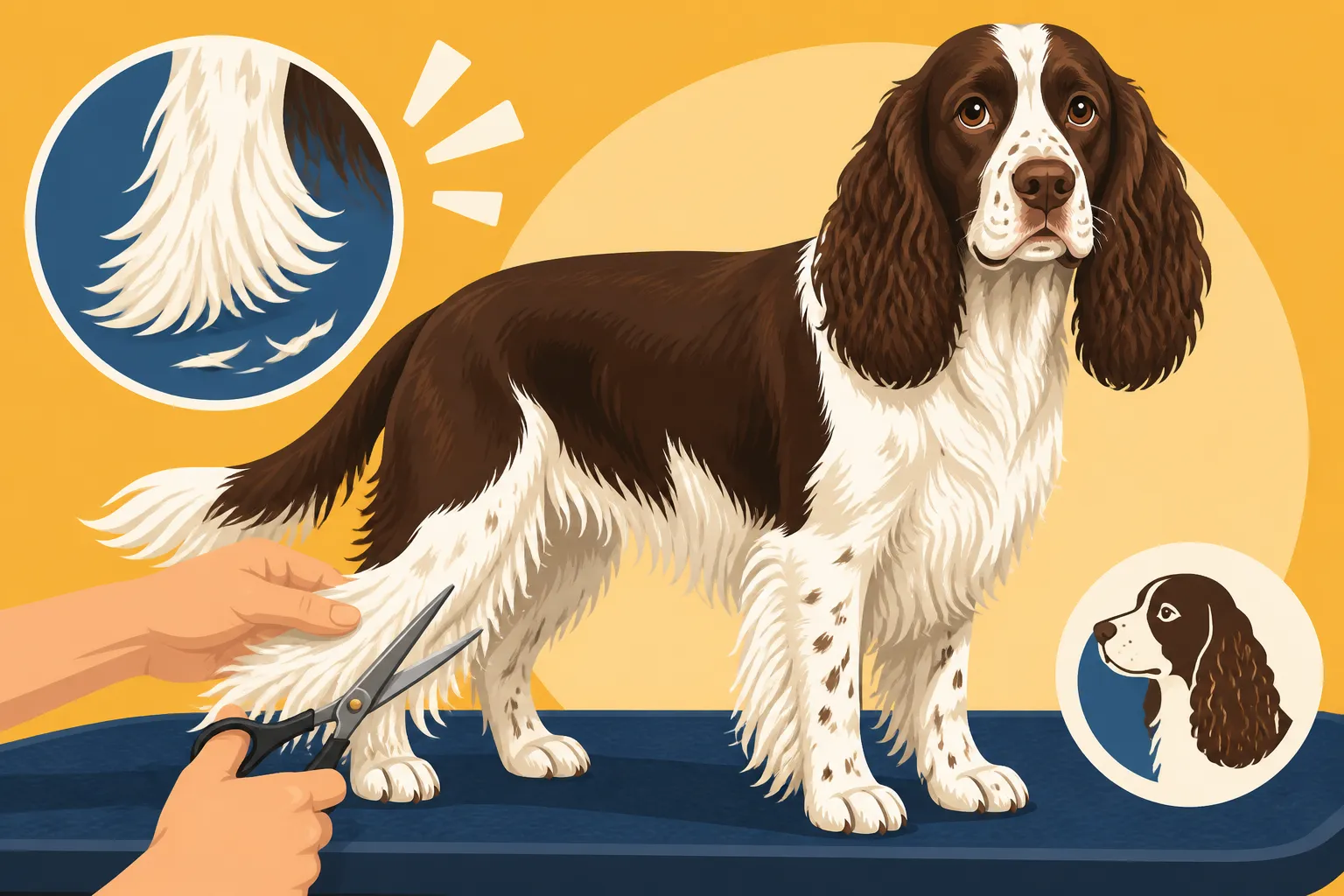
Trimming a Springer Spaniel’s Feathering
Managing an English Springer Spaniel's magnificent feathering can feel like a full-time job, especially when it turns into a magnet for mud, burrs, and mats. This guide is here to walk you through the practical, empathetic process of trimming your Springer's feathering, helping you keep them comfortable, healthy, and looking their best without losing your mind (or your dog's patience!).
Understanding Your Springer Spaniel's Feathering
Those long, silky hairs, particularly on their legs, chest, belly, and tail, are part of what gives a Springer Spaniel their distinctive look. But beyond aesthetics, this feathering serves a purpose. However, that purpose often comes with a significant amount of upkeep, creating a double-edged sword for owners.
The Purpose of Feathering and Its Downsides
Originally, a Springer Spaniel's feathering developed to offer protection as they worked through thick cover and underbrush. It acts like a natural shield against thorns, brambles, and even cold water, keeping their sensitive skin safe. The longer hair on their legs, for instance, helps protect against abrasions, while the chest and belly feathering can offer insulation in chilly conditions. Think of it as their built-in armor, designed for a life in the field.
However, in a modern pet home, this natural protection often becomes a practical nightmare. That beautiful, flowing coat quickly collects every piece of debris imaginable – burrs, twigs, mud, and even ticks find a cozy home within those long strands. What starts as a protective barrier can quickly become a tangled mess, leading to painful mats, skin irritations, and a constant battle to keep your home clean. It's a classic example of a trait bred for function sometimes becoming a frustration in daily life.
Differences Between Field and Show Feathering
It's important to remember that not all Springer Spaniel feathering is created equal. There's a noticeable difference between the feathering you'll find on a field-bred Springer and that of a show-bred Springer. This distinction dictates how much grooming they might need and how often you'll find yourself reaching for the shears. If you're wondering how vastly different these grooming routines can be, you might want to read Two Coats, Two Routines: Field and Show Springer Spaniel Grooming.
Field-bred Springers, often called working Springers, typically have a shorter, denser, and coarser coat with less profuse feathering. This is by design; a lighter, more practical coat means less to snag on undergrowth, less mud to carry, and quicker drying times after a dip in the pond. Their feathering is still present, but it's usually kept neat and trim to prevent it from hindering their ability to move efficiently and comfortably in demanding working environments. For these dogs, functionality always comes first.
Show-bred Springers, on the other hand, are often admired for their abundant, flowing feathering, particularly on their ears, legs, chest, and tail. This emphasizes the breed's elegant outline as dictated by breed standards. While stunning, this luxurious coat requires significant maintenance. Owners of show Springers are very familiar with the challenge of The Feathering a Show Springer Spaniel Drags Through Everything. This often means more frequent brushing, professional grooming appointments, and a meticulous home care routine to keep those long hairs pristine, mat-free, and perfectly sculpted for the show ring.
Essential Tools for Feathering Trimming
Before you dive into trimming your Springer Spaniel's feathering, gathering the right tools is crucial. Trying to manage that beautiful coat with dull or inappropriate equipment is a recipe for frustration for both you and your dog. Investing in good quality tools will make the process smoother, safer, and yield much better results.
Shear Types and Their Uses
When it comes to trimming feathering, you'll want a selection of shears, each designed for a specific purpose. Professional groomers swear by having a variety, and even for home grooming, a few key types will serve you well. You can find many of these essential tools on sites like Amazon or Chewy.
Firstly, you'll need a good pair of straight shears. These are your workhorses for general trimming and cutting off length. Look for a stainless steel pair that feels comfortable in your hand and has a sharp, smooth cutting action. These are best for the main body of the feathering on the legs and belly, where you want a clean, even cut. Always use shears with blunt tips for safety, especially around sensitive areas.
Secondly, thinning shears are invaluable for blending and softening harsh lines. These shears have one regular blade and one notched blade, which allows them to remove only a portion of the hair with each cut. They are fantastic for creating a more natural, feathered look and avoiding that "chopped" appearance. Use them on the top of the legs, chest, and to blend the longer feathering into the shorter body coat. They can also be used to reduce bulk without sacrificing length.
Lastly, curved shears can be incredibly helpful for shaping the feathering around the feet and ears. Their curved blade allows for more precise shaping, following the natural contours of the dog's body, which is particularly useful for achieving a tidy, rounded look on the paws or to follow the curve of the ear leather. While not strictly essential for basic maintenance, they can elevate your grooming results significantly. If you're looking for more details on acquiring these, check out What Clippers for a Springer Spaniel Cost which also touches on shears.
Combs, Brushes, and Drying Aids
Beyond the shears, a few other tools are indispensable for proper feathering maintenance. These items ensure the coat is ready for trimming and that you can identify and address any potential issues.
A sturdy metal comb, often called a Greyhound comb, with both wide and fine teeth, is non-negotiable. This comb helps you work through the feathering, detangling it before you ever pick up shears. It also allows you to part the hair and check for mats close to the skin. After trimming, it's essential for checking your work and ensuring a smooth finish. For daily upkeep, a good pin brush or slicker brush is excellent for working through the feathering, removing loose hair, and preventing tangles. Regular brushing is your first line of defense against mats, especially in the armpits and behind the ears. If you're trying to decide which brush is best, consider Which Brush Suits a Springer Spaniel.
Because you should always trim a clean, dry coat, a good quality dog shampoo and a powerful dog dryer are also crucial. Trying to cut dirty or damp hair is not only frustrating but can damage your shears and lead to uneven results. A high-velocity dryer can significantly reduce drying time and help straighten the feathering, making it easier to see and trim. If you're not using a high-velocity dryer, ensure your dog is thoroughly towel-dried and air-dried completely before attempting any trimming. For ear care specifically, ensure you are using appropriate drying methods as outlined in Whether a Springer Spaniel's Ears Should Be Dried With a Towel.
Here's a quick overview of essential tools:
| Tool Type | Primary Use | Secondary Use (Tips) | Key Areas |
|---|---|---|---|
| Straight Shears | Removing bulk, cutting length, clean lines | Initial trimming of leg, belly, and chest feathering | Legs, Belly, Chest, Tail (length) |
| Thinning Shears | Blending, softening lines, reducing bulk | Creating natural transitions, finessing edges | Top of legs, Chest, Blending points |
| Curved Shears | Shaping around contours, precise rounding | Finishing feet, shaping ear edges, tail plume | Paws, Ears, Tail |
| Metal Comb | Detangling, checking for mats, parting hair | Ensuring coat is smooth before cutting, checking for evenness | All feathered areas |
| Pin/Slicker Brush | Daily grooming, removing loose hair, preventing tangles | Fluffing coat for easier trimming, general maintenance | All feathered areas |
| High-Velocity Dryer | Drying coat quickly, straightening hair | Removing loose hair after brushing, blasting out debris | Entire coat, especially feathering |
Step-by-Step Guide to Trimming Feathering
Trimming your Springer Spaniel's feathering can seem daunting at first, but by breaking it down into manageable steps, you'll gain confidence. Remember, patience is key, and it's always better to take off too little than too much. Your goal isn't necessarily a show-ring perfect cut, but a tidy, comfortable, and healthy coat for your companion.
Preparing Your Springer for Trimming
The foundation of any good groom starts with a well-prepared dog. Rushing this stage will only lead to frustration and a less-than-ideal outcome.
First and foremost, your Springer needs to be clean and thoroughly dry. A bath with a good quality dog shampoo will remove dirt, oil, and loose hair, making the coat much easier to work with. Dirty hair can dull your shears and lead to uneven cuts. After the bath, dry them completely. A high-velocity dryer is excellent for this, as it helps to straighten the feathering and remove any remaining loose undercoat. If you don't have one, diligent towel drying followed by air drying in a warm room is essential. Trying to cut wet or damp feathering will result in a choppy, uneven mess once it dries.
Once dry, brush and comb out the entire coat, paying special attention to the feathered areas. Use your metal comb to ensure there are no tangles or mats. Knots will snag your shears and can cause pain for your dog, making them averse to future grooming sessions. Any existing mats should be carefully worked out with a detangling spray and a comb, or if severe, gently cut out before you begin trimming. Remember, a comfortable dog is a cooperative dog, so take your time and make this a positive experience with plenty of praise and treats. You want your dog to associate grooming with good things, not discomfort. For more on general grooming, consider Whether a Springer Spaniel Owner Can Groom at Home.
Tackling Key Areas: Legs, Ears, Tail, Underside
Now that your Springer is clean, dry, and detangled, it's time to start the actual trimming. Work systematically, section by section, and always keep your dog's comfort and safety in mind.
Start with the legs. For the front legs, comb the feathering down and forward. Using straight shears, trim the length of the feathering to just above the ground when your dog is standing naturally. You want enough length to offer protection but not so much that it drags in dirt or collects debris. Use thinning shears to blend the longer leg feathering into the shorter body coat around the shoulder and elbow, creating a smooth transition. For the hind legs, do the same, trimming the feathering on the back of the leg to a manageable length. Pay attention to the hocks, keeping the hair here neat and tidy to prevent matting and ensure free movement. It’s important to remove any straggling hairs that stick out, aiming for a clean, but not shorn, appearance.
Next, move to the ears. Springer Spaniels are renowned for their beautiful ears, but the long feathering can quickly become a problem, trapping moisture and debris. Gently comb out the ear feathering. Using straight shears, trim the hair on the underside of the ear leather, making sure it doesn't extend past the ear itself. You can also thin the feathering on the edges of the ear to reduce bulk and keep it from getting into food and water bowls. The goal here is to create a clean line around the ear leather, maintaining the natural shape while making it more manageable. Too much hair around the ear canal can contribute to infections, a common issue, as discussed in Why a Springer Spaniel's Ears Are Never Quite Healthy.
Finally, address the tail and underside. For the tail, comb the feathering downwards. Using thinning shears, carefully reduce the bulk of the feathering on the underside of the tail, creating a fan-like, balanced appearance that complements the dog's overall look. You can also trim any unruly strands on the top of the tail. For the belly, especially between the front legs and in the groin area, use straight shears or thinning shears to trim the feathering to a shorter, practical length. This prevents mats in high-friction areas and makes cleaning easier after outdoor adventures. You're not aiming for a bare belly, but rather a tidy, hygienic area that won't collect debris or become matted. Remember, a Whether a Working Springer Spaniel Should Be Trimmed for Cover often requires shorter feathering for practicality.
Blending and Finishing Touches
Once you've tackled the main areas, it's time for the blending and finishing touches. This is where you refine your work and ensure a natural, smooth appearance.
Step back and look at your Springer Spaniel from all angles. Are there any harsh lines? Does one side look different from the other? Use your thinning shears to soften any noticeable lines where the trimmed feathering meets the shorter body coat. Gently comb the hair and snip with the thinning shears, working with the lay of the coat. This technique helps to create a seamless transition, giving your dog a polished, professional look without making it obvious where you've trimmed. Pay particular attention to the blend around the chest, flanks, and where the leg feathering meets the body.
For the feet, comb the hair on the top of the foot down over the nails. Using small, blunt-tipped straight shears, carefully trim the hair flush with the paw pads, making sure no hair hangs over the nails or between the pads. This not only looks tidier but also prevents slipping and collecting debris, which can lead to discomfort or injury. You want a neat, cat-like foot. After trimming, give your dog a final brush-through to remove any loose hairs and admire your work. Remember, practice makes perfect, and each grooming session will build your confidence and skill.
Common Feathering Challenges and Solutions
Even with the best intentions and the right tools, owning a Springer Spaniel means you'll inevitably face certain challenges with their feathering. These aren't signs of a bad owner, but simply inherent traits of the breed's beautiful, yet high-maintenance, coat. Knowing how to address them can save you a lot of headache and vet visits.
Dealing with Mats and Tangles
Mats are the bane of every long-haired dog owner's existence, and Springer Spaniels, with their abundant feathering, are particularly prone to them. These tight knots of fur can be incredibly painful, pulling on the skin, causing irritation, and even hiding skin infections. They form where friction occurs most: behind the ears, in the armpits, on the chest, and along the feathering of the legs. If you've ever wondered Where a Springer Spaniel Mats First, those are your hot spots.
The best defense against mats is prevention through regular, thorough brushing. Daily brushing, especially in areas prone to matting, will remove loose hair and prevent tangles from forming. Use a good quality pin brush or slicker brush, followed by a metal comb to ensure you've reached down to the skin. If you do find a tangle, resist the urge to pull. Instead, use a detangling spray, work a small section at a time, and gently tease the knot apart with the fine teeth of your comb or a mat splitter. Always hold the hair close to the skin when working on a mat to minimize discomfort for your dog. For really stubborn mats that are close to the skin, sometimes the safest and kindest option is to carefully cut them out with blunt-tipped scissors, cutting away from the skin, or by using a mat raker. If a mat is too large or too tight, it's always best to seek professional help from a groomer to avoid injuring your dog.
Preventing Grass Awns and Burrs
For any Springer Spaniel, especially those who spend time outdoors, grass awns (also known as foxtails or grass seeds) and burrs are a constant threat. These insidious plant materials have barbs that allow them to burrow deeply into the coat, skin, and even into body orifices, causing serious problems. Their feathered coats are like natural magnets for these plant invaders. You'll often find them clinging to the long hairs on the legs, belly, and ears after a walk in grassy or wooded areas.
The most effective prevention is a thorough post-outing check. After every walk or outdoor adventure, take the time to meticulously comb through your Springer's feathering. Pay extra attention to the ears, between the paw pads, armpits, and along the belly and legs. How to Find a Grass Awn on a Springer Spaniel involves feeling for small lumps and carefully parting the hair. If you find a burr, gently pull it apart or cut the surrounding hair to release it. For grass awns, carefully remove them with tweezers if they haven't burrowed too deeply. If you suspect an awn has penetrated the skin or entered an ear, nostril, or eye, do not try to remove it yourself, as you risk pushing it deeper. A veterinary visit is crucial in these cases. Keeping the feathering on the legs and belly trimmed to a manageable length can significantly reduce the surface area available for these plant materials to attach, making prevention and detection easier.
Maintaining Healthy Skin Beneath the Feathering
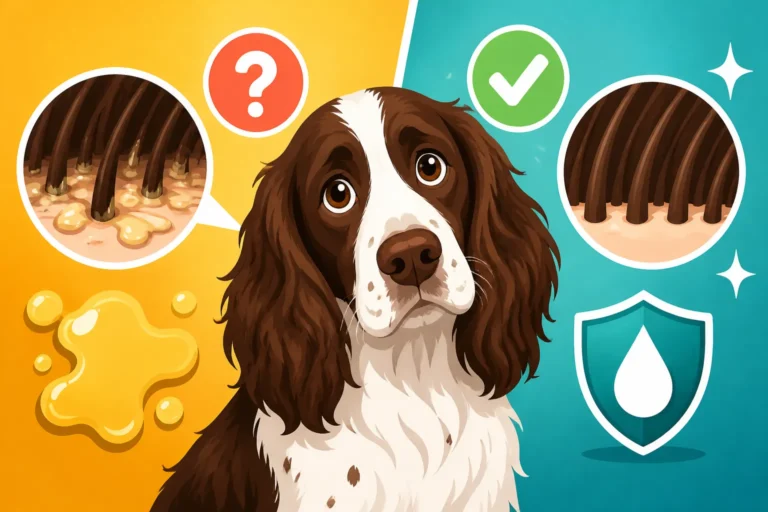
The dense feathering on a Springer Spaniel can sometimes mask underlying skin issues, making it crucial to pay attention to what's happening beneath that beautiful coat. Issues like allergies, hot spots, and general skin irritation can fester unseen, causing discomfort and leading to more serious problems if not addressed. The breed is known for certain sensitivities, so vigilance is key.
Regular grooming isn't just about looking good; it's about checking skin health. As you brush and comb, always be on the lookout for redness, flakes, bumps, scabs, or any unusual odors. These can be indicators of allergies, parasites, or infections. A hot spot, for instance, is a rapidly developing, painful skin infection often triggered by excessive licking, scratching, or flea bites, and it can be hidden by long feathering until it's quite large. For a deeper dive into overall skin health, refer to The Skin Under a Springer Spaniel's Coat.
To promote healthy skin, ensure your Springer is on a high-quality diet, as nutrition plays a significant role in coat and skin condition. Consider supplements like fish oil if recommended by your vet. Regular bathing with a gentle, dog-specific shampoo helps remove allergens and dirt that can irritate the skin. If you notice persistent itching, scratching, or skin problems, consult your veterinarian. They can help diagnose the cause, whether it's environmental allergies, food sensitivities, or a yeast/bacterial infection, and recommend appropriate treatment, which might include medicated shampoos, dietary changes, or oral medications. Brands like Ollie often focus on fresh, high-quality ingredients that can support overall canine health, including skin and coat.
When to Seek Professional Grooming
While home grooming is a fantastic way to bond with your Springer Spaniel and keep them tidy, there are times when calling in a professional is not just helpful but necessary. There's no shame in admitting when a task is beyond your skill set or equipment, especially when it comes to the intricate feathering of a Springer.
Recognizing When You're Out of Your Depth
It's easy to get overwhelmed when faced with a heavily matted coat or a dog that simply refuses to cooperate with your trimming attempts. One clear sign you're out of your depth is when matting becomes severe and widespread. If mats are tight against the skin, covering large areas, or causing your dog visible pain, trying to remove them yourself can be traumatic for your dog and potentially lead to accidental cuts. A professional groomer has specialized tools, techniques, and often a calm, experienced hand to deal with these situations safely and efficiently. They can often demat or even humanely shave a severely matted dog, providing immediate relief.
Another indicator is if you're struggling to achieve an even or desired look, especially if you have a show-bred Springer and want to maintain a specific breed standard trim. Achieving those beautiful, blended lines takes practice and skill that many home groomers don't possess. If your dog is particularly anxious or reactive to grooming, a professional groomer may have the training and gentle handling methods to make the experience less stressful for them. Sometimes, a difficult dog simply does better with a neutral party. Moreover, if your dog develops skin issues that might be exacerbated by improper grooming, or if you're uncomfortable using sharp shears around sensitive areas, a professional can step in. Sometimes, simply knowing the average cost, like What a Full Groom on a Show Springer Spaniel Costs, can help you budget for this essential service.
Finding a Springer Spaniel-Savvy Groomer
Not all groomers are created equal, and finding one who understands the unique coat and temperament of a Springer Spaniel can make all the difference. You want someone who knows how to work with their feathering, not against it, and who is familiar with the breed's specific needs.
Start by asking for recommendations from other Springer Spaniel owners in your area, perhaps through local breed clubs, dog parks, or online communities. A groomer who routinely works with sporting breeds is often a good bet, as they are accustomed to feathered coats and active dogs. When you find a potential groomer, don't hesitate to call and ask questions. Inquire about their experience with Springer Spaniels specifically. Ask about their grooming philosophy, especially regarding handling and dealing with anxious dogs. A good groomer should be happy to answer your questions and even let you tour their facility.
During your initial consultation, pay attention to how they interact with your dog. Do they seem patient and kind? A groomer who takes the time to build rapport with your Springer will provide a much better experience. Discuss your goals for the trim – whether you want a short, practical "field cut" or a more traditional "show trim," they should be able to deliver. They can also advise on maintenance between professional visits and suggest specific products. A professional groomer can be an invaluable partner in keeping your Springer Spaniel's coat healthy and manageable, providing expert care when you need it most.
Disclaimer
This article is for general informational purposes only and does not constitute professional advice. Laws, prices and regulations vary by location and change over time. Consult a qualified professional for guidance on your specific situation.