Water Work and What It Does to a Springer Spaniel’s Ears
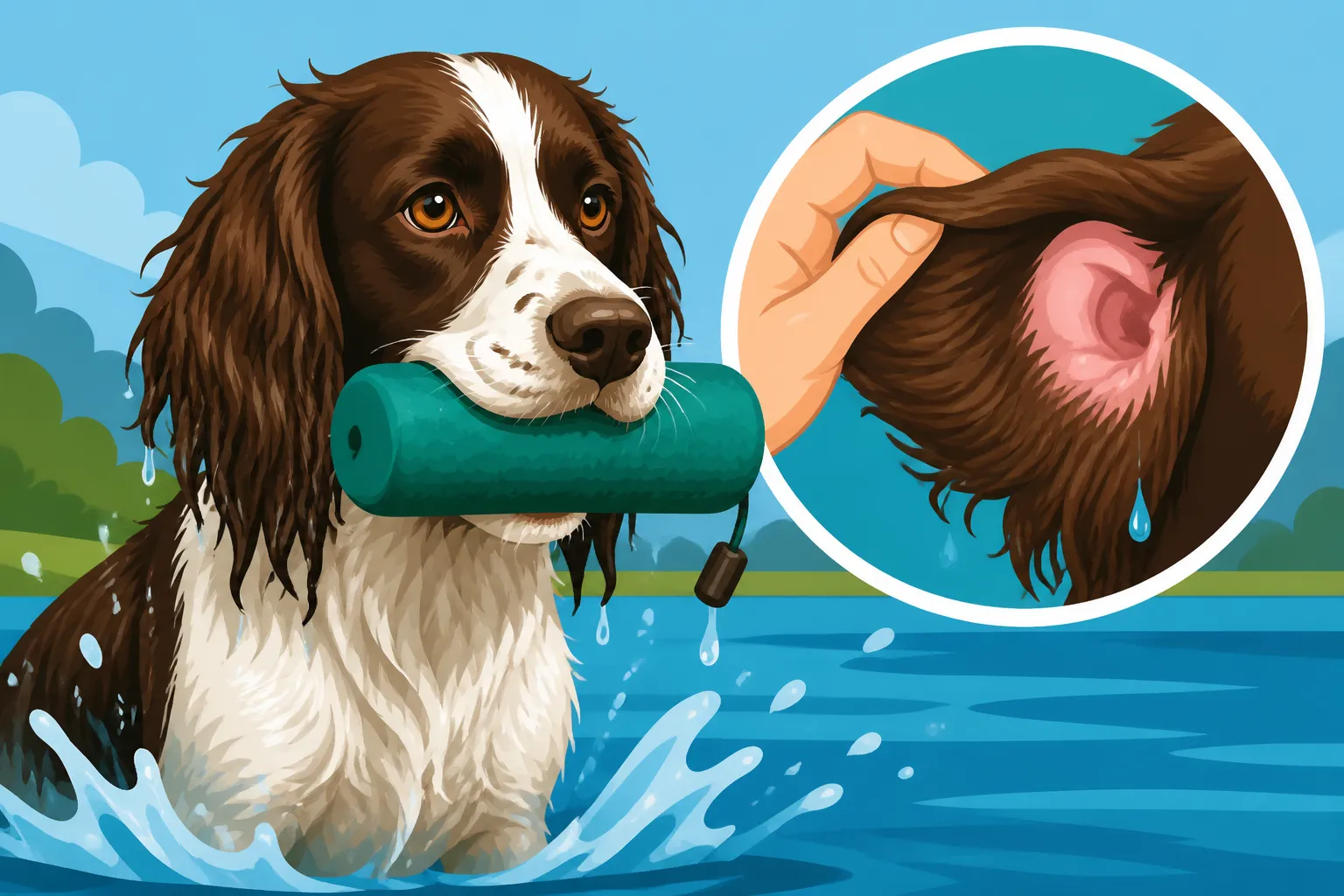
For any English Springer Spaniel owner, the joy of watching their dog plunge headfirst into a pond, stream, or even a muddy puddle is immeasurable. They're built for it, these dogs, with their boundless energy and innate love for retrieving from water. But that very enthusiasm for water work, as delightful as it is to witness, often comes with a hidden cost: persistent, painful ear infections. This guide dives deep into why Springer Spaniels are so prone to ear issues after a good soak, what happens to their ears, and most importantly, how we can help mitigate the risks and keep those lovely, floppy ears healthy and happy.
The Anatomy of a Springer Spaniel's Ear and Why Water is a Foe
You might look at those long, silky ears and think they're just beautiful, a defining characteristic of the breed. And you'd be right, they are stunning! But from a health perspective, particularly concerning water and infection, they're also a bit of a design flaw. Our Springer Spaniels' ears, specifically their structure, create an environment that's practically tailor-made for trapping moisture, dirt, and debris, setting the stage for bacterial and yeast overgrowth. It's a frustrating reality for many owners, balancing their dog's natural instincts with a persistent health challenge.
The Pendulous Ear Flap: A Natural Incubator
Imagine trying to dry something in a dark, warm, humid cupboard. That's essentially what a Springer Spaniel's ear flap does for the delicate structures underneath. Their long, heavy ear leathers hang down, sealing off the ear canal from fresh air circulation. This creates a consistently warm, moist, and poorly ventilated environment—exactly what bacteria and yeast thrive in. When you add water from a swim or even just a damp run through tall grass, that moisture gets trapped, turning a potentially innocuous situation into a breeding ground for trouble. It's like putting a lid on a pot, and for a Springer, that lid is almost always on tight.
This constant lack of airflow means that any moisture that enters the ear canal has a hard time evaporating. Think about how long it takes for a towel to dry when it's folded up in a damp corner versus spread out in the sun. The same principle applies here. The warmth of the dog's body, combined with the insulating ear flap, maintains a perfect incubator temperature. This isn't just a minor inconvenience; it's a significant factor in why our beloved Springers are so susceptible to recurring ear infections. We want them to be dogs, to enjoy their instincts, but we also have to be acutely aware of the physiological challenges their breed characteristics present.
The Twists and Turns of the Ear Canal: A Drainage Challenge
Unlike our relatively straight ear canals, a dog's ear canal is a long, L-shaped tube. It starts vertically and then takes a sharp turn horizontally towards the eardrum. This anatomical quirk is problematic enough on its own for drainage, but when you combine it with the pendulous ear flap and a love for water, it becomes a nightmare. Water can easily enter the vertical canal but struggles to drain out naturally due to gravity and that sharp bend. It pools at the bottom, sitting there and macerating the delicate skin lining the canal.
This design means that even a little bit of water can hang around for hours, even days, if not properly addressed. It’s like trying to drain a sink with a clogged U-bend; the water just sits there. The trapped moisture irritates the skin, making it more vulnerable to infection. Furthermore, any debris, dirt, or wax that might be present is also trapped, creating a richer, more complex environment for pathogens to flourish. Understanding Why a Springer Spaniel's Ear Traps Moisture is key to appreciating the uphill battle we sometimes face as owners.
Hair in the Canal: Another Moisture Trap
Many Springer Spaniels have a fair amount of hair growing inside their ear canals. While not all breeds share this trait, it's common enough in our Springers to be a significant contributing factor to ear health woes. This hair acts like a tiny sponge, soaking up and holding onto moisture and debris, further hindering airflow and drainage. It becomes another layer in the perfect storm of conditions leading to infection, almost like adding insulation to that already warm, moist cupboard we talked about earlier.
The presence of this hair makes it even harder for the ear to dry out naturally after exposure to water. It creates additional surfaces for bacteria and yeast to cling to and grow upon. Some owners debate whether plucking this hair is beneficial, and it's a topic worth discussing with your vet, as improper plucking can also cause irritation. However, the basic principle remains: more obstructions mean more opportunities for moisture and muck to get comfortable, prolonging the damp conditions that promote infection.
The Immediate Effects of Water Exposure on Springer Spaniel Ears
So, your Springer has just had an exhilarating swim, shaking off the excess water with gusto. You might think the worst is over, but for their ears, the real challenge has just begun. The immediate aftermath of water exposure sets the stage for potential problems, and understanding these initial changes can help you act quickly to prevent a full-blown infection.
Moisture Retention and Altered pH: Prime for Trouble
The most obvious immediate effect of water work is, of course, moisture retention. Even with vigorous head shaking, some water inevitably remains deep within that L-shaped ear canal, held in by the floppy ear flap and any internal hair. This trapped moisture isn't just dampness; it creates a localized microclimate. Furthermore, the introduction of external water, especially from lakes, ponds, or even chlorinated pools, can alter the delicate pH balance inside the ear canal. The natural ear environment is slightly acidic, which helps deter bacterial and yeast growth. When water, which can have a more neutral or alkaline pH, gets trapped, it shifts this balance, making the ear a more welcoming habitat for opportunistic pathogens.
This shift in pH, coupled with the warmth and humidity, creates an ideal breeding ground. Bacteria and yeast that are normally present in small, harmless numbers can suddenly multiply rapidly. It’s like changing the soil conditions in a garden; certain plants will thrive while others wither. In the ear, what thrives are the microscopic organisms we want to keep at bay. This is why immediate and proper drying, often combined with an appropriate ear cleaner, is so critical; it restores the natural balance and removes the excess moisture before these organisms get a foothold. You can find a range of suitable drying solutions and cleaners on sites like Chewy or Amazon.
External Irritants: More Than Just Water
It’s rarely just pure, clean water that enters a Springer Spaniel’s ear. Think about where Springers love to swim: ponds with stagnant water, murky rivers, lakes with algae, or even the sea with its salt and sand. Each of these environments introduces a host of external irritants and microorganisms. Pond water might contain bacteria, fungi, and even tiny parasites. Saltwater can be drying and irritating to the delicate skin, leading to microscopic abrasions that make the ear more susceptible to infection. Sand and grit can physically irritate the ear canal lining, creating inflammation.
These foreign bodies and irritants aren't just passive passengers; they actively damage the ear's natural defenses. The skin inside the ear canal is quite sensitive, and prolonged contact with irritants can cause inflammation, redness, and itching, even before a full-blown infection sets in. This initial irritation weakens the skin's barrier function, making it easier for bacteria and yeast to penetrate and cause problems. Think of it like a tiny scratch on your skin that then gets exposed to dirt – it’s much more likely to get infected than intact skin.
The All-Too-Common Ear Shake and Its Consequences
After a good swim, what's the first thing your Springer Spaniel does? A vigorous, head-to-tail shake! While this is their natural way of trying to expel water, it can sometimes have unintended consequences for the ears. While it helps remove some surface water, it doesn't always clear the deeper canal. In fact, sometimes the force of the shaking can cause water to splash deeper into the L-shaped canal. More significantly, persistent, violent head shaking, especially if the ear is already irritated or itchy, can lead to serious physical damage.
One common, though thankfully less frequent, consequence is an aural hematoma. This occurs when the violent shaking causes blood vessels within the ear flap to rupture, leading to a pocket of blood forming between the cartilage and skin of the ear. It looks like a swollen, puffy ear flap and is incredibly painful for the dog, often requiring veterinary intervention and sometimes surgery. While not a direct result of the water itself, it's a direct consequence of the dog's reaction to water trapped in the ear or the ensuing irritation. So, while a little shake is natural, excessive or painful-looking shaking warrants closer inspection.
Chronic Issues Stemming from Water Work
If the immediate effects of water exposure aren't properly managed, or if a Springer Spaniel is particularly prone to ear issues, those short-term annoyances can snowball into frustrating and painful chronic conditions. This is where the true challenge for many owners lies, as recurrent ear problems can significantly impact a dog's quality of life and require ongoing vigilance and care.
Recurrent Ear Infections: A Vicious Cycle
One of the most common and disheartening outcomes of unmanaged water exposure is a pattern of recurrent ear infections, also known as otitis externa. It's a vicious cycle: water gets in, a mild infection starts, it's treated, the dog goes swimming again, and the cycle repeats. Each infection, even when treated, can cause subtle changes to the delicate lining of the ear canal, making it even more susceptible to the next bout. The ear canal can become inflamed and thickened, narrowing the passage and further impeding airflow and drainage. This creates an even more perfect environment for future infections.
Owners often report that their dog seems to get an ear infection every few months, or even weeks, especially during seasons with more outdoor water activities. This constant inflammation is painful for the dog, leading to discomfort, itching, and often a grumpy demeanor. It also means frequent vet visits, which can be stressful for both the dog and the owner, not to mention the financial burden. Breaking this cycle often requires a multi-faceted approach, including diligent preventative care and sometimes addressing underlying issues like allergies. Understanding How Often a Springer Spaniel Gets Ear Infections can help set realistic expectations.
Yeast Overgrowth and Bacterial Blooms
Ear infections in Springer Spaniels are typically caused by either bacteria or yeast, or often a combination of both. When the ear environment becomes warm, moist, and the pH is altered, yeast (most commonly Malassezia pachydermatis, which is normally present in small amounts) can rapidly multiply. A yeast infection typically presents with a foul, sweet, musty odor and a brownish, waxy discharge. Bacterial infections, on the other hand, can produce a range of discharges, from yellowish to greenish, and often smell even fouler. Signs a Springer Spaniel Has an Ear Infection include these changes in discharge and odor, along with other behavioral cues.
The problem with chronic exposure to water is that it repeatedly triggers these overgrowths. What might start as a yeast infection can quickly become a secondary bacterial infection as the ear's defenses are compromised. Treating these infections requires specific medications, often ear drops containing antifungals, antibiotics, and anti-inflammatories. If not completely cleared, these pathogens can lie dormant, only to flare up again with the next swim or bout of humidity, perpetuating the cycle of discomfort for your Springer Spaniel.
Thickening of the Ear Canal: Stenosis and Further Complications
In severe, long-standing cases of chronic otitis externa, the constant inflammation can lead to irreversible changes in the structure of the ear canal. The skin lining the canal can become permanently thickened and hardened, a condition known as stenosis. This narrowing makes the ear canal even more constricted, further reducing airflow and making it nearly impossible for moisture and debris to escape. Medications also have difficulty penetrating the thickened tissues, making treatment much less effective.
Once stenosis sets in, the ear becomes a truly hostile environment, and infections become incredibly difficult to control, leading to constant pain and discomfort for the dog. In some extreme cases, the inflammation can spread deeper, affecting the middle and even inner ear, potentially leading to balance issues, deafness, or facial nerve paralysis. At this stage, surgical intervention, such as a Total Ear Canal Ablation (TECA), might be the only option to provide relief. This is a drastic measure, highlighting the importance of early and consistent preventative care to avoid such severe outcomes.
Preventative Measures for Water-Loving Spaniels
The good news amidst all these potential problems is that many ear issues related to water work can be prevented or significantly minimized with consistent and proactive care. It takes diligence and routine, but it's a small price to pay for a healthy, happy Springer Spaniel who can enjoy their innate love for water.
The Critical Post-Swim Routine: Drying and Cleaning
This is perhaps the single most important step in preventing ear infections after water exposure. Every single time your Springer Spaniel has been swimming, had a bath, or even just gotten wet around the head, a thorough post-swim ear routine is absolutely essential. Simply wiping the visible parts of the ear isn't enough; the real problem lies deeper within the canal. The goal is to remove as much moisture as possible and restore the ear's natural healthy environment.
Start by gently drying the outer ear flap and the visible part of the ear canal with a soft towel or cotton ball. Then, for the deeper canal, you need a specialized ear drying solution. Lift the ear flap, apply the solution as directed, and then gently massage the base of the ear for about 30 seconds. You should hear a squishing sound as the solution moves around. Let your dog shake their head, and then gently wipe away any excess solution and debris that comes out. Consistency is key here; make it a habit, every single time. Drying a Springer Spaniel's Ears After Swimming should become second nature.
The Role of Ear Cleaners and Drying Solutions
Not all ear solutions are created equal, and it's important to differentiate between general ear cleaners and specific drying solutions, although many products offer a combination of both.
- Ear Cleaners: These are designed to break down wax, dirt, and debris, and often contain ingredients that help acidify the ear canal. They are great for regular maintenance and for flushing out the ear.
- Drying Solutions: These often contain alcohol or other agents that promote rapid evaporation of water. They are specifically formulated to tackle the moisture problem.
Your veterinarian can recommend Which Ear Cleaner Suits a Springer Spaniel best, as some contain ingredients that might be irritating to very sensitive ears or those already inflamed. Brands like Epi-Otic or Zymox offer popular ear care lines. You can often purchase these from your vet's office or through online retailers like Chewy or Amazon. Having a quality ear cleaner or drying solution on hand is not an optional extra; it's a fundamental part of responsible Springer Spaniel ownership, especially if your dog loves water.
Here's a simple comparison of common ear care product types:
| Product Type | Primary Function | Key Ingredients (Common) | When to Use | Notes |
|---|---|---|---|---|
| Drying Solution | Rapidly evaporate moisture, acidify environment | Alcohol, boric acid, salicylic acid, witch hazel | After every swim/bath, or heavy dew | Essential for water-loving Springers; prevents bacterial/yeast growth. |
| Antiseptic/Cleaner | Remove wax/debris, kill bacteria/yeast, reduce odor | Chlorhexidine, ketoconazole, salicylic acid | Weekly for maintenance, when ears look dirty | Good for routine prevention and early signs of trouble. Consult vet for severe issues. |
| Medicated Drops (Rx) | Treat active bacterial/yeast infections | Antibiotics, antifungals, corticosteroids | Only as prescribed by a vet for active infection | Requires veterinary diagnosis; do not use indiscriminately. |
| Water Barrier (Ear Plugs) | Physical barrier to prevent water entry | Silicone, wax | During swimming/bathing | Can be tricky to fit and keep in; best for dogs with severe recurring issues. |
Considering Ear Protection for Serious Water Dogs
For Springer Spaniels who are constantly in the water, whether for hunting, dock diving, or just sheer enjoyment, even the most diligent drying routine might not be enough to prevent all issues. In these cases, considering some form of ear protection might be beneficial. Canine ear plugs or ear covers are available, designed to create a physical barrier against water entry. These can be particularly helpful for working dogs who spend hours in wet conditions.
However, getting a dog to tolerate ear plugs can be a challenge. They need to be fitted correctly to be effective and comfortable, and many dogs will try to shake them out. Patience and positive reinforcement training are key. Another option, though less direct in terms of water exclusion, is a snood or ear wrap. While primarily used to keep long ears out of food bowls or protect them from burrs in the field, some thicker, water-resistant snoods can offer a degree of protection against splashes and spray, though they won't prevent water from entering during a full submersion. It's a consideration for those truly dedicated water dogs, and worth discussing with your vet or an experienced gundog trainer. Whether a Springer Spaniel Needs a Drying Solution After Water is a question with a resounding 'yes' for most owners.
Recognizing the Signs of Ear Trouble
Early detection is paramount when it comes to managing ear health in Springer Spaniels. The sooner you spot the signs of irritation or infection, the sooner you can intervene and prevent a minor issue from escalating into a painful, chronic problem. As dedicated owners, we need to be vigilant and know what to look for, beyond just a simple head shake.
Behavioral Cues: Head Tilts, Pawing, and Pain
Your Springer Spaniel can't tell you directly that their ear hurts, but they will certainly show you through their behavior. One of the most common signs is excessive head shaking or head tilting to one side. They might also paw at their ear repeatedly, rub their head along furniture or the ground, or seem generally agitated and uncomfortable. A previously playful dog might become withdrawn, lethargic, or even show aggression if you try to touch their head or ears because of the pain. These are clear indicators that something is amiss.
You might notice them flinching or yelping when you gently touch their ear flap or the base of their ear. Their appetite might decrease, or they might seem less interested in their usual activities. If your dog is a working Springer, you might observe a decrease in their enthusiasm or focus in the field, as the discomfort distracts them. Any change in your dog's normal behavior, particularly if it involves their head or an aversion to being touched, should prompt a closer look at their ears. It’s always best to err on the side of caution.
Visual and Olfactory Indicators: Redness, Discharge, and Odor
Beyond behavioral changes, there are distinct visual and olfactory cues that signal ear trouble. When you lift your Springer's ear flap, you should be looking for a clean, pale pink ear canal without excessive wax or redness. Signs of an infection include:
- Redness and Inflammation: The skin lining the ear canal may appear red, swollen, or even raw.
- Discharge: This can vary in color and consistency. It might be black and waxy (often yeast), yellowish-brown and greasy, or even pus-like (greenish-yellow, often bacterial). The amount can range from a slight increase in waxy buildup to copious discharge.
- Odor: Perhaps the most tell-tale sign, an infected ear often has a distinct, unpleasant smell. Yeast infections tend to have a sweet, musty, or "cheesy" odor, while bacterial infections can smell foul and pungent. This odor can be strong enough to be noticeable even without lifting the ear flap.
Comparing these observations to a healthy ear (if only one is affected) can be very helpful. Pay close attention to these details during your regular grooming and cuddle sessions. A quick sniff and visual check of the ears should be part of your routine. This proactive approach helps in catching problems before they become severe.
When to Consult the Vet: Don't Wait Too Long
If you observe any of the behavioral or physical signs mentioned above, it's crucial to consult your veterinarian promptly. While over-the-counter ear cleaners can sometimes help with very mild irritation, a true infection requires veterinary diagnosis and treatment. Trying to self-treat an infection can mask symptoms, delay proper treatment, and potentially lead to more severe, chronic issues or even drug resistance. Your vet will use an otoscope to examine the ear canal thoroughly and may take a swab for cytology to identify the specific type of bacteria or yeast causing the problem.
Don't wait until your dog is in severe pain or the infection is raging. The longer an ear infection goes untreated, the more difficult and prolonged the recovery can be. An untreated infection can lead to deeper infections (middle or inner ear), permanent damage to the ear canal, or even affect the eardrum. Early intervention means a quicker resolution and less discomfort for your beloved Springer Spaniel. If your Springer Spaniel's ear infection recurs frequently, it’s a strong indication that an underlying cause needs to be identified and addressed by your vet. What Treating a Springer Spaniel's Ear Infection Costs can vary greatly depending on the severity and chronicity, another reason to treat early.
Managing and Treating Ear Infections
Once an ear infection has taken hold, proper veterinary guidance is essential. Managing an active infection involves specific steps to clear the pathogens and alleviate discomfort, while long-term management focuses on preventing recurrence. This often requires a partnership between you, your vet, and a commitment to consistent care.
Veterinary Diagnosis and Treatment Protocols
When you bring your Springer Spaniel to the vet with ear issues, the first step will typically be a thorough examination. The vet will use an otoscope to look deep into the ear canal, assessing the level of inflammation, checking for foreign bodies, and ensuring the eardrum is intact. This is critical because certain medications cannot be used if the eardrum is ruptured. Next, they'll usually take a swab of the ear discharge. This sample is then examined under a microscope (cytology) to identify whether yeast, bacteria, or both are present, and often to determine the specific types.
Based on these findings, your vet will prescribe appropriate medication. This most commonly involves ear drops that contain a combination of antibiotics (for bacterial infections), antifungals (for yeast infections), and corticosteroids (to reduce inflammation and pain). It's incredibly important to follow the dosage and duration instructions exactly, even if the ear seems to improve quickly. Stopping treatment too soon can lead to a relapse and make future infections harder to treat. In some cases, oral medications may also be prescribed, especially if the infection is severe, chronic, or has spread beyond the outer ear. A follow-up visit is often recommended to ensure the infection has completely cleared.
Long-Term Management for Chronic Sufferers
For Springer Spaniels prone to recurrent ear infections, treatment of an active infection is only part of the battle; long-term management is about prevention. This involves a multi-pronged approach tailored to your dog's specific needs.
- Consistent Ear Cleaning/Drying: As discussed, this is non-negotiable, especially after water exposure. Your vet can recommend a specific cleaning schedule and product. What Ear Cleaner Costs a Springer Spaniel Owner Yearly is a minor expense compared to repeated vet visits.
- Addressing Underlying Issues: Often, chronic ear infections are a symptom of something else. Allergies (environmental or food) are a huge culprit. If your dog suffers from recurring infections, your vet might suggest investigating allergies through elimination diets or allergy testing. Hypothyroidism can also sometimes manifest as ear problems.
- Dietary Considerations: While not a cure-all, some owners find that certain diets help with overall skin and coat health, which can indirectly benefit ears. If allergies are suspected, a limited ingredient diet might be recommended. Talk to your vet before making significant dietary changes.
The goal here is to reduce the frequency and severity of infections, thereby improving your dog's comfort and preventing permanent damage to the ear canal. This might involve ongoing preventative ear drops, regular cleaning, and addressing any systemic health issues that contribute to ear inflammation.
Addressing Underlying Allergies
It's a common, frustrating truth for many Springer Spaniel owners: those recurrent ear infections often aren't just about water; they're a manifestation of underlying allergies. When a dog has environmental allergies (like pollen, dust mites, or molds) or food allergies, one of the primary ways their body reacts is with skin inflammation, and the ears are a common target. The inflammation makes the ear canal itchier, redder, and creates an environment where yeast and bacteria can easily take hold.
If your Springer Spaniel experiences frequent ear infections, even with diligent water care, it's crucial to talk to your vet about exploring allergy diagnostics. This could involve an elimination diet trial to rule out food allergies, or blood tests or intradermal skin tests to identify environmental allergens. Managing allergies often involves a combination of approaches:
- Medication: Antihistamines, corticosteroids, or newer medications like Apoquel or Cytopoint can help control allergic itching and inflammation.
- Allergy Shots/Drops: Immunotherapy, tailored to your dog's specific allergens, can gradually desensitize them.
- Bathing: Regular bathing with a hypoallergenic or medicated shampoo can help remove allergens from the skin.
- Environmental Control: Minimizing exposure to known allergens, where possible.
By getting to the root cause of the inflammation, you can significantly reduce the incidence of ear infections and improve your Springer's overall comfort and quality of life. Whether a Springer Spaniel's Ear Infection Recurs is often directly tied to how well underlying allergies are managed.
Disclaimer
This article is for general informational purposes only and does not constitute professional advice. Laws, prices and regulations vary by location and change over time. Consult a qualified professional for guidance on your specific situation.