Whether a Camera Helps a Springer Spaniel Owner
It’s a familiar scenario for many Springer Spaniel owners: you walk out the door, and the moment it closes, a wave of uncertainty washes over you. What exactly is your energetic, devoted companion doing in your absence? Are they quietly napping by the window, or are they experiencing distress, perhaps tearing up your prized cushions or barking incessantly? A pet camera can be an absolute game-changer, offering an unfiltered window into your Springer’s world when you’re not there to witness it.
The Mystery of What Happens When You're Gone
Leaving your beloved Springer Spaniel at home, even for a short while, can stir up a host of anxieties for both you and your dog. You can’t be there to see if they’re content or struggling, and that lack of knowledge can be incredibly frustrating. This is where the magic of a pet camera truly shines, transforming unknowns into valuable insights.
Unmasking Separation Anxiety in Your Springer Spaniel
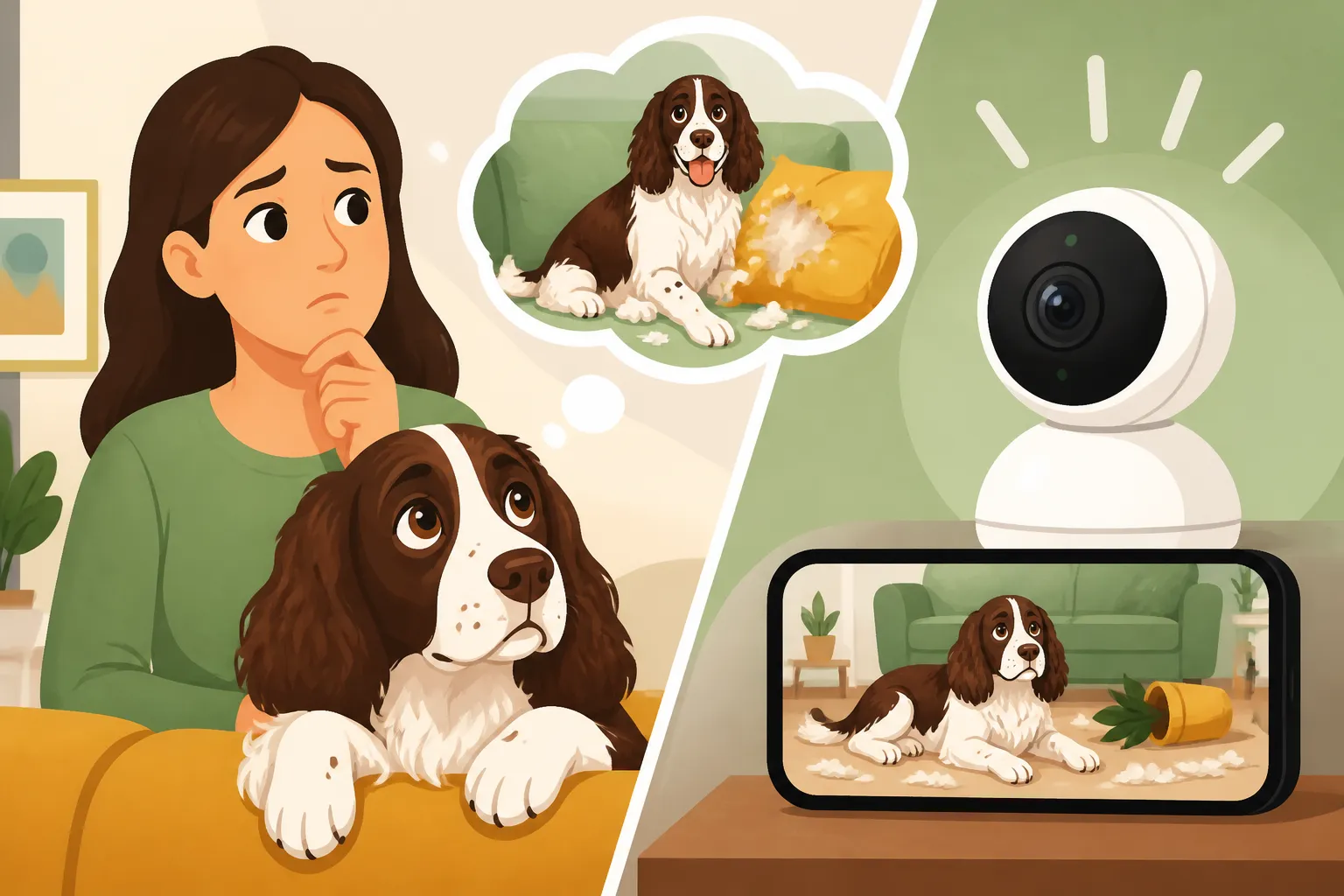
One of the biggest concerns for many Springer Spaniel owners is separation anxiety. These dogs are deeply bonded to their people, and while some handle alone time gracefully, others truly struggle. The problem is, the most telling signs often happen when you’re not there. You might come home to a shredded throw pillow and assume they’re just being naughty, but the camera could reveal a much deeper issue.
Imagine this: you leave for work, and within minutes, your Springer starts pacing frantically. They might whine, cry, or let out mournful barks that continue for extended periods. Sometimes, you’ll see excessive drooling, even if they aren't usually prone to it. Other signs might include persistent attempts to scratch or chew at doors and windows, desperate to get out and find you. These aren't just minor misbehaviors; they're genuine expressions of distress. Without a camera, you'd only see the aftermath – perhaps a wet spot from drooling, or damage to the door frame – and be left to guess at the cause. A camera provides objective, irrefutable evidence, allowing you to actually see these behaviors unfold and understand their severity. It can be heartbreaking to watch, but it's the first step towards helping your dog. Separation Anxiety in a Springer Spaniel is a serious condition that needs accurate diagnosis.
Identifying Destructive Behavior and Its Triggers
Beyond the emotional distress, many Springers, especially younger or under-stimulated ones, can resort to destructive behaviors when left alone. Again, the challenge is understanding why and when these behaviors occur. You might return to find a chewed up sofa leg or an overturned trash can. Was it boredom? Anxiety? Or did something specific trigger it?
A pet camera allows you to observe these instances firsthand. You might discover that your Springer only starts chewing on the baseboards after an hour of silence, suggesting boredom. Or perhaps they only dig at the carpet in the hallway when they hear a specific sound outside, like the neighbor's dog barking or the mail truck. The camera helps you identify patterns. For example, if your Springer Spaniel is usually a pro at being crated but suddenly starts chewing the crate bars aggressively when left alone, a camera can confirm if this is an immediate panic response or a gradual escalation of frustration. Whether a Springer Spaniel Panics When Crated Alone is a critical insight. Without this visual evidence, you’re left with fragmented clues and assumptions. A highly intelligent and active breed like the Springer Spaniel needs appropriate outlets. If they're not getting enough mental or physical stimulation, they're more likely to engage in Whether a Bored Springer Spaniel Destroys Things. Watching the footage can help you connect the dots between your departure, their activity, and any damage, giving you the real story instead of just the puzzling outcome.
Types of Cameras and What They Offer Springer Spaniel Owners
When it comes to choosing a camera for your Springer Spaniel, the options are surprisingly varied. Each type offers different features and benefits, so it's worth considering what you hope to gain from monitoring your furry friend.
Basic Security Cameras for Observation
These are often the most straightforward and budget-friendly options, and they can be incredibly effective for simply observing your Springer’s behavior. Think of popular brands readily available on platforms like Amazon. They typically offer live streaming to your smartphone, so you can check in on your dog from anywhere with an internet connection. Most come equipped with basic features like night vision, which is essential if you're out past dark or if your home is dimly lit during the day.
Motion detection is another common and very useful feature. Instead of watching hours of uneventful footage, the camera can be set to record only when it detects movement. This saves you a huge amount of time during review and ensures you don't miss any critical moments, like when your Springer first starts to pace or vocalize. Many also have recording capabilities, allowing you to save clips directly to your phone or a cloud service. This is invaluable for tracking progress, showing to your veterinarian if health concerns arise, or sharing with a professional dog trainer. These cameras are fantastic for uncovering what goes on when your dog is simply alone, providing that objective, silent observer that you need to truly understand their routine.
Interactive Pet Cameras for Engagement
If you're looking for more than just passive observation, interactive pet cameras step up the game. These devices are designed to offer a level of engagement with your Springer Spaniel even when you're not physically present. A common feature is two-way audio, which allows you not only to hear your dog but also to speak to them. For some Springers, hearing your voice can be a comforting presence, while for others, it might actually heighten their anxiety by reminding them you're gone. It's a tool that requires careful assessment of your dog's individual personality.
Many interactive cameras also include a treat dispenser. This can be a wonderful way to offer positive reinforcement for calm behavior or simply provide a mid-day distraction. Imagine being able to remotely toss a small treat to your Springer when you see them settling down nicely after a period of unease. Some models even come with a built-in laser pointer that you can control from your phone, providing a burst of interactive play. While these features can be engaging, it's important to use them thoughtfully. Continuously interacting with a dog suffering from separation anxiety might inadvertently reinforce their reliance on you, rather than helping them build coping skills for independence. It's a fine line to walk, but for a dog that simply gets bored, a quick game or a dispensed treat can really brighten their day.
Wearable Cameras (with caveats)
While not primarily designed for monitoring what your Springer Spaniel does when left alone indoors, wearable cameras exist and are often used for different purposes. These small, lightweight cameras can be attached to a dog's harness or collar, giving you a "dog's eye view" of their adventures. They're typically used during walks, hikes, or training sessions to capture footage from your dog's perspective.
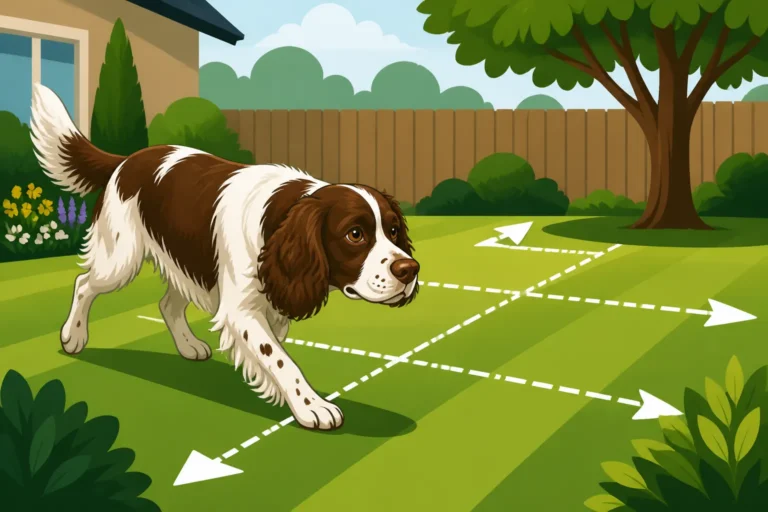
For a working Springer Spaniel, for instance, a wearable camera might show you how effectively they are quartering a field, how they navigate dense cover, or their reactions to scents. However, for the specific goal of understanding alone-time behavior, these aren’t the right tool. They require your dog to be wearing them and are less practical for static indoor monitoring. Our focus here is on understanding what happens when you’re not there to supervise, making fixed indoor cameras far more appropriate and less intrusive for uncovering those hidden behaviors.
How to Use a Camera Effectively for Your Springer Spaniel's Behavior
Simply having a camera is only the first step. To truly get the most out of this valuable tool, you need a strategy for setting it up, analyzing the footage, and integrating those insights into a meaningful training plan for your Springer Spaniel.
Setting Up for Optimal Monitoring
Getting the right angle and coverage is crucial for effective monitoring. Think about where your Springer Spaniel spends most of their time, or where they tend to exhibit problem behaviors. If they're crated, position the camera to have a clear view of the entire crate. If they tend to scratch at the back door, aim the camera there. For general observation, a corner of the main living area, providing a wide view of their usual lounging spots and entryways, is ideal.
Ensure the camera is placed securely, out of paw's reach, and won't easily be knocked over. Good lighting is also key – while many cameras have night vision, natural light provides a clearer picture for behavioral analysis. Pay attention to sound quality too. Many cameras have microphones that can pick up whining, barking, or even the subtle sounds of pacing. You want to capture both visual and auditory cues to get the full picture. The more consistent you are with your monitoring, the more reliable your data will be. Try to record during typical periods of absence, so you can establish a baseline of behavior and then track any changes as you implement new strategies.
Analyzing the Footage: What to Look For
Once you have footage, the real work of understanding begins. Don't just watch for the dramatic moments; pay close attention to the subtle cues and the progression of behavior. Keep a notebook or a digital log to record observations.
Here's a table to help you differentiate between normal and anxious behaviors:
| Behavior | Normal Alone-Time Indication | Anxious Alone-Time Indication |
|---|---|---|
| Vocalization | Occasional bark at outdoor sounds, quiet settling | Prolonged whining, howling, distressed barking |
| Activity Level | Napping, quiet chewing on appropriate toys, looking out window | Pacing, frantically scratching at doors/windows, restless movement |
| Body Language | Relaxed posture, wagging tail when you return, yawning | Tense muscles, low tail carriage, excessive licking/grooming, panting |
| Destructive Acts | Minimal (e.g., occasional toy destruction if bored) | Chewing furniture, tearing up bedding, digging, inappropriate elimination |
| Interaction with Items | Playing with toys, drinking water, going to bed | Ignoring toys, obsessive chewing on specific objects (door frame), avoiding water |
When reviewing footage, note the exact time behaviors begin and how long they last. Does your Springer start to whine five minutes after you leave, or does it take an hour? Does the barking stop after a few minutes, or does it continue for an hour straight? Look for any triggers – did a car pass by, did the mailman arrive, or did another dog bark? This detailed analysis will pinpoint the severity and nature of the problem. Sharing this clear, objective evidence with a professional, such as your veterinarian or a certified dog behaviorist, can be incredibly powerful. They can help interpret the specific nuances of your Springer's actions and guide you towards the most effective intervention. Understanding What a Behaviorist Costs a Springer Spaniel Owner might be worthwhile if the issues are severe.
Integrating Camera Insights into Training
The most valuable aspect of using a pet camera is how it informs your training plan. Without this objective data, you're essentially guessing what to fix. With the camera, you have clear evidence of what needs addressing.
For instance, if the footage shows your Springer immediately panicking upon your departure, exhibiting prolonged vocalization and destructive attempts to get out, you're likely dealing with true separation anxiety. Your training would then focus on very gradual desensitization to your departure cues and building up incredibly short periods of alone time, perhaps starting with just a minute or two, slowly increasing as your dog shows comfort. You might work on impulse control and confidence-building exercises. On the other hand, if your Springer is calm for the first hour but then starts to chew on inappropriate items or pace restlessly, it's more likely boredom or a need for more physical and mental stimulation. In this case, your strategy would shift to ensuring they get adequate exercise before you leave, providing engaging puzzle toys, or even hiring a dog walker for a mid-day break. Whether a Springer Spaniel Needs a Job is a question many owners ask, and cameras can show you just how much "work" they seek out. The camera also becomes a tool for monitoring progress. As you implement new techniques, you can check the footage to see if the duration or intensity of undesirable behaviors decreases. This objective feedback allows you to adjust your training as needed, ensuring you're always heading in the right direction.
Beyond Behavior: Other Benefits of Dog Cameras
While addressing behavioral issues like separation anxiety and destructive chewing is a primary use for pet cameras, their utility extends far beyond just observing bad habits. They offer a comforting layer of security and connection that many Springer Spaniel owners find invaluable.
Health Monitoring and Safety
A pet camera isn't just for young, energetic pups; it can be an absolute lifesaver for monitoring the health and safety of your Springer Spaniel, especially as they age or if they have ongoing medical conditions. Imagine having an older Springer, like many Caring for a Springer Spaniel Past Nine owners do, who might be prone to stiffness or occasional falls. A camera allows you to check in on them, ensuring they haven't stumbled or gotten themselves into a difficult position. You can observe their gait, their general activity level, and whether they're eating and drinking normally.
For dogs recovering from surgery or managing chronic illnesses, a quick glance at the camera can reassure you that they're resting comfortably or that their symptoms aren't worsening. In the event of a sudden illness or accident, such as a dog choking on something or having a sudden seizure, the camera might capture crucial evidence that you can show your veterinarian, aiding in diagnosis and treatment. Furthermore, during severe weather like thunderstorms or fireworks displays, knowing you can peek in on your anxious Springer can provide immense peace of mind. Some Springers are very sensitive to loud noises, and you might notice them trembling or hiding, information that can help you plan better for future events. Managing a Springer Spaniel With PFK Deficiency or other health conditions often involves monitoring their comfort and activity levels closely.
Peace of Mind and Connection
Let's be honest, sometimes the greatest benefit of a pet camera is simply the ability to see your beloved Springer Spaniel. It’s a joy to be able to catch a glimpse of them napping peacefully in a sunbeam, chasing a stray dust bunny, or simply enjoying their quiet time. For owners who work long hours or travel frequently, a quick check-in can significantly reduce worry and foster a feeling of continued connection.
During a busy workday, taking a quick moment to watch your Springer can be a wonderful stress reliever. It’s comforting to know they’re safe and sound, even if they’re just snoozing. For those engaged in remote training programs, such as those offered by organizations like BAXTER & Bella, a camera can be an exceptional asset. You can easily share footage of your dog's behavior with your trainer, who can then offer tailored advice and insights. This kind of collaborative approach leverages technology to enhance the training process, bridging the distance between you, your dog, and your professional support system. It’s not just about catching them doing something wrong; it’s about appreciating their presence and ensuring their well-being, even when you're apart. The feeling of knowing your Springer is okay, happy, or simply resting, is often priceless.
In the end, a pet camera is far more than a surveillance gadget. It's an indispensable tool for understanding your English Springer Spaniel's inner world, offering clarity where there was once only guesswork. From diagnosing separation anxiety and destructive habits to monitoring health and providing invaluable peace of mind, a camera empowers you to be a more informed and proactive owner. It helps you tailor your care and training more effectively, ensuring your devoted companion lives their happiest, most secure life, even when you're away.
Disclaimer
This article is for general informational purposes only and does not constitute professional advice. Laws, prices and regulations vary by location and change over time. Consult a qualified professional for guidance on your specific situation.