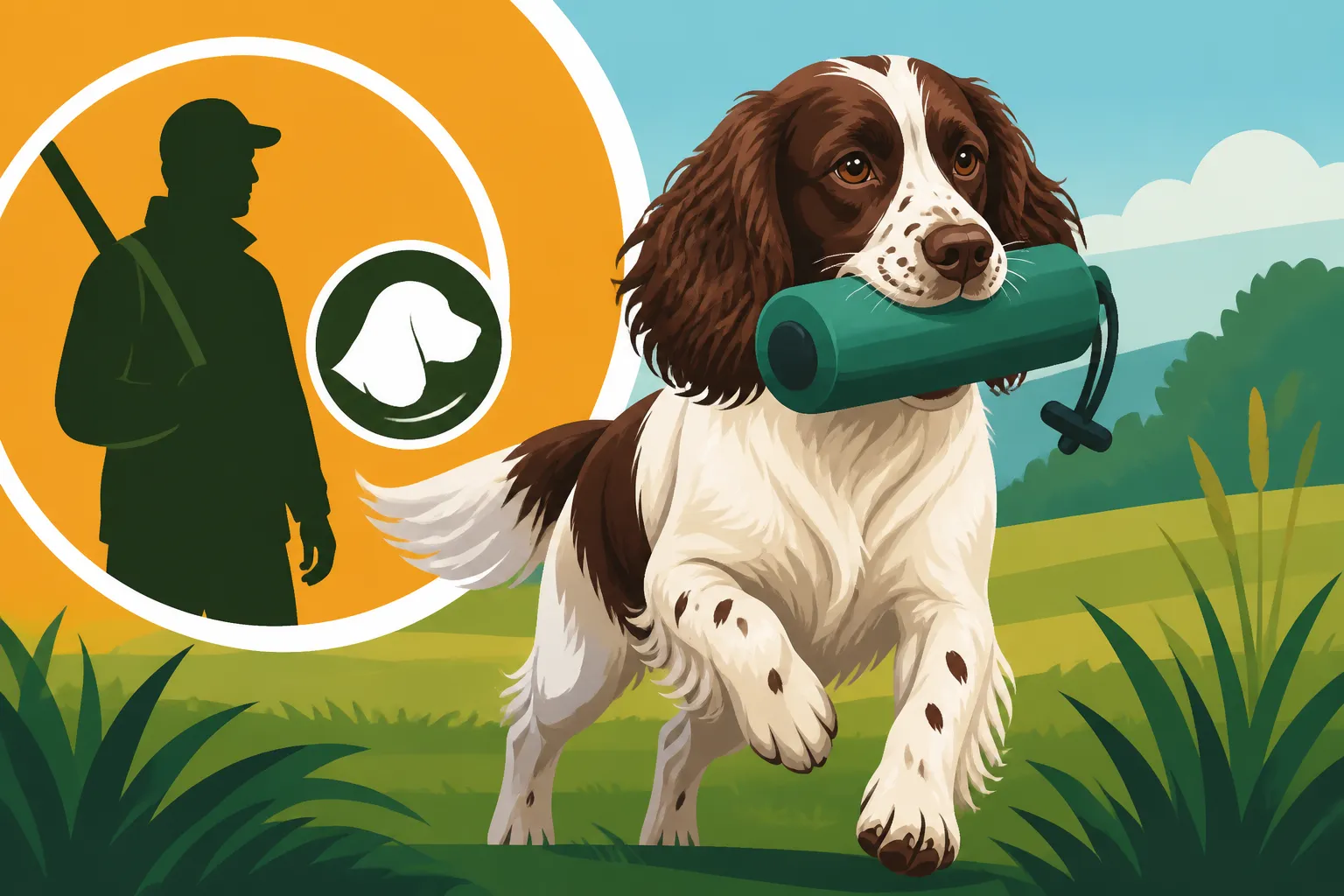
Whether a Springer Spaniel Works Cover Willingly
One of the most defining traits of an English Springer Spaniel is their boundless enthusiasm and their innate drive to explore. But when it comes to "working cover"—plunging through thick brush, tall grass, or dense undergrowth—many prospective owners wonder if their Springer will truly embrace it or if it's something they'll have to force. The truth is, a Springer Spaniel is practically genetically engineered for it, but there are nuances to understand to ensure they do so willingly and safely.
The Springer Spaniel's Innate Drive for Cover
It’s no exaggeration to say that working cover isn't just a learned behavior for a Springer Spaniel; it's deeply ingrained in their very being. This breed was developed over centuries specifically to "spring" game from its hiding places, and those hiding places are almost always in dense, difficult terrain. They possess an incredible combination of intelligence, athletic ability, and an unshakeable desire to please their handler, all of which contribute to their willingness to tackle even the most formidable cover.
Born to Bush Bust
Think about the history of the English Springer Spaniel. They weren't bred to sit prettily on a couch – though many are delightful house pets! They were bred to be active partners with hunters, flushing pheasants, partridge, and rabbits from impenetrable thickets. This isn't just about speed; it's about courage, persistence, and an incredible nose that drives them into places other dogs might hesitate to enter. You'll often see even a young Springer Spaniel puppy, if given the opportunity, dive headfirst into a patch of overgrown weeds, tail wagging furiously. It's not a chore for them; it's an exciting adventure.
This genetic programming means that for most Springers, the desire to push through tangled bushes and long grasses is simply part of who they are. Their bodies are built for it – compact, muscular, with a protective coat and sturdy legs. They have a natural curiosity that compels them to investigate every scent, every rustle, every potential hiding spot. It’s truly a joy to watch them embrace this natural instinct, moving with an elegant power through terrain that would slow down many other breeds.
The Scent Trail Magnetism
The real magic behind a Springer Spaniel's willingness to work cover lies in their extraordinary sense of smell and the powerful instinct to follow a scent trail. To a Springer, a patch of dense cover isn't just a physical barrier; it's a tantalizing tapestry of smells, each one a clue in an exciting puzzle. They put their noses to the ground and methodically quarter the area, working back and forth, weaving through the vegetation with a purpose that is almost mesmerizing to observe.
This isn't random sniffing; it's a focused, deliberate hunt. They're trying to unravel the story the scents tell – where a bird walked, how recently, and in what direction. The thicker the cover, often the more concentrated the scent, making it an even more compelling challenge for their powerful noses. When a Springer vanishes into a dense hedgerow, they aren't lost or ignoring you; they are fully immersed in their work, driven by that primal urge to find and flush. It's a testament to their dedication to their job and their incredible olfactory capabilities.
Understanding Different Types of Cover
Not all cover is created equal, and while a Springer Spaniel is generally willing to tackle anything, understanding the nuances of different types of terrain can help you appreciate their efforts and prepare them appropriately. From light grasses to thorny brambles, each presents a unique challenge and opportunity for your dog to shine.
Light vs. Dense Cover
Light cover, like tall grass fields, open stands of weeds, or thin brush, is usually a walk in the park for a Springer. They’ll bound through it with joy, often leaping to get a better view or just reveling in the feeling of the vegetation brushing against them. This is often where young pups get their first taste of "working" and build confidence. It’s less physically demanding and offers clear lines of communication with their handler. You might even see them "pop" above the grass to check in or gain their bearings.
Dense cover, on the other hand, is the real test of a Springer's mettle. This includes thorny bramble patches, thickets of multiflora rose, tangled briar patches, and dense marsh grass. These areas can be physically challenging, potentially hiding sharp sticks, deep holes, or even snakes. While a well-bred and properly conditioned Springer will plunge into these areas willingly, it requires more energy, focus, and resilience. For these tougher spots, a protective vest might even be a consideration to prevent scrapes and punctures.
| Cover Type | Typical Characteristics | Springer Spaniel Approach | Potential Challenges |
|---|---|---|---|
| Light Grass | Tall, open fields, light weeds, thin hay | Bounding, happy, enthusiastic quartering | Minimal |
| Open Brush | Sparse bushes, low growth, field edges | Methodical, nose to ground, swift movement | Occasional burrs |
| Dense Thicket | Thorny brambles, rose bushes, intertwined branches | Determined, focused, pushing through with power | Scrapes, thorns, tangles, ticks |
| Marsh/Reeds | Waterlogged areas, cattails, tall reeds | Confident, often combines with swimming/wading | Deep mud, water-borne hazards, parasites |
| Heavy Woods | Thick undergrowth, fallen logs, dense foliage | Careful navigation, deep scent work, persistent | Poor visibility, tripping hazards |
Water Cover and Its Appeal
For many Springers, water is just another form of cover, and one they often embrace with even more enthusiasm. Reeds along a pond, cattails in a marsh, or dense riverbank vegetation are all places where game might hide, and a Springer will readily plunge into the water to get at them. This ties directly into their retrieving instincts and their love for swimming. Whether a Springer Spaniel Retrieves From Water The feeling of the water and the rich, damp scents found in aquatic environments are incredibly stimulating for them.
Working water cover means they're not just pushing through vegetation; they're also swimming, wading, and maneuvering through varying depths. This requires excellent physical condition and a strong bond with their handler, as communication can be more challenging. It's a beautiful sight to behold a Springer Spaniel gracefully swimming through reeds, eyes locked on a potential flush, completely undeterred by the environment. Just remember, after a good water session, paying extra attention to their ears is crucial to prevent infections. Why a Springer Spaniel's Ears Are Never Quite Healthy
Factors Influencing Willingness to Work Cover
While most English Springer Spaniels are born with the inherent drive to work cover, their actual willingness can be influenced by several factors. It's not always a guarantee that every Springer will be a fearless bush-buster from day one, and understanding these influences can help you support your dog's natural abilities.
Training and Exposure
The most significant factor, beyond genetics, is proper training and early exposure. A Springer puppy that is gently introduced to different types of terrain in a positive way is much more likely to develop into a confident worker. Start with short excursions into tall grass, making it a fun game with retrieves or hidden treats. Gradually increase the density and challenge of the cover. Positive reinforcement is key here; if you shout or are overly harsh, especially with a "soft" Springer, they can quickly become hesitant. The Soft Springer Spaniel That Shuts Down If You Shout
Consistency is also vital. Regular opportunities to explore and work different types of cover reinforce their natural instincts and build their confidence. A Springer that only ever walks on a leash on pavement won't necessarily lose its drive, but it won't have the experience or conditioning to willingly dive into a thorny thicket. Investing in a good training program, even if it's just basic obedience with a gundog slant, can make all the difference in harnessing and directing that innate willingness. The BAXTER & Bella online puppy program, for example, emphasizes positive reinforcement and building a strong foundation, which can easily be adapted to introduce a puppy to different environments and build their confidence for later cover work.
Physical Condition and Comfort
Even the most enthusiastic Springer won't willingly work cover if they're not physically up to the task or are experiencing discomfort. Their physical condition plays a huge role. A dog that is overweight, out of shape, or suffering from joint issues like hip dysplasia will find pushing through dense cover much more arduous. Ensuring your Springer is at a healthy weight and has good muscle tone is paramount. How Much a Working Springer Spaniel Should Eat
Beyond general fitness, comfort specifically relating to the cover itself matters. A Show Springer Spaniel with excessive feathering, for instance, might pick up more burrs and suffer more tangles than a Field Springer whose coat is typically shorter and coarser. How Short a Field Springer Spaniel's Coat Runs Their paw pads need to be tough and healthy; cuts, cracks, or embedded debris will definitely make them reluctant. Regularly checking their feet and ensuring they’re accustomed to different surfaces can help. If you have a working Springer, you’ll also want to be vigilant about checking their entire body after a session in cover. Burrs, Ticks and Grass Awns in a Working Springer Spaniel
Negative Experiences
Just like humans, dogs remember negative experiences, and a bad encounter in cover can make a Springer Spaniel hesitant to work it willingly again. Imagine a puppy that gets a painful thorn deeply embedded in its paw, or one that has a frightening encounter with another animal hidden in the brush. These incidents, especially if they happen early on, can create an association of pain or fear with dense cover.
It's our job as owners to minimize these negative experiences as much as possible. This means supervising closely, checking known hazards, and being prepared to offer comfort and aid if something goes wrong. If your Springer does have a bad experience, don't force them back into the same situation. Instead, go back to basics, reintroduce them to easier cover, and build their confidence back up slowly with lots of praise and positive reinforcement. Patience is key in overcoming any learned reluctance.
Encouraging and Supporting Your Springer in Cover
Your Springer Spaniel's natural inclination to work cover is a wonderful thing, but it's important to foster and support that willingness. Providing the right tools, training, and care ensures they can continue to do what they love safely and effectively.
Proper Gear and Protection
For Springers that spend a lot of time in challenging terrain, the right gear isn't just a luxury; it's a necessity. A durable protective vest can shield their chest and belly from thorns, sharp sticks, and abrasive ground cover, preventing painful cuts and scrapes. You can find excellent options on platforms like Amazon, designed specifically for working dogs. Remember, even a small puncture can lead to a nasty infection, so prevention is always better than cure. What a Springer Spaniel's Working Vest and Kit Cost
Additionally, consider their paws. In extremely rough or frozen terrain, paw balm can offer some protection, and in severe conditions, dog boots might be necessary. While most Springers have tough pads, prolonged exposure to sharp stubble or icy ground can take its toll. After any session in cover, a thorough check of their entire body for burrs, ticks, and any minor injuries is non-negotiable. This isn't just about hygiene; it's about making sure their next outing isn't tainted by residual discomfort.
Building Confidence and Positive Association
The foundation of a Springer Spaniel's willingness to work cover is a strong, trusting relationship with their handler. Every interaction should reinforce the idea that working cover is a positive, rewarding activity. Start with small, manageable patches of light cover and make it a game. Throw a favorite bumper or toy into the edge of the brush and encourage them to retrieve it. Praise them enthusiastically when they do, and offer high-value treats. The online resources from BAXTER & Bella can be incredibly helpful here, offering structured positive reinforcement techniques that build confidence and make training fun.
Gradually increase the density and duration of their time in cover. Never punish them for being hesitant or for coming out of cover without finding anything. The goal is to make them feel successful and enjoy the process. A confident Springer is a willing Springer, and that confidence is built through consistent positive experiences and a clear understanding of what you want from them. This also extends to their general obedience training; a reliable recall, for example, is essential when they're out of sight in thick cover. Whether a Springer Spaniel's Recall Can Be Trusted
Knowing When to Call It a Day
Even the most driven Springer Spaniel has its limits. It’s crucial for us as owners to recognize signs of fatigue, discomfort, or stress. Pushing a dog past its physical or mental breaking point can quickly turn a positive experience into a negative one, undermining all your hard work. Watch for excessive panting, lagging behind, reluctance to enter cover they usually enjoy, or any signs of limping or discomfort.
Knowing when to call it a day, offer a break, or simply switch to a less demanding activity shows your Springer that you're attentive to their needs. This strengthens your bond and builds their trust, ensuring they remain eager partners for future adventures. Remember, the longevity of their willingness to work cover depends on their overall health and happiness. A Springer Spaniel truly wants to work for you, and by understanding and respecting their capabilities, you can ensure they do so happily for many years (see Whether an Old Springer Spaniel Still Wants to Work).
Disclaimer
This article is for general informational purposes only and does not constitute professional advice. Laws, prices and regulations vary by location and change over time. Consult a qualified professional for guidance on your specific situation.