Whether a Springer Spaniel Panics When Crated Alone
Coming home to find your usually cheerful Springer Spaniel in a state of frantic distress, or worse, having damaged their crate or even themselves, is a truly heartbreaking experience. Many owners grapple with the painful reality of their beloved dog panicking when left alone in their crate. This comprehensive guide will delve into why some Springer Spaniels struggle with solo crating, how to identify the signs of panic, and most importantly, what actionable steps you can take to build confidence and comfort for your dog.
Why Springer Spaniels Struggle with Alone Time
Springer Spaniels are renowned for their affectionate, devoted, and highly social nature. They thrive on companionship and being an active part of their human family's lives. While these traits make them wonderful partners for work and play, they can also contribute to challenges when it comes to being left alone, particularly in a confined space like a crate. It’s not about being "naughty" or "stubborn"; it’s about their innate wiring.
The "Velcro Dog" Tendency
If you own a Springer, you’ve likely experienced the phenomenon of the "Velcro dog." These are dogs that stick to you like glue, following you from room to room, often preferring to nap at your feet or on the same couch. This isn't just a cute quirk; it's deeply ingrained in their breed. For centuries, Springer Spaniels were bred to work closely with humans, often within gun range, constantly checking in and taking direction. This close bond, while desirable in many ways, means they often struggle with isolation.
Imagine a Springer Spaniel puppy, fresh from its litter, where it was never alone. It always had its mother and siblings for comfort and interaction. Then, it comes to a home where it quickly bonds intensely with its new human family. Suddenly, being placed in a crate, even for short periods, can feel like a profound separation, triggering primal anxieties. They aren't just missing you; they can genuinely feel unsafe or abandoned when they can't see or hear their pack. For some, this can escalate into genuine panic. Understanding The Springer Spaniel That Cannot Be Left Alone is crucial here.
High Drive and Boredom
Beyond their affectionate nature, Springer Spaniels are highly intelligent, energetic dogs with a strong working drive. They need both physical exercise and mental stimulation to be truly content. A bored Springer Spaniel is a destructive Springer Spaniel, and this holds true whether they're left loose in the house or confined to a crate. If a dog with this level of energy and intelligence is put into a crate without sufficient preparation, exercise, or mental engagement, they are far more likely to experience distress.
Consider a scenario where a young Springer Spaniel, who hasn't had its morning run or a stimulating training session, is crated for several hours. Its natural instincts to explore, scent, and move are completely stifled. This pent-up energy, combined with the feeling of isolation, can quickly turn into frustration, which then manifests as frantic attempts to escape or general panic. It's not malice; it's simply an overflow of unspent energy and an unmet need for mental engagement. This is why addressing Separation Anxiety in a Springer Spaniel often starts with ensuring their daily needs are met.
Recognizing the Signs of Crate Panic
It's vital to differentiate between a Springer Spaniel who is simply whining a bit because they'd rather be out, and one who is truly experiencing panic or severe anxiety in their crate. The signs can range from subtle to overt and understanding them is the first step towards helping your dog.
Mild Distress vs. Full-Blown Panic
Many dogs will whine or bark briefly when first crated, or perhaps sigh and settle down. This is often a protest, a mild expression of preference. However, true panic looks and sounds different. A dog in mild distress might whimper for a few minutes, then eventually lie down, perhaps with an occasional whine. They might chew calmly on a safe toy.
A Springer Spaniel experiencing full-blown panic, on the other hand, will often exhibit intense, sustained vocalization – loud, frantic barking, howling, or distressed whimpers that don't subside. You might observe heavy panting, drooling, or a glazed, wide-eyed look, even when the temperature is cool. They may spin in circles, frantically dig at the crate floor, or try to escape with intense force. This isn't just a dog being dramatic; it's a dog genuinely feeling fear and helplessness.
Here’s a simple table to help you distinguish between typical whining and more serious panic:
| Behavior | Mild Distress/Protest | Full-Blown Panic/Anxiety |
|---|---|---|
| Vocalization | Intermittent whining, soft barks | Sustained, frantic barking, howling, distressed cries |
| Physical Manifestations | Settles quickly, may sigh | Intense panting, excessive drooling, trembling, urination/defecation in crate |
| Body Language | Relaxed posture (eventually), may lie down | Pacing, frantic digging, chewing bars, wide-eyed, tail tucked or rigid |
| Attempts to Escape | Minimal, perhaps a push on the door | Forceful attempts, chewing wire, bent bars, self-injury |
| Duration | Brief, subsides within minutes | Sustained for long periods, until exhaustion or owner returns |
The Destruction and Self-Harm Indicators
When a Springer Spaniel is truly panicking in their crate, their actions can escalate beyond vocalizations. You might come home to a crate that has been severely damaged – bent bars, chewed-through plastic, or a broken latch. This isn't naughtiness; it's a desperate attempt to escape a situation that feels terrifying to them. They might chew not just the crate, but anything within reach, sometimes ingesting foreign objects which can be a serious health hazard. For more on this, check out Whether a Springer Spaniel Chews Through a Crate.
Even more concerning are signs of self-harm. A dog in a panic might scratch or bite their paws raw trying to dig out, resulting in bloody paws. They might rub their nose or face on the crate bars until the skin is chafed or bleeding. Excessive drooling can lead to soaked bedding and even skin irritation. These are clear indicators that your Springer Spaniel is experiencing extreme stress and fear, and it's a cry for help that needs immediate attention, not punishment.
Strategies for Building Crate Confidence
Addressing crate panic in a Springer Spaniel requires patience, consistency, and a multi-faceted approach. It's about retraining their emotional response to the crate and building positive associations.
Positive Association and Gradual Desensitization
The core of successful crate training, especially for a dog prone to panic, lies in making the crate a truly happy place, not a punishment or a place of isolation. Start by introducing the crate slowly and positively. Leave the crate door open and toss high-value treats and favorite toys inside. Let your Springer explore it at their own pace. Feed meals inside the crate with the door open, slowly progressing to closing it for short durations while they eat.
Once your dog is comfortable eating inside, begin short, supervised sessions. Close the door for just a few seconds, then open it and praise your dog lavishly. Gradually increase the duration. Stay in the room at first, then step out for a few seconds, returning before your dog has a chance to get distressed. The key is to never push too far, too fast. Always return before they start to panic, so they learn that you always come back and that the crate experience ends positively. If you're struggling with the basics, online resources like BAXTER & Bella’s puppy school often have excellent modules on positive crate training that can guide you through these steps systematically.
Enrichment and Routine
A well-exercised and mentally stimulated Springer Spaniel is generally a calmer Springer Spaniel. Before any planned crate time, ensure your dog has had ample physical exercise – a good run, a long walk, or a solid fetch session. Then, engage their brain with some training or a puzzle toy. This tires them out both physically and mentally, making them more receptive to settling in their crate. Consider what How Much Exercise a Field Bred Springer Spaniel Needs to truly thrive.
When it comes to the crate itself, provide high-value, long-lasting enrichment. A KONG stuffed with frozen peanut butter or plain yogurt, or a safe chew toy that takes time to conquer, can be a fantastic distraction and positive association. You can find a wide variety of these on platforms like Amazon. Establishing a predictable routine for feeding, exercise, and crate time also helps. Dogs thrive on routine, and knowing what to expect can reduce anxiety. A consistent schedule helps them understand that crate time is just a part of their day, not an unexpected abandonment.
When Professional Help is Needed
Despite your best efforts, some Springer Spaniels may continue to struggle with crate panic. This isn't a sign of failure on your part, but rather an indication that the underlying anxiety is deeper than what standard training methods can address alone. Knowing when to seek professional help is crucial for your dog's well-being and your peace of mind.
Consulting a Vet and Behaviorist
If your Springer Spaniel is exhibiting severe signs of panic, such as destructive behavior, self-harm, or incessant vocalization, the first step should always be a visit to your veterinarian. They can rule out any underlying medical conditions that might be contributing to the anxiety, such as pain, thyroid issues, or even specific neurological conditions that can manifest as behavioral changes. They may also discuss anti-anxiety medications or supplements that could help take the edge off while you work on behavior modification.
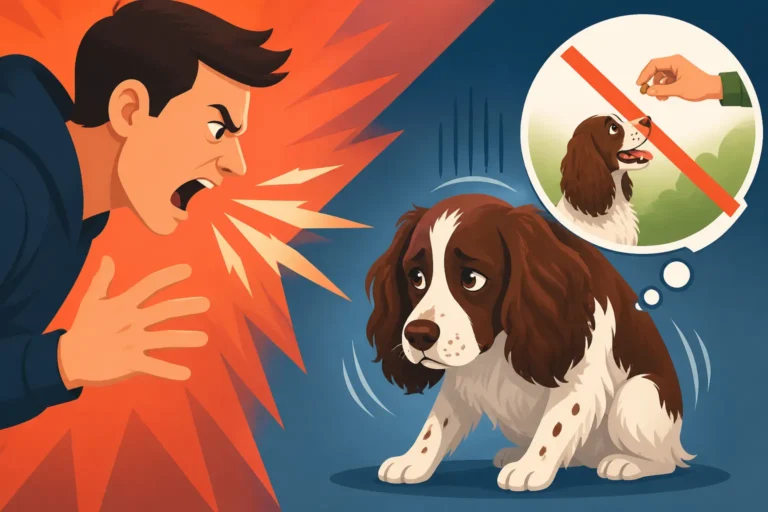
After a clean bill of health from your vet, a certified professional dog trainer specializing in separation anxiety or a veterinary behaviorist is your next invaluable resource. These professionals have the expertise to assess your dog's specific triggers and develop a tailored behavior modification plan. They can guide you through advanced desensitization and counter-conditioning techniques, often involving very gradual departures and specific exercises designed to build your dog's confidence alone. They understand that The Soft Springer Spaniel That Shuts Down If You Shout and will use gentle, positive reinforcement methods.
Tools and Resources for Support
Beyond professional guidance, there are various tools and resources that can aid in managing crate panic.
- Secure Crates: For dogs who attempt to chew or break out, a sturdy, escape-proof crate is essential for their safety. Heavy-duty wire crates or even specialized impact crates can prevent injury and escape. Always ensure the crate is appropriately sized, allowing them to stand, turn around, and lie down comfortably.
- Calming Aids: Your vet might suggest pheromone diffusers or collars, calming treats, or even prescription medication for severe cases. These are typically used in conjunction with behavior modification, not as standalone solutions.
- Monitoring Devices: A pet camera, many available on Amazon, can be incredibly helpful. It allows you to observe your Springer Spaniel's behavior when you leave, giving you objective data on when the panic starts and how it manifests. This information is invaluable for your trainer or behaviorist and helps you time your return during desensitization exercises.
- Online Training Programs: Reputable online resources, like those offered by BAXTER & Bella, can provide structured guidance and support, often with communities where you can share experiences and get advice from other owners and trainers. These programs break down complex training into manageable steps, making it easier for owners to implement.
Remember, addressing crate panic is a journey, not a sprint. With patience, consistent effort, and the right support, you can help your Springer Spaniel feel safe and comfortable when left alone, transforming a stressful experience into a calm part of their routine. Building this confidence can also help them when facing other challenges, as discussed in The First Year With a Springer Spaniel Puppy.
Disclaimer
This article is for general informational purposes only and does not constitute professional advice. Laws, prices and regulations vary by location and change over time. Consult a qualified professional for guidance on your specific situation.