Whether a Springer Spaniel Chews Furniture
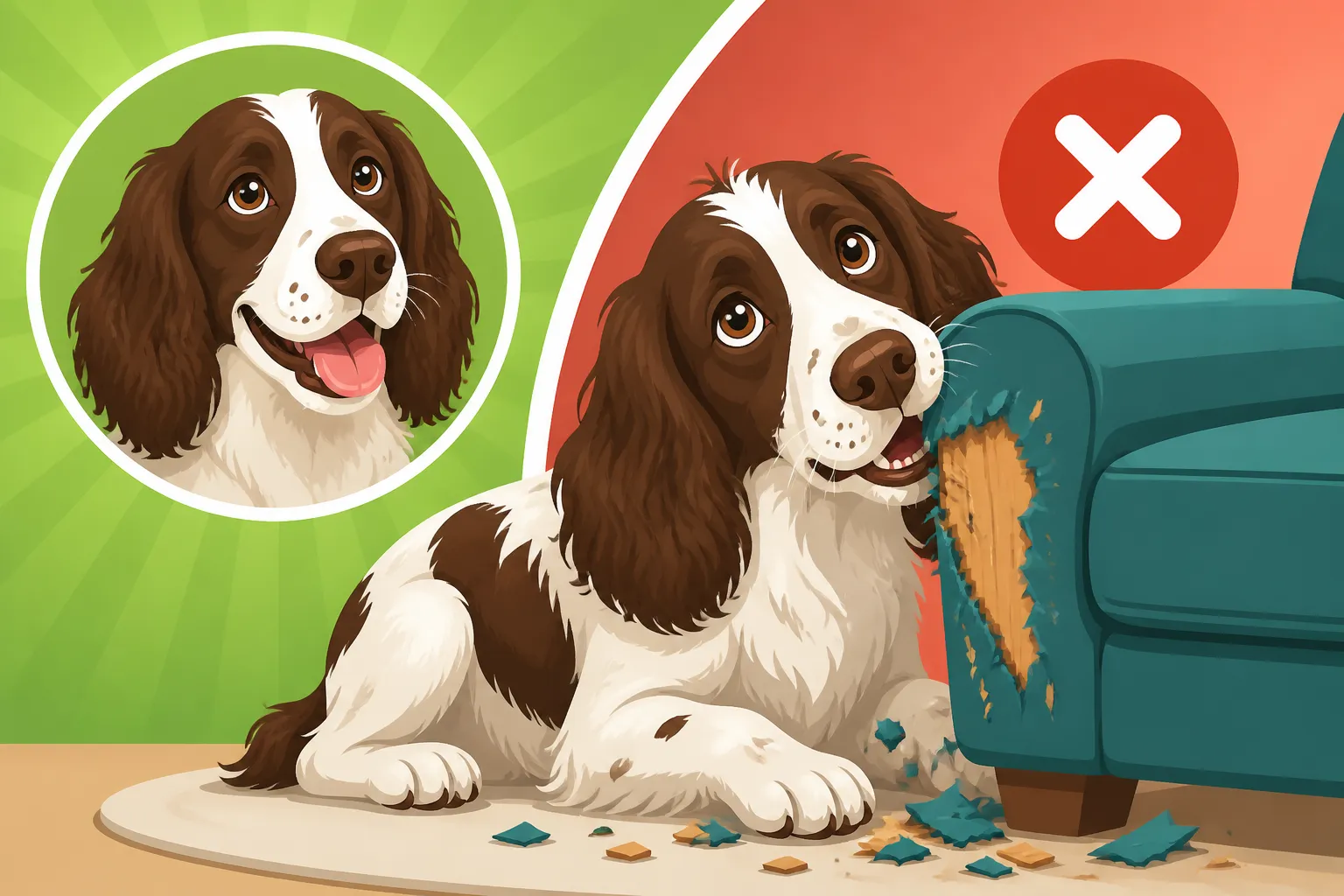
Oh, the sheer frustration of walking into your home only to find that your beloved Springer Spaniel has decided your antique chair leg, or perhaps the corner of your brand new coffee table, makes a perfectly acceptable chew toy. It’s enough to make you tear your hair out! This isn't just about a lost piece of furniture; it's about wondering why your sweet, seemingly well-behaved dog has suddenly developed a penchant for interior demolition. This guide will walk you through the common reasons why Springer Spaniels chew furniture and offer actionable strategies to curb this destructive habit and protect your home.
Understanding the "Why" Behind the Chewing
When a Springer Spaniel chews on your furniture, it's rarely out of spite or malice. Instead, it's usually a manifestation of an unmet need, discomfort, or an innocent exploration of their world. Digging into the root cause is the first step toward finding a lasting solution.
Puppy Teething and Exploration
Let's face it, a Springer Spaniel puppy, with their boundless energy and insatiable curiosity, is going to explore their world primarily with their mouth. Just like human babies, they learn about textures, tastes, and how things respond to pressure by mouthing everything in sight. This phase is completely normal, albeit sometimes exasperating for us humans.
Think about those sharp little needle teeth making their appearance and then falling out, only to be replaced by larger, more permanent adult teeth. This whole process, which typically spans from around three to six months of age, can be quite uncomfortable for a puppy. Chewing provides immense relief for their sore gums, helping to loosen baby teeth and massage the new ones coming in. If they don't have something appropriate to gnaw on, like a durable rubber toy or a frozen treat, then your chair leg suddenly looks very appealing. It's not personal; it's just physics and biology at play. They need to chew, and if you haven't provided a legal outlet, they'll find their own.
Boredom and Lack of Mental Stimulation
This is a big one for our intelligent, high-drive Springer Spaniels. These dogs were bred to work all day, covering vast amounts of ground and using their brains to find and flush game. A Springer isn't content to simply lie on the couch all day, waiting for you to get home. They need a job, a purpose, and plenty of activity.
If a Springer Spaniel isn't getting enough physical exercise, they'll have pent-up energy that needs an outlet. A quick walk around the block isn't going to cut it for a breed that can happily How Far a Springer Spaniel Can Hike for miles. This breed thrives on long, engaging walks, games of fetch, or even structured training sessions. Beyond physical exertion, their sharp minds also require mental exercise. Without it, boredom can quickly set in, and a bored Springer will invent its own entertainment. That often means seeking out textures and objects to chew on, and guess what's readily available? Your furniture. This kind of destructive behavior is often a clear sign that your dog isn't getting the engagement they desperately need. It's not enough to just walk them; you have to tire their brains as well as their bodies. Consider if Whether a Springer Spaniel Needs a Job applies to your situation.
Separation Anxiety and Stress
Sometimes, chewing isn't just about boredom; it's a symptom of a deeper emotional struggle. Separation anxiety is a real and heartbreaking condition where a dog experiences extreme distress when left alone. This isn't just a dog being "naughty"; it's a dog experiencing genuine panic.
If your Springer Spaniel's destructive chewing tends to happen only when you're gone, especially around doorways, windows, or items that smell strongly of you, it could very well be a sign of Separation Anxiety in a Springer Spaniel. Other signs might include excessive barking or howling, pacing, house-soiling, or frantic attempts to escape their confinement. The chewing in this context is a self-soothing mechanism, a desperate attempt to cope with overwhelming anxiety. It's important to differentiate this from simple boredom chewing, as the solutions are quite different. While a bored dog might eventually settle down, an anxious dog's distress can escalate, causing significant emotional and physical harm to themselves, not just your furniture. This situation is incredibly tough on both the dog and the owner, as it can feel like you're constantly battling against an invisible force.
Proactive Prevention Strategies
Once you understand why your Springer Spaniel is chewing, you can implement effective strategies to prevent it. Prevention is always better than cure, especially when it comes to saving your furniture.
Enrichment: More Than Just a Walk
For a high-energy breed like the Springer Spaniel, adequate enrichment is non-negotiable. This means addressing both their physical and mental needs, not just one or the other.
Daily physical exercise is paramount. This breed excels at activities like fetch, running, hiking, and anything that allows them to use their natural retrieving instincts. A field-bred Springer Spaniel, for example, might need significantly more exercise than a show-bred line, often requiring an hour or two of vigorous activity daily. Think about how much ground they would cover in a day if they were actually flushing game! Simply letting them out in the yard isn't enough; they need interactive exercise with you. Beyond physical exertion, mental stimulation is equally vital. Engage their minds with puzzle toys that dispense treats, sniffaris (walks where they're allowed to follow scents), or regular training sessions. Learning new commands, practicing tricks, or even engaging in scent work like Scent Games Tire a Springer Spaniel can be incredibly tiring for their brains. These activities give them appropriate outlets for their intelligence and energy, making them less likely to invent their own destructive games indoors.
Management: Setting Your Springer Up for Success
Sometimes, the simplest solution is to remove the temptation. Puppy-proofing isn't just for puppies; it's a good practice for any dog prone to chewing. If you know your Springer targets a specific table leg, block it off or move the furniture temporarily.
Crate training can be an invaluable tool, especially during the puppy phase or when you need to leave your dog unsupervised for short periods. A crate should be a safe, comfortable den, not a punishment. When properly introduced, it can help prevent destructive chewing by giving your dog a secure space where they can't get into trouble. If you're wondering Whether a Springer Spaniel Puppy Should Be Crated, the answer is often a resounding yes for many owners. Fill their crate with appropriate, durable chew toys to make it an inviting space. Speaking of chew toys, variety is key! Have a rotating selection of different textures and types – rubber toys, dental chews, puzzle toys, and natural chews (always supervised). Brands available on Amazon offer a vast selection of high-quality, durable chew toys that can stand up to a Springer's strong jaws. Make sure they are size-appropriate and safe. For furniture that you simply can't move, consider applying a bitter-tasting spray. These products are designed to deter chewing with a taste dogs dislike, but always test in an inconspicuous area first to ensure it doesn't stain.
Training: Teaching "What to Chew" and "What Not To"
Consistent, positive reinforcement training is fundamental to shaping your Springer's behavior. It’s not just about stopping the bad habits, but teaching them what is acceptable.
When you see your Springer chewing on an appropriate toy, praise them enthusiastically and perhaps offer a small, high-value treat. Make those desirable chew toys the most exciting thing in their world. If you catch them heading for the furniture, interrupt them calmly with a sound (not a shout), redirect them to an appropriate chew toy, and then lavish them with praise when they engage with it. The "leave it" command is also incredibly useful, teaching them to ignore forbidden items. Consistency is key here; every family member needs to be on the same page. For a comprehensive training foundation, resources like BAXTER & Bella provide online programs that can guide you through positive reinforcement techniques, helping you build a strong bond and clear communication with your Springer Spaniel. A structured training regimen not only teaches them good manners but also provides that much-needed mental stimulation.
When Chewing Becomes a Bigger Problem
Sometimes, despite all your best efforts, the chewing persists or escalates. This is when it's crucial to take a closer look and potentially seek professional assistance.
Recognizing Problematic Chewing Patterns
It's one thing for a puppy to chew, but if an adult Springer Spaniel suddenly starts chewing furniture, especially aggressively or obsessively, it warrants attention. This can sometimes signal an underlying issue that needs to be addressed.
Watch for specific patterns. Is the chewing focused on certain items, like electrical cords or sharp objects, which could be dangerous? Is your dog exhibiting other symptoms of distress, such as excessive panting, drooling, or restlessness when the chewing occurs? Sometimes, destructive chewing can be linked to physical discomfort, like dental pain or even gastrointestinal upset. In rare cases, medical conditions can lead to compulsive behaviors, including chewing. If your dog is chewing on themselves – licking or gnawing at their paws or tail – that's a whole other ball game and could indicate allergies, pain, or obsessive-compulsive tendencies. Any sudden change in an adult dog's behavior, especially a destructive one, is a red flag that something deeper might be going on.
| Chewing Type | Primary Cause | Common Solutions |
|---|---|---|
| Puppy Chewing | Teething, exploration, discomfort | Provide variety of safe, durable chew toys; rotate toys; frozen treats; puppy-proof home; crate training. |
| Boredom Chewing | Lack of physical/mental exercise | Increase daily exercise; engage in structured play; use puzzle toys; training sessions; scent work; ensure How Much Exercise a Field Bred Springer Spaniel Needs is met. |
| Anxiety Chewing | Separation anxiety, fear, stress | Consult vet/behaviorist; desensitization protocols; medication if needed (Whether Medication Helps a Springer Spaniel's Separation Anxiety); counter-conditioning; structured routine; crate training (if done positively). |
| Habitual Chewing | Learned behavior, self-rewarding | Redirect to appropriate chews; positive reinforcement; bitter sprays on forbidden items; consistent interruption. |
| Medical Chewing | Dental pain, GI issues, nutritional needs | Vet check-up to rule out underlying health problems. Address specific medical condition. |
Seeking Professional Help
If you've tried the prevention strategies and your Springer Spaniel is still chewing furniture, or if you suspect separation anxiety or another medical issue, it's time to bring in the professionals.
Your first stop should always be your veterinarian. They can perform a thorough physical examination to rule out any underlying medical causes for the chewing. Dental pain, for instance, can make a dog seek relief through chewing. They might also be able to offer insights into anxiety medications if the problem is severe. If the vet clears your dog medically, then consulting a certified professional dog trainer or a veterinary behaviorist is the next crucial step. These experts have the knowledge and experience to assess your dog's specific situation, identify the root cause of the chewing, and develop a tailored behavior modification plan. They can help you implement strategies for things like Separation Anxiety in a Springer Spaniel or teach you advanced obedience techniques. While it might seem like an added expense, the cost of replacing furniture and the emotional toll of dealing with destructive chewing can quickly outweigh what a behaviorist costs (What a Behaviorist Costs a Springer Spaniel Owner). Investing in professional help can save your sanity, your furniture, and most importantly, improve your Springer Spaniel's overall well-being.
Disclaimer
This article is for general informational purposes only and does not constitute professional advice. Laws, prices and regulations vary by location and change over time. Consult a qualified professional for guidance on your specific situation.