Whether Medication Helps a Springer Spaniel’s Separation Anxiety
It’s truly heartbreaking to come home and find your beloved English Springer Spaniel has torn up the couch, scratched frantically at the doorframe, or worse, soiled the house, all while you were just trying to run errands. This isn't naughtiness; it's a profound distress signal, and living with a Springer Spaniel suffering from separation anxiety can be incredibly taxing on both your dog and your family. This guide delves into whether medication can offer a much-needed lifeline, exploring how it works, what types are available, and how it fits into a broader strategy to help your Springer find peace when you're away.
Understanding the Depths of Springer Spaniel Separation Anxiety
Springer Spaniels are renowned for their affectionate nature and their desire to be constantly involved with their people. They are dogs bred to work closely with handlers, to "spring" game from cover and retrieve it, forming an incredibly strong bond. This very trait, while wonderful in many ways, can make them particularly susceptible to separation anxiety. When left alone, a Springer Spaniel might not just be bored; they might genuinely believe they have been abandoned, leading to intense panic.
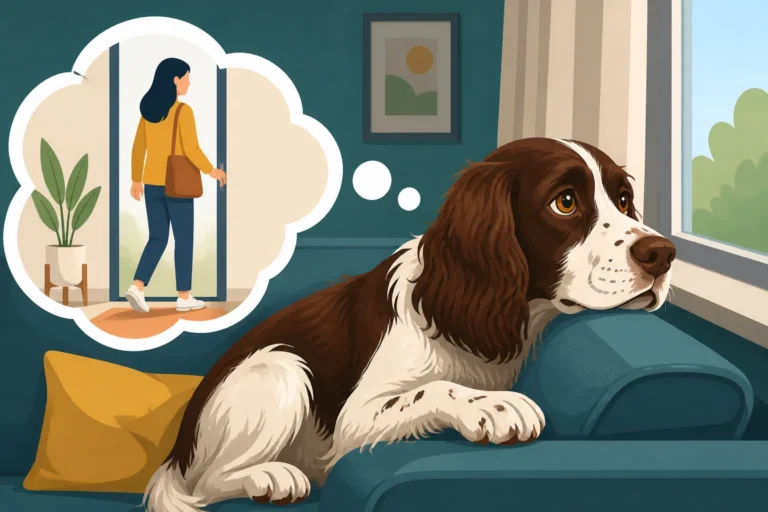
Imagine the world through your Springer's eyes. You, their entire world, suddenly vanish. There’s no explanation, no goodbye they truly understand, just an empty house and a gnawing uncertainty. Their instinct, honed over generations to be near their human companions, screams alarm. This isn't a dog being deliberately destructive; it's a dog in a state of terror, trying desperately to cope or to escape. Common signs of this distress can include excessive barking or howling, destructive chewing targeting doors or windows, frantic pacing, house soiling even when perfectly house-trained, and even self-harm, like licking their paws raw. It's a devastating cycle for both pet and owner.
Many owners feel guilt and frustration, asking themselves what they've done wrong or if their dog is just "untrainable." The reality is, separation anxiety is a complex behavioral issue rooted in genuine fear and panic, not a deliberate act of defiance. It often starts subtly, perhaps with a whimper or two when you leave, and escalates over time, making you dread every departure. If you've been struggling with your Springer's inability to be left alone, know that you're not alone, and there are pathways to help. For more context on this challenging behavior, you might want to read Separation Anxiety in a Springer Spaniel.
The Role of Medication in Managing Springer Spaniel Separation Anxiety
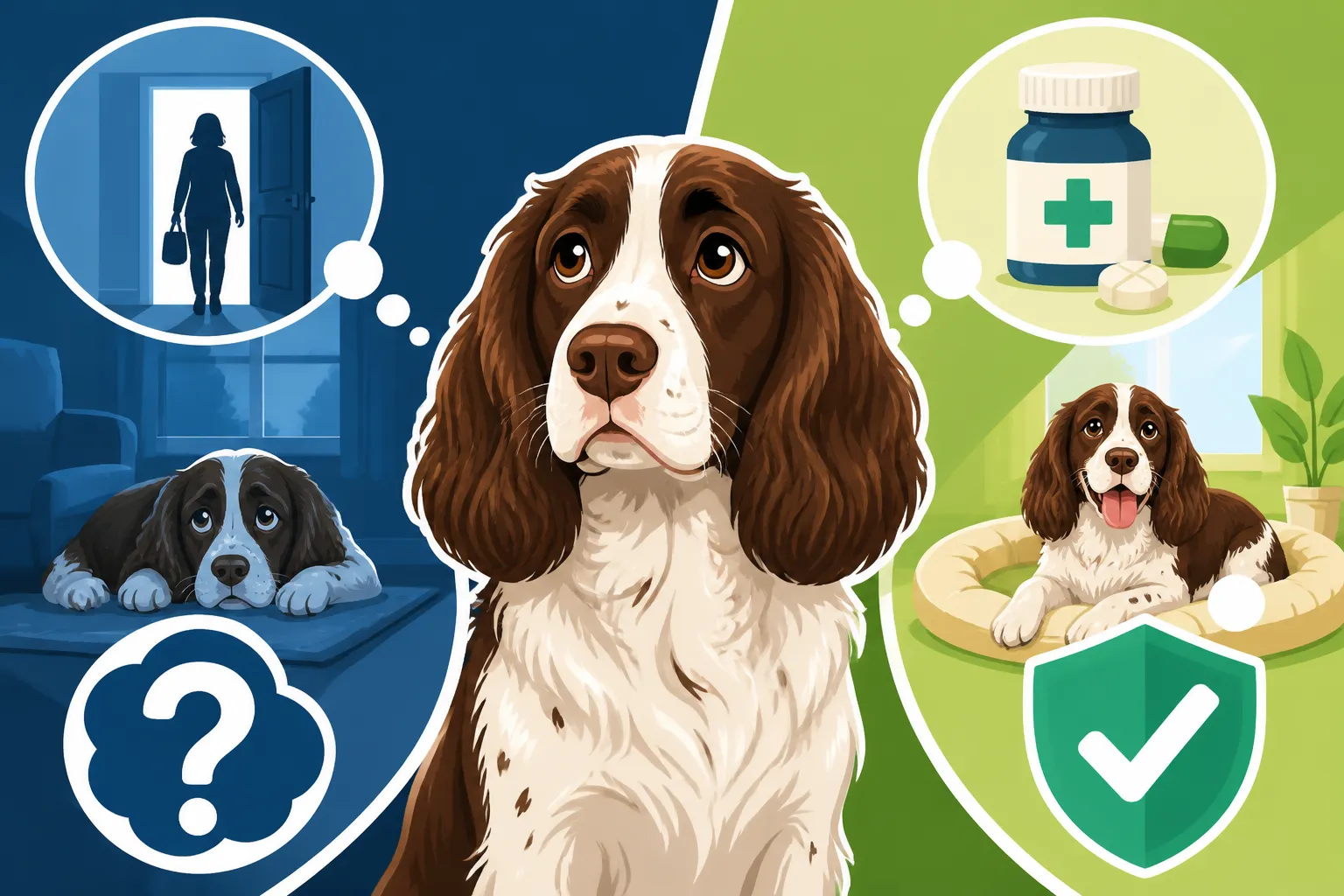
When you're dealing with severe separation anxiety, medication isn't about "drugging" your Springer into submission or making them drowsy. Instead, it's about shifting their brain chemistry just enough to lower their baseline anxiety, allowing them to be receptive to learning new, calmer behaviors. Think of it like this: if you were terrified of public speaking, you might struggle to absorb coaching on presentation skills while actively panicking on stage. But if a small dose of medication could take the edge off your overwhelming fear, suddenly, those coaching tips become much more accessible and effective.
Medication acts as a valuable tool, not a standalone solution. It creates a window of opportunity where your Springer Spaniel can actually process and retain the behavior modification techniques you're trying to implement. Without it, some dogs are so overwhelmed by panic that no amount of classical conditioning or counter-conditioning will make a lasting impact. The sheer intensity of their fear simply overrides their ability to learn. So, when conventional training methods alone aren't making a dent, or the anxiety is causing significant welfare concerns for your dog or damage to your home, discussing medication with your veterinarian becomes a very serious and often necessary consideration. It’s about improving their quality of life, giving them a chance to feel safe and calm, even when you're not physically present.
Common Medications and Their Mechanisms of Action
When considering medication for your Springer Spaniel's separation anxiety, your veterinarian will discuss various options, broadly falling into categories of daily anxiety management or situational calming. It’s crucial to understand that these aren't instant fixes; they work over time and require careful monitoring.
Daily Anxiety Management Medications
These medications are typically prescribed for ongoing use and aim to gradually alter your dog’s brain chemistry, reducing overall anxiety levels. They need time to build up in the system and achieve their full effect, often several weeks.
- Selective Serotonin Reuptake Inhibitors (SSRIs): Just like in humans, SSRIs can be prescribed for dogs. They work by increasing the amount of serotonin in the brain, a neurotransmitter associated with feelings of well-being and happiness. By making more serotonin available, SSRIs can help regulate mood and reduce anxiety over time. Your vet might recommend a specific SSRI known to be effective and safe for canine use. They aren't sedatives; rather, they help your dog cope more effectively with stressful situations by changing their internal emotional state. This can make the desensitization process of leaving them alone much more successful.
- Tricyclic Antidepressants (TCAs): TCAs are another class of medication that can be used for long-term anxiety management. They work on several neurotransmitters, including serotonin and norepinephrine, to stabilize mood and reduce anxiety. Like SSRIs, TCAs take time to reach therapeutic levels in the body. They can also have a mild sedative effect in some dogs, which can be an added benefit initially as you begin behavior modification. Both SSRIs and TCAs require a commitment to daily dosing and patience as you wait for their full effects to manifest.
Situational Calming Medications
Sometimes, a Springer Spaniel might need a little extra help for specific, acute situations, like when you know you'll be gone for an extended period, or during the initial stages of training when the anxiety is still very high.
- Trazodone: This medication is often used for situational anxiety, either alone or in conjunction with a daily anxiety medication. Trazodone works primarily by affecting serotonin receptors, but it can also have a more immediate calming effect, making it useful for those times when you anticipate an anxiety spike. Many owners find it helpful for initial departures or during particularly difficult training sessions.
- Gabapentin: While often used for pain management, gabapentin also has anti-anxiety properties. It can be prescribed as an adjunct to other medications or for situational anxiety, as it helps calm nerve activity. It can offer a useful tool for those initial few weeks while a daily medication builds up in the system, or for specific instances where a rapid calming effect is desired.
Your veterinarian will carefully consider your Springer Spaniel's overall health, existing conditions, and any other medications they are taking before prescribing. They will also advise on potential side effects and what to look out for. It's a conversation that requires honesty about your dog's symptoms and your living situation.
Here’s a simplified overview of common medication types:
| Medication Type | Primary Mechanism | Onset of Action | Common Use Cases | Key Considerations |
|---|---|---|---|---|
| SSRIs (e.g., Fluoxetine) | Increases serotonin levels | Weeks (daily dosing) | Chronic, generalized anxiety, separation anxiety | Requires consistent daily use; not a sedative |
| TCAs (e.g., Clomipramine) | Affects multiple neurotransmitters | Weeks (daily dosing) | Chronic anxiety, separation anxiety | Can have mild sedative effect; consistent daily use |
| Trazodone | Modulates serotonin receptors | Hours (situational) | Acute anxiety, situational stress, adjunct to daily meds | Dosed as needed; can cause drowsiness |
| Gabapentin | Calms nerve activity | Hours (situational) | Acute anxiety, pain management, adjunct to daily meds | Dosed as needed; can cause drowsiness |
Holistic Approaches: Combining Meds with Training and Support
Medication truly shines when it's part of a multi-pronged attack on separation anxiety. It’s not a magic pill that fixes everything; instead, it's a critical piece of a larger puzzle that includes thoughtful training, environmental adjustments, and consistent routines. Without these other elements, medication alone might only mask the symptoms without teaching your Springer Spaniel how to truly cope.
Behavior Modification and Training
The cornerstone of treating separation anxiety is behavior modification. This often involves desensitization and counter-conditioning. Desensitization means gradually exposing your Springer to your departure cues (keys jingling, picking up your bag) in a way that doesn't trigger panic. You might, for example, pick up your keys twenty times a day and put them back down, without leaving, until your dog stops reacting. Counter-conditioning involves associating your departure with something positive, like a special long-lasting chew or a puzzle toy only given when you leave.
A structured training program is invaluable here. Resources like BAXTER & Bella's online training program often provide step-by-step guidance that can be incredibly helpful for owners needing to implement these techniques consistently. They can help you break down the complex process of building confidence in your dog when left alone, from crate training to gradually extending your time away. Consistency is key, and having a plan to follow can make all the difference. Remember, the goal is to teach your Springer that your departures are safe, predictable, and even lead to good things. For further insights on how to gradually accustom your Springer to being alone, consider reading How Long a Springer Spaniel Can Be Left Alone.
Environmental Enrichment and Management
While you're working on the training, managing your Springer's environment is crucial to prevent anxiety from escalating and to ensure their safety. This means making their alone time as comfortable and enriching as possible.
- Safe Spaces: Create a designated "den" for your Springer, perhaps a crate covered with a blanket in a quiet room, or a comfortable bed in a low-traffic area. This should be a place they associate with safety and relaxation, not punishment. If you are struggling with crate training, especially with a dog that panics, explore Whether a Springer Spaniel Panics When Crated Alone.
- Mental Stimulation: Engaging your Springer Spaniel's mind before you leave can help tire them out and make them more likely to rest. This could involve a brisk walk, a game of fetch, or a short training session. When you do leave, provide mental enrichment. Fill a Kong with frozen peanut butter or cream cheese, or give them a durable chew toy. You can find a vast array of these types of enrichment toys and long-lasting chews on platforms like Amazon, which can be a lifesaver for keeping their minds occupied when you're out.
- Calming Aids: Consider using calming diffusers that release canine pheromones, which can have a soothing effect. Some dogs also benefit from compression garments, like a "thundershirt," which applies gentle, constant pressure to help them feel more secure. These are not cures but can be helpful adjuncts in reducing overall stress.
Lifestyle Adjustments and Professional Support
Sometimes, lifestyle changes on your part might be necessary, especially during the initial stages of treatment. This could mean adjusting your work schedule, arranging for a dog walker, or using doggy daycare more frequently to reduce the amount of time your Springer is alone. It’s a temporary sacrifice that can lead to long-term gains in your dog's well-being.
Don't hesitate to enlist professional help. A certified professional dog trainer or a veterinary behaviorist can provide tailored guidance and support, especially if your Springer's anxiety is severe or complex. They can assess your specific situation and help you develop a comprehensive plan that integrates medication, training, and management techniques most effectively. Finding the right professional can be a game-changer. You might find it helpful to look into What a Behaviorist Costs a Springer Spaniel Owner to understand the investment.
Navigating the Veterinary Journey and What to Expect
The decision to use medication for separation anxiety should always be made in close consultation with your veterinarian. They are your primary partner in this journey, and their expertise is invaluable.
The Initial Consultation and Diagnosis
Your first step will be a thorough veterinary examination. This is crucial for two main reasons:
- Rule out medical causes: Some medical conditions can mimic separation anxiety symptoms. For example, urinary incontinence could be mistaken for house soiling, or pain from conditions like Hip Dysplasia in a Springer Spaniel could lead to pacing and restlessness. Your vet will want to ensure there isn't an underlying physical issue contributing to your dog's behavior.
- Assess suitability for medication: Your vet will take a detailed history of your Springer's symptoms, duration, intensity, and any other behaviors. They will consider your dog's age, weight, general health, and any other medications they are currently taking. This information helps them determine if medication is appropriate and, if so, which type would be safest and most effective. They'll also discuss the potential side effects and what to monitor at home.
Don't be afraid to share every detail, even if it feels embarrassing. Your vet needs a complete picture to provide the best care.
Starting Medication and Monitoring Progress
Once your vet prescribes a medication, they will give you clear instructions on dosing. It's incredibly important to follow these instructions precisely. Do not adjust the dosage without consulting your vet, even if you feel it's not working fast enough or if you see minor side effects. Some medications take weeks to build up in your Springer's system and show their full effect. Patience is key.
During this period, keeping a detailed log of your Springer's behavior can be very helpful. Note:
- Departure times and durations: How long were you gone?
- Observed behaviors: What did your dog do while you were away (e.g., barking, scratching, pacing)? Using a camera (many affordable options are available on Amazon) to record your dog when you're out can provide invaluable objective information.
- Medication schedule: When was the dose given?
- Any side effects: Lethargy, upset stomach, changes in appetite.
- Overall anxiety levels: How does your dog seem before you leave and when you return?
Regular follow-up appointments with your vet will be necessary to assess the medication's effectiveness, make any dosage adjustments, and discuss how the behavior modification training is progressing. This collaborative approach ensures that your Springer Spaniel is receiving the most appropriate and beneficial treatment.
Long-Term Management and Weaning Off
For some Springer Spaniels, medication may be a temporary aid, used until they've learned coping mechanisms and their anxiety has significantly reduced through consistent training. For others, particularly those with severe, ingrained anxiety, medication might be part of their long-term management strategy. Your vet will guide you on when and how to gradually reduce or discontinue medication. It's crucial not to stop "cold turkey," as this can lead to a rebound effect and a worsening of anxiety.
The ultimate goal is to improve your Springer Spaniel's quality of life, allowing them to feel safe and content, whether you're home or away. Medication, when used responsibly and in conjunction with dedicated training and a supportive environment, can be a profound step toward achieving that peace for both you and your beloved companion. Finding a good daily routine for your Springer can significantly aid in this process, as discussed in The Daily Routine a Springer Spaniel Actually Needs.
Disclaimer
This article is for general informational purposes only and does not constitute professional advice. Laws, prices and regulations vary by location and change over time. Consult a qualified professional for guidance on your specific situation.