Whether an Adolescent Springer Spaniel Stops Listening
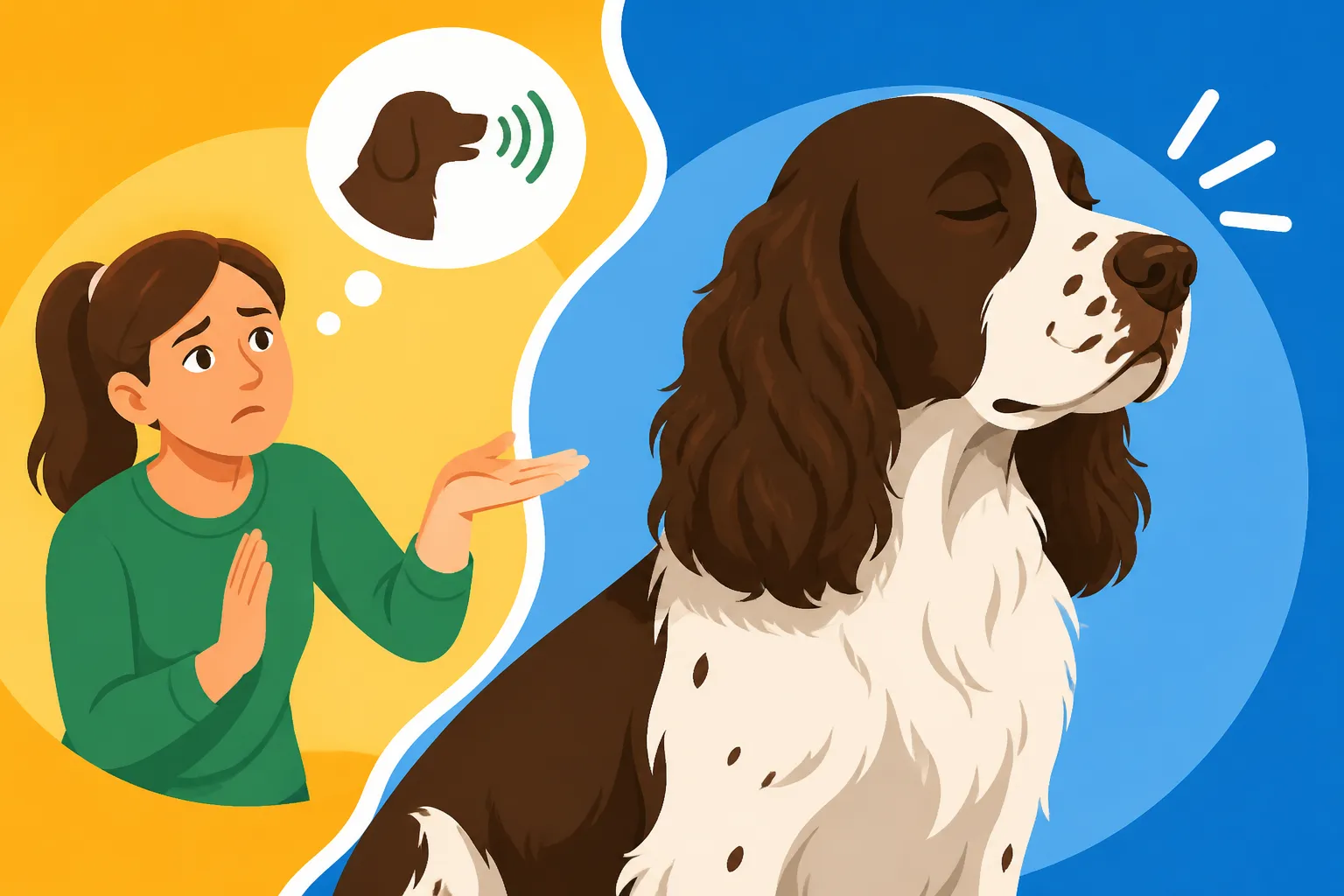
Oh, the joys and bewildering frustrations of a Springer Spaniel hitting adolescence! One minute you have this sweet, eager-to-please puppy who hangs on your every word, and the next, it feels like a switch flips. Suddenly, your previously well-behaved companion seems to have developed selective hearing, boundless energy for mischief, and an uncanny ability to completely ignore commands they once mastered. If you're currently wondering if your adolescent Springer Spaniel has suddenly "stopped listening" and if you're doing something terribly wrong, please know you're not alone. This guide is here to shed light on why this phase happens, what to expect, and most importantly, how to navigate it without losing your sanity or your bond with your beloved dog.
Understanding Adolescent Development in Springer Spaniels
Just like human teenagers, adolescent Springer Spaniels go through a period of immense physical, mental, and hormonal change. It’s not that they deliberately decide to stop listening; rather, their brains are literally rewiring, and their world is expanding in ways that can be overwhelming for them – and for you. This phase usually kicks in around 6-12 months of age and can last until they're about 18-24 months old, sometimes even a bit longer for larger or slower-maturing individuals.
The Teenage Brain: Why They Seem to Forget Everything
During adolescence, a dog's brain undergoes significant development, particularly in the prefrontal cortex, which is responsible for impulse control, planning, and understanding consequences. Sound familiar? It’s the same part of the human brain that makes teenagers impulsive! For your Springer, this means that even if they know a command, their ability to execute it under distraction, or when their own impulses kick in, can plummet. They might perfectly perform a "sit" in your quiet living room, but out in the park with exciting smells and other dogs, that same command might as well be spoken in a foreign language. It's a temporary regression, not a permanent loss of knowledge, but it sure feels like the latter at the moment. It’s as if their working memory has taken a holiday, and their ability to inhibit a natural urge is severely compromised.
Think of it this way: your Springer Spaniel isn't maliciously ignoring you; their brain simply isn't connecting the dots as quickly or reliably as it used to. The neural pathways are still forming, and the drive to explore, play, and test boundaries often overrides the training they've received. This is a crucial time to be patient and understanding, remembering that their behavior often isn't personal. It's just a phase, albeit a very frustrating one.
Hormonal Havoc: The Role of Puberty
Puberty plays a massive role in the changes you're observing. For males, rising testosterone levels can lead to an increased desire to mark territory, explore further afield, and react more strongly to other male dogs. For females, heat cycles bring their own set of hormonal shifts, making them potentially more distractible, anxious, or even irritable. These hormonal surges can contribute significantly to their newfound "deafness" and adventurous spirit. Suddenly, the scent of a female dog in heat down the street can be far more compelling than your urgent call.
These hormonal changes often amplify existing instincts. A male Springer might feel a stronger urge to roam, turning a familiar walk into a game of "catch me if you can." Females might become more protective or wary. It's a profound biological shift that impacts every aspect of their behavior, and it makes consistency in training even more critical. You might feel like you're fighting an uphill battle against nature, and in some ways, you are.
Increased Independence: A Natural Stage
As puppies mature, they naturally become more independent. In the wild, this is when they would start venturing further from the den, learning to hunt and survive on their own. Our domesticated dogs still carry these ancestral instincts. Your adolescent Springer isn't necessarily being defiant; they're simply testing the boundaries of their world and their relationship with you. They want to see how far they can push, how much freedom they can have, and what the consequences (or lack thereof) will be.
This newfound boldness can manifest as ignoring your calls, pulling on the leash, or exploring forbidden areas. They are learning about their environment and their own capabilities. This phase, while challenging, is essential for them to develop into confident, well-adjusted adults. Your job during this time is to guide them, reinforce the rules, and gently remind them that while independence is great, you're still the one calling the shots and keeping them safe. The Age a Springer Spaniel Finally Settles is a common question, and it really does tie into this period of developing independence.
Common Behavioral Changes During Adolescence
The signs that your Springer Spaniel is officially entering their "teenage" phase are often unmistakable, and they can certainly leave you scratching your head, wondering what happened to your perfect puppy. These changes are universal across many breeds, but with a high-energy, intelligent breed like a Springer, they can feel particularly pronounced.
Selective Hearing and Testing Boundaries
This is perhaps the most classic symptom of adolescent dog ownership. Your dog, who once had a rock-solid recall and would sit on command every time, suddenly seems to have forgotten their name. You call, and they might look at you, hesitate, and then go right back to sniffing that interesting patch of grass or chasing a leaf. This "selective hearing" is them actively testing boundaries. They're asking, "What happens if I don't come? Is there a consequence? Is what I'm doing more rewarding?"
They'll push limits not just on recall, but on everything. They might try to sneak onto the couch, steal food off the counter, or decide that potty training rules no longer apply. It's a dance of negotiation, and it requires you to be firmer and more consistent than ever. Every time they get away with something, it reinforces the idea that your rules are flexible. This is a critical time for recall training, and you might find yourself going back to basics. Whether a Springer Spaniel's Recall Can Be Trusted often becomes a major concern for owners during this period.
Energy Surges and Destructive Tendencies
If you thought your Springer Spaniel puppy had energy, wait until they hit adolescence! Their physical capabilities are growing, and their need for mental and physical stimulation often skyrockets. This can lead to what feels like endless zoomies, an increased desire to chase anything that moves, and a sudden interest in redecorating your home with their teeth. A bored adolescent Springer is a destructive adolescent Springer. They might chew furniture, shoes, or even walls if their energy isn't properly channeled.
This isn't about being "bad"; it's about unmet needs. If they don't have enough appropriate outlets for their energy and intelligence, they will find their own, often to your dismay. Providing plenty of exercise, engaging training sessions, and appropriate chew toys (you can find a great selection on Amazon for durable chews) is crucial. Remember, a tired Springer is usually a well-behaved Springer. Whether a Bored Springer Spaniel Destroys Things is a common consequence of insufficient exercise and mental engagement during this period.
Social Dynamics and Fear Periods
Adolescence is also a time when dogs are figuring out their place in the social world. They might become more confident or, conversely, develop new fears. Some adolescent Springer Spaniels go through a "second fear period," where they suddenly become reactive or wary of things they previously ignored. A new person, a strange object, or even a loud noise can trigger an unexpected fearful response. This can be particularly confusing if your dog was a social butterfly as a puppy.
This period requires careful management. Avoid forcing them into situations that scare them, and instead, work on building positive associations with new experiences. Continue their socialization, but do so thoughtfully, ensuring positive interactions with other dogs and people. If your dog starts showing signs of reactivity or aggression, seeking professional guidance from a certified dog trainer or veterinary behaviorist early on is essential. Remember that A Springer Spaniel in a House With Children needs careful guidance during this phase, as their reactions can be unpredictable if not managed well.
Re-establishing Connection and Consistency
When your adolescent Springer Spaniel seems to have grown a second head, it’s easy to feel disheartened. But this isn't the time to give up; it's the time to double down on your efforts with patience and strategic thinking.
Doubling Down on Training Fundamentals
It might feel like you're going backward, but revisiting basic obedience commands is incredibly important during adolescence. Your Springer isn't being stubborn; they're genuinely struggling with impulse control and distraction. Go back to basics in low-distraction environments, rewarding heavily for success, and gradually introduce more distractions. This reinforces the learned behaviors and strengthens their ability to perform under pressure.
- Recall Practice: This is a non-negotiable. Use a long line in a safe, fenced area. Call your dog, and if they hesitate, gently reel them in while continuing to praise. When they reach you, make it a party! Treat them with high-value rewards, enthusiastic praise, and maybe a quick game of tug. You're teaching them that coming to you is always the best option, regardless of what else is happening. Consider checking out online training programs like those offered by BAXTER & Bella, which can provide structured guidance and support for navigating this challenging phase and reinforcing those crucial fundamentals.
- Leash Manners: If pulling has become an issue, work on loose-leash walking in short, frequent sessions. Stop moving every time they pull, and only resume when the leash is slack. This teaches them that pulling gets them nowhere.
- Consistency is Key: Everyone in the household needs to be on the same page regarding rules and commands. If one person lets them jump on the couch while another doesn't, your Springer will get confused and try to push those boundaries even harder.
- How Fast a Springer Spaniel Learns is often quite impressive as puppies, but adolescence can make you question that initial perception. Be prepared for a slower learning curve during this period due to distractions.
Management Strategies for Adolescent Shenanigans
While you're working on training, good management is your best friend. This means preventing opportunities for your Springer to practice undesirable behaviors. You can't train away every impulse, especially when their hormones are raging, but you can control their environment.
- Crating and Containment: A crate can be a lifesaver for preventing destructive chewing when you can't actively supervise. Use baby gates to limit access to certain rooms, keeping valuable items out of reach.
- Supervision: Don't leave your adolescent Springer unsupervised for extended periods, especially when they're prone to mischief. If you're busy, put them on a tether near you or in their crate with a chew toy.
- Exercise and Mental Stimulation: This is paramount for a Springer. Ensure they get ample physical exercise – walks, runs, fetch, swimming – every day. Equally important is mental stimulation through puzzle toys, scent work, and short, engaging training sessions. A tired dog is less likely to be destructive or ignore you. Whether a Springer Spaniel Needs a Job is particularly relevant during adolescence; if they don't have a constructive one, they'll invent their own.
| Behavior | Adolescent Challenge | Management Strategy | Training Focus |
|---|---|---|---|
| Ignoring Recall | Too many distractions, testing limits | Long line, fenced areas, avoid off-leash in risky spots | High-value rewards, "party" recall, gradual distractions |
| Destructive Chewing | Boredom, excess energy, teething | Crate, gates, supervise, provide plenty of chew toys | "Leave it," appropriate chewing redirection |
| Jumping | Over-excitement, seeking attention | Turn away, ignore until calm, keep greetings low-key | "Four on the floor" rule, polite greeting practice |
| Pulling on Leash | Exploring, eagerness | Harness (front-clip), stop-and-go method, short walks | Loose-leash walking drills, attention games |
| Boundary Pushing | Testing rules, increased confidence | Consistent rules from everyone, reinforce "no" zones | "Place" command, "off" command, consistency |
When to Seek Professional Guidance
Sometimes, despite your best efforts, certain behaviors can become overwhelming or dangerous. If you're struggling with severe reactivity, aggression, excessive fear, or if your Springer Spaniel's "not listening" escalates to genuinely concerning behavior, it's absolutely okay – and often necessary – to call in the cavalry.
A certified professional dog trainer or a veterinary behaviorist can assess your specific situation, provide tailored strategies, and help you understand the root cause of the behaviors. They can offer insights into The Soft Springer Spaniel That Shuts Down If You Shout and guide you on positive, effective training methods. They can also rule out any underlying medical issues that might be contributing to the behavioral changes. Don't view seeking help as a failure; view it as a responsible step towards ensuring your Springer Spaniel grows into a happy, well-adjusted adult. Whether a Springer Spaniel Owner Needs a Private Trainer is often considered during this challenging stage for very good reason.
Tools and Resources for Navigating Adolescence
You're not in this alone, and there are many tools and resources designed to help you and your adolescent Springer Spaniel thrive during this tricky phase.
Harnessing the Power of Positive Reinforcement
Positive reinforcement is your most powerful tool. It involves rewarding desired behaviors, making it more likely that your dog will repeat them. This is particularly effective with Springers, who are typically eager to please and highly motivated by treats, praise, and play. During adolescence, when their brains are easily distracted, high-value rewards become even more important.
- High-Value Treats: Don't be afraid to use really good treats (like cooked chicken, cheese, or hot dogs) during training sessions, especially when working on recall or in distracting environments.
- Varied Rewards: Mix up your rewards. Sometimes it's a treat, sometimes it's a favorite toy, sometimes it's enthusiastic praise and a belly rub. This keeps them engaged and guessing.
- "Paycheck" Training: Think of training as paying your dog for their work. The harder the task or the higher the distraction, the bigger the "paycheck" (reward) should be.
- Whether Positive Training Alone Works on a Springer Spaniel is a common question, and the answer is a resounding yes! It builds a strong, trusting bond and encourages your dog to want to work with you.
Smart Tools for Management and Training
Beyond just treats and praise, some physical tools can make managing an adolescent Springer Spaniel much easier and safer.
- Long Lines: Essential for recall practice in open, safe spaces. A 15-30 foot long line gives your Springer a sense of freedom while keeping them safely connected to you. You can find these easily on Amazon.
- Front-Clip Harnesses: If your Springer is pulling on the leash, a front-clip harness can help redirect their momentum, making walks more pleasant for both of you without causing discomfort.
- Interactive Toys and Puzzles: These are fantastic for mental stimulation, especially when you need to keep your dog occupied indoors. Kongs filled with peanut butter or wet food, snuffle mats, and puzzle feeders can burn mental energy effectively.
- Online Training Programs: As mentioned earlier, structured online courses can provide a wealth of information and step-by-step guidance. Platforms like BAXTER & Bella offer comprehensive puppy and adolescent programs that you can follow at your own pace, addressing common challenges with expert advice. These programs often include video tutorials, live Q&A sessions, and a supportive community, which can be invaluable when you feel overwhelmed.
- The First Year With a Springer Spaniel Puppy sets the foundation, but adolescence requires a renewed focus on reinforcing those early lessons.
Adolescence in a Springer Spaniel is undoubtedly a challenging phase, but it's a temporary one. By understanding why your dog is behaving this way, being consistent with your training, and providing ample exercise and mental stimulation, you can guide them through this period and help them develop into the wonderful adult companion you know they can be. Patience, humor, and a deep breath will be your best allies!
Disclaimer
This article is for general informational purposes only and does not constitute professional advice. Laws, prices and regulations vary by location and change over time. Consult a qualified professional for guidance on your specific situation.