How Much Exercise a Field Bred Springer Spaniel Needs
Many Springer Spaniel owners, especially those with field-bred lines, quickly discover that their dog's energy levels aren't just high—they're stratospheric. It's a common frustration to feel like you're constantly trying to keep up, wondering if your furry friend will ever settle down and stop bouncing off the walls. This comprehensive guide will dive deep into exactly how much exercise a field-bred English Springer Spaniel truly needs to be a happy, well-adjusted member of your family, offering practical strategies and insights for even the busiest owner.
Understanding the Field-Bred Drive
Field-bred English Springer Spaniels are not just pets; they are pure athletes, bred over generations for a very specific and demanding job. Their entire genetic makeup is geared towards working tirelessly in the field, often flushing game for hunters. This isn't just a quaint historical fact; it profoundly impacts their daily needs and behavior, making them fundamentally different from their show-bred cousins who, while still active, typically carry less intense drive.
The Historical Purpose of the Field Springer
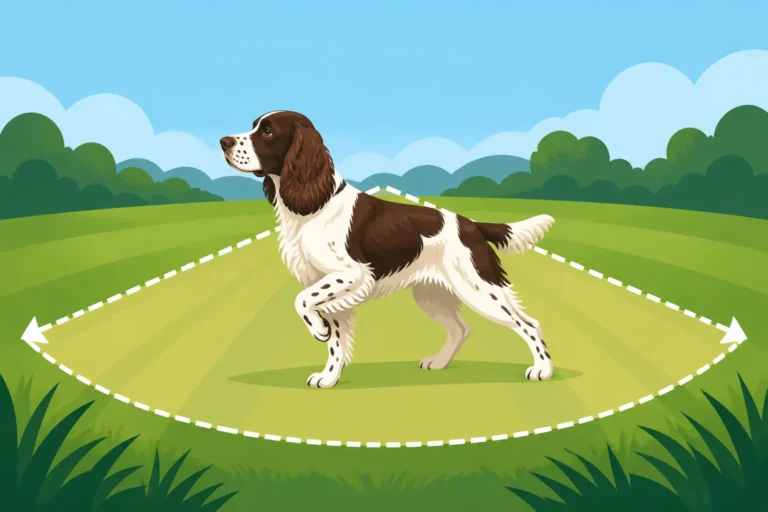
Imagine a crisp autumn morning, a hunter making their way through dense cover, and a dog ahead of them, quartering back and forth, nose to the ground, flushing pheasants and grouse from their hiding spots. This is the image of the English Springer Spaniel at work, and it's what they were literally made to do. Their name comes from their ability to "spring" or flush game into the air for the gun. They weren't just running around; they were actively searching, problem-solving, and utilizing every ounce of their keen scenting ability. This history means they are inherently driven to move, to explore, and to use their brains as much as their bodies. It’s a job that requires endurance, agility, and immense focus.
When you bring a field-bred Springer home, you’re essentially adopting a canine athlete whose ancestors have been perfecting this exact skill set for centuries. They haven't forgotten their roots. The impulse to quarter a field, to follow a scent trail, to retrieve a fallen bird—it’s all hardwired. They derive immense satisfaction from these activities, and simply going for a short walk on a leash, while nice, often barely scratches the surface of their deep-seated needs. This intense drive is what makes them such incredible working dogs, but it also presents a significant challenge for owners who aren't actively hunting with them. They need an outlet for that intrinsic drive, or it will manifest in ways that are less than ideal for a family home.
Genetic Wiring for Endless Energy
It’s not an exaggeration to say that field-bred Springer Spaniels are wired differently. Their genetics predispose them to high energy, incredible stamina, and a relentless desire to work. This isn't just about speed or strength; it’s about sustained effort. They can run, jump, and weave through challenging terrain for hours without flagging. This genetic blueprint means that while other breeds might be content with a brisk walk or a game of fetch in the yard, a field Springer is often just getting warmed up after similar activities. Their metabolism, muscle structure, and even their mental processing are all optimized for sustained activity.
Think of it like this: a high-performance sports car needs to be driven to truly function as intended. You wouldn't buy a Ferrari and then only drive it to the grocery store once a week. Similarly, a field-bred Springer is built for performance. If that energy isn't channeled into productive outlets, it becomes pent-up, leading to frustration for both the dog and the owner. Owners often describe them as having an "on" switch that's always stuck, or a battery that never seems to run out. This isn't a flaw; it's a feature of their breeding, and understanding it is the first step toward managing it effectively. A short walk might be exercise for you, but for your field-bred Springer, it's really just a warm-up.
The Mental Need for a "Job"
Beyond the physical exertion, field-bred Springers have a profound mental need for a "job." Their ancestors didn't just run; they sought, found, and reported. This means their brains are wired for problem-solving, focus, and intricate communication. Without mental stimulation, their vast physical energy often feels even more overwhelming. A tired body isn't enough; they need a tired mind too. This "job" can take many forms, from formal gundog training to advanced obedience, agility, nose work, or even complex puzzle toys. They thrive when they have a purpose.
If their minds aren't engaged, they will find their own "jobs"—and these usually aren't the ones you'd prefer. Digging up your prize-winning roses, meticulously disassembling your sofa cushions, or barking incessantly at squirrels through the window are all common manifestations of a field Springer trying to give itself a purpose. It's not maliciousness; it's an intelligent, driven dog attempting to fulfill an innate need. Engaging them mentally through training, scent games, or even just teaching new tricks can be just as exhausting, in a good way, as a long run. A good training session, especially one that involves hunting-like activities such as retrieving hidden items, can tire them out almost as much as physical exercise. Whether a Springer Spaniel Needs a Job is a question with a resounding "yes" for these lines.
Quantifying Daily Exercise Requirements
So, we know they need a lot, but what does "a lot" actually look like in practical terms? It's not a one-size-fits-all answer, as factors like age, individual temperament, and even diet can influence a field Springer's exact needs. However, there are solid benchmarks and types of activities that will go a long way in ensuring your dog is adequately exercised and well-behaved.
Minimum Daily Structured Exercise
For a healthy, adult field-bred English Springer Spaniel, you're generally looking at a minimum of 1.5 to 2 hours of vigorous, structured exercise per day. And when I say "vigorous," I don't mean a leisurely stroll around the block where they stop to sniff every lamppost. We're talking about activities where they are running, leaping, and actively engaging their bodies. This might look like a solid 45-60 minute off-leash run in a safe area, followed by another hour of fast-paced fetch, swimming, or active training later in the day. Even better if that exercise can be broken into two or three sessions.
Many owners find success with a substantial morning outing, perhaps a long jog or a session of active retrieving, which helps drain some of that initial boundless energy and sets a calm tone for the day. Then, a shorter but still intense session in the afternoon or early evening. This ensures they're not just getting bursts of activity but sustained effort. Remember, consistency is key. Skipping a day of proper exercise with a field Springer is often a recipe for a very energetic, potentially naughty, dog the next day. Think of it as their daily workout routine – they thrive on it, and their behavior often reflects how well that routine is maintained.
The Importance of Free-Running Time
While structured activities are vital, field Springers also benefit immensely from opportunities to simply be dogs and run freely. This means off-leash access in a secure area where they can explore scents, chase imaginary prey, and simply stretch their legs at full speed without restriction. A dog park, a large, fenced yard (if truly large enough for sprinting and not just pottering), or a designated open space where dogs are permitted off-leash are excellent options. This isn't just about physical release; it's about mental freedom and sensory enrichment that a leash walk just can't provide.
During free-running time, they get to make their own choices, follow their noses, and interact with the environment on their own terms. This self-directed exploration taps into their natural instincts and can be incredibly satisfying for them. Just be mindful of their strong prey drive; Whether a Springer Spaniel Chases Birds Off Leash is a real concern, so always prioritize safety and solid recall training. It’s a delicate balance: you want them to explore, but you also need to know they’ll come back when called, especially if there’s tempting wildlife nearby. Many owners invest in a long line, easily found on Amazon, for early training to safely allow more freedom before fully trusting off-leash recall. This helps build a reliable recall in a controlled manner.
Balancing Physical and Mental Stimulation
| Activity Type | Examples | Benefits | Recommended Frequency |
|---|---|---|---|
| Vigorous Physical | Running, hiking, swimming, fast fetch, agility classes | Builds stamina, burns calories, improves muscle tone | Daily, 60-90 minutes total |
| Structured Training | Obedience drills, gundog work, rally, tricks, advanced commands | Mental engagement, strengthens bond, teaches impulse control | Daily, 20-30 minutes |
| Scent Work/Games | Nose work, tracking, hide-and-seek with treats/toys, snuffle mats | Taps into natural instincts, provides significant mental fatigue | Several times a week, 15-20 min |
| Free Play/Exploration | Off-leash park time, secure yard romp, long line exploration | Self-directed activity, sensory enrichment, social interaction | Daily, 30-60 minutes |
It’s a common misconception that simply throwing a ball for an hour is enough. While physical exercise is critical, a field Springer’s intelligent and driven mind also needs to be challenged. Imagine being an Olympic athlete whose only training is running laps – you'd quickly get bored and potentially frustrated. The same applies to our Springers. Pairing physical exertion with mental gymnastics is the winning formula. This means incorporating activities like formal gundog drills, agility training, or even advanced obedience sessions. Teaching a Springer Spaniel to Stay in Range for a hunter requires immense focus and mental discipline, not just speed or endurance.
Think about a typical day: a morning run or hike to burn off initial steam, followed by a training session where they learn new commands or practice advanced retrieves. Later, a puzzle toy with their dinner, and perhaps a short scent game in the evening. This holistic approach ensures they are truly satisfied. Remember, a tired mind often means a calmer body. If you're struggling to find time for both, try combining them: a "working walk" where you incorporate obedience commands, short retrieves, and changes of pace can be incredibly effective and efficient. Even 10-15 minutes of focused mental work can be surprisingly tiring for a driven dog. How Much Exercise a Show Bred Springer Spaniel Needs provides a good comparison for the difference in energy levels between the types.
Consequences of Insufficient Exercise
Neglecting a field-bred Springer Spaniel’s exercise needs isn't just about them being a bit restless. It can lead to a cascade of behavioral and even health problems that are frustrating for owners and detrimental to the dog’s well-being. They aren't designed to be couch potatoes, and trying to force them into that lifestyle will inevitably backfire, often with disruptive and costly results.
Destructive Behaviors and Nuisance Barking
When a field Springer doesn’t get enough physical and mental outlet, that pent-up energy has to go somewhere. Often, it manifests as destructive behavior. You might come home to find your furniture chewed, cushions disemboweled, or trash cans meticulously raided. It’s not spite; it's boredom and an urgent need to do something. They might chew on inappropriate items, dig elaborate holes in your yard, or engage in compulsive behaviors like tail-chasing or excessive licking, sometimes leading to painful hot spots. Whether a Bored Springer Spaniel Destroys Things is a question many owners unfortunately discover the answer to firsthand.
Nuisance barking is another common symptom. They might bark excessively at every passerby, a leaf blowing across the yard, or simply out of sheer frustration and under-stimulation. This isn't just annoying for you and your neighbors; it can create significant stress for the dog and tension in the household. These behaviors are often desperate calls for engagement and activity. Addressing the underlying lack of exercise and mental stimulation is far more effective than simply trying to punish the symptoms, which often only exacerbates the problem and makes the dog more anxious. They need to work their bodies and their brains, and if you don't provide a constructive outlet, they'll invent their own, often costly, alternatives.
Anxiety, Frustration, and Health Issues
Beyond destruction, a perpetually under-exercised field Springer can develop genuine anxiety and frustration. Imagine being constantly charged with energy but having no outlet for it – it's incredibly stressful and can lead to a feeling of being trapped. This can manifest as whining, pacing, clinginess (often bordering on separation anxiety), or even aggression born out of frustration. Some dogs might develop obsessive behaviors or become easily startled and reactive to everyday stimuli. This isn't the happy, confident companion you envisioned; it's a dog struggling to cope with its natural instincts. The Springer Spaniel That Cannot Be Left Alone often shows heightened anxiety due to a combination of breed characteristics and potentially insufficient exercise.
Long-term, a lack of appropriate exercise can also contribute to physical health problems. While field Springers are generally robust, obesity can become an issue if their activity levels don't match their caloric intake. This puts undue strain on joints, especially if they are predisposed to conditions like Hip Dysplasia in a Springer Spaniel or elbow dysplasia. Mental frustration can also manifest physically, sometimes leading to stress-related gastrointestinal issues or a weakened immune system. A balanced diet and regular, vigorous exercise are paramount for their overall well-being, both physical and mental, ensuring they live a full and healthy life.
The "Zoomies" and Unruly House Manners
Many owners recognize the "zoomies" – those sudden bursts of frantic energy where a dog races around the house or yard at top speed, often with crazy eyes and a wildly wagging tail. While sometimes just a sign of happiness, in an under-exercised field Springer, they can be a clear indicator that their energy tank is overflowing and they simply can't contain themselves any longer. These uncontrolled bursts often happen at inconvenient times, like right before bedtime, and can lead to accidental bumps, knocked-over lamps, or general chaos and mayhem in your living space. It's their body screaming for a proper outlet that they haven't received.
Beyond the zoomies, general unruly house manners are common. A dog that's constantly nudging you with a slobbery toy, jumping on guests, counter-surfing, or simply unable to settle down and relax is often a dog that hasn't had its needs met. They might constantly demand attention with incessant pawing or barking, chew on anything within reach, or just seem perpetually "on edge" and unable to truly unwind. This isn't because they're bad dogs or poorly trained; it's because they have an abundance of energy and intellect that needs to be directed. Providing structured exercise and mental engagement throughout the day helps them learn to settle and behave calmly indoors, transforming them into the wonderful companions they are meant to be.
Practical Exercise Strategies for Busy Owners
Let’s be real, most of us aren't professional hunters with unlimited time to spend in the field every day. But that doesn't mean a field-bred Springer Spaniel can't thrive in a busy household. It simply means you need to be smart, consistent, and creative about how you approach their exercise routine. It’s about quality and efficiency as much as sheer quantity, making every minute count for your energetic companion.
Integrating Training into Exercise
One of the most effective ways to manage a field Springer’s energy is to combine physical exercise with mental training. This kills two birds with one stone, so to speak. Instead of just running your dog, incorporate obedience commands, retrieves, and scent games into your walks or runs. For example, during an off-leash walk (in a safe, permitted area), stop frequently for short "sit," "stay," or "come" drills. Practice short retrieves of a dummy or ball, making them wait patiently before sending them. This engages their brain, teaches impulse control, and tires them out far more completely than physical activity alone.
Consider enrolling in a gundog training class, even if you have no intention of hunting. These classes are fantastic for field Springers because they tap into their innate abilities – quartering, flushing, retrieving, and working to a whistle. The structured nature of the tasks, the intense focus required, and the physical exertion of searching for hidden dummies or retrieving from water provide an unparalleled workout. Even if you're not going for titles, the skills learned are invaluable for exercising your dog in a way that truly satisfies them. Whistle Work: The Language a Springer Spaniel Learns is a perfect example of a skill that combines physical and mental effort beautifully.
Utilizing Dog Parks and Secure Off-Leash Areas
Dog parks can be a blessing for field Springer owners, offering a safe, fenced environment for intense, free-running play. A good dog park allows your Springer to sprint at full speed, wrestle with other dogs, and explore a variety of scents without the restriction of a leash. However, not all dog parks are created equal, and it's essential to assess the environment for safety. Look for parks with good visibility, responsible owners, and appropriate dog-to-dog interactions. Always supervise your dog closely, especially if they have a strong prey drive or can be easily distracted by specific triggers.
If a traditional dog park isn't ideal or available in your area, seek out other secure off-leash areas. Many towns and counties have hiking trails where dogs are permitted off-leash or dedicated open spaces away from roads. Be mindful of local regulations and always prioritize your dog's safety and the safety of others, including wildlife. A long training line can be invaluable here, allowing your Springer more freedom to roam and explore while still giving you control and ensuring their safety. You can find robust long lines on Amazon that are perfect for this purpose. This extended lead gives them the sensation of freedom while you build up their recall reliability.
Finding Creative Outlets Indoors and Out
On days with bad weather or when your schedule is particularly tight, you’ll need creative ways to burn off some of that Springer energy without a lengthy outdoor excursion. Indoors, interactive puzzle toys are a godsend. Brands like KONG or snuffle mats can turn mealtime into a mental challenge, making your dog "work" for their food instead of simply gobbling it down. Hide-and-seek with treats or their favorite toy can be a fun game that engages their nose and brain, providing mental fatigue. Teaching new tricks, even complex multi-step ones, provides excellent mental stimulation.
Outdoors, if a full-blown run isn't possible, consider a vigorous game of tug-of-war or fetch in a smaller, secure area like your backyard. Set up a mini-agility course in your yard with household items like broomsticks for jumps and laundry baskets for tunnels. Even a "working walk" where you regularly stop for obedience drills, scent games (like hiding treats along the route), and varying paces can be surprisingly effective. The key is to make their exercise varied and engaging, rather than just repetitive. Whether Scent Games Tire a Springer Spaniel is a definite yes; their nose is their superpower, and using it is incredibly draining in a positive way.
Tools and Resources to Support High-Energy Dogs
Managing a field-bred Springer Spaniel's energy can be a demanding task, but you're not alone. There's a wealth of tools, products, and communities designed to make your life easier and help your energetic companion thrive. Investing in the right gear and knowledge can make a world of difference, transforming a potentially unruly dog into a well-managed and happy partner.
Essential Gear for Active Springers
Having the right equipment is crucial for both safety and effectiveness when exercising a high-energy dog. A sturdy, well-fitting harness can prevent choking and provide better control on walks or runs, especially if your Springer is prone to pulling when excited. Look for options with a front clip for added control, which can redirect their pulling power. A good quality leash is non-negotiable, and having a few different lengths – a standard 6-foot leash for walks, and a long line (20-50 feet) for supervised off-leash practice – is incredibly useful. Many reliable and durable leashes are available on Amazon.
For training and retrieving, investing in a variety of bumpers or dummies is a great idea. These come in different materials, sizes, and weights, helping to keep retrieves interesting and challenging. A good whistle is also essential, especially if you plan to teach traditional gundog commands for recall and direction. A high-visibility vest for your dog, particularly if you're exercising in areas with hunters or in low-light conditions, is another wise investment for safety. What a Springer Spaniel's Working Vest and Kit Cost can vary, but safety should always be a priority.
Training Aids and Enrichment Toys
To meet their profound mental needs, a variety of training aids and enrichment toys will be your best friends. Puzzle feeders and slow feeders are excellent for making mealtime a challenging activity, slowing down eating, and engaging their brains in a productive way. Lick mats, filled with dog-safe peanut butter or yogurt, can provide a calming and engaging activity for a tired but still restless dog, encouraging self-soothing. Interactive toys that dispense treats or require manipulation are also fantastic for independent play.
If you're delving into structured training, particularly gundog work, consider a training program like BAXTER & Bella, which offers comprehensive online resources and support, guiding you through various stages of obedience and field work from the comfort of your home. This can be a fantastic way to structure your training and ensure you're tapping into your Springer’s natural abilities effectively. For scent work, simple snuffle mats or scent tubes can provide hours of engaging fun without needing a huge amount of space. These tools turn everyday activities into opportunities for mental enrichment, which is invaluable for a field-bred dog.
Professional Help and Community Resources
Sometimes, despite your best efforts, you might feel overwhelmed or need guidance. Don't hesitate to seek professional help. A certified professional dog trainer, especially one experienced with sporting breeds, can provide personalized strategies and help you troubleshoot specific behavioral issues. They can teach you how to channel your Springer’s energy into productive activities and strengthen your bond. Whether a Springer Spaniel Needs a Gundog Trainer depends on your specific goals, but even for a pet, the principles of gundog work can be incredibly beneficial for channeling their drive.
Joining a local English Springer Spaniel club or a gundog training club can also be a fantastic resource. These communities often host training days, seminars, and informal gatherings where you can connect with experienced owners, share tips, and find opportunities for your dog to socialize and exercise in a structured environment. You might also find local groups dedicated to canine sports like Whether a Springer Spaniel Can Do Agility or nose work, providing structured and fun outlets for your dog’s boundless energy and intelligence. Building a support network can make all the difference in successfully raising an active field-bred Springer.
Disclaimer
This article is for general informational purposes only and does not constitute professional advice. Laws, prices and regulations vary by location and change over time. Consult a qualified professional for guidance on your specific situation.