Whether Show Springer Spaniel Lines Are Tested More
When you're looking for an English Springer Spaniel puppy, it's easy to feel overwhelmed by all the breeder claims and health jargon. You might hear whispers or read online that "show lines are always more health-tested" than field lines, leaving you wondering if you're making the right choice for a healthy companion. This guide will dive deep into the nuances of health testing across both types of Springer Spaniels, helping you understand the real picture and empower you to ask the right questions of any breeder.
The Great Divide: Field Versus Show Lines in Health Testing
It's a common misconception that one type of Springer Spaniel is inherently healthier or more rigorously tested than the other. The truth, as with most things in the dog world, is far more complex and comes down to individual breeding philosophies rather than a blanket rule based on whether a dog is destined for the show ring or the hunting field. The "two breeds registered as one" phenomenon means that while they're the same breed on paper, the priorities and selective pressures have created significant differences over the last seventy years or so.
Understanding the Different Breeding Priorities
Historically, both show and field Springer Spaniels originated from the same stock, but their paths diverged dramatically as enthusiasts began to prioritize different traits. Show breeders often focus on conformation to the breed standard – things like coat texture, head shape, ear set, and overall appearance. While temperament and sound structure are also important for a show dog, the emphasis on aesthetics can sometimes overshadow health testing for less obvious genetic conditions, though many responsible show breeders certainly prioritize it.
Field breeders, on the other hand, select for working ability above all else. They want a dog with an impeccable nose, boundless stamina, biddability, and a natural instinct to find and flush game. A dog that can't perform in the field, regardless of how beautiful it is, won't be bred. This intense focus on performance means that field lines are often incredibly athletic and possess a strong work ethic. However, just like with show lines, the level of health testing can vary wildly depending on the individual breeder's commitment and knowledge. It's not uncommon for field lines to be tested less comprehensively if the breeder's primary focus is purely on proven working ability, assuming a dog that works well must be healthy, which isn't always the case for silent carriers of genetic diseases.
The Health Concerns Common to Both Types
Despite their divergent paths, both field and show-bred English Springer Spaniels are susceptible to certain hereditary conditions. This is because they share a common genetic blueprint, even if some lines have higher incidences of particular issues due to founder effects or popular sire syndrome within their respective populations. Conditions like hip and elbow dysplasia, various eye diseases, and certain genetic metabolic disorders can appear in either type.
For example, whether you're looking at a show or field line, you need to be aware of conditions like Hip Dysplasia in a Springer Spaniel. This painful joint condition can affect a dog's mobility and quality of life, making screening for it absolutely critical for any responsible breeder. Similarly, The Four Eye Diseases a Springer Spaniel Breeder Screens For, such as Progressive Retinal Atrophy (PRA) or retinal dysplasia, are concerns across the board. These are not exclusive to one type or the other; they are inherent breed issues that good breeders, regardless of their focus, should be diligently working to eliminate.
Standard Health Tests for Springer Spaniels
When a breeder talks about health testing, they're referring to a battery of screenings designed to identify genetic predispositions to certain diseases. These tests can range from physical examinations by veterinary specialists to DNA tests that pinpoint specific genetic mutations.
Mandatory and Recommended Screenings
The English Springer Spaniel parent clubs, both in the US and internationally, recommend specific health clearances for breeding stock. These typically include:
- Orthopedic Evaluations: Primarily for hips and elbows. Organizations like the Orthopedic Foundation for Animals (OFA) provide certifications based on X-rays. While a perfect score is ideal, breeders aim for "Fair," "Good," or "Excellent" hips, and clear elbows.
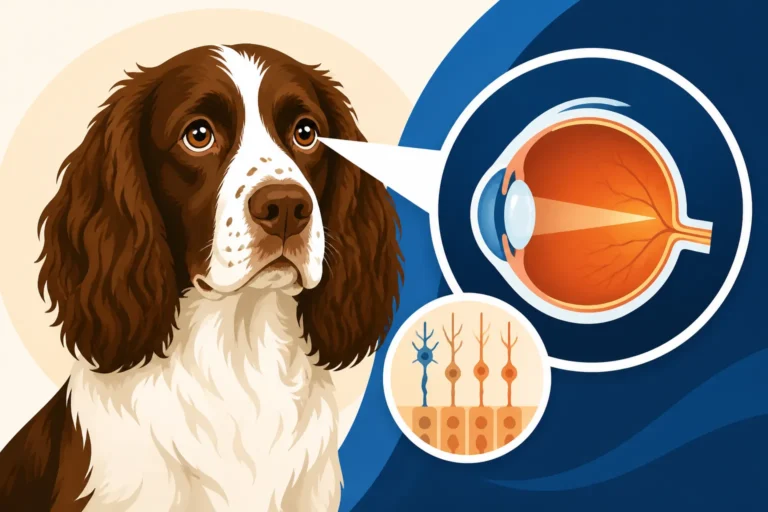
- Eye Examinations: Performed by a board-certified veterinary ophthalmologist. These exams screen for conditions like Progressive Retinal Atrophy, Retinal Dysplasia, Entropion, and Glaucoma. The Eye Certification Registry (ECR), formerly known as CERF, provides certifications annually. This is crucial because, for instance, Primary Glaucoma and the Springer Spaniel That Loses an Eye is a devastating condition that can be hereditary.
- DNA Tests: These are increasingly common and incredibly valuable for identifying carriers of specific genetic diseases. For Springer Spaniels, two major concerns that can be detected through DNA testing are:
- Fucosidosis: A rare but fatal neurological disorder. A simple DNA test can identify affected, carrier, and clear dogs. You definitely want to ensure parents are clear or at least one parent is clear and the other a carrier to avoid affected puppies. This is why The DNA Test That Should Precede Every Springer Spaniel Purchase is so important. A diagnosis of Fucosidosis Kills a Springer Spaniel Within Weeks of the First Sign is truly heartbreaking.
- PFK Deficiency (Phosphofructokinase Deficiency): A metabolic disorder affecting red blood cells, leading to exercise intolerance and anemia. Again, a DNA test helps breeders avoid affected offspring. Imagine a dog like PFK Deficiency and the Springer Spaniel That Collapses After Exercise – it significantly impacts their ability to lead a normal, active life.
Responsible breeders understand that these tests aren't just boxes to check; they're vital tools for ensuring the health and longevity of their line and, ultimately, the puppies they produce.
The Role of Parent Club Recommendations
Parent clubs play a crucial role in promoting responsible breeding practices. They set guidelines for recommended health clearances, compile lists of clear-eyed and hip-certified dogs, and educate breeders and prospective puppy owners. While these recommendations aren't legally binding, adherence to them is a strong indicator of a breeder's commitment to the breed's health.
For instance, the English Springer Spaniel Field Trial Association (ESSFTA) in the US and the English Springer Spaniel Club in the UK strongly advocate for these tests. Breeders who are members of these organizations and actively participate often strive to meet or exceed these recommendations. Always ask a breeder if they are a member of their regional or national breed club and if they follow the club's health testing protocols. This is far more important than whether the dogs are "show" or "field" bred.
The Perception vs. Reality of Show Line Testing
The idea that show Springer Spaniel lines are inherently more health-tested is a perception often rooted in how these dogs are presented. Show dogs live in the public eye, constantly judged on their conformation and temperament. Breeders of show dogs often feel a strong pressure to present a picture of perfection, which can translate to a more visible commitment to health clearances.
Why Show Lines Might Appear More Tested
One reason show lines might appear more tested is the prevalence of public databases like the OFA, which lists health clearances. Show breeders, often seeking to prove the quality and health of their lines for public scrutiny and stud dog advertising, are generally diligent about submitting their results to these databases. It's an easy way for them to demonstrate their commitment to health. Many also participate in annual eye clinics at shows or events, making consistent screening a routine part of their program.
Furthermore, many show breeders maintain detailed websites or social media pages where they openly share their dogs' pedigrees and health certifications. This transparency can create the impression that all show breeders are doing comprehensive testing, simply because the information is more readily available than it might be for a smaller, private field breeder who might not have the same online presence or marketing needs.
The Reality of Individual Breeder Practices
However, it's crucial to understand that appearances can be deceiving. The reality is that the quality and extent of health testing boil down to the individual breeder, not whether their dogs are shown or hunted. There are incredibly diligent field breeders who go above and beyond with testing, just as there are show breeders who might cut corners.
The key takeaway here is that the label "show line" or "field line" doesn't automatically guarantee thorough health testing. It's the breeder's ethics, knowledge, and dedication that matter most. You can find "backyard breeders" on both sides of the spectrum who do minimal to no health testing, simply breeding for profit or because their dogs are "pretty" or "good hunters." These breeders often ignore the importance of knowing if their dogs are carriers for genetic diseases, which can lead to heartbreaking situations down the road. This is why it's so important to scrutinize the breeder's practices directly, rather than relying on generalized assumptions.
What to Ask Any Springer Spaniel Breeder
Navigating the world of puppy buying requires a bit of detective work on your part. Don't be afraid to ask tough questions! A good, ethical breeder will welcome your inquiries and be transparent.
Beyond the Paperwork: Verifying Health Claims
When you're talking to a breeder, whether they focus on show or field lines, you need to go beyond simply asking "Are your dogs health tested?" That's just the first step. You need specifics.
Here's a checklist of questions to ask:
- "What specific health clearances do you perform on your breeding dogs?" Listen for mentions of OFA hips/elbows, ECR eye exams, and DNA tests for Fucosidosis and PFK Deficiency. A breeder should be able to articulate each test they do.
- "Can I see the official certificates for both parents, not just a verbal confirmation?" Ask to see the actual OFA certificates with ratings (e.g., "OFA Excellent Hips"), the ECR (CERF) numbers, and the DNA test results from reputable labs. Don't settle for "the vet said they're fine" or "they passed." Paperwork matters.
- "Are the results public?" Many breeders submit their results to public databases. If they say yes, ask for the registered names or registration numbers of the parent dogs so you can look them up on the OFA website or a similar database. This is how you verify what you're being told. Remember, Whether a Springer Spaniel Breeder Should Show Fucosidosis Results openly is a mark of transparency.
- "How often are eye exams done, and by whom?" Eye certifications should ideally be renewed annually by a board-certified veterinary ophthalmologist.
- "What are your thoughts on genetic diversity within the breed?" A good breeder will consider the genetic health of the wider population and not just blindly breed the same lines.
- "What happens if a puppy develops a genetic health issue covered by your health guarantee?" A reputable breeder will have a clear health guarantee in their contract and stand behind the health of their puppies.
Remember that The Health Tests Both Springer Spaniel Parents Should Have are critical for reducing the risk of your puppy inheriting preventable diseases. This due diligence on your part can save you a lifetime of heartache and unexpected vet bills.
The Lifetime Commitment to Your Springer's Health
Bringing a Springer Spaniel into your home is a long-term commitment. Their average lifespan is typically around The Twelve to Fourteen Years a Springer Spaniel Lives, and you want those years to be as healthy and happy as possible. While health testing by a breeder significantly reduces the risk of hereditary conditions, it doesn't guarantee a dog will never have a health issue. Accidents happen, and dogs, like people, can develop conditions unrelated to genetics. This is where pet insurance can be a real lifesaver.
Companies like Healthy Paws offer comprehensive pet insurance plans that can help manage the costs of unexpected illnesses or injuries. Knowing that you have a safety net for those unforeseen circumstances can provide immense peace of mind. Even with the most rigorously tested parents, a Springer Spaniel can still develop allergies, ear infections – which are notoriously common for the breed as explored in Why a Springer Spaniel's Ears Are Never Quite Healthy – or require emergency care. Having pet insurance from a reliable provider like Healthy Paws means you can focus on getting your dog the best treatment without the added stress of crushing vet bills. It’s an investment in your dog’s long-term well-being, complementing the efforts of a responsible breeder.
The bottom line is that no matter if you're leaning towards a field-bred dynamo or a show-ring star, the commitment to health starts with a responsible breeder and continues with your proactive care. Don't let the "show vs. field" debate distract you from the essential task of verifying genuine health testing.
| Health Test Category | Purpose | Common Conditions Screened For | How Results Are Documented |
|---|---|---|---|
| Orthopedic | To assess joint health and screen for structural issues. | Hip Dysplasia, Elbow Dysplasia | OFA Certificates |
| Ocular (Eye) | To detect hereditary eye diseases. | PRA, Retinal Dysplasia, Glaucoma, Entropion | ECR/CERF Certificates |
| Genetic (DNA) | To identify specific gene mutations for known diseases. | Fucosidosis, PFK Deficiency | Lab Reports (e.g., OFA, Paw Print Genetics) |
Disclaimer
This article is for general informational purposes only and does not constitute professional advice. Laws, prices and regulations vary by location and change over time. Consult a qualified professional for guidance on your specific situation.